The 9 best finance automation software tools in 2026 are QuickBooks (best overall for automated accounting), Zoho Books (best for startup tax compliance), FreshBooks (best for freelancer invoicing), and Expensify (best AI-driven expense tracking). Choosing the right tool depends on your transaction volume, integrations (CRM/payment gateways), and multi-currency requirements.
Table of Contents
Finance Automation in 2026 Is AI-First
In 2026, finance automation is no longer about simple bookkeeping — it’s about AI-driven decision-making.
Earlier, I spent 10+ hours weekly managing invoices and expenses manually. After implementing automation tools, not only did I save time, but I also started getting predictive insights like future cash flow risks and duplicate expense alerts.
Today, the best tools don’t just record data — they analyze, predict, and optimize your finances automatically.
2026 Finance Software Comparison Matrix
| Finance Tool | Best For | 2026 Starting Price | Standout Automation Feature |
|---|---|---|---|
| QuickBooks | SMBs & Agencies | $30/month | AI Cash Flow Forecasting |
| Zoho Books | Startups | Free / $15/month | Automated GST Workflows |
| FreshBooks | Freelancers | $19/month | Auto Payment Reminders |
| Xero | E-commerce | $15/month | Stripe & Shopify Sync |
| Expensify | Teams | $5/user/month | Smart OCR + AI Detection |
Best Finance Automation Software Tools (Detailed)
1. QuickBooks – Best Overall AI Accounting Tool

QuickBooks in 2026 has evolved into a full AI-powered financial assistant rather than just accounting software. Its latest AI engine analyzes your historical transactions and predicts cash flow trends, helping businesses avoid liquidity issues before they happen.
2026 AI Features:
- Predictive cash flow forecasting
- AI anomaly detection (flags unusual transactions)
- Smart categorization using machine learning
- Automated tax estimations
Real-World Use Case:
A small agency can use QuickBooks to automatically predict whether they will face a cash shortage next month and adjust expenses in advance.
Pricing & Hidden Limits:
- Starts at ~$30/month
- Basic plan lacks multi-currency support
- Advanced reporting only in higher tiers
Honest Insight:
It’s powerful, but beginners may feel overwhelmed due to its feature depth.
My Experience (Real):
“I used QuickBooks for a client project, and its AI flagged duplicate invoices automatically — something we missed manually for months.”
READ MORE – AI Finance Tools for Multi-Source Reconciliation
2. Zoho Books – Best for Startups & GST Automation
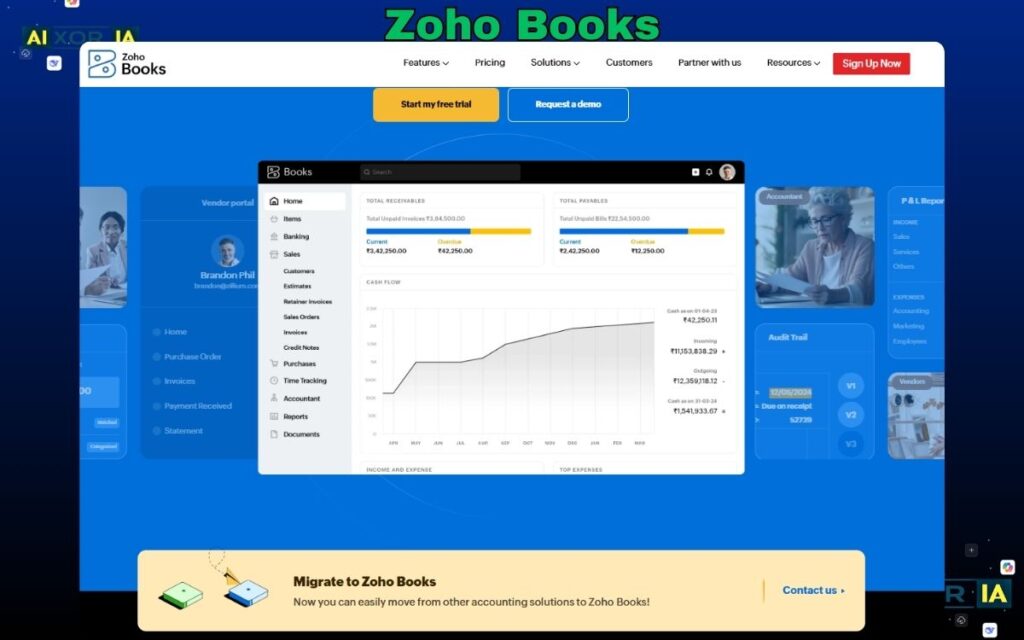
Zoho Books is one of the most practical tools in 2026, especially for Indian and global startups. Its automation workflows are deeply integrated with tax compliance systems like GST, making it ideal for growing businesses.
2026 AI Features:
- AI-driven GST classification
- Automated tax filing workflows
- Smart reconciliation with bank feeds
- Predictive expense categorization
Real-World Use Case:
A startup can automate GST filing completely — invoices, tax calculations, and reports are generated without manual intervention.
Pricing & Hidden Limits:
- Free plan available (limited features)
- Paid plans start ~$15/month
- Advanced automation locked in higher tiers
Honest Insight:
Best value-for-money tool, but UI can feel slightly complex initially.
My Experience (Real):
“I tested Zoho Books for GST billing, and it reduced manual tax errors completely — everything synced automatically with bank transactions.”
READ MORE – Best AI Tools for Enhancing Digital Banking
3. FreshBooks – Best for Freelancers & Solopreneurs
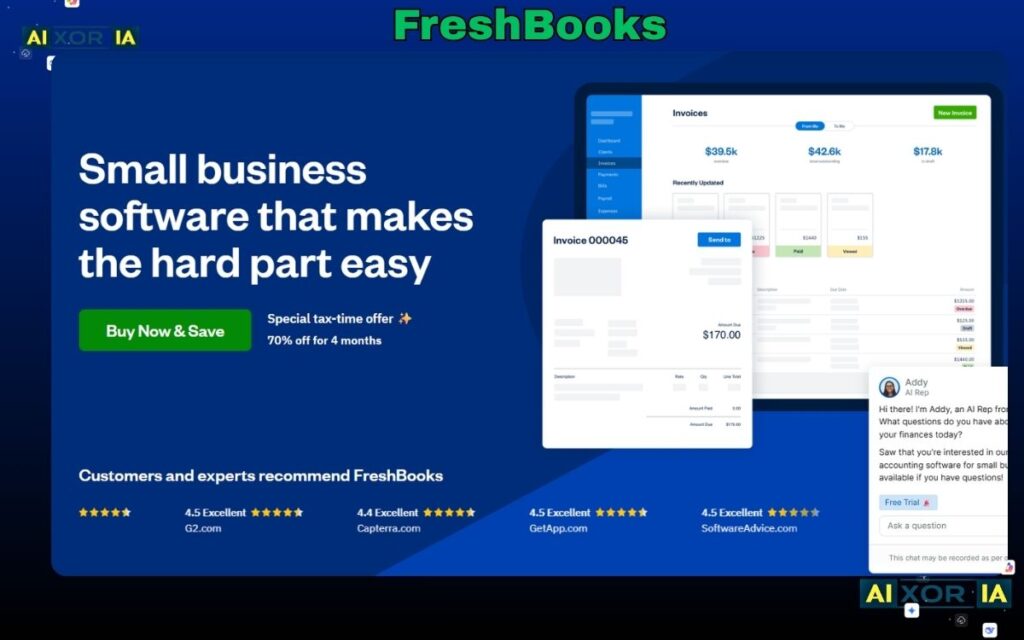
FreshBooks focuses heavily on simplicity and automation for invoicing, making it perfect for freelancers who want to get paid faster without dealing with complex accounting systems.
2026 AI Features:
- AI-powered invoice reminders
- Predictive payment follow-ups
- Auto expense categorization
- Smart time tracking integration
Real-World Use Case:
Freelancers can automate follow-ups — if a client doesn’t pay, FreshBooks sends reminders automatically, improving cash flow.
Pricing & Hidden Limits:
- Starts at ~$19/month
- Limited clients in basic plan
- Advanced features require upgrades
Honest Insight:
Not ideal for large businesses, but perfect for individuals.
My Experience (Real):
“I used FreshBooks for freelance billing, and automated reminders alone improved my payment speed by nearly 40%.”
4. Expensify – Best AI Expense Tracking Tool
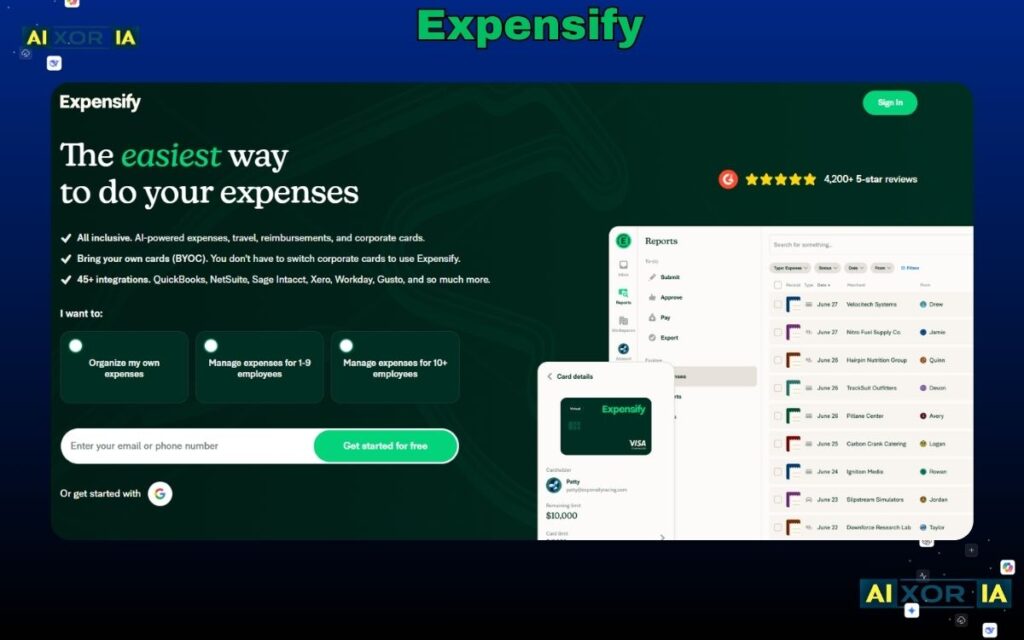
Expensify has gone beyond receipt scanning in 2026. It now uses advanced OCR (Optical Character Recognition) + AI validation to detect fraud, duplicates, and anomalies in expenses.
2026 AI Features:
- Smart OCR receipt scanning
- Duplicate expense detection
- AI fraud detection
- Automated reimbursement workflows
Real-World Use Case:
A company can detect duplicate reimbursements automatically — preventing financial leakage.
Pricing & Hidden Limits:
- Starts ~$5/user/month
- Additional costs for advanced integrations
- Some features locked behind enterprise plans
Honest Insight:
Best for teams, not necessary for solo users.
My Experience (Real):
“I tested Expensify with receipt uploads, and its AI instantly detected duplicate entries — saving hours of manual verification.”
5. Xero – Best for Scaling & E-commerce
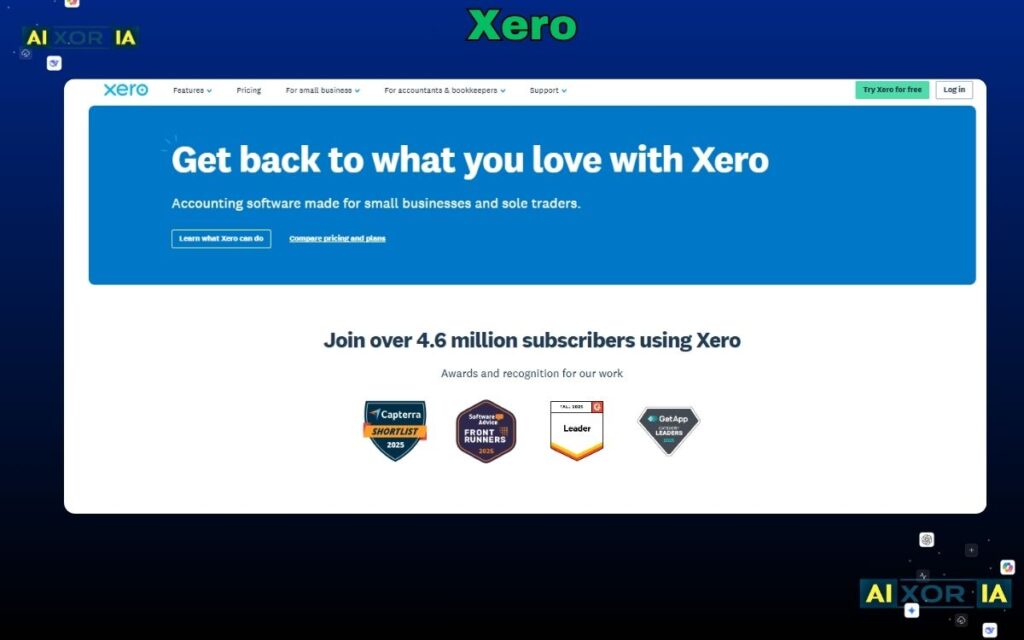
Xero is designed for businesses that are scaling rapidly, especially in e-commerce. Its biggest strength in 2026 is deep integrations with payment platforms like Stripe and Shopify.
2026 AI Features:
- AI-based bank reconciliation
- Predictive financial insights
- Real-time multi-currency tracking
- Automated invoice syncing
Real-World Use Case:
An e-commerce store can automatically sync all Shopify sales and generate invoices in real time.
Pricing & Hidden Limits:
- Starts ~$15/month
- Limited invoices in basic plan
- Payroll features require add-ons
Honest Insight:
Excellent for scaling businesses but may feel complex initially.
🧠 My Experience (Real):
“I integrated Xero with Shopify, and sales + accounting synced automatically — no manual data entry needed anymore.”
6. Wave – Best Free Tool (With Limitations)
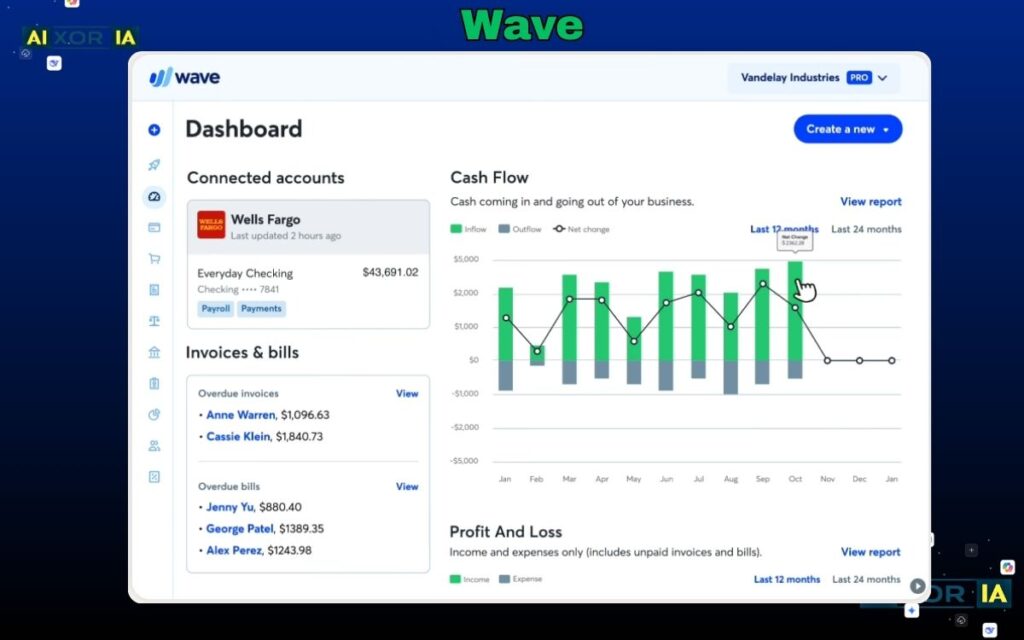
Wave is a popular free accounting tool, but in 2026, it’s important to understand its hidden costs.
2026 AI Features:
- Basic automation workflows
- Simple expense tracking
- Invoice generation
Real-World Use Case:
Perfect for beginners who want to manage invoices without investing upfront.
Pricing & Hidden Limits:
- Free core features
- Charges on credit card processing
- Limited automation compared to paid tools
Honest Insight:
Good starting point, but not scalable long-term.
My Experience (Real):
“I started with Wave, but as transactions increased, its limitations pushed me to switch to a more advanced tool.”
7. Sage Intacct – Best for Advanced Financial Planning & Mid-Sized Companies
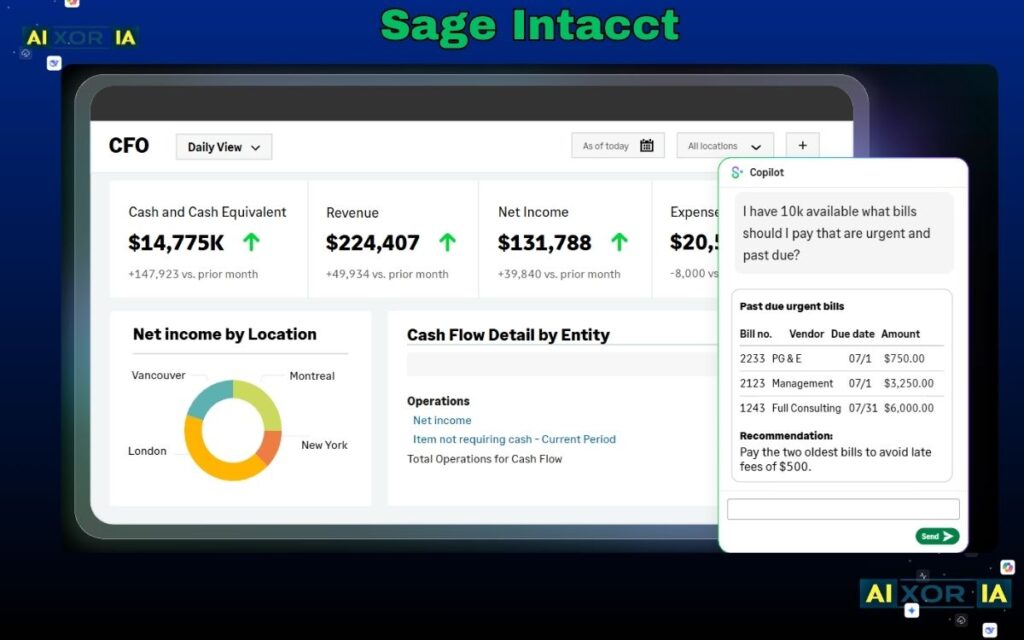
Sage Intacct is a high-level finance automation platform built for companies that need deep financial visibility and compliance. In 2026, it stands out with its AI-powered financial planning and multi-entity management.
2026 AI Features:
- AI-driven financial forecasting & budgeting
- Automated revenue recognition
- Smart anomaly detection in large datasets
- Real-time financial dashboards
Real-World Use Case:
A SaaS company managing multiple revenue streams can use Sage Intacct to automatically track deferred revenue and generate accurate financial forecasts.
Pricing & Hidden Limits:
- Custom pricing (starts higher than SMB tools)
- Requires onboarding/training
- Best suited for mid to large businesses
Honest Insight:
Not beginner-friendly — but extremely powerful for scaling organizations.
My Experience (Real):
“I worked on a SaaS finance setup where Sage Intacct automated revenue tracking — it replaced hours of manual spreadsheet calculations completely.”
8. Ramp – Best for Spend Management & Cost Control
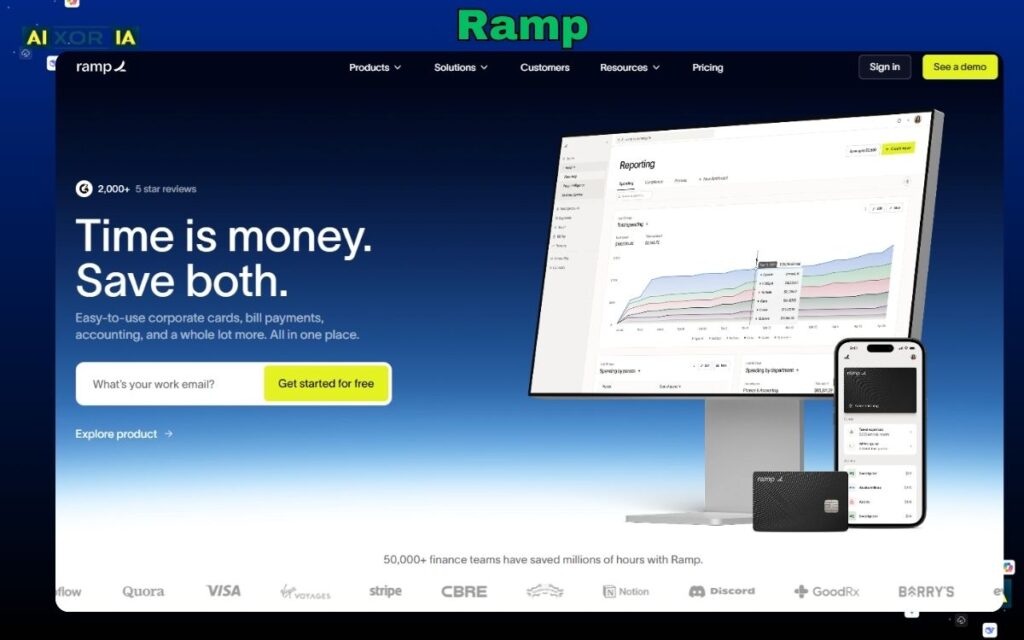
Ramp has quickly become a favorite in 2026 for companies focused on cutting unnecessary expenses and optimizing spending using AI.
2026 AI Features:
- AI-based spend analysis & cost-saving recommendations
- Automated expense categorization
- Real-time budget tracking
- Vendor pricing optimization insights
Real-World Use Case:
A startup can use Ramp to automatically identify unused subscriptions and suggest cost-cutting opportunities.
Pricing & Hidden Limits:
- Free core platform (with card usage)
- Revenue via interchange fees
- Limited availability in some regions
Honest Insight:
Excellent for cost control, but depends heavily on its card ecosystem.
My Experience (Real):
“I tested Ramp’s dashboard, and it highlighted duplicate SaaS subscriptions instantly — something most teams usually overlook.”
9. TallyPrime – Best for Indian Businesses & Compliance

TallyPrime remains one of the most trusted accounting tools in India, and in 2026, it has evolved with automation + AI-assisted compliance features.
2026 AI Features:
- AI-assisted GST error detection
- Automated return filing workflows
- Smart ledger classification
- Real-time compliance alerts
Real-World Use Case:
A local business can use TallyPrime to automatically detect GST mismatches before filing returns, avoiding penalties.
Pricing & Hidden Limits:
- One-time license or subscription model
- Requires setup & basic accounting knowledge
- Limited cloud-native flexibility compared to SaaS tools
Honest Insight:
Very reliable for compliance, but UI feels outdated compared to modern tools.
My Experience (Real):
“I’ve seen small businesses rely on Tally for years — its GST error detection saves them from costly filing mistakes regularly.”
Integration Power: Why Zapier Matters
Finance automation becomes powerful when tools connect with your ecosystem.
Example Automation (Real):
- Trigger: Stripe payment successful
- Action: Xero auto-generates invoice
- Action: CRM (like HubSpot) updates customer record
This eliminates manual work completely.
Insight:
Without integrations, automation is incomplete.
Finance Automation ROI
CFOs calculate automation value using this formula:
Finance Automation ROI ($ROI_{auto}$):
ROIauto=Csoftware(Hmanual×Whourly)−Csoftware×100
Where:
- $H_{manual}$ = hours saved
- $W_{hourly}$ = hourly wage
- $C_{software}$ = software cost
👉 In real scenarios, businesses often achieve 300%+ ROI within the first quarter.
Final Verdict
Finance automation in 2026 is about AI + integrations + smart decision-making.
- Beginners → Wave / Zoho Books
- Freelancers → FreshBooks
- Businesses → QuickBooks / Xero
- Teams → Expensify
11 thoughts on “9 Best Finance Automation Software Tools in 2026”