Why Finding the Best Finance Automation Software Tool Matters in 2026
Scr0ll d0wn to D0VVNL0AD
The best finance automation software tool for your business can mean the difference between spending your week buried in spreadsheets — or actually running your business.
Here’s a quick look at the top options to match your needs:
| Tool Type | Best For | Key Capability |
|---|---|---|
| Agentic AI platforms (e.g., Numos, Maxima) | Mid-market to enterprise | Month-end close, AP/AR, variance analysis |
| FP&A planning tools (e.g., Anaplan, Workday Adaptive) | Enterprise finance teams | Budgeting, forecasting, scenario planning |
| Transaction management tools | SMBs and growing businesses | Bank sync, AI categorization, reconciliation |
| Revenue automation (e.g., Maximor) | SaaS and multi-entity companies | ASC 606 compliance, contract ingestion |
| Goal-based routing (e.g., Sequence) | Small business owners | Cash flow automation, virtual accounts |
Think of your monthly finance tasks — invoicing, reconciling bank accounts, chasing payments, closing the books. For many small business owners, it feels like the same painful loop, every single month.
The good news? A lot of that work doesn’t have to be yours anymore.
According to McKinsey, 42% of finance activities are fully automatable with technology that already exists today — and another 19% are mostly automatable. Yet only about 59% of finance leaders are actually using AI in their finance function as of 2026.
That gap is where real opportunity lives.
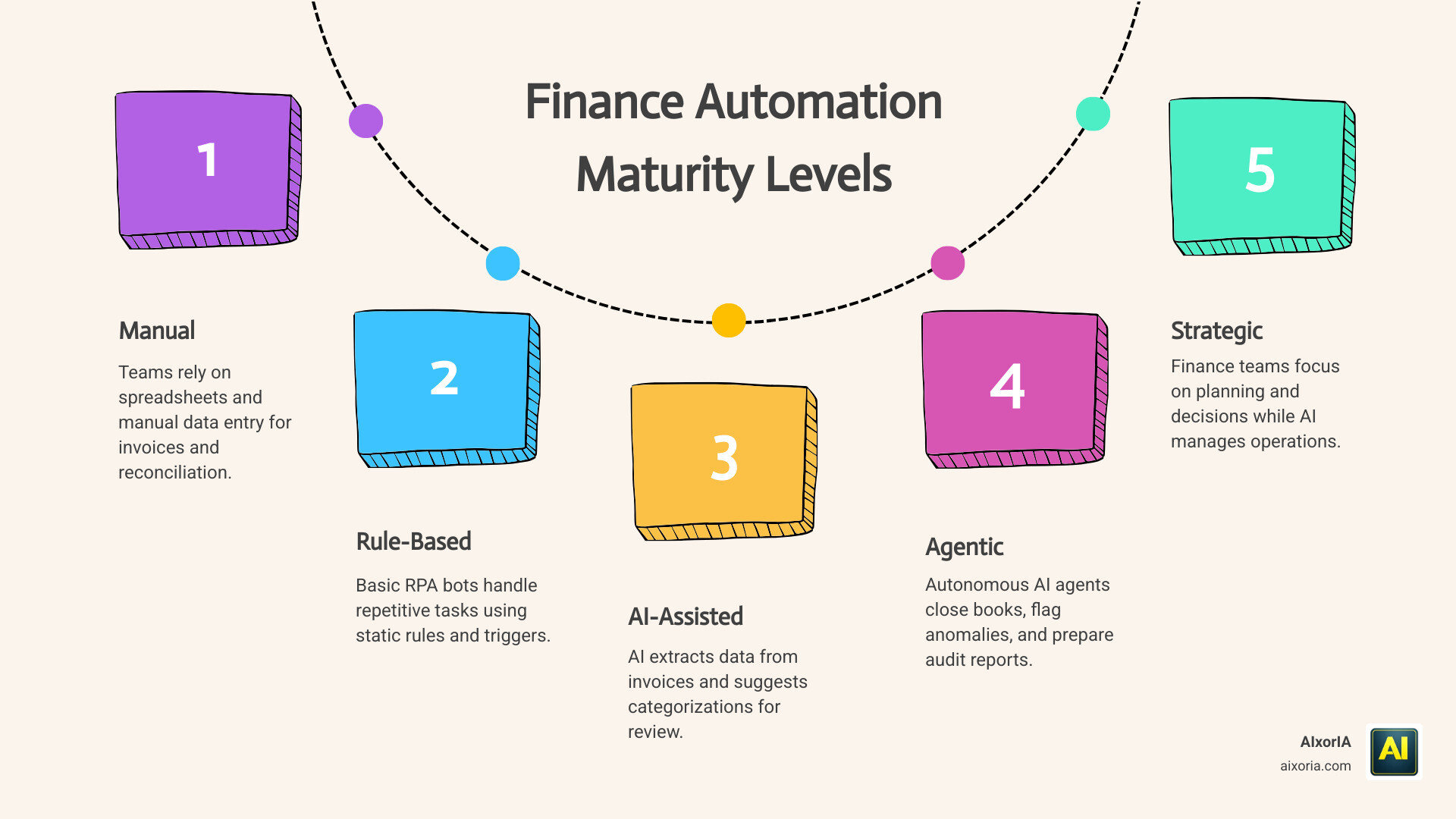
Finance automation has grown fast. The global market was valued at $8.1 billion in 2024 and is on track to hit $18.4 billion by 2030. Tools have gone from basic rule-based automation to AI agents that can close your books, flag anomalies, and generate audit-ready reports — with minimal human input.
This guide cuts through the noise. Whether you’re a solo founder or managing a growing team, you’ll find the right tool for where you are right now.
Key Features of the Best Finance Automation Software Tool
If you’ve ever felt like Bill Murray in Groundhog Day while manually copying numbers from one spreadsheet to another, you know why finding the best finance automation software tool is so critical. However, choosing the right platform is not about chasing the flashiest AI buzzwords. It is about identifying features that deliver a measurable return on investment (ROI).
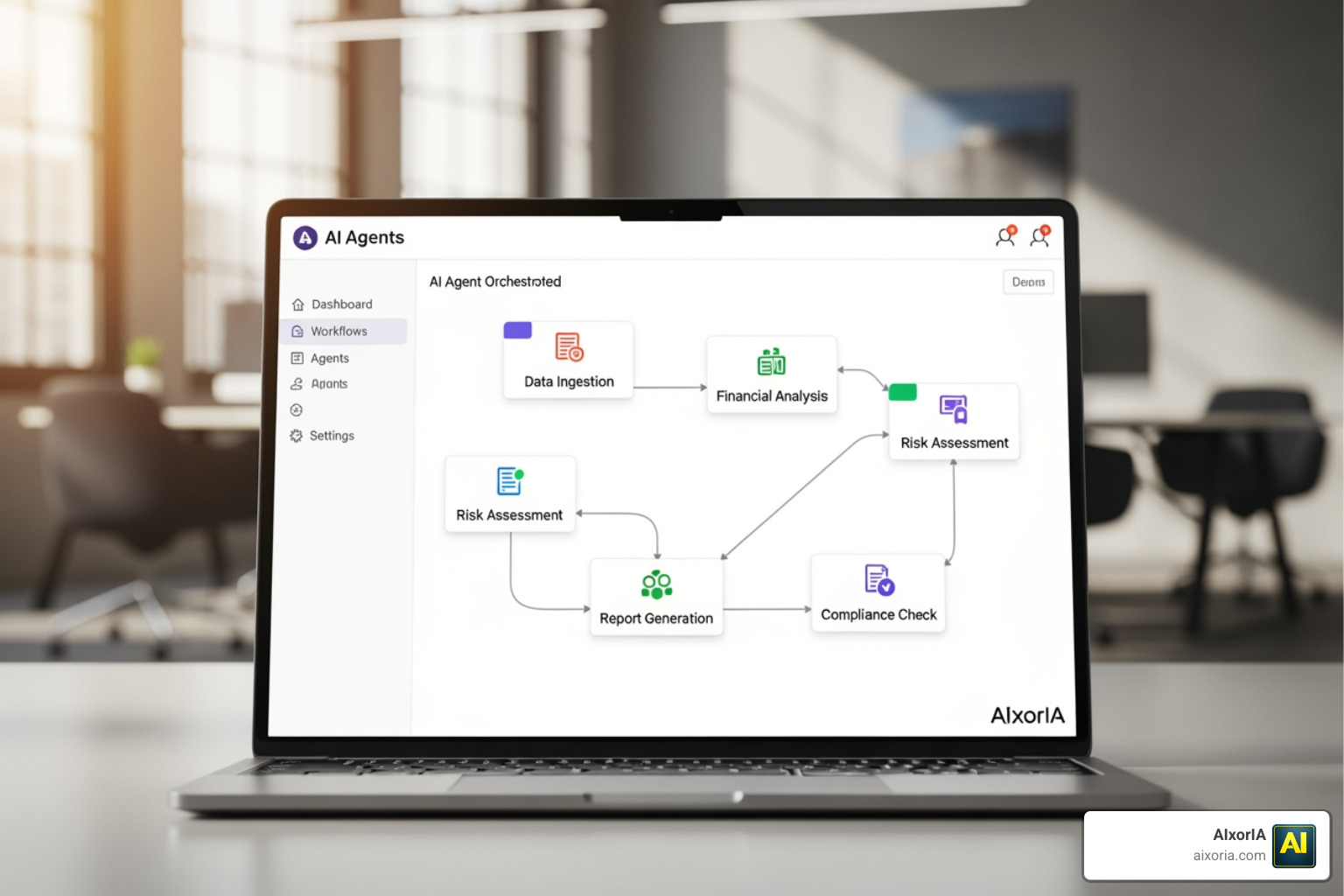
The modern standard for finance automation relies on built-in security, real-time data flow, and “agentic” workflows. Unlike older tools that simply follow rigid, pre-programmed rules, modern platforms use AI agents that can understand the context of your business, flag exceptions, and prepare work papers for human review.
Security is non-negotiable when dealing with financial data. The top platforms in 2026 feature SOC 1 and SOC 2 compliance, ISO 27001 certifications, and bank-level encryption. They also provide comprehensive, transaction-level audit trails that show exactly how an AI arrived at a specific decision. This ensures your systems remain secure and fully auditable. For a deeper look at how these features protect your operations, check out our Benefits of Finance Automation Software 2026 Guide.
Core Capabilities of the Best Finance Automation Software Tool
At their core, the best finance automation tools handle the repetitive, high-volume tasks that clog up your daily schedule.
- Accounts Payable & Receivable (AP/AR) Automation: Platforms like Finance automation | Seapoint connect directly to your email (such as Gmail) to automatically extract incoming invoices, fill out payment details without manual typing, flag duplicate bills, and route approvals.
- Bank Reconciliation: Instead of matching bank statements to ledger entries line by line, modern tools sync with your bank accounts daily. For instance, you can automatically Auto-Categorize Bank Transactions | Plaid + 2,000 Banks using secure PSD2 connections. These systems use machine learning to categorize transactions with up to 95% accuracy, learning your business patterns over time to eliminate the manual matching process entirely.
Selecting the Best Finance Automation Software Tool for Enterprise Scale
For larger organizations, finance automation must scale to handle complex, multi-entity operations. Enterprise-level tools move beyond basic task automation to orchestrate full-cycle accounting and Financial Planning & Analysis (FP&A).
At this scale, platforms like Anaplan or Workday Adaptive Planning automate complex budgeting, workforce planning, and scenario forecasting. Instead of wrestling with spreadsheet version control, enterprise teams use AI to run predictive forecasts and automatically generate commentary on budget variances.
Furthermore, revenue recognition compliance (under ASC 606 and IFRS 15) is incredibly complex for businesses with hybrid pricing models or multi-currency contracts. Specialized platforms like Maximor : AI Automation Platform for Accounting & Finance Ops ingest contracts directly from your CRM, extract key terms, and auto-generate audit-ready revenue schedules and memos. To discover more enterprise-grade solutions, read our guide on the 9 Best Corporate Finance Automation Software in 2026.
Comparing Top Finance Automation Software Categories in 2026
Evaluating the landscape of finance tools can feel like visiting a virtual Baskin-Robbins—there are dozens of flavors, and picking the wrong one can leave you with a headache. To help you find the best finance automation software tool for your specific needs, we have categorized the top solutions into three primary buckets:
| Feature Category | Primary Focus | Best For | Typical Impact |
|---|---|---|---|
| Transaction Intelligence | Bank reconciliation, multi-currency sync, and automated categorization | SMBs, e-commerce, and restaurant groups | Saves up to 15 hours per week on manual data entry |
| Revenue Automation | ASC 606/IFRS 15 compliance, contract parsing, and audit-ready close | Mid-market & enterprise SaaS or multi-entity firms | Reduces revenue close times from 5 days to 1–2 days |
| Goal-Based Routing | Virtual accounts, automated tax/savings routing, and smart expense cards | Startups, solo founders, and agile teams | Recovers hundreds of dollars monthly in optimized cash flow |
To explore how these categories fit into the broader market, check out our comprehensive list of The 9 Best Finance Automation Software Tools in 2026.
Transaction Management and Bank Reconciliation
For businesses processing hundreds or thousands of transactions monthly across different platforms, manual reconciliation is a major bottleneck. Transaction management software solves this by establishing direct, secure bank feeds.
Using global PSD2 connections, these tools pull real-time transaction data from thousands of financial institutions. The software’s AI analyzes each transaction, matches it against outstanding invoices, and automatically categorizes the expense. This ensures your books are always up to date and ready for tax season without manual intervention. Learn more about selecting the right matching tools in our review of the Best Finance Automation Software Tools 2026.
Revenue Automation and Compliance
For growing mid-market and enterprise companies, closing the books is often delayed by complex revenue recognition rules. Revenue automation platforms eliminate this friction by deploying specialized AI agents.
These “Audit-Ready Agents” ingest contracts and billing data, apply complex compliance rules, and draft necessary accounting memos. This means your finance team spends less time building spreadsheet workarounds and more time analyzing performance. For a breakdown of the top AI-powered compliance platforms, see our list of the 9 Best AI Powered Finance Automation Software in 2026.
Goal-Based Cash Flow Routing
If you are a smaller business owner looking for absolute control over where your cash goes the moment it hits your account, goal-based routing tools are a game-changer.
Platforms like Automate Your Finances, Gain Control allow you to set up virtual accounts (often called “Pods”) for specific financial goals, such as tax savings, payroll, or debt repayment. You can write custom routing rules to automatically distribute incoming revenue to these Pods. This ensures your bills and taxes are funded automatically before you spend a single dollar on discretionary expenses. For tips on setting up multi-source cash flows, read our AI Finance Tools for Multi Source Reconciliation Complete 2026 Guide.
Frequently Asked Questions about Finance Automation
What is the difference between RPA and AI agents in finance?
Traditional Robotic Process Automation (RPA) relies on static, “if-this-then-that” rules. If a vendor changes their invoice layout by even a few pixels, RPA often breaks because it cannot adapt.
AI agents, on the other hand, possess semantic understanding. They can read unstructured data (like a PDF contract or an email conversation), reason through complex scenarios, and make autonomous decisions to achieve a goal. Instead of simply copying data, an AI agent can perform variance analysis, flag anomalies, and prepare complete financial statements for human review. To see how AI is transforming deeper financial reviews, read our guide on the Best AI Tool for Financial Statement Analysis in 2026.
How does finance automation improve audit readiness?
Manual accounting leaves a messy trail of spreadsheets, emails, and disconnected files that auditors have to piece together. Finance automation platforms solve this by enforcing compliance by design.
Every action taken by an automated system is logged with complete, transaction-level lineage. This means an auditor can click on any journal entry and instantly see the source contract, the AI’s reasoning, and the human approval stamp. For organizations seeking cost-effective ways to begin analyzing their financial data securely, explore Which Free AI Tool is Best for Financial Analysis.
What ROI can organizations expect from finance automation?
While results vary by company size, the efficiency gains from implementing the best finance automation software tool are substantial:
- Time Savings: Many organizations reduce their month-end close cycle by 2 to 3 days, with some achieving up to 98% automation on routine tasks.
- Cost Reductions: Large institutions often see process-level cost reductions of up to 80% by automating record-to-report tasks.
- Error Reduction: Eliminating manual data entry significantly lowers compliance risks and costly transaction errors.
Conclusion

As we navigate 2026, finance automation is no longer a luxury reserved for giant corporations. It is an essential strategy for any business that wants to scale without drowning in administrative work. By shifting routine tasks to smart software, your finance team can stop acting as data processors and start serving as strategic advisors.
At AIxorIA, we specialize in helping businesses bridge the gap between wanting AI and successfully using it. We provide custom AI solutions, practical tool training workshops, and comprehensive performance audits designed to streamline your workflows. Our mission is to deliver simple, affordable, and incredibly fast support to help you adopt the right technology with confidence.
Ready to eliminate the manual grind and unlock your team’s true potential? Empower your business with AIxorIA today and take control of your financial future.