Why Every Marketer Needs to Understand Campaign Management Software
Scr0ll d0wn to D0VVNL0AD
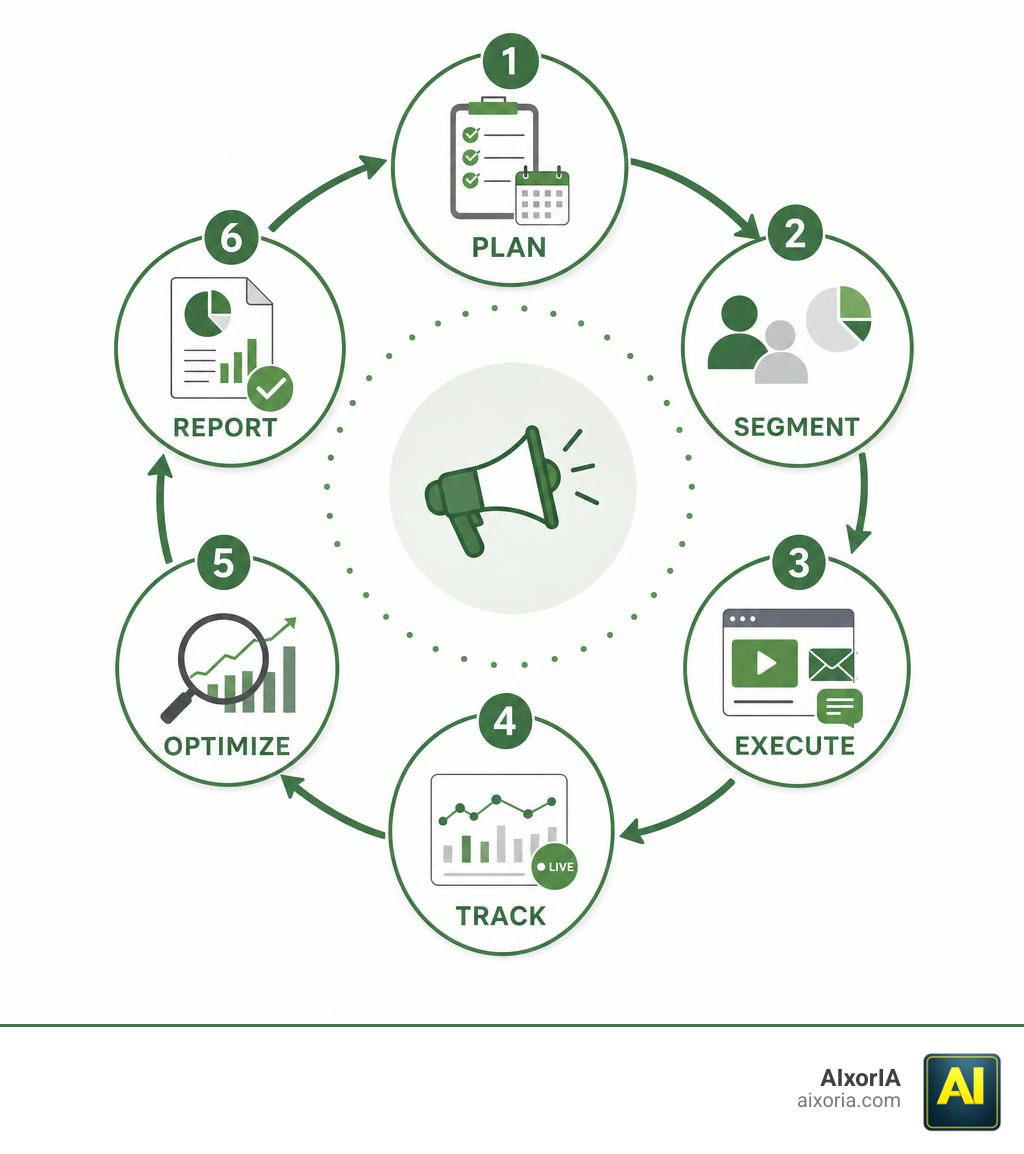
What is marketing campaign management software? It’s a centralized platform that lets you plan, launch, track, and optimize your marketing campaigns — all in one place, instead of juggling spreadsheets, email threads, and disconnected tools.
Quick answer:
Marketing campaign management software is a digital command center for your marketing. It brings together campaign planning, audience targeting, cross-channel execution, and performance analytics into a single system — so your team stays aligned and your campaigns actually hit their goals.
What it does at a glance:
- Plans campaigns with timelines, milestones, and assigned tasks
- Automates repetitive work like email sends and social posts
- Segments your audience based on behavior, demographics, and preferences
- Tracks performance across every channel in real time
- Measures ROI so you know what’s working and what isn’t
Here’s the reality: running a marketing campaign without the right software is chaotic. You’re chasing deadlines across Slack threads, losing assets in email chains, and guessing which channels are actually driving results. Sound familiar?
The numbers back this up. Marketers who plan projects proactively are 356% more likely to report success. Yet most small businesses are still trying to run multi-channel campaigns with tools that were never built for the job.
The good news? Campaign management software has become more accessible — and more affordable — than ever. The market is growing fast (from $5.3 billion in 2024 to a projected $12.3 billion by 2033), which means there are now solid options for businesses of every size, not just enterprise teams.
This guide breaks down exactly what campaign management software is, what to look for, and how to choose the right tool for your business — no technical background required.
What Is Marketing Campaign Management Software?
At its core, What Is Marketing Campaign Management Software? can be thought of as the ultimate digital command center for your marketing department. Instead of forcing your team to jump between social media schedulers, email service providers, and endless Excel files, this software unifies your entire campaign lifecycle.
From the initial brainstorming phase to the final ROI calculations, it coordinates your multi-channel efforts. According to the Search Engine Land Guide, the software automates the manual tasks of planning, launching, and measuring the impact of your marketing efforts, effectively turning chaos into a structured, repeatable science.
Core Capabilities of Marketing Campaign Management Software
To understand how these platforms work, we must look at their core capabilities. They are built to handle three main operational pillars:
- Centralized Planning: A visual calendar where everyone can see what is going live, when, and on which channel.
- Cross-Channel Execution: The power to schedule and deploy content across email, social, and web channels simultaneously.
- Resource Allocation: Tracking who is working on what asset, preventing team burnout, and managing external vendor communications.
As highlighted in the Salesforce Campaign Guide, these tools act as the glue that binds strategy to execution, ensuring your messaging remains highly targeted and perfectly timed.
How Marketing Campaign Management Software Differs from Tracking Tools
It is common to confuse campaign tracking with campaign management, but they are entirely different beasts.
- Campaign Tracking is backward-looking. It tells you what already happened—how many clicks you got, how many emails were opened, and how much money you spent.
- Campaign Management is forward-looking and active. It connects your campaigns directly to your business strategy. It handles the pre-send approvals, coordinates creative workflows, and uses active governance (like approval gates) to ensure nothing goes live without the green light.
As the team at CampaignSwift Solutions points out, tracking merely observes the race, while true management builds the track, trains the runner, and guides them to the finish line.
Key Benefits of Centralized Campaign Orchestration
When you move your marketing operations into a dedicated campaign management system, the daily headaches of marketing operations begin to vanish. The most immediate benefit is operational efficiency. Instead of wasting hours searching for the latest version of an image asset or waiting on Slack for an approval, your team works within standardized, automated pipelines.
Proactive planning replaces last-minute fire drills. According to Oracle Campaign Management Insights, having a structured campaign workflow ensures that your brand consistency remains flawless across touchpoints, creating a seamless experience for your prospective customers.
Streamlining Workflows and Team Collaboration
Modern marketing campaigns are highly collaborative. A single seasonal promotion might require input from copywriters, graphic designers, SEO specialists, and social media managers.
Campaign management software breaks down organizational silos by keeping everyone in the same loop. Tasks are delegated automatically, and custom workflows route creative assets directly to stakeholders for sign-off. Whether you are coordinating a digital rollout with social media campaign management software or aligning physical touchpoints using direct mail campaign management software, the software ensures that everyone is marching to the same beat.
Maximizing ROI and Marketing Performance
At the end of the day, marketing must drive business impact. Centralized software links your marketing activities directly to your bottom line by offering precise budget tracking and revenue attribution.
By analyzing which channels yield the highest conversion rates, you can stop wasting budget on underperforming channels and double down on what works. Even highly specialized industries use these platforms; for example, deploying tailored campaign management software for telcos allows large-scale enterprises to track complex, multi-tiered customer loyalty programs and calculate their exact return on investment.
Essential Features and How to Choose a Platform
Choosing the right software for your business in May 2026 requires looking beyond flashy user interfaces. You need to focus on core capabilities that match your specific marketing mix, your team’s size, and your growth plans.
According to the latest industry data from Verified Market Reports, the global MarTech market is expanding rapidly, driving software vendors to build highly specialized tools. Here is how channel-specific tools stack up against comprehensive, end-to-end platforms:
| Feature/Capability | Channel-Specific Tools (e.g., Email-Only) | End-to-End Campaign Platforms |
|---|---|---|
| Setup Complexity | Low to Moderate | Moderate to High |
| Multi-Channel Coordination | Manual / Fragmented | Automated & Unified |
| Data Synchronization | Requires third-party APIs | Native & Real-Time |
| Best Suited For | Niche teams or single-channel focus | Multi-channel teams seeking a single source of truth |
Audience Segmentation and Targeting
A campaign is only as good as its targeting. The best software platforms allow you to move away from “spray-and-pray” marketing by offering robust demographic and behavioral filters.
You can set up automated triggers so that when a customer views a specific product page or downloads a guide, they are immediately placed into a personalized segment. If you are running automated email sequences, integrating this segmentation with your email drip campaign software ensures your leads receive highly relevant messages based on their exact stage in the buyer’s journey.
Automation and Cross-Channel Execution
Automation is the engine room of campaign management. It frees your team from manual execution, allowing them to focus on high-level strategy and creative development.
Advanced workflow automation ensures that your campaigns run smoothly across touchpoints. Features like frequency capping prevent you from spamming your audience, while prioritization rules ensure your most important promotional messages take precedence. As detailed in the Adobe Campaign Management documentation, capacity-aware throttling and automated handoffs make executing complex, multi-wave campaigns effortless.
Unified Analytics and Performance Reporting
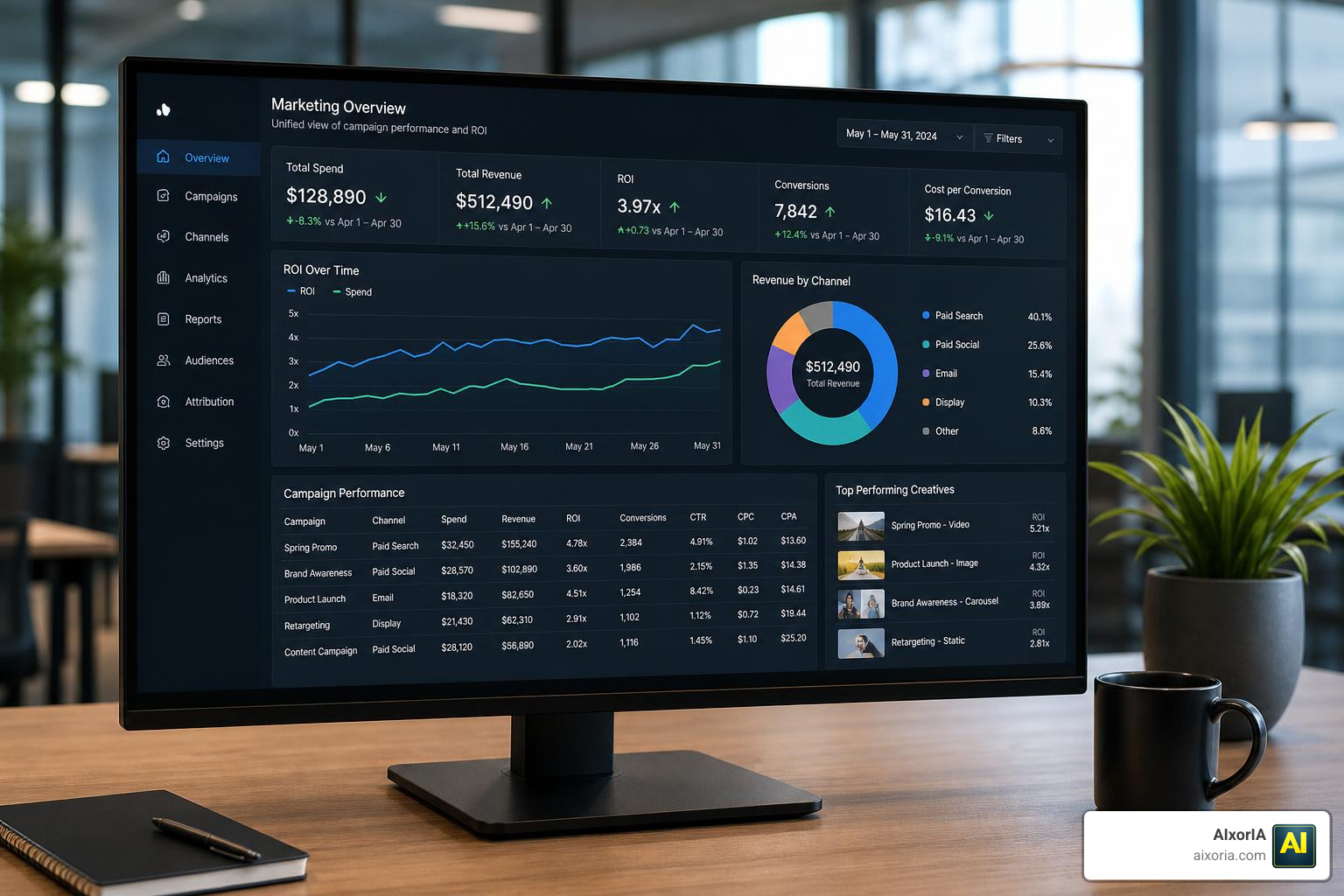
To make smart decisions, you need access to real-time data. Modern campaign management software provides unified analytics dashboards that aggregate performance metrics from all your active channels.
Instead of manually compiling reports at the end of the month, you get instant visibility into your Return on Ad Spend (ROAS), click-through rates, and conversion metrics. By utilizing advanced AI tools for sales and marketing, you can even generate predictive insights to forecast how a campaign will perform before you hit send.
Frequently Asked Questions about Campaign Management
What is the difference between campaign management and project management?
While project management tools (like Trello or Asana) are excellent for tracking general tasks and deadlines, they lack marketing-specific capabilities. Campaign management software is built specifically for marketing operations. It includes native audience targeting, direct execution channels (like email and social publishing), and marketing-specific performance analytics that general project tools simply cannot provide.
Can small businesses benefit from campaign management platforms?
Absolutely! In fact, small businesses often benefit the most because they have limited resources. By automating repetitive tasks like email follow-ups and social media scheduling, a small team can punch well above its weight, running sophisticated, multi-channel campaigns that would otherwise require a large agency.
How does AI optimize modern marketing campaigns?
AI has revolutionized how we manage campaigns in 2026. Machine learning algorithms can automatically determine the best time of day to send an email, predict which audience segments are most likely to convert, and even draft initial copy. Leveraging specialized AI tools for content creation allows teams to generate personalized ad variations at scale, saving dozens of hours of manual work.
Conclusion

As we navigate the highly competitive digital landscape of May 2026, relying on disconnected spreadsheets and manual processes is no longer a viable strategy. Implementing marketing campaign management software is the single best way to bring order to your marketing operations, align your team, and maximize your return on investment.
At AIxorIA, we specialize in helping businesses navigate this digital transformation. We provide custom AI solutions, hands-on tool training workshops, practical tutorials, and thorough performance audits designed to empower your team. With our commitment to simple language, affordable services, and fast customer support, we make adopting new technology straightforward and stress-free.
Ready to supercharge your marketing productivity and drive real business impact? Explore our expert guide on the best AI Tools for Business in 2026 and take the first step toward a smarter, automated marketing workflow today!