The Best AI Writing Generators in 2026: A Quick Guide

AI writing generators are software tools that use artificial intelligence to create written content from a simple text prompt — in seconds.
If you’re looking for the best options right now, here’s a quick overview:
| Tool | Best For | Free Plan? |
|---|---|---|
| Grammarly | Polishing drafts, emails, documents | Yes |
| QuillBot | Paraphrasing, rewriting, blog posts | Yes |
| Rytr | Affordable bulk content creation | Yes (10k chars/month) |
| Jasper | Enterprise marketing teams | Trial only |
| Canva Magic Write | Design-integrated short-form copy | Yes (25 queries) |
| Type.ai | Long-form creative writing | Yes |
Running a small business means wearing a lot of hats. Writing blog posts, product descriptions, emails, and social media captions takes hours — hours most small business owners simply don’t have.
That’s exactly why AI writing tools have exploded in popularity.
Over 40 million people now use Grammarly daily. Rytr alone has helped users save more than 25 million hours and $500 million in content writing costs. These aren’t small numbers.
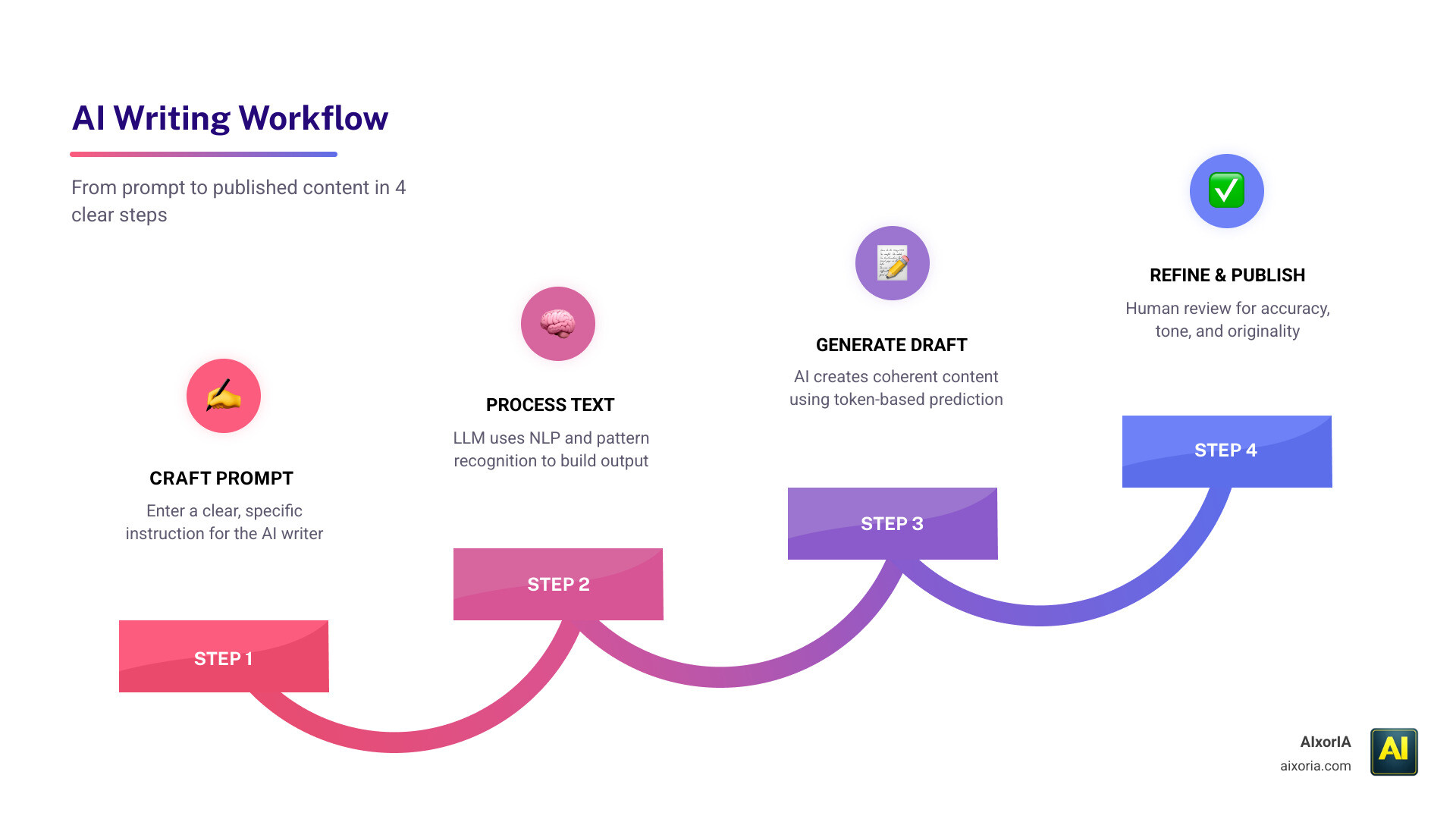
The core idea is simple: you type a prompt, the AI generates a draft, and you refine it. What used to take a full afternoon can now take minutes — even if you have zero technical experience.
This guide breaks down the top tools, how they work, what they cost, and how to use them the right way.
What are AI Writing Tools and How Do They Work?
At their core, ai writing generators are powered by Large Language Models (LLMs). Think of these as incredibly well-read assistants that have studied billions of pages of text to understand how humans communicate. They don’t “know” things the way we do; instead, they use Natural Language Processing (NLP) to predict the most likely next word in a sentence based on patterns they’ve learned.
When you provide a prompt—like “Write a witty paragraph about why coffee is essential for Mondays”—the AI uses pattern recognition to assemble a response. It looks at grammar, vocabulary, and tone to ensure the output sounds coherent. This process is often token-based, meaning the AI breaks down your text into smaller chunks (tokens) to process it efficiently.
As we move through 2026, these tools have become much more than simple text boxes. Many now offer specialized features like automated paragraph generation and predictive text that finishes your sentences as you type. If you want to dive deeper into the broader ecosystem, check out our guide on the Best AI Tools for Content Creation in 2026.
At AIxorIA, we often tell our workshop participants that the secret sauce isn’t just the AI—it’s the “prompt engineering.” This is simply the art of giving the AI clear, detailed instructions so it delivers exactly what you need on the first try.

Top-Rated AI Writing Generators for Every Use Case
The market for ai writing generators has shifted from “one-size-fits-all” to highly specialized tools. Whether you are a solo blogger or a corporate marketing lead, there is a tool designed specifically for your workflow.
| Category | Top Tool | Key Feature | Pricing Model |
|---|---|---|---|
| Free/Budget | Rytr | 40+ Use cases | Free tier / Affordable paid |
| Enterprise | Jasper | Content Pipelines | Subscription / Team plans |
| Long-form | Type.ai | 150k word support | Free / $8+ per month |
| Integrated | Grammarly | Works in 1M+ apps | Free / Premium |
| Versatile | Nexus AI | AI File Chat | Free / Pro |
For those specifically hunting for a deal, we’ve rounded up the Best Free AI Writing Generators in April 2026: Top Free Picks. If you already have a draft but need a fresh perspective, you might find our list of the 20 Best AI Rewriting Tools in 2026 Tested more helpful.
Best AI Writing Generators for Students and Academic Research
Academic writing requires a level of precision that standard marketing tools sometimes lack. In 2026, students are looking for tools that don’t just write, but help organize research.
Tools like Type.ai have become favorites for this because they can handle massive documents—up to 150,000 words—making them perfect for theses or long-form research papers. These tools often include:
- Citation generation: Automatically creating references in APA, MLA, or Chicago styles.
- Literature reviews: Summarizing complex PDFs into digestible bullet points.
- Academic integrity: Built-in features to help maintain original thought while using AI as a drafting assistant.
For a deeper dive into school-specific tools, see our article on the Best AI Writing Tools for Students in 2026.
Leading AI Writing Generators for Marketing Teams
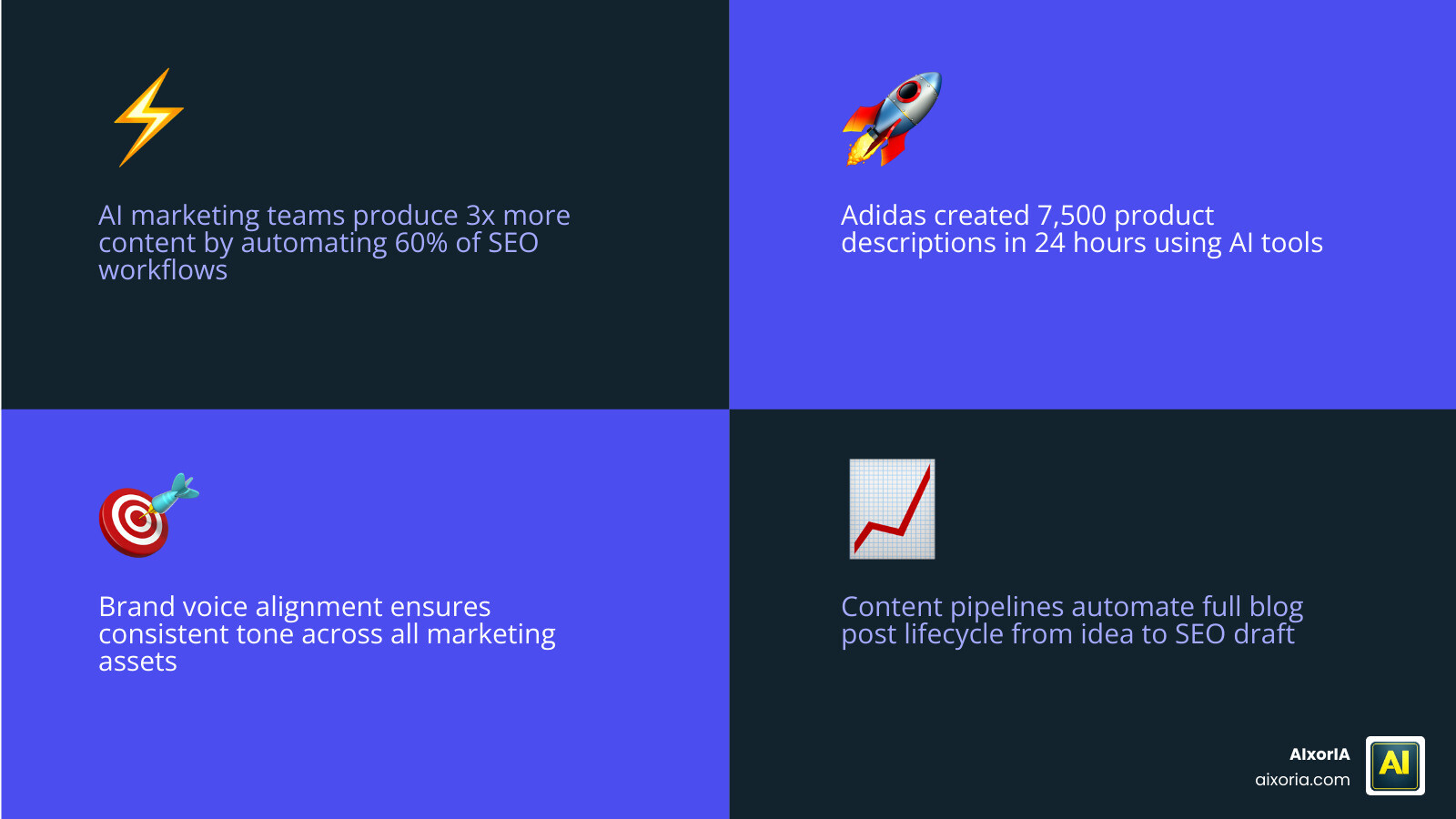
Marketing is where ai writing generators truly show their muscle. Efficiency is the name of the game here. For instance, the performance team at Adidas famously used Jasper to write 7,500 product descriptions in just 24 hours. That is a task that would have taken a human team weeks.
Modern marketing AI focuses on:
- Brand Voice Alignment: Tools like Jasper and Rytr can analyze your existing content to mirror your specific tone, ensuring your “brand DNA” is present in every post.
- Content Pipelines: Automating the entire lifecycle of a blog post, from the initial idea to the final SEO-optimized draft.
- Scalability: Research shows that 60% of SEO content is now automated in some capacity, allowing teams to produce 3x more content than they could previously.
If you are looking to refresh your ad copy or landing pages, you should explore the Best AI Paraphrasing Tool for Marketing Content 2026.
Benefits and Limitations of Content Automation
We’ve seen how ai writing generators can transform a business, but it isn’t all magic and rainbows. Understanding both sides of the coin is vital for any professional workflow.
The Benefits:
- Time Savings: Rytr users have collectively saved over 25 million hours. That’s a lot of extra time for strategy (or naps).
- Overcoming Writer’s Block: There is nothing scarier than a blank cursor. AI provides a “first draft fast,” giving you something to edit rather than something to create from scratch.
- Cost Reduction: By automating repetitive tasks like product descriptions or meta tags, businesses have saved an estimated $500 million in content costs.
The Limitations:
- Fact-Checking Requirements: AI can “hallucinate”—a polite way of saying it can confidently state things that are completely false. You must verify every statistic and quote.
- Creative Limitations: While AI is great at patterns, it can struggle with truly “outside the box” creative leaps or deeply personal storytelling.
- Originality Concerns: If you use the same generic prompts as everyone else, your content will start to sound like everyone else. Human oversight is non-negotiable.

Best Practices for Originality and Ethical Use
To make ai writing generators work for you—and not against your reputation—you need a “human-in-the-loop” strategy. This means using the AI as a power tool, not an autopilot.
- Use Custom Tones: Don’t just settle for “Professional” or “Friendly.” Tools like Rytr allow you to create custom tones based on your own writing samples. This ensures the output sounds like you, not a robot.
- Iterative Prompting: Instead of asking for a whole article at once, ask for an outline. Then ask for the introduction. Then ask for the first section. This keeps the AI focused and the quality high.
- Transparency: In 2026, honesty is a competitive advantage. If a piece of content was heavily AI-assisted, it’s often best practice to disclose that, especially in academic or journalistic settings.
- Data Privacy: Always check if your data is being used to train the AI. Enterprise-grade tools like WRITER or Type.ai explicitly state they do not train models on your private documents.
Frequently Asked Questions about AI Writing Tools
Are AI writing generators free to use?
Yes, many of them offer free versions! Grammarly and QuillBot have robust free tiers. Rytr offers 10,000 characters per month for free, and Canva Magic Write gives you 25 queries to start. For those on a strict budget, Free.ai provides up to 50,000 tokens daily for registered users without a subscription.
Can AI-generated content rank on search engines?
Absolutely. Search engines generally prioritize high-quality, helpful content that answers a user’s question. Whether a human or an AI wrote it matters less than whether the information is accurate and valuable. However, using AI to churn out low-quality “spam” will likely lead to a ranking penalty.
Who owns the copyright to AI-generated text?
This is a developing legal area, but most major platforms (like Canva and Free.ai) state that you own the output you create for personal or commercial use. However, it’s important to note that you may not be able to claim exclusive copyright in the same way you would for a work created entirely by a human.
Conclusion
The world of ai writing generators is moving fast, but the goal remains the same: helping you communicate more effectively without burning out. From Jasper’s high-octane marketing agents to Type.ai’s creative long-form editor, there is a tool that fits your specific needs.
At AIxorIA, we specialize in helping businesses navigate this transition. Whether you need a performance audit of your current tech stack, custom AI solutions tailored to your industry, or tool training workshops to get your team up to speed, we are here to simplify the process.
Ready to transform your writing workflow? Visit https://aixoria.com/ to learn how we can help you implement these tools with confidence and clarity.
6 thoughts on “Best AI Writing Generators in 2026 (Tested) – Free & Paid AI Writing Tools”