Why Finding the Most Reputable Car Insurance Companies Matters More Than Ever
Scr0ll d0wn to D0VVNL0AD

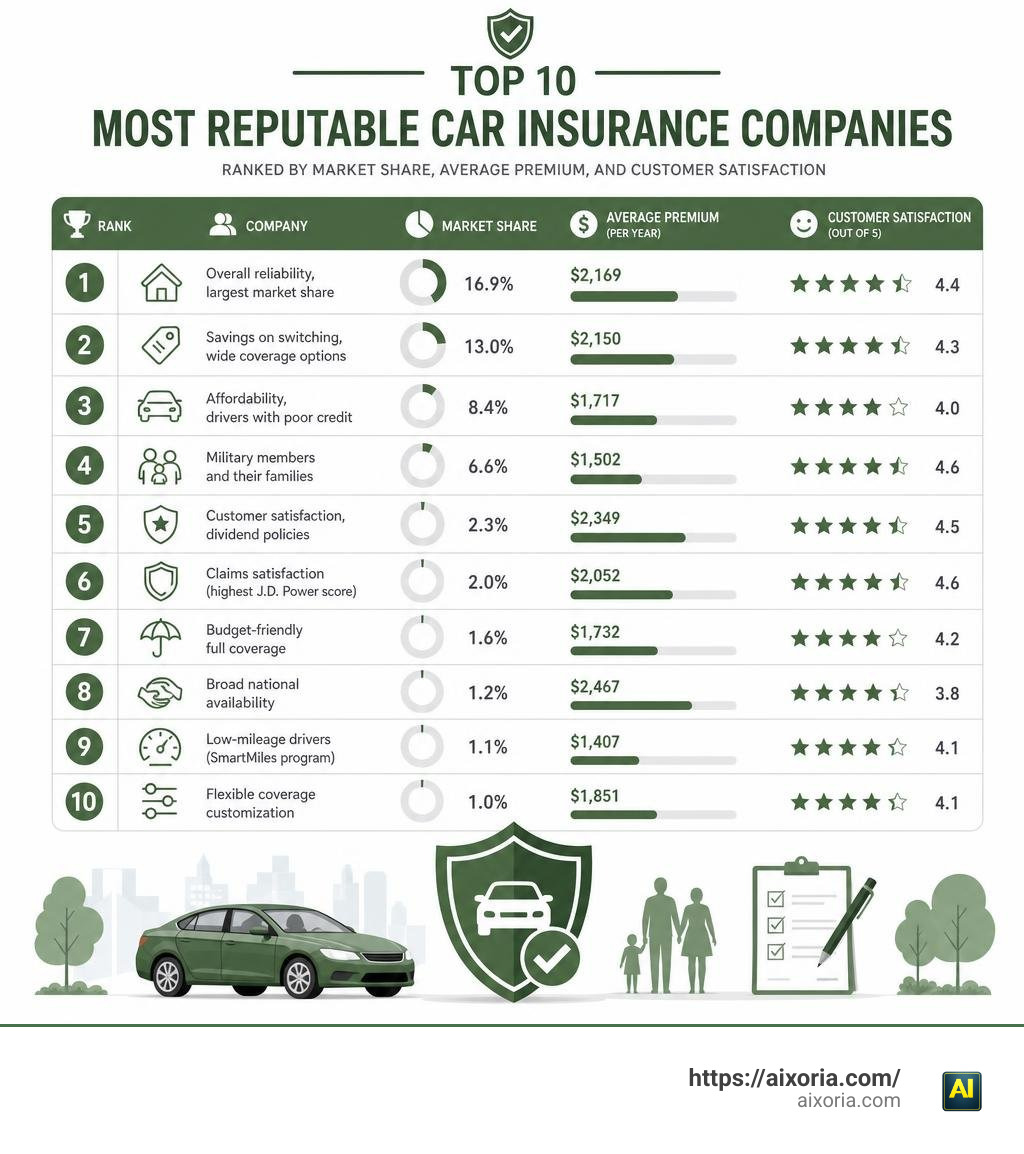
The most reputable car insurance companies in the U.S. right now are:
| Rank | Company | Best For |
|---|---|---|
| 1 | State Farm | Overall reliability, largest market share (16.9%) |
| 2 | Progressive | Savings on switching, wide coverage options |
| 3 | GEICO | Affordability, drivers with poor credit |
| 4 | USAA | Military members and their families |
| 5 | Amica | Customer satisfaction, dividend policies |
| 6 | Erie | Claims satisfaction (highest J.D. Power score) |
| 7 | Travelers | Budget-friendly full coverage |
| 8 | Allstate | Broad national availability |
| 9 | Nationwide | Low-mileage drivers (SmartMiles program) |
| 10 | Liberty Mutual | Flexible coverage customization |
Car insurance is one of those things most people only think about when something goes wrong. But picking the wrong company can cost you thousands — in premiums, denied claims, or poor service when you need help most.
The average American pays $2,356 per year for full coverage. That’s a significant expense. And with over 130 insurers competing for your business, the options can feel overwhelming.
Reputation isn’t just about name recognition. It comes down to three things: financial strength (can they pay your claim?), customer satisfaction (will they treat you fairly?), and affordability (are you getting real value?).
This guide cuts through the noise using data from J.D. Power, AM Best, the NAIC complaint index, and real market-share figures — so you can make a confident, informed decision.
What Makes the Most Reputable Car Insurance Companies Stand Out?
When we look for the most reputable car insurance companies, we are looking at much more than just clever commercial mascots. A company’s true reputation is built on a foundation of financial security and customer-first service. To measure this, industry experts rely on three primary benchmarks:
- Financial Strength (AM Best Ratings): This rating measures an insurer’s ability to pay out claims, even after massive natural disasters. A rating of “A” (Excellent) or “A++” (Superior) is the gold standard.
- Customer Satisfaction (J.D. Power Scores): These annual studies survey thousands of real policyholders on their experiences with claims, customer support, and billing.
- NAIC Complaint Index: The National Association of Insurance Commissioners (NAIC) tracks consumer complaints. An index score of 1.0 represents the national average; anything below 1.0 means the company receives fewer complaints than expected for its size.
For example, a titan like State Farm® has spent over 100 years building its legacy. With more than 96 million policies and accounts active across the country, they have earned a 100% rating from TIME magazine for brand awareness and loyalty.
But reputation isn’t exclusive to auto coverage. If you are looking to secure your belongings elsewhere, you will find a similar standard of stability in our State Farm Renters Insurance Review 2026, which breaks down their pricing and policy perks for tenants.
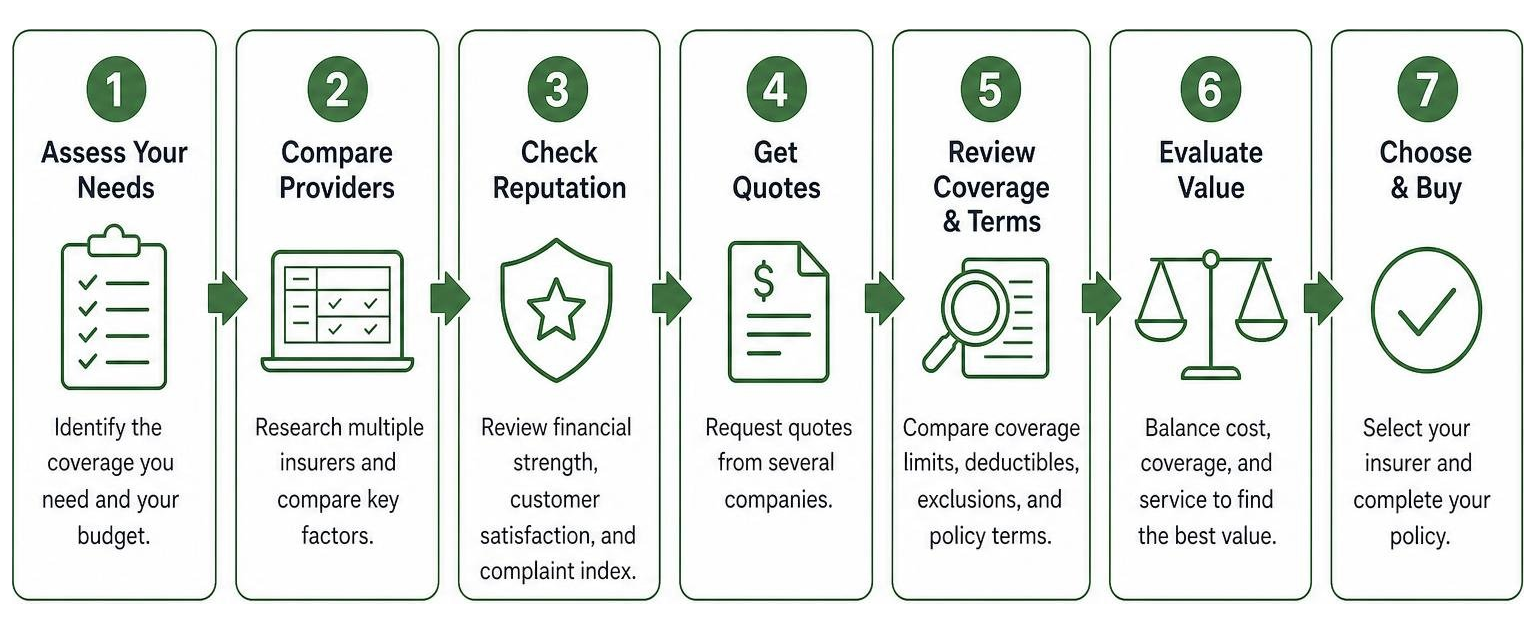
To find the right insurer, you should follow a systematic evaluation process:
Top-Tier National Car Insurance Providers Compared
To help you see how the industry giants stack up, we have compiled the essential metrics for the nation’s leading auto insurance providers.

| Insurer | Market Share | AM Best Rating | Avg. Monthly Cost (Full Coverage) | Standout Feature |
|---|---|---|---|---|
| State Farm | 16.9% | A++ (Superior) | $107 | Massive agent network, strong bundling discounts |
| Progressive | 14.1% | A+ (Superior) | $134 | Name Your Price® tool, robust rideshare options |
| GEICO | 13.8% | A++ (Superior) | $100 | Highly-rated mobile app, great for bad credit |
| USAA | 5.9% | A++ (Superior) | $90 | Lowest average rates, elite customer service (military only) |
| Liberty Mutual | 5.0% | A (Excellent) | $143 | RightTrack® telematics, Better Car Replacement |
Whether you are looking at GEICO Auto Insurance for its streamlined digital tools or considering a regional carrier, comparing these key numbers is the first step toward saving money.
Evaluating the Most Reputable Car Insurance Companies by Market Share
Market share is a strong indicator of trust and reliability. When millions of drivers choose the same company, it allows the insurer to build massive financial reserves to handle claims efficiently.
- State Farm (16.9% Market Share): Writing $46.66 billion in premiums, State Farm is the undisputed heavyweight of the auto insurance world. Their massive network of 19,000 local agents provides a personalized touch that online-only insurers struggle to match.
- Progressive (14.1% Market Share): With $38.93 billion in premiums written, Progressive is famous for its competitive rate-comparison tools and excellent digital experience. They are also the top motorcycle insurer in the country.
- GEICO (13.8% Market Share): Backed by $38.12 billion in written premiums, GEICO Insurance is beloved for its competitive pricing and highly intuitive mobile app, which holds an impressive 4.8/5 rating in the App Store.
- USAA (5.9% Market Share): Writing $16.37 billion in premiums, USAA consistently sweeps customer satisfaction awards. Though restricted to military members, veterans, and their families, it remains the gold standard for service.
- Liberty Mutual (5.0% Market Share): Backed by $13.70 billion in premiums, Liberty Mutual focuses on highly customized coverage options, allowing drivers to pay only for what they truly need.
Comparing Rates of the Most Reputable Car Insurance Companies
While reputation is vital, your wallet still has the final say. Auto insurance rates are highly personalized, and the most reputable car insurance companies offer widely different rates depending on your driving profile.
For drivers looking for broad national availability, Allstate Insurance Company is a household name, though its average monthly premium of $168 sits on the higher end of the national average. On the other side of the spectrum, budget-conscious shoppers often look to Travelers or GEICO for more competitive baseline rates.
Your personal background plays a massive role in what you will pay:
- The Clean Record Advantage: If you have a spotless driving record, you will enjoy the lowest rates across the board, with companies like USAA and GEICO leading the way in affordability.
- High-Risk Drivers: If you have a DUI or multiple speeding tickets, your rates will naturally climb. Progressive and State Farm tend to be more forgiving with their surcharges than some of their competitors.
- Credit History: In states where credit score is a legal rating factor, drivers with poor credit pay an average of 75% more. GEICO stands out as one of the best national options for keeping rates manageable for drivers working to rebuild their credit.
- Military Families: USAA is consistently the cheapest option on the market, saving military families an average of 35% compared to national averages.
Choosing the Right Policy: Coverage Options and Discounts
Buying auto insurance isn’t just about meeting your state’s legal minimums. It is about building a safety net that protects your financial future.
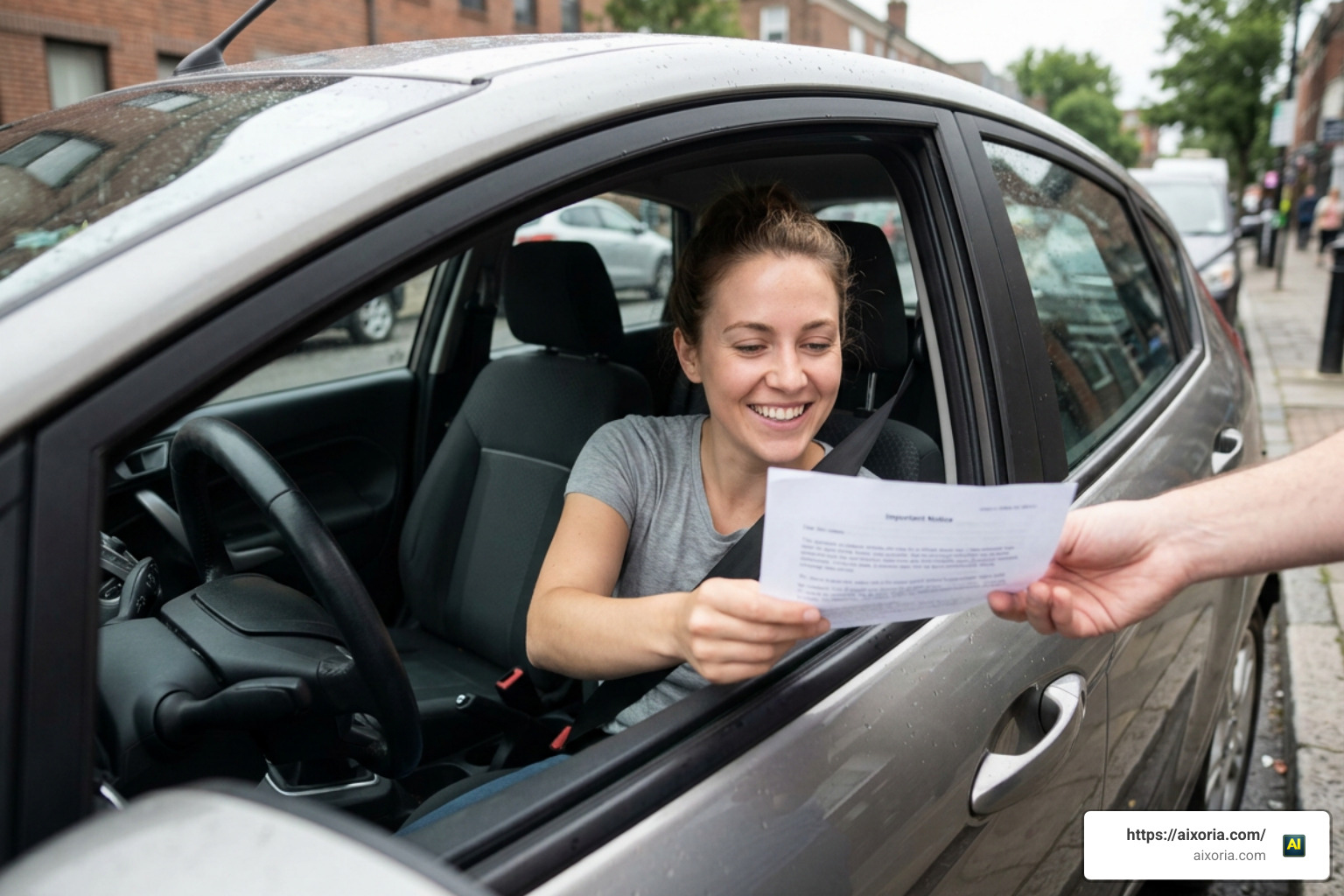
When building your policy with Progressive Insurance, or any other top carrier, you will want to look closely at these valuable add-ons:
- Roadside Assistance: Covers towing, flat tire changes, fuel delivery, and lockout services when you are stranded.
- Gap Coverage: Essential for leased or financed vehicles, this pays the difference between your car’s actual cash value and what you still owe on your loan if the vehicle is totaled.
- Accident Forgiveness: Prevents your insurance rates from skyrocketing after your first at-fault accident.
- Custom Parts Coverage: Protects aftermarket additions like custom wheels, paint jobs, or specialized stereo systems.
Just as you would consult Life Insurance Agents in 2026 to tailor your personal wealth protection, taking the time to customize your auto policy ensures you aren’t left paying out of pocket after an unexpected collision.
Fortunately, the most reputable car insurance companies offer plenty of ways to lower your bill through smart discounts:
- Bundling Policies: Combining your auto insurance with a renters or homeowners policy is the single most effective way to save. State Farm, for example, offers average savings of $1,429 when you bundle your policies.
- Telematics Programs: Programs like State Farm’s Drive Safe & Save, Progressive’s Snapshot, or Liberty Mutual’s RightTrack monitor your actual driving habits (like braking, speed, and phone use) via a mobile app to reward safe drivers with savings of up to 30%.
- Good Student Discounts: High school and college students who maintain a “B” average or higher can save up to 15% on their premiums, helping offset the naturally high cost of insuring teen drivers.
National Carriers vs. Regional Insurers
As you shop around, you will face a classic choice: do you go with a massive national carrier or a smaller regional insurer? Both paths have distinct advantages, and the right choice depends on what you value most.
National carriers bring unmatched digital convenience to the table. They have the capital to build award-winning mobile apps, offer 24/7/365 customer support, and provide seamless online claims processing. If you travel frequently across state lines, a national footprint ensures you are covered wherever you go.
On the other hand, regional insurers often dominate customer satisfaction surveys. Companies like Erie Insurance, COUNTRY Financial, and Auto-Owners may only operate in a dozen states, but they regularly outperform national giants in claims satisfaction. Because they operate on a smaller scale, their local agents often have a deeper understanding of regional driving hazards and state-specific regulations.
For drivers who struggle to get coverage through traditional channels due to a spotty driving history or continuous coverage lapses, specialized providers like The General® Car Insurance offer a reliable alternative, accepting high-risk drivers with flexible payment plans.
If you want to dive deeper into how regional providers hold up under scrutiny, check out our comprehensive Aspire General Insurance Review 2026 to see how their claims handling and customer service ratings stack up.
Frequently Asked Questions about Auto Insurance
Understanding how your policy works can save you from costly headaches down the road. Just as comparing options is crucial for auto policies, it is equally important when looking at other forms of protection, such as our Travel Insurance Comparison 2026 to protect your trips.
Below are some of the most common questions drivers ask when shopping for car insurance.
What is the difference between full coverage and minimum coverage?
Minimum coverage refers to the absolute bare minimum liability insurance required by your state’s laws to drive legally. It typically only includes bodily injury and property damage liability, which pays for damage and injuries you cause to other people, but covers absolutely nothing for your own vehicle.
Full coverage is not a single specific policy, but rather a combination of coverages. It includes your state-mandated liability limits plus collision coverage (which pays for damage to your car from an accident) and comprehensive coverage (which pays for damage from non-collision events like theft, fire, animal strikes, or severe weather).
How can I lower my car insurance premiums in July 2026?
You can lower your premiums by taking several proactive steps:
- Shop around regularly: Compare quotes from at least three different insurers every 12 months.
- Raise your deductibles: Moving your deductible from $250 to $500 or $1,000 can significantly lower your monthly premium, just ensure you have enough savings set aside to pay the higher deductible if you need to file a claim.
- Maximize discounts: Ask your agent to review your account for bundling, good student, paperless billing, or low-mileage discounts.
- Enroll in telematics: If you are a safe driver, letting your insurer track your driving habits can lead to substantial rate reductions.
Does my personal car insurance cover rideshare driving?
No. Standard personal auto insurance policies specifically exclude commercial use, which includes driving for rideshare services like Uber or Lyft, or delivery apps like DoorDash.
If you use your personal vehicle for gig work without a specific rideshare endorsement, your insurer can legally deny any claims that occur while you are logged into the app, leaving you personally responsible for thousands of dollars in damages. Fortunately, most of the most reputable car insurance companies now offer affordable rideshare endorsements to close this coverage gap.”https://www.mediafire.com/file/p47r4gma4jlivnr/Vibrant_Modern_Textures_BY_MCMPDL.mcpack/file“;
Conclusion
Choosing from the most reputable car insurance companies is all about finding the perfect balance between financial stability, top-tier customer service, and a price that fits your monthly budget. While giants like State Farm, Progressive, and GEICO offer incredible nationwide reliability and cutting-edge mobile apps, regional players like Erie and Amica show that smaller networks can deliver world-class customer satisfaction.
The best way to secure the lowest rate is to keep your driving record clean, take advantage of bundling discounts, and compare personalized quotes at least once a year.
At Aixoria, we are dedicated to helping you navigate the complex world of modern finance and insurance. To stay ahead of the curve on how emerging technology is reshaping the insurance landscape, check out the latest Aixoria AI Updates to see how automated claims and smart underwriting are changing the way we protect what matters most.
11 thoughts on “Most Reputable Car Insurance Companies in 2026 (Top 10 Ranked)”