Why Finding the Best Homeowners Car Insurance Bundle Can Save You Hundreds

Finding the best homeowners car insurance bundle could be one of the simplest ways to cut your annual insurance bill – often by hundreds of dollars without changing your coverage at all.
The strongest home and auto bundle options in 2026 usually share a few common traits:
| Bundle Feature | What to Look For | Why It Matters |
|---|---|---|
| High multi-policy discount | Double-digit savings on one or both policies | Helps reduce the total annual premium |
| Competitive base rates | Affordable pricing before the discount is applied | Prevents an overpriced bundle from looking cheaper than it is |
| Strong home and auto coverage | Solid limits, deductible options, and endorsements | Keeps savings from coming at the expense of protection |
| Easy policy management | One account, one app, or consolidated billing | Makes renewals, claims, and payments simpler |
| Good claims support | Clear claims process for both home and auto losses | Especially useful when one event damages both your house and car |
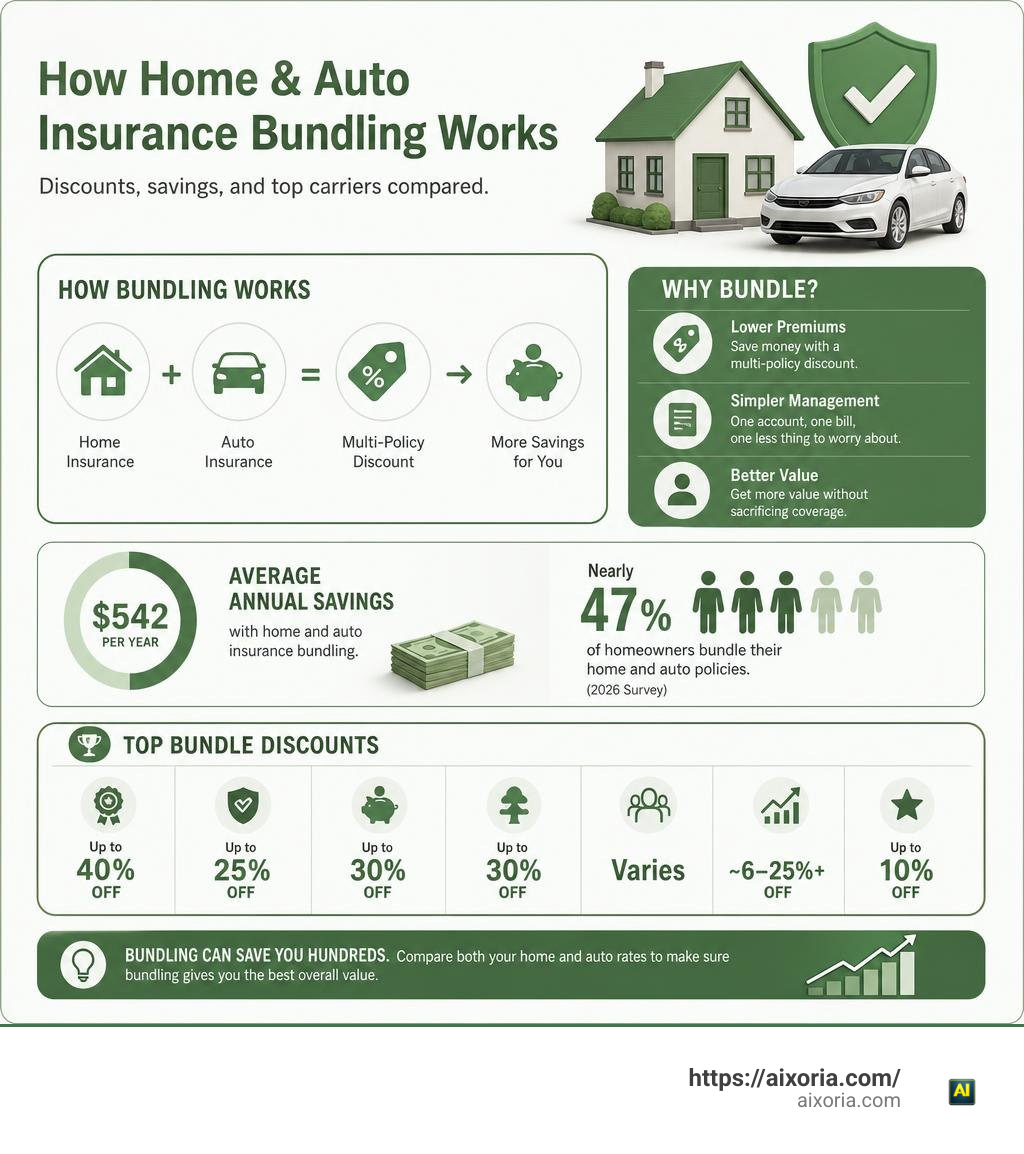
Nearly half of all American homeowners (47%) already bundle their home and auto policies, according to a 2026 industry survey (for more on insurance statistics, see the Insurance Information Institute). And it’s easy to see why – the average savings sits around $542 per year, with some households saving well over $1,000.
But bundling isn’t always the right move. The discount only helps if the carrier is competitively priced on both policies. Sometimes buying separate policies from two different companies actually costs less.
This guide breaks down how the best bundles work, how much you can realistically save, and when it makes sense to skip the bundle entirely.
What Is a Home and Auto Insurance Bundle and How Does It Work?
At its core, a home and auto insurance bundle (often called a multi-policy or multiline discount by insurance insiders) is simply buying your homeowners insurance and your car insurance from the same company.
Because insurance companies want as much of your business as possible, they offer a carrot: a discount on one or both of your premiums. This is a win-win. The insurance company secures a loyal customer who is statistically less likely to shop around, and you get a lighter bill.
Beyond the raw financial savings, bundling dramatically simplifies your financial life. Instead of juggling multiple online accounts, distinct mobile apps, and separate billing cycles, you centralize your policy management.
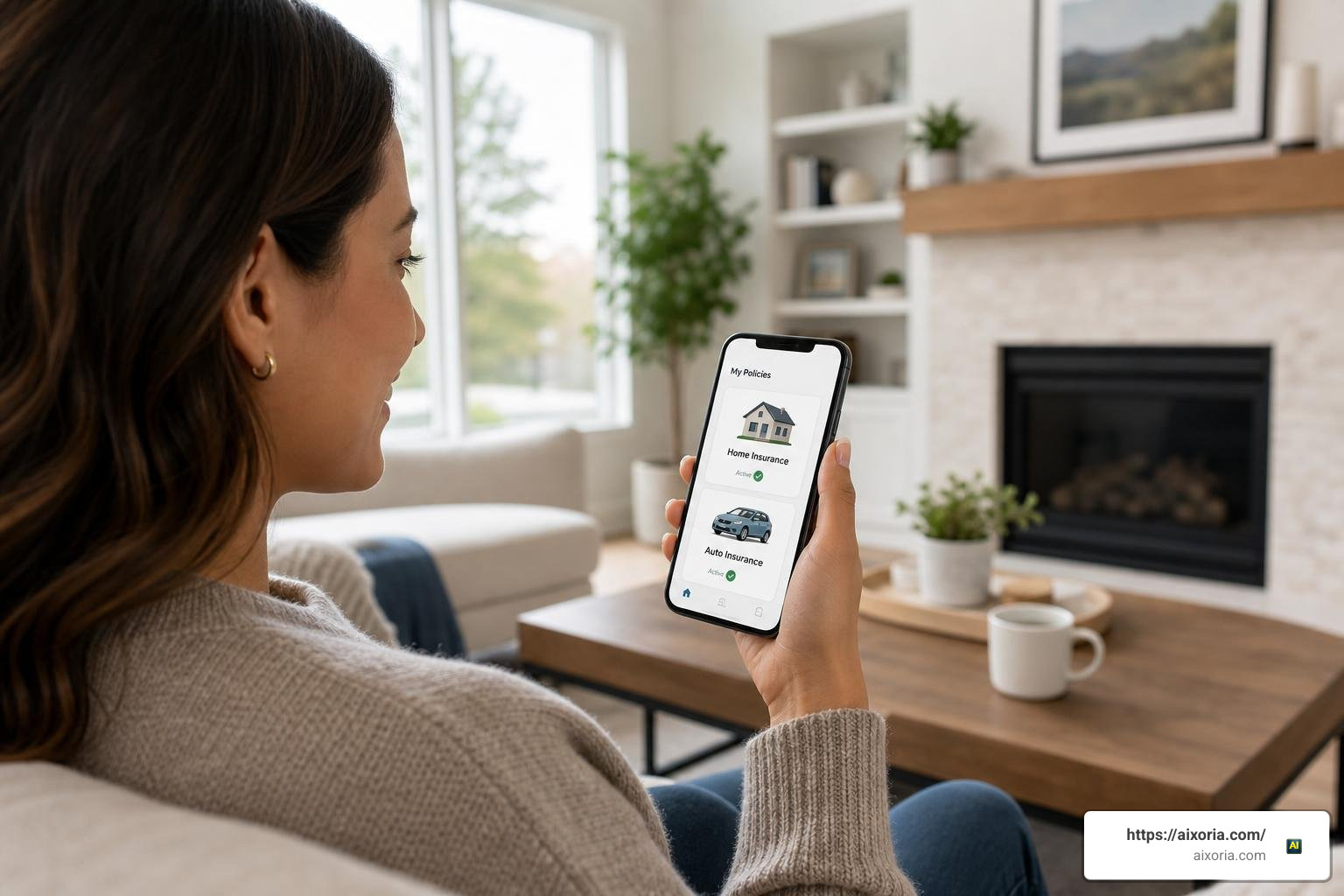
Many major carriers allow you to view your digital auto ID cards, pay your homeowners insurance premium, and track open claims through a single dashboard.
Multi-Policy Bundle vs. Multi-Car Discount
It is common to confuse a multi-policy bundle with a multi-car discount, but they are entirely different animals.
- Multi-Policy Bundle: Combining two different types of insurance (like home and auto) under one carrier.
- Multi-Car Discount: Insuring two or more vehicles under the same auto policy. To qualify, these vehicles must typically be owned by related individuals living in the same household.
The best part? You do not have to choose between them. In most cases, these discounts are stackable. If you insure two household vehicles and bundle your homeowners insurance with the same carrier, you can stack the multi-car discount with the multi-policy discount. This double-whammy can significantly reduce your auto premium with highly rated carriers. To see how auto insurers compare on reputation and coverage before bundling, check out our list of the Most Reputable Car Insurance Companies In 2026 Top 10 Ranked.
Bundling Other Policies with Auto Insurance
What if you do not own a traditional single-family home? You are not left out in the cold. Most national insurance companies offer bundling discounts for a wide variety of secondary products. You can frequently bundle your auto insurance with:
- Renters Insurance: A highly affordable way to protect your personal belongings. Bundling renters with auto can reduce the overall cost of coverage, and we have mapped out exactly How To Get The Cheapest Renters Insurance. You can also dive deep into a specific renters coverage option with our renters insurance carrier review.
- Condo Insurance: If you own a condominium, bundling your specialized HO-6 policy with your car insurance is an excellent way to save. Discover the best options in our guide to the Highest Ranked Condo Homeowners Insurance.
- Life Insurance: Adding a term or permanent life insurance policy to your auto insurance portfolio is another common way carriers help you unlock multi-policy savings.
- Specialty Vehicles: Many carriers allow you to tie in boat, motorcycle, or RV insurance to maximize your cumulative discount.
Pros and Cons of the Best Homeowners Car Insurance Bundle
While saving money is the primary driver, bundling is not a perfect financial strategy for everyone. Let’s look at the clear advantages and potential pitfalls of choosing the best homeowners car insurance bundle.
The Pros:
- Centralized Convenience: One login, one mobile app, and often one consolidated monthly bill.
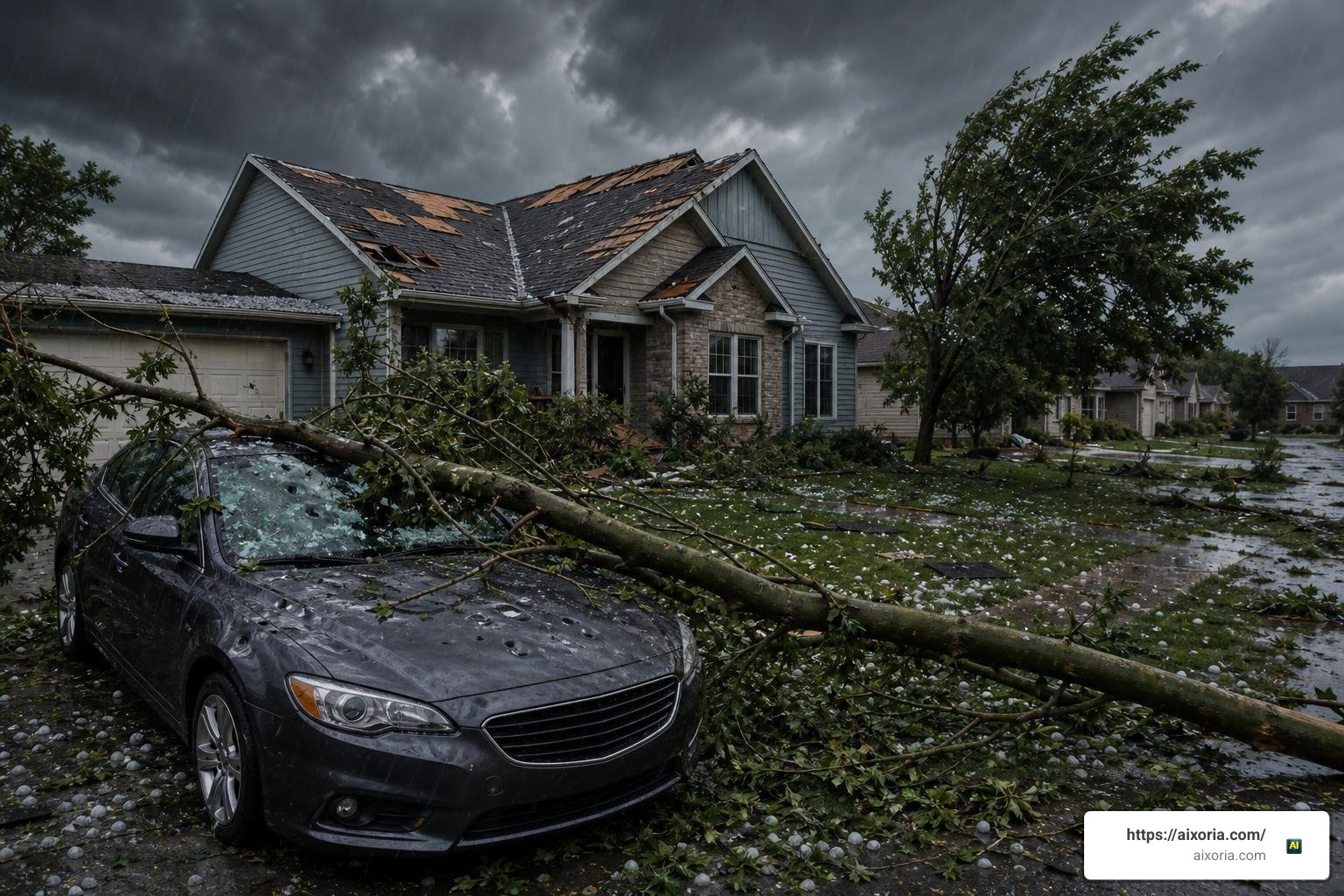
- The Single Deductible Benefit: This is a massive, often overlooked perk. If a single catastrophic event – like a severe hailstorm or a falling tree – damages both your house and your car parked in the driveway, some top-tier carriers offer a “common loss deductible.” This means you only have to pay a single deductible rather than separate deductibles for your home and car policies.
- Coverage Safeguards: Holding multiple policies with a single carrier makes you a high-value customer. If you have a minor at-fault accident or file a small home claim, a carrier is statistically less likely to drop your coverage or aggressively hike your rates if you have bundled your entire insurance portfolio with them.
The Cons:
- The “Set It and Forget It” Loyalty Tax: Because bundling is so convenient, many policyholders stop shopping around. Over three to five years, carriers may slowly increase premiums (a practice sometimes referred to as “price walking”). Without a regular comparison, you might end up paying more than you would by mixing and matching.
- The Partner Carrier Illusion: Some major auto insurers do not actually write homeowners insurance policies themselves. Instead, they partner with third-party home insurance companies to offer you a “bundle.” While you still get a discount on your auto policy, you may find yourself dealing with two entirely different companies, different claims departments, and separate online portals.
- High-Risk Exclusions: If you live in an area prone to severe natural disasters (like coastal Florida or wildfire-prone regions of California), national carriers may refuse to write your home insurance policy, making a standard private bundle impossible.
How Much Can You Save by Bundling Home and Auto Insurance?
The financial savings of bundling are highly tangible. According to industry analysis of national carriers, bundling home and auto insurance saves drivers an average of $542 per year.
However, the savings vary widely depending on the carrier you choose, your location, your claims history, and the coverage limits you select. To give you a clear picture of what this looks like across the industry, we have compiled common discount ranges and savings patterns for home and auto bundles:
| Bundle Type | Typical Discount Pattern | What It Means for Your Annual Savings |
|---|---|---|
| High-discount bundle | Large percentage discount on one or both policies | Can produce the biggest savings when base rates are also competitive |
| Moderate-discount bundle | Midrange multi-policy discount | Often useful for households that value both savings and convenience |
| Low-discount bundle | Smaller percentage discount | May still be worth considering if the carrier already has low base rates |
| New-customer bundle | Promotional or introductory savings for switching and bundling | Can look attractive upfront, but renewal pricing should be reviewed carefully |
| Dividend or loyalty-style bundle | Savings may depend on policy type, renewal history, or eligibility | Best evaluated by comparing the total annual premium, not just the advertised discount |
As you can see, the advertised discount percentage is only one part of the story. A smaller discount from a carrier with competitive base rates can beat a larger discount from a carrier that starts with higher premiums.
Evaluating the Best Homeowners Car Insurance Bundle Rates by State
Your geographic location is the single most powerful driver of your insurance premiums. Because different states face different environmental and litigation risks, bundle pricing is highly regionalized.
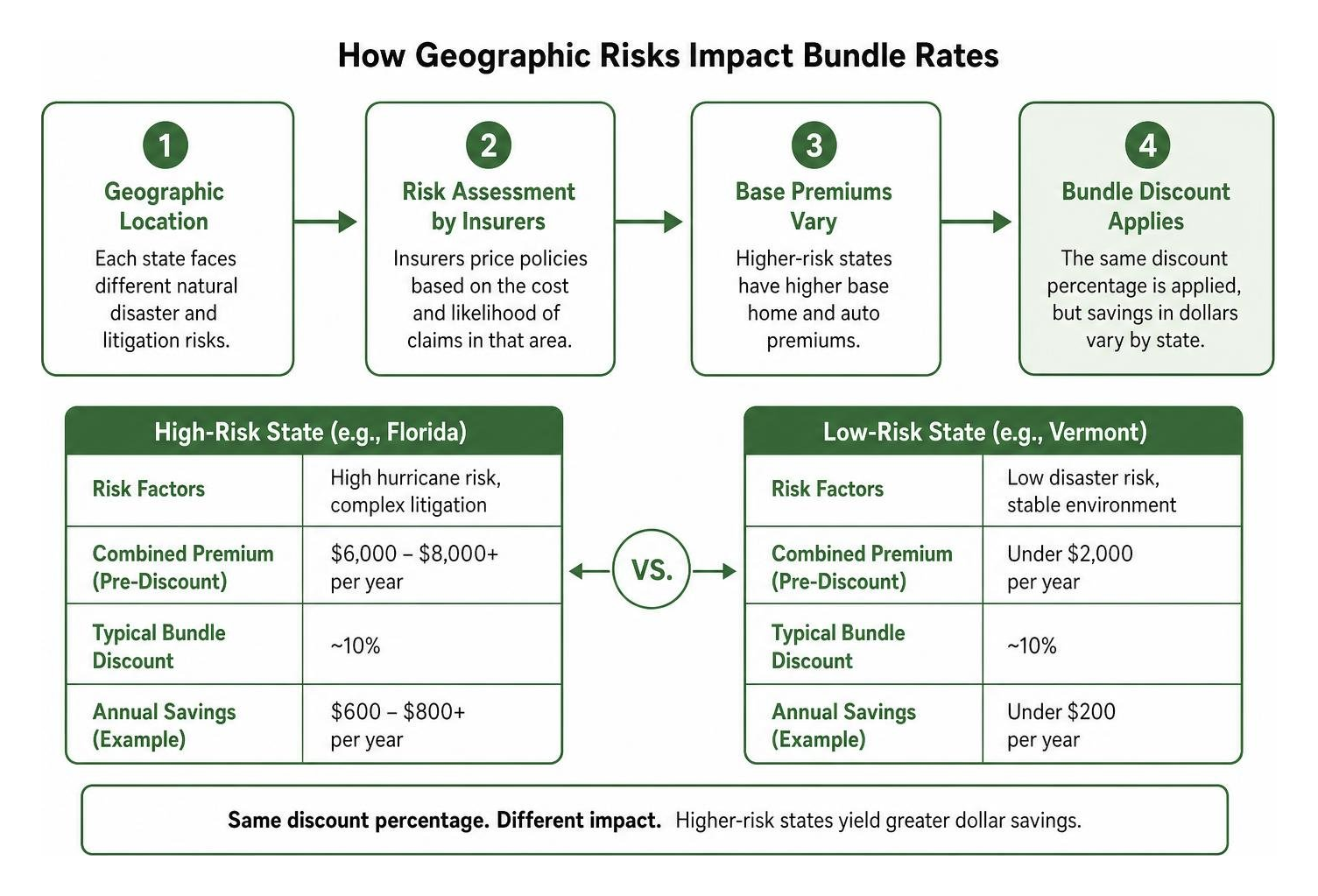
- High-Cost States (e.g., Florida, Texas, Louisiana): In Florida, severe hurricane risk and a complex litigation environment drive average homeowners premiums sky-high. The combined, pre-discount cost of home and auto insurance in Florida can easily exceed $6,000 to $8,000 per year. Even though a 10% bundle discount in Florida sounds small, 10% of an $8,000 premium yields a massive $800 in annual savings.
- Low-Cost States (e.g., Vermont, Wisconsin, Ohio): In states with relatively low natural disaster risks, combined premiums are much lower. For example, a household in Vermont might pay under $2,000 per year for both policies combined. While the percentage discount might be identical to Florida’s, the absolute dollar savings will be much smaller.
Local market conditions can also change which bundle is cheapest. In one state, a large national carrier may have the lowest combined price; in another, a regional home insurance specialist may beat larger companies even after bundle discounts are applied. That is why state-specific quote comparison is essential before choosing the best homeowners car insurance bundle.
Is It Always Cheaper to Bundle, or Are Separate Policies Better?
Here is the industry’s dirty little secret: Bundling is not always the cheapest option.
Insurance companies use bundle discounts as a marketing tool, but you must look at the total cost of the policies, not just the discount percentage. A 25% discount on an overpriced base policy is often more expensive than buying two separate, highly competitive policies.
When Bundling Fails: The Mix-and-Match Scenario
Imagine you have a highly competitive auto insurance quote from Carrier A for $1,000/year, but their homeowners insurance quote is $2,000/year. Your total unbundled cost with Carrier A would be $3,000. If you bundle with them, they offer a 15% discount, bringing your total to $2,550.
Now, let’s say Carrier B (a low-cost auto specialist) offers you a car insurance policy for $800/year. Meanwhile, Carrier C (a regional home insurance specialist) offers you a home insurance policy for $1,400/year. By mixing and matching these separate policies, your total cost is $2,200.
Even though you receive zero bundling discounts by using separate companies, you save $350 per year compared to Carrier A’s “discounted” bundle.
This happens because some companies specialize in auto and struggle to price homes competitively (or vice versa). To find carriers that consistently offer low baseline rates, check out our guide to the Top 5 Affordable Auto Insurance Companies. To compare individual rates easily, you can also utilize an Insurance Car Quotes Online Comparison.
How to Find the Best Homeowners Car Insurance Bundle for Your Needs
To ensure you are actually getting the best deal, we recommend performing a quick “bundle audit” every two years. Here is our step-by-step framework:
- Pull Your Current Declarations Pages: Write down your exact coverage limits (e.g., $100k/$300k liability for auto, $300k dwelling coverage for home) and your current deductibles.
- Shop Standalone Quotes: Use the Best Homeowners Insurance Comparison Sites to find the absolute cheapest standalone homeowners policy. Then, get a standalone auto quote from a low-cost carrier.
- Shop Bundled Quotes: Request bundled quotes from at least three major national carriers using those exact same coverage limits and deductibles.
- Compare the Math: Add the cheapest standalone home quote to the cheapest standalone auto quote. If that total is lower than the best bundled quote, skip the bundle!
Frequently Asked Questions about Home and Auto Bundles
What happens to my discount if I cancel one of my bundled policies?
If you cancel one of your policies mid-term (for example, if you sell your home or switch your car insurance to another carrier), the insurance company will retroactively remove the multi-policy discount from your remaining active policy. This will cause your remaining premium to increase, sometimes significantly. Always calculate this potential rate hike before canceling half of a bundle.
Can I bundle short-term rental insurance with my car insurance?
Yes, but it depends heavily on the carrier. Standard homeowners insurance does not cover commercial short-term renting (like Airbnb or Vrbo). You will need specialized coverage. Some insurers allow you to add a short-term rental endorsement to your primary home policy and still qualify for the auto bundle discount. To understand how this works, read our guide on Homeowners Short Term Rental Insurance.
Is a bundle discount the same in every state?
No. Because insurance is regulated at the state level, insurance companies must file their rate plans and discount structures with each state’s insurance commissioner. A carrier that offers a 25% bundle discount in Kentucky might only offer a 15% discount in Washington due to local regulatory frameworks and risk profiles.
Conclusion
Finding the best homeowners car insurance bundle is a fantastic way to simplify your bills and keep more money in your pocket. However, as smart shoppers, we must never let the convenience of a single monthly bill blind us to the actual math.
Always compare bundled quotes against standalone “mix-and-match” options, review your policies annually, and never pay a “loyalty tax” to a carrier that slowly raises your rates.
To make sure you are always ahead of the curve on saving money and protecting your assets, Stay updated with the latest industry trends at Aixoria AI Updates.
4 thoughts on “Best Homeowners Car Insurance Bundle in 2026: Save More on Home & Auto”