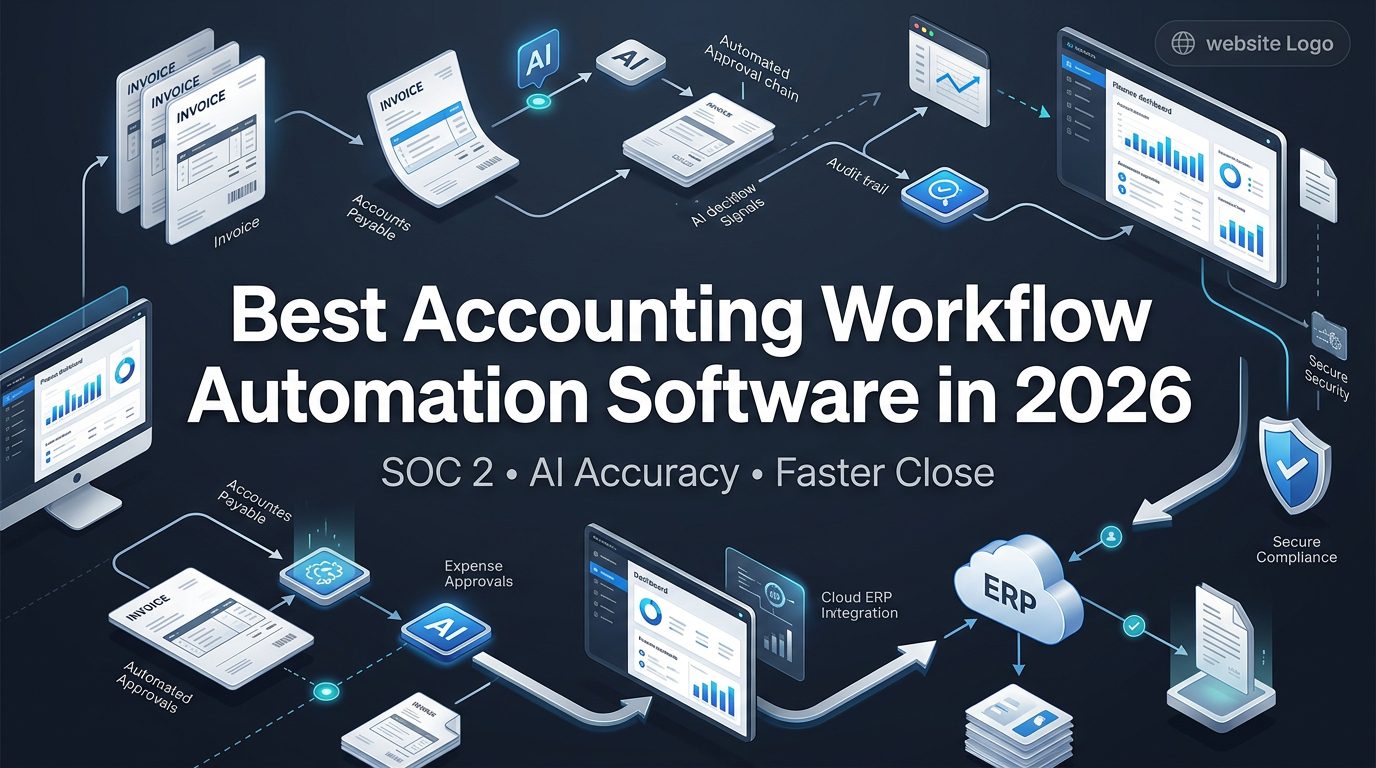
Modern accounting teams are no longer struggling with whether to automate—they are struggling with how to do it without losing control. In 2026, automation is powerful, but blind automation is risky. Finance leaders in the US now prioritize three things: speed, audit-readiness, and human oversight.
The right accounting workflow automation software doesn’t just process invoices or approvals. It creates structured, compliant, and intelligent systems where AI handles volume, and humans handle exceptions.
This guide is built with a practical lens: which tools actually reduce close time, improve audit readiness (SOC 2, SOX), and integrate with real-world finance stacks like QuickBooks, NetSuite, Sage Intacct, and Microsoft Dynamics 365.
Table of Contents
What Defines the Best Accounting Workflow Automation Software in 2026?
The market has shifted. Basic automation is no longer enough. The best platforms now combine:
AI with Human-in-the-Loop Control
Automation handles repetitive work, but critical decisions—like flagged invoices or anomalies—still require human validation. The best tools allow structured intervention without breaking workflows.
Audit-Ready Compliance
SOC 2 Type II, SOX, and GDPR compliance are no longer optional. Tools must provide audit trails, approval logs, and automated reporting.
Deep ERP Integrations
Top tools integrate natively with:
- QuickBooks
- NetSuite
- Sage Intacct
- Microsoft Dynamics 365
- Oracle
AI Accuracy and Learning
Modern platforms use machine learning to:
- Auto-code invoices
- Detect anomalies
- Predict errors
- Suggest workflow improvements
READ MORE – 9 Best Finance Automation Software Tools
Accounting Workflow Automation Software Comparison Table (Deep Analysis)
| Tool | Best For | Primary Integration | AI Highlight | Human Review | Pricing |
|---|---|---|---|---|---|
| Tipalti | Global AP | NetSuite, Oracle | AI invoice capture | Strong controls | Custom |
| Bill.com | SMBs | QuickBooks, Xero | OCR automation | Moderate | From $45/mo |
| Vic.ai | AI-first AP | SAP, NetSuite | 95%+ auto coding | Exception-based | Custom |
| Ramp | Spend + control | QuickBooks, NetSuite | Real-time policy AI | Built-in approvals | Free + paid |
| Brex | Finance ops | NetSuite, QuickBooks | AI spend insights | Policy-driven | Custom |
| Glean AI | Invoice intelligence | ERP systems | Line-item AI analysis | High review control | Custom |
| Zapier | Workflow orchestration | 8,000+ apps | AI workflow builder | Flexible | Free + paid |
Best Accounting Workflow Automation Software for Global Compliance
Tipalti
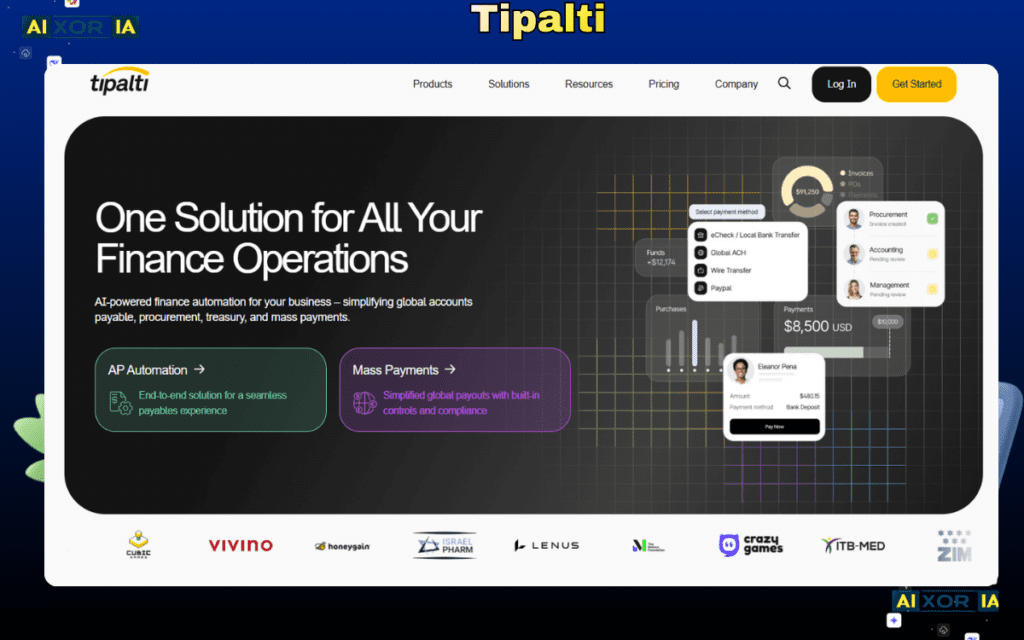
Tipalti is built for companies that operate across borders and need strict compliance with tax regulations, payment rules, and audit requirements. It automates the entire accounts payable lifecycle—from vendor onboarding to payment execution—while maintaining strong governance.
Its AI engine focuses on invoice data extraction and validation. It automatically captures invoice details, matches them with purchase orders, and flags discrepancies. Over time, the system improves accuracy based on historical patterns, reducing manual corrections.
What makes Tipalti stand out in 2026 is its compliance-first design. It supports tax forms like W-9 and W-8, ensures regulatory adherence, and generates audit-ready reports automatically. This is critical for US companies preparing for audits or handling international vendors.
Human-in-the-loop: Strong. Finance teams can review flagged invoices, override decisions, and enforce approval hierarchies.
Pricing: Custom
Pros:
- Enterprise-grade compliance
- End-to-end AP automation
- Strong audit readiness
Cons:
- Complex setup
- Higher cost
Real experience insight: In a multi-entity setup, Tipalti significantly reduced vendor onboarding errors, but initial configuration required careful finance and IT alignment.
READ MORE – Benefits of Finance Automation Software
Best Accounting Workflow Automation Software for SMB Efficiency
Bill.com
Bill.com remains one of the most practical solutions for small and mid-sized businesses in the US. It simplifies accounts payable and receivable workflows while integrating deeply with QuickBooks and Xero.
Its AI capabilities focus on OCR-based invoice processing. The system scans invoices, extracts data, and suggests categorizations. While not as advanced as AI-first platforms, it delivers consistent accuracy for SMB use cases.
Bill.com’s strength lies in usability. Finance teams can automate approvals, schedule payments, and track cash flow without complex setup. It reduces manual entry and improves visibility across transactions.
Human-in-the-loop: Moderate. Users can review and edit extracted data before final approval.
Pricing: Starts at $45/month
Pros:
- Easy to use
- Strong SMB integrations
- Reliable automation
Cons:
- Limited advanced AI
- Scaling costs
Real experience insight: For small teams, Bill.com removes manual invoice entry almost entirely, but complex workflows may require external tools.
Best AI-First Accounting Automation Platform
Vic.ai
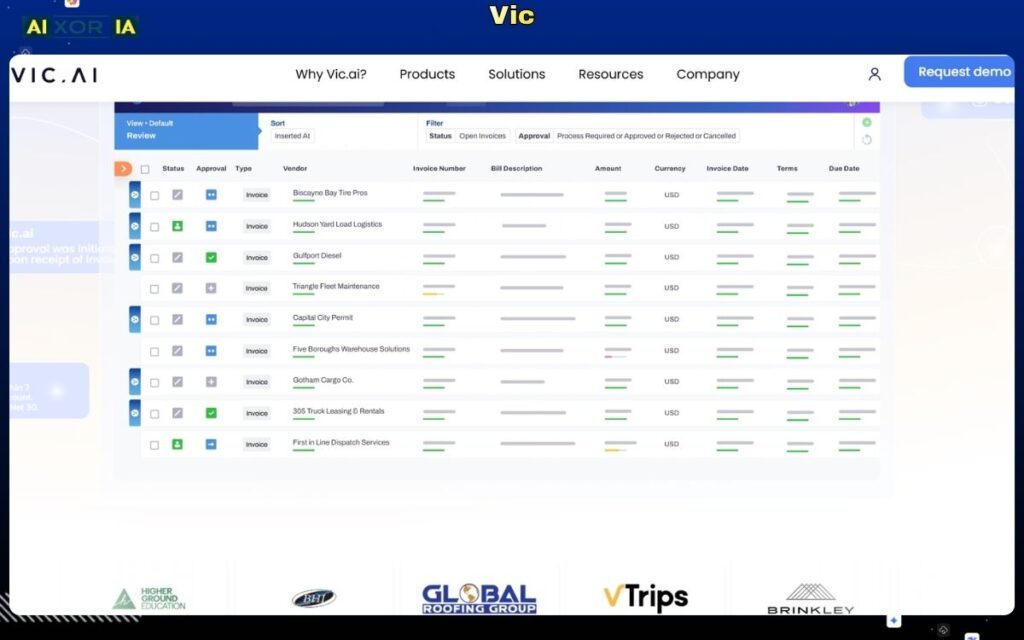
Vic.ai represents a shift toward autonomous accounting. Instead of relying on static rules, it uses machine learning to make decisions based on data patterns.
Its AI engine can automatically code invoices with over 95% accuracy, detect anomalies, and continuously improve. This reduces the need for manual review and speeds up processing cycles.
What makes Vic.ai unique is its ability to operate at scale. In high-volume environments, it can process thousands of invoices with minimal human intervention, while still flagging exceptions for review.
Human-in-the-loop: Exception-based. Only flagged transactions require review.
Pricing: Custom
Pros:
- Advanced AI accuracy
- Continuous learning system
- High scalability
Cons:
- Requires large data volume
- Not ideal for small teams
Real experience insight: In high-volume AP environments, Vic.ai dramatically reduces processing time, but teams must trust the AI model after initial validation.
Best Modern Finance Automation Platform (2026 Leader)
Ramp
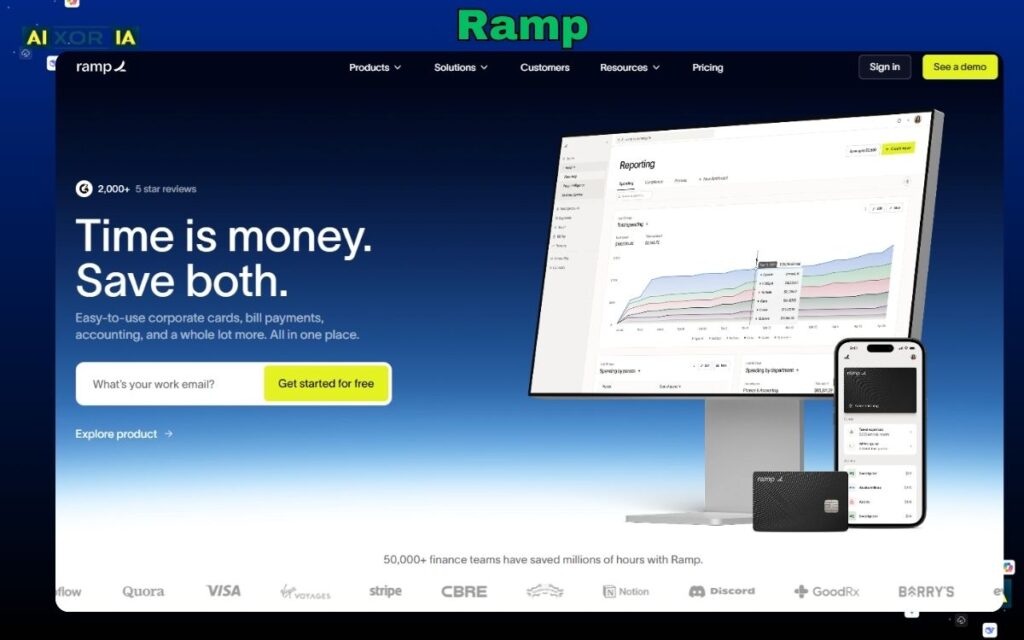
Ramp has evolved beyond expense management into a full-stack finance automation platform. It combines corporate cards, expense tracking, bill payments, and workflow automation into a single system.
Its AI capabilities focus on real-time policy enforcement. The system automatically flags out-of-policy spending, categorizes transactions, and provides cost-saving insights. This proactive approach helps finance teams control spending before issues arise.
Ramp integrates deeply with QuickBooks, NetSuite, and other accounting tools, making it a strong choice for US startups and mid-sized companies.
Human-in-the-loop: Built into approvals. Finance teams can review flagged transactions and enforce policies.
Pricing: Free + paid tiers
Pros:
- Real-time spend control
- Strong AI insights
- Easy integration
Cons:
- Less focused on complex AP workflows
Real experience insight: Ramp is highly effective for controlling spend at scale, especially for fast-growing teams managing multiple departments.
Best Finance Operations Platform for Scaling Companies
Brex
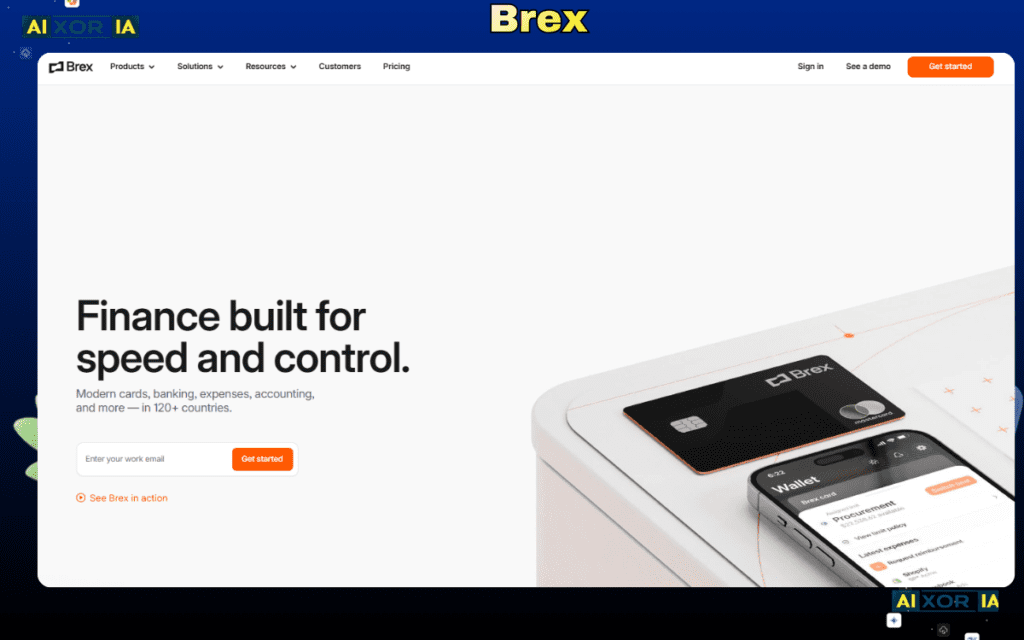
Brex offers a unified platform for corporate cards, expense management, and financial workflows. It is widely used by US startups and scaling companies that need speed and control.
Its AI capabilities focus on spend analysis and forecasting. The platform provides insights into spending patterns, helps enforce policies, and reduces financial risk.
Brex integrates with major accounting systems and supports automation across approvals, reimbursements, and reporting.
Human-in-the-loop: Policy-driven review system with manual override options.
Pricing: Custom
Pros:
- Strong financial insights
- Scalable for growing companies
- Integrated workflows
Cons:
- Not a full AP automation tool
Real experience insight: Brex simplifies financial operations for growing teams, but companies with complex AP needs may require additional tools.
Best AI Tool for Invoice-Level Intelligence
Glean AI
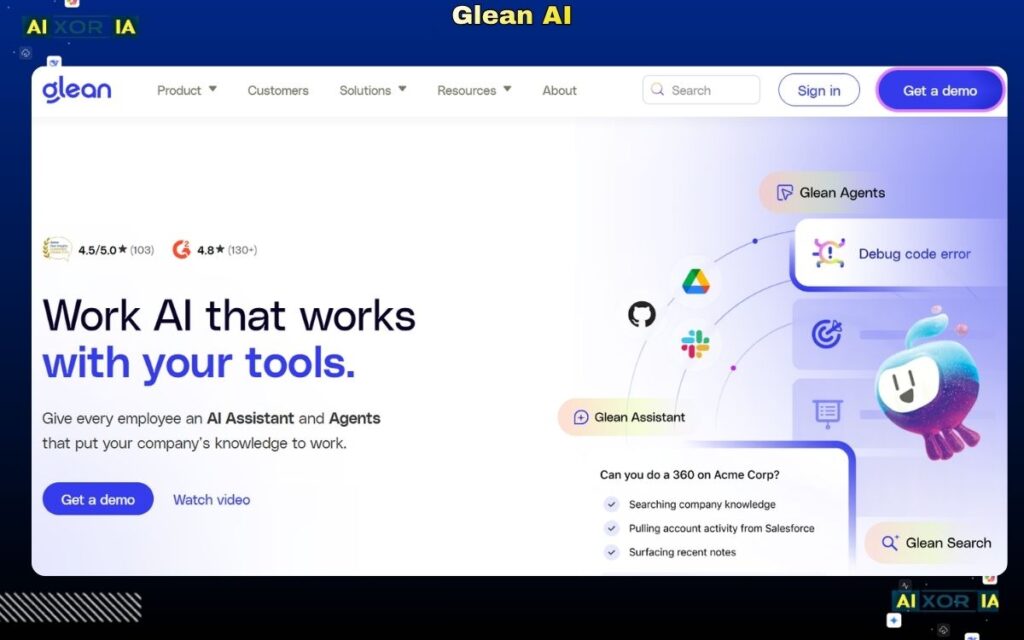
Glean AI focuses on deep invoice analysis. Unlike traditional tools, it analyzes spending at the line-item level, providing insights into pricing, vendor behavior, and cost anomalies.
Its AI engine identifies trends, detects overcharges, and helps finance teams optimize spending. This makes it particularly valuable for companies with large vendor networks.
Glean AI doesn’t replace accounting systems—it enhances them by adding intelligence on top of existing workflows.
Human-in-the-loop: High. Insights require human validation and decision-making.
Pricing: Custom
Pros:
- Deep financial insights
- Line-item analysis
- Strong anomaly detection
Cons:
- Not a full workflow tool
Real experience insight: Glean AI provides insights that traditional tools miss, especially in identifying hidden cost inefficiencies.
Best Workflow Automation Layer for Accounting Systems
Zapier
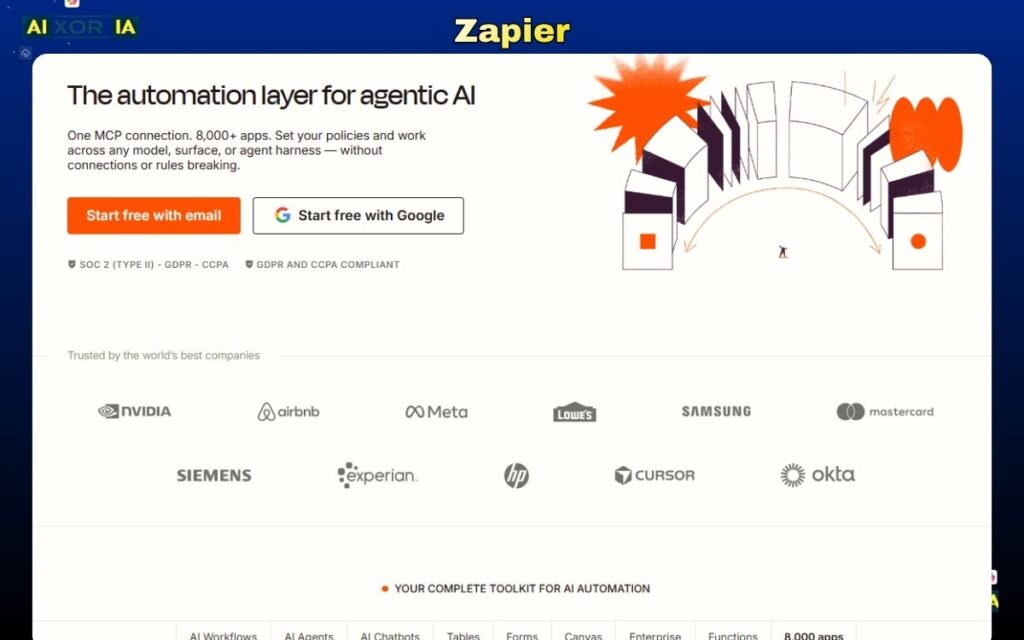
Zapier acts as a workflow orchestration layer, connecting accounting tools with thousands of other applications. It allows finance teams to automate processes across systems without coding.
Its AI features include natural language workflow creation and automation suggestions. Users can describe a process, and the platform generates a workflow.
Zapier is particularly useful for bridging gaps between tools—for example, connecting CRM systems to accounting platforms or automating approval notifications.
Human-in-the-loop: Flexible. Workflows can include approval steps and manual triggers.
Pricing: Free + paid plans
Pros:
- Massive integration ecosystem
- Flexible automation
- Easy to use
Cons:
- Not accounting-specific
Real experience insight: Zapier is invaluable for connecting systems, but it works best when paired with dedicated accounting tools.
READ MORE – 9 Best AI-Powered Finance Automation Software
Before vs After: Real Impact of Automation
Before automation, a mid-sized US company typically takes 10–12 days to close monthly books. Manual invoice entry, approval delays, and reconciliation errors slow down the process.
After implementing tools like Tipalti and Vic.ai:
- Invoice processing becomes 80–90% automated
- Approval workflows are standardized
- Errors are reduced significantly
Result: Close time drops to 2–4 days, with better accuracy and audit readiness.
How to Choose the Right Tool
- SMBs → Bill.com
- AI-first automation → Vic.ai
- Spend control → Ramp or Brex
- Global compliance → Tipalti
- Deep insights → Glean AI
- Workflow orchestration → Zapier
Most companies use a combination—for example:
NetSuite + Tipalti + Zapier
FAQs
Which accounting software has the best AI for anomaly detection?
Vic.ai and Glean AI are лидers in anomaly detection, with machine learning models that identify unusual patterns and errors.
How does workflow automation reduce audit risk?
It creates structured approval processes, maintains audit trails, and ensures compliance with regulations like SOX and SOC 2.
Can small businesses afford accounting automation in 2026?
Yes. Tools like Bill.com and Ramp offer affordable entry points with scalable features.
Final Thoughts
The best accounting workflow automation software in 2026 is not just about automation—it’s about controlled automation.
AI handles volume. Humans handle exceptions.
The companies that win are the ones that balance speed with oversight, automation with accountability, and efficiency with compliance.
Choosing the right combination of tools can transform your finance operations—from reactive and manual to proactive and intelligent.
2 thoughts on “Best Accounting Workflow Automation Software in 2026 | SOC 2 & AI”