Why Choosing the Right Online Data Collection Tools Matters in 2026

Online data collection tools have become essential for businesses of every size — but with dozens of options available, picking the wrong one wastes time, money, and effort. In 2026, the shift isn’t just about having a digital form; it’s about creating a “Data-First” culture where every touchpoint is an opportunity for insight. As AI becomes more integrated into these platforms, the barrier to entry for complex analysis has dropped, making the initial collection phase even more critical.
Here’s a quick overview to match you with the right type of tool:
| Tool Type | Best For | Cost Range | Example Tools |
|---|---|---|---|
| Online Forms | Simple data gathering, small populations | Free – low cost | Google Forms, Jotform |
| Online Surveys | Customer feedback, market research | Free – mid-range | SurveyMonkey, SurveyPlanet, Typeform |
| Mobile/Field Apps | Remote data collection, GPS tagging | Mid – high | Fulcrum, KoboToolbox, SurveyCTO |
| Registry Platforms | Large-scale, clinical, enterprise use | High / custom | SurveyCTO, Qualtrics |
The stakes are real. Organizations that collect poor-quality data make poor decisions. Organizations that fail to modernize their collection methods risk falling behind competitors who can pivot based on real-time, high-fidelity data. With so many tools now offering AI-powered features, offline modes, and deep integrations, there’s genuinely a right fit for every use case and budget.
But here’s the problem: most comparison guides assume you have a technical background. You probably don’t — and you shouldn’t need one. This checklist breaks it all down simply. Whether you’re a small business owner gathering customer feedback or a team lead managing field surveys, you’ll know exactly what to look for before spending a single dollar.
Selecting the Right Online Data Collection Tools for 2026
Choosing between the hundreds of online data collection tools available in 2026 can feel like trying to pick a favorite grain of sand at the beach. To make it easier, we categorize these tools based on your population scale and budget.
For small-scale projects, basic online forms are often sufficient. Tools like Google Forms or the free tier of Jotform allow for quick drag-and-drop question building. However, if you are moving into market research or detailed customer experience tracking, you’ll want a dedicated survey platform. SurveyMonkey: The World’s Most Popular Survey Platform is a staple here, used by over 260,000 organizations worldwide to gather insights from their global audience panels.
If your goals are more academic or clinical, you might need a “Registry Platform.” These are the heavyweights of the data world, built to handle longitudinal studies where you track the same subjects over months or years. This requires robust version control for forms and the ability to manage thousands of unique user permissions without compromising system speed. For clinical trials or national-level census projects, these platforms provide the audit trails necessary for regulatory approval.
Mobile and Field-Ready Online Data Collection Tools
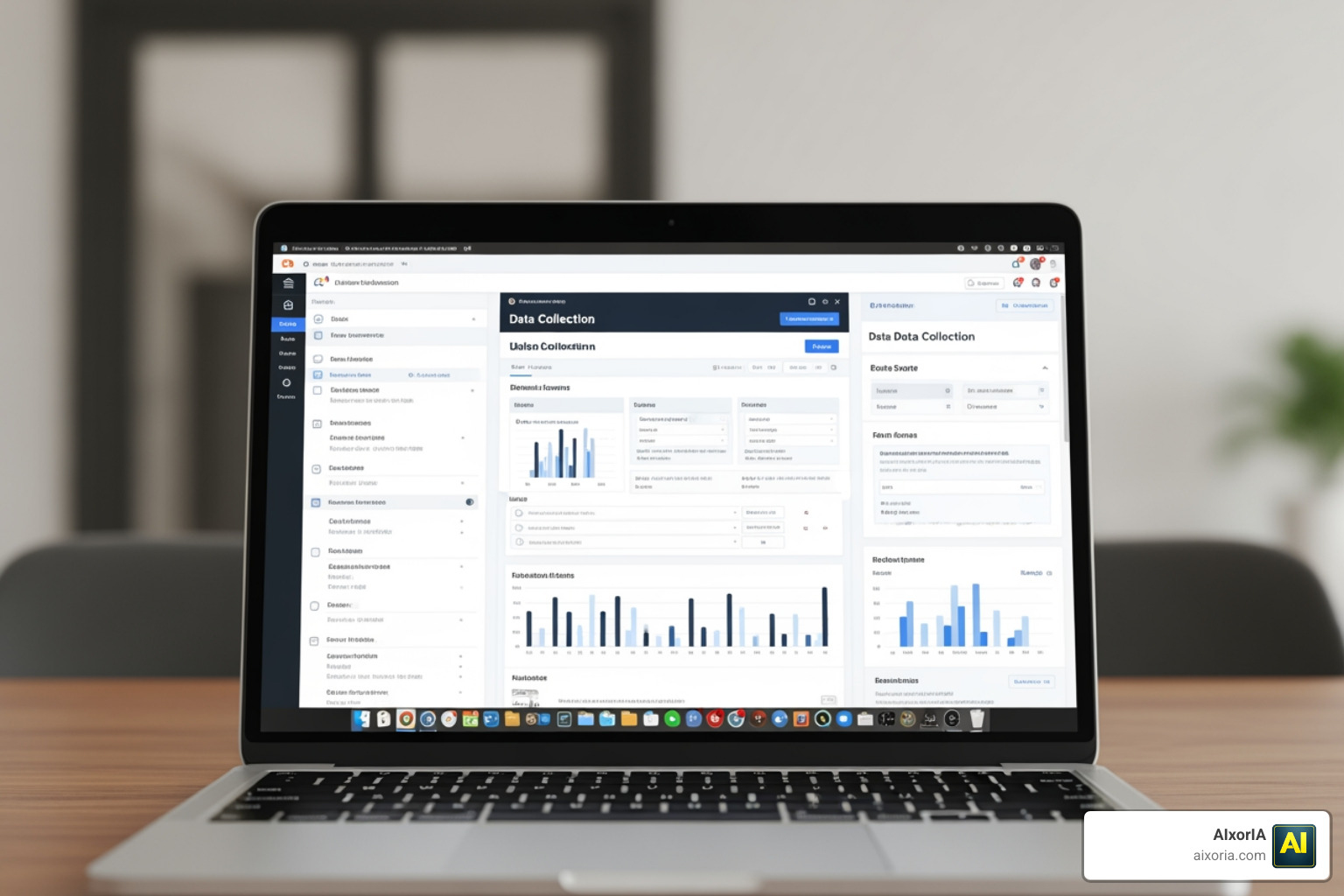
Not all data is collected in a cozy office. In 2026, field-to-cloud data pipelines are the gold standard for industries like construction, humanitarian aid, and environmental research. When your team is in a remote area without a Wi-Fi signal, you need tools with robust offline functionality. Platforms like KoboToolbox and SurveyCTO are built for these low-resource settings. They allow users to collect data on mobile devices and sync it automatically once a connection is restored.
Key field features include:
- GPS Tagging and Geolocation: Essential for mapping and legally defensible data.
- Media Capture: The ability to attach time-stamped photos, audio, and video directly to a form.
- Sensor Data: Capturing device sensor information to ensure the person filling out the form was actually at the specified location.
Security Standards for Online Data Collection Tools
In an era of increasing digital threats, security isn’t just a “nice-to-have” — it’s a legal requirement. When selecting online data collection tools, you must verify their compliance with global standards:
- GDPR: Essential if you are collecting data from individuals in the European Union.
- HIPAA: Mandatory for any health-related data in the United States.
- SOC 2: A standard that ensures a service provider securely manages your data to protect the interests of your organization.
Data Sovereignty is another critical consideration for 2026. It refers to the legal requirement that data is subject to the laws of the country in which it is located. High-end tools now allow you to choose exactly which server region (e.g., EU-West, US-East) your data resides in, ensuring you don’t accidentally violate international data transfer treaties. Look for platforms that offer end-to-end encryption and Single Sign-On (SSO) capabilities. For example, SurveyCTO is SOC 2 certified and GDPR compliant, ensuring that the 15,000+ organizations relying on it can keep their sensitive data under lock and key.
Essential Features for High-Quality Data Gathering
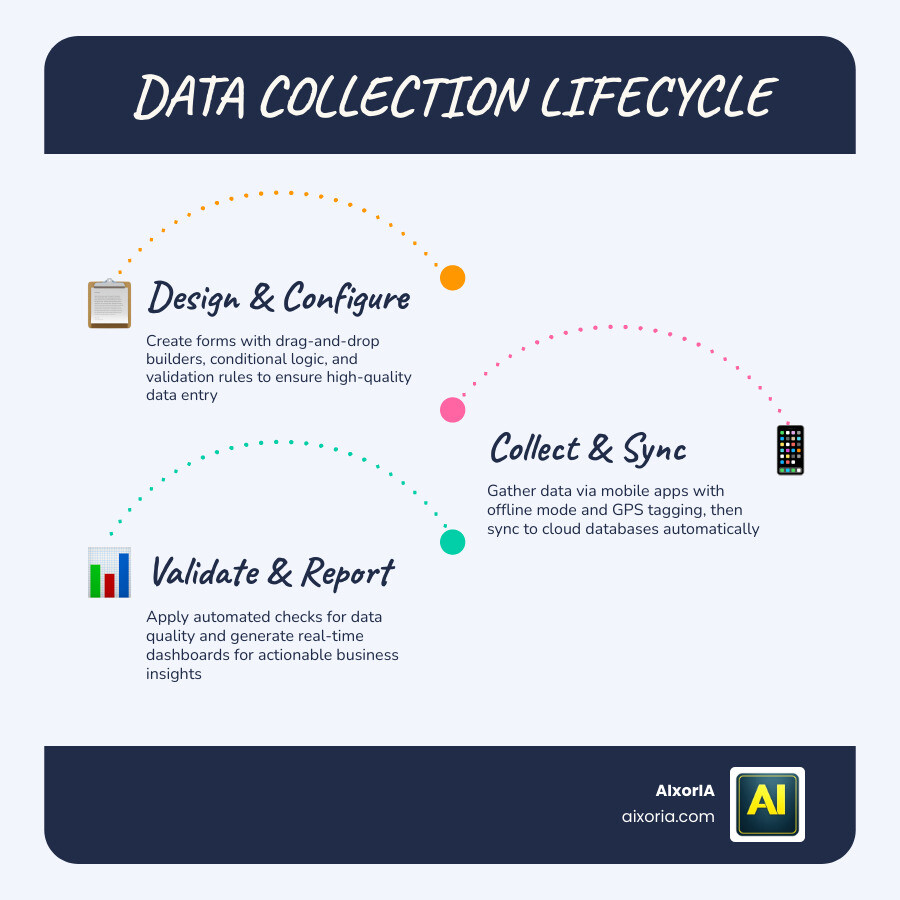
To get the best results, your tool should do more than just display questions. It needs “intelligence.” Modern features like conditional logic (also known as skip patterns) ensure that respondents only see questions relevant to them. If a user says they don’t own a car, the form shouldn’t ask them what color their car is! This improves the user experience and leads to higher completion rates.
Another game-changer in 2026 is AI-powered OCR (Optical Character Recognition). Tools like Zoho Creator now allow you to scan handwritten notes or typed documents and instantly convert them into digital data. In 2026, it’s not just about reading text; it’s about understanding context. Modern OCR can distinguish between a signature, a date, and a handwritten comment, placing them into the correct database fields automatically.
Furthermore, if you are working with a diverse audience, look for Free Online Survey Maker | Unlimited Surveys | SurveyPlanet, which supports over 30 languages, or Survey Maker – Create Free Online Questionnaires | Typeform, which uses conversational logic to make forms feel more like a friendly chat. Conversational logic is more than just a design trend; by presenting one question at a time, you reduce “cognitive load” on the respondent, leading to more thoughtful answers and significantly lower drop-off rates.
For more on how to use these insights, check out our guide on the Best Ai Tools For Data Analysis And Visualization In 2026.
Integration and Workflow Automation
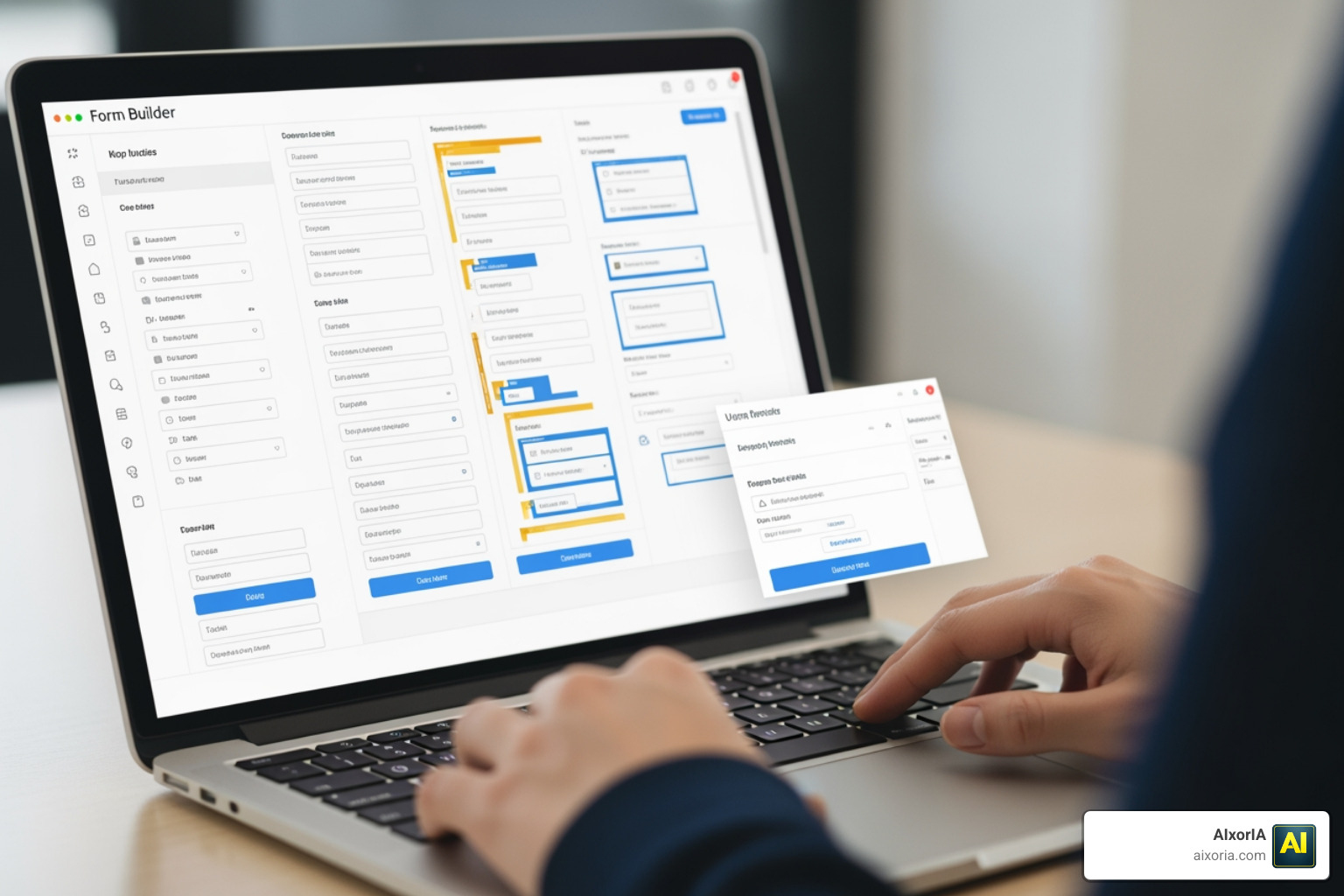
Data is only useful if it ends up where it belongs. You shouldn’t have to manually download CSV files and re-upload them elsewhere. The best online data collection tools offer hundreds of no-code integrations via platforms like Zapier.
Imagine a workflow where a customer fills out a survey, and their response automatically:
- Updates their profile in your CRM (like Salesforce).
- Triggers an alert in Slack for your sales team.
- Populates a real-time dashboard in PowerBI or Google Sheets.
This level of connectivity saves hours of manual labor. If you’re looking to streamline your systems, we recommend exploring the Best Ai Tools For Data Integration In 2026 or our list of the 20 Best Etl Tools For Data Integration.
Best Practices for Building Effective Forms
Even the most expensive tool won’t help if your form is poorly designed. High-quality data starts with a great user experience.
- Keep it Mobile-Responsive: Most people will open your link on a smartphone. Ensure the buttons are large enough and the text is readable.
- Branding Consistency: Use your company’s logos and colors. It builds trust and makes the survey feel professional.
- Pilot Testing: Before sending a survey to 10,000 people, send it to five colleagues. You’ll be surprised how many typos or logic errors they find.
- Use AI Wisely: Many platforms now offer “AI Polishing” or prompt-based form building. Create Online Forms With SurveyMonkey allows you to generate a professional questionnaire in seconds just by describing your goal.
To learn more about which engine to use for your results, read our deep dive on Which Ai Is Best For Doing Data Analysis.
Frequently Asked Questions about Data Collection
What is the difference between free and paid data tools?
Free tools are great for starting out, but they usually come with strict “submission limits.” For example, a free plan might only allow 100 responses per month. Paid versions unlock advanced logic, larger storage capacity for photos/videos, and priority technical support. Paid versions also offer “White Labeling,” which allows you to remove the tool’s branding and replace it with your own. This is crucial for maintaining a professional image when dealing with high-value clients or sensitive research populations. If you’re on a tight budget, check out our 5 Best Free Ai Tools For Data Analysis 2026 Guide.
How do I ensure data quality in the field?
You can use “mandatory fields” to prevent users from skipping important questions. Range checks are also vital — for example, if a surveyor enters “200” for a person’s age, the app should flag it as an error immediately. Furthermore, consider using “Logic Checks” that compare two different answers. For instance, if a respondent claims to be a “Non-Smoker” but later answers a question about “Cigarettes per day,” the system should trigger an immediate clarification prompt. This real-time cleaning saves weeks of manual data scrubbing during the analysis phase.
Which tools are best for large-scale registries?
For massive projects, look for tools that offer row-level permissions (so users only see the data they are authorized to see) and enterprise scalability. Online Survey Tools & Suites by Qualtrics | Free & Paid is a leader in this space, trusted by 95% of the Fortune 500 for its deep analytical capabilities and clinical trial support.
Conclusion
At AIxorIA, we believe that technology should empower you, not confuse you. Whether you are looking for custom AI solutions, tool training workshops to get your team up to speed, or a performance audit of your current data pipeline, we are here to help.
Our mission is to provide simple language help and affordable services to help your business thrive in the data-driven world of 2026. If you’re ready to take the next step in automating your data workflows, check out our More info about no-code ETL tools to see how you can move your data without writing a single line of code.
Let’s start collecting better data today!
1 thought on “Online Data Collection Tools in 2026: How to Choose the Right One Fast”