What Customer Data Integration Tools Actually Do (And Why It Matters in 2026)

Customer data integration tools are software solutions that pull customer information from multiple systems — like your CRM, e-commerce platform, and support desk — and combine it into one clean, unified view.
Here’s a quick breakdown:
| Term | What It Means |
|---|---|
| CDI | Customer Data Integration — the process of unifying customer data across systems |
| CDI Tool | Software that automates the collection, cleaning, and syncing of that data |
| Key Goal | A single, accurate, up-to-date profile for every customer |
| Common Sources | CRM, email platforms, POS systems, web analytics, social media |
| Key Benefits | Better personalization, fewer data errors, AI-ready data, compliance support |
Imagine a customer calls your support team about a delayed order. Your agent jumps between three different systems trying to piece together what happened — while the customer waits, getting more frustrated by the second.
That’s a data silo problem. And it’s more common than most businesses realize.
In May 2026, the average organization uses more than three separate tools to manage data — and most of those tools don’t talk to each other naturally. The result? Duplicate records, outdated information, and missed opportunities to serve customers well.
Customer data integration tools solve this by acting as the connective tissue between your systems. They don’t just move data — they clean it, match it, govern it, and make it available where and when it’s needed.
This matters even more now that AI is part of the picture. AI tools are only as good as the data they run on. Yet only 26% of chief data officers say they’re confident their data setup can actually support new AI initiatives.
Getting your customer data integrated isn’t just a nice-to-have anymore. It’s the foundation everything else is built on.
Core Functions of Customer Data Integration Tools
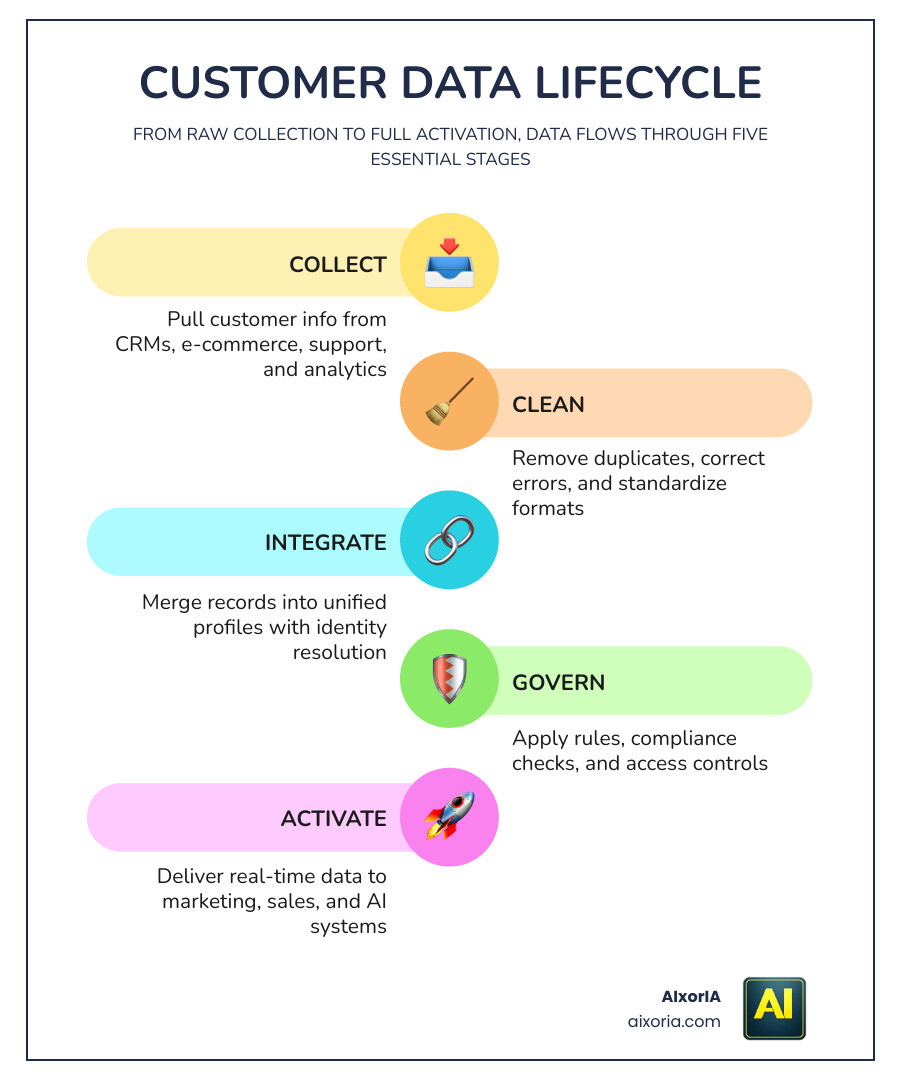
To understand how these tools work, we need to look under the hood. Modern customer data integration tools handle the heavy lifting of data engineering so your team can focus on actually using the insights.
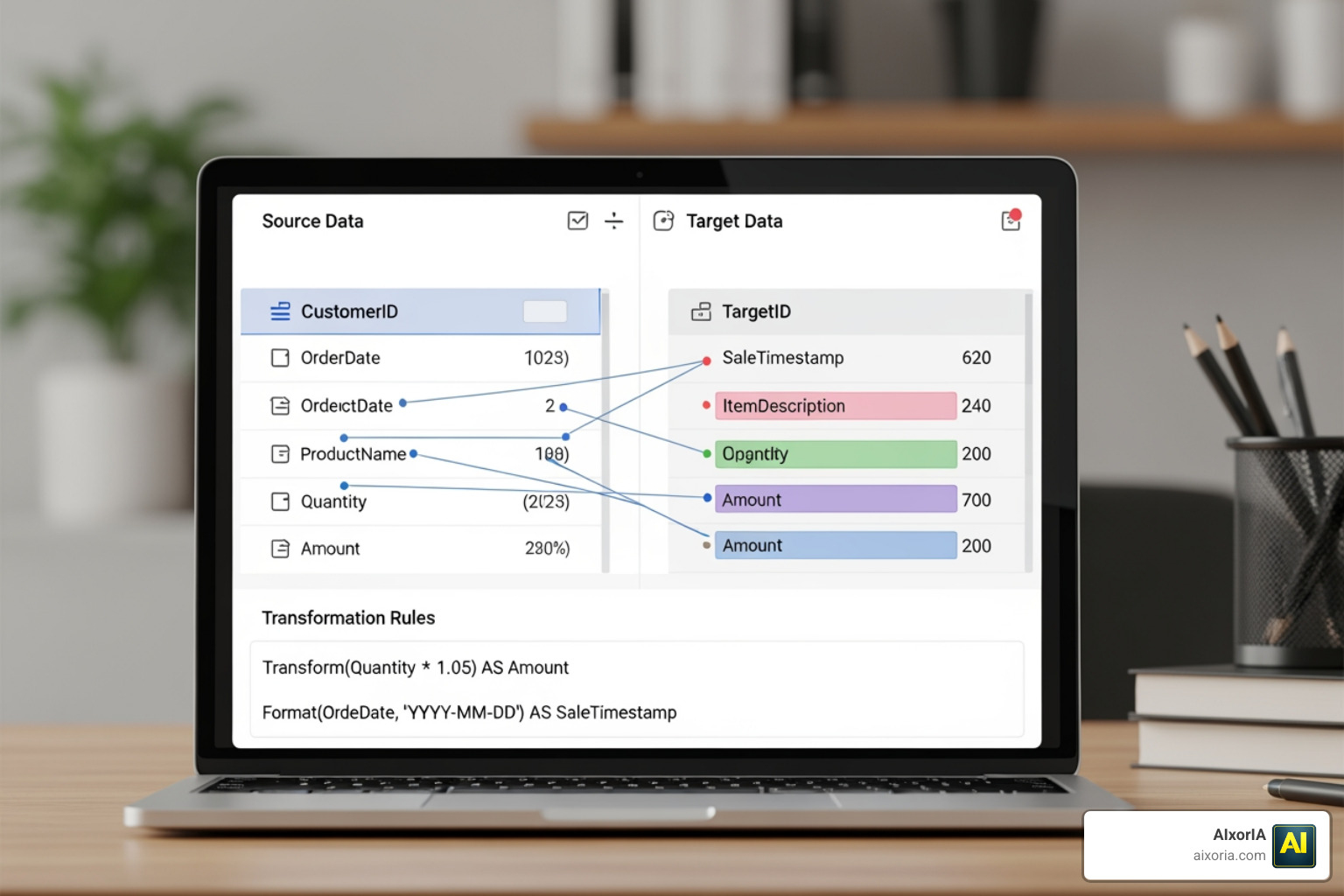
The process typically starts with data extraction, where the tool reaches into your various SaaS apps and databases to pull out raw customer signals. From there, data mapping ensures that “Email_Address” in your CRM matches “UserEmail” in your marketing tool. If you’re looking for a deep dive into the technical side of this, check out our guide on the 20 Best ETL Tools for Data Integration.
One of the most critical functions is identity resolution. This is the “magic” that realizes “John Doe” who bought a shirt online is the same “J. Doe” who complained on Twitter. Tools like Amperity use AI-powered identity keychains to link these fragments into a single profile.
Once identified, the data undergoes cleansing to remove duplicates and fix errors. Finally, data governance and metadata management ensure that everything stays compliant and organized. By maintaining a solid Master Data Management (MDM) strategy, we ensure that the “golden record” of a customer remains the absolute source of truth across the entire company.
Essential Capabilities for 2026
As we move through 2026, the standard for “good enough” has shifted. We are now seeing a move toward entity-based integration. Instead of just moving rows of data, tools are managing “entities” (like a Customer or an Order) as a whole.
Some advanced platforms even use micro-databases for every single customer to ensure lightning-fast access. We also look for schema drift prevention, which automatically alerts us if a source system changes its data format, preventing your pipelines from breaking. For those handling sensitive information, PII masking and automated data quality checks are no longer optional—they are baked into the Most Reliable ETL Tools for Enterprise Data in 2026.
Key Types of Integration Architectures
Not all customer data integration tools are built the same way. The architecture you choose depends on how fast you need your data and where you want to store it.
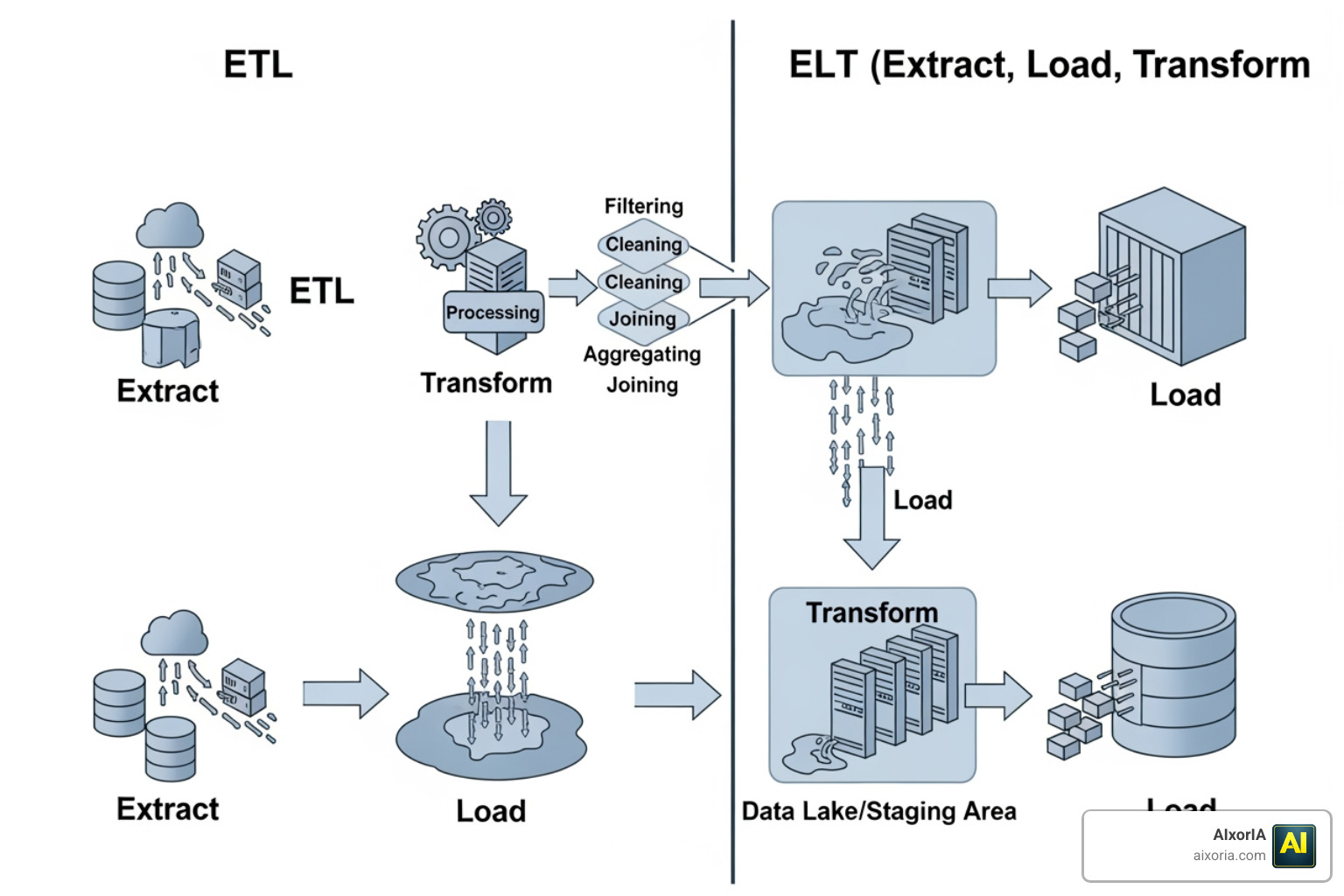
- ETL (Extract, Transform, Load): The classic approach. Data is cleaned before it hits your warehouse. It’s great for security and when you have very specific formatting needs.
- ELT (Extract, Load, Transform): The modern favorite. Data lands in your warehouse raw and fast, and you transform it there. This is much more flexible for high-volume data.
- CDC (Change Data Capture): Instead of moving everything every night, CDC only moves the data that has changed. It’s like a live stream of updates rather than a nightly dump.
- iPaaS (Integration Platform as a Service): These tools focus on connecting apps (like Salesforce to Slack) in real-time.
For SaaS-heavy companies, choosing the right flow is vital. You can explore the Best ETL Tools for SaaS Companies in 2026 to see which fits your stack. Platforms like Fivetran have mastered the “automated data movement” model, making it easy to sync hundreds of sources without writing a single line of code.
We are also seeing the rise of Reverse ETL and Data Virtualization. Reverse ETL takes your clean warehouse data and pushes it back into your tools (like sending a “churn risk” score from your warehouse to your sales team’s CRM). Meanwhile, RudderStack allows for real-time customer data streaming, ensuring your warehouse is always up to date.
The Rise of Composable Architectures
The biggest trend in 2026 is the Composable CDP. Instead of buying a giant, locked-down platform that stores a copy of your data, businesses are building their customer data layer directly on top of their existing warehouse (like Snowflake or Databricks).
This “warehouse-native” approach gives us total control. Tools like Hightouch allow marketers to build audiences and trigger campaigns using the data already sitting in the company warehouse. This eliminates data duplication and ensures that marketing is always using the same numbers as the finance team. If you’re looking to modernize your cloud setup, check out our list of the 9 Best Data Integration Tools for Cloud Services in 2026.
The Role of Customer Data Integration Tools in AI Readiness
We often say that your data strategy is your AI strategy. Without integrated data, your AI is essentially flying blind.
In 2026, we are seeing the emergence of Agentic AI—AI agents that can actually take actions on behalf of customers. For these agents to work, they need real-time behavioral context. They need to know what the customer just clicked on, what they bought last week, and why they are frustrated.
Snowplow provides this “context layer,” delivering validated, high-resolution data that AI models can actually understand. This is a massive shift from the old way of doing things, where data was often too messy for AI to use effectively. In fact, research shows that by 2027, AI-enhanced workflows in integration tools will reduce manual intervention by 60%.
However, there is a gap to bridge. While 82% of CDOs feel they are wasting data if employees can’t access it, many are still struggling with the basics. Using the Best AI Tools for Data Analysis and Visualization in 2026 can help, but only if the underlying integration is solid.
Comparing Leading Customer Data Integration Tools
Choosing a tool can feel like picking a favorite child—they all have their strengths! Here is how the top players stack up in 2026:
| Tool | Best For | Key Strength | Pricing Model |
|---|---|---|---|
| K2view | Large Enterprises | Entity-based “Micro-Databases” | Scalable / Volume-based |
| Nexla | Data Engineering Teams | Collaborative data products | Subscription |
| Fivetran | Automated Syncing | 700+ pre-built connectors | Usage-based |
| Informatica | Complex Governance | Multi-cloud & hybrid support | Enterprise Tiered |
For those already deep in the Oracle ecosystem, Oracle Unity CDP offers a native way to unify enterprise data with AI-driven outcomes without moving data between clouds.
When we compare these, we look at data observability (can we see when things break?) and hybrid cloud support (does it work on-prem and in the cloud?). Most of these tools now offer no-code interfaces, making them accessible to business analysts, not just seasoned developers.
Choosing the Right Solution for Your Organization
Before you sign a contract, we recommend running through a technical requirements checklist.
First, consider scalability. Will the tool handle your data volume in two years? Second, check for security compliance. In 2026, GDPR, HIPAA, and CCPA are the bare minimum. You need a tool that can handle “right to be forgotten” requests across all your systems instantly.
Connector availability is also a dealbreaker. If a tool doesn’t connect to your specific (and perhaps slightly outdated) ERP system, it’s not going to work. Finally, look at the 82% data waste statistic we mentioned earlier. If your team can’t easily access the data the tool provides, you’re just paying for a very expensive digital filing cabinet.
70% of organizations now use more than one tool for data integration. It’s okay to have a “best-of-breed” stack rather than one giant platform that does everything mediocrely.
Frequently Asked Questions about Customer Data Integration
What is the difference between CDI and a CDP?
Think of CDI as the process and the tools used to link data across the company. A CDP (Customer Data Platform) is often the destination where that data lives specifically for marketing use. In 2026, the lines are blurring, but CDI is generally more about the “plumbing,” while a CDP is about the “application.”
How do customer data integration tools support real-time personalization?
By using Change Data Capture (CDC) and streaming architectures, these tools move data the second a customer interacts with your brand. This allows your website to change its offer while the customer is still on the page, rather than waiting for a batch update the next morning.
Why is identity resolution critical for customer data integration?
Without it, you have “data ghosts”—multiple records for the same person that never meet. Identity resolution ensures you don’t send a “Welcome!” email to someone who has been a loyal customer for five years just because they used a different email address at checkout.
Conclusion
At AIxorIA, we’ve seen how the right customer data integration tools can transform a business from “guessing” to “knowing.” Whether you are looking for custom AI solutions or need a performance audit of your current data stack, the goal is always the same: making your data work for you, not the other way around.
As we look toward the rest of 2026, the organizations that win will be the ones that treat their customer data as a living, breathing asset. If you’re ready to start your journey without the headache of complex coding, we invite you to Explore the best no-code ETL tools in 2026.
Let’s stop wasting data and start building better customer experiences together!