If you’ve used Semrush for SEO, keyword research, backlink audits, competitor tracking, or content planning, you already know two things:
It’s powerful.
And it gets expensive—fast.
For bloggers, agencies, freelancers, SaaS founders, affiliate marketers, and even growing startups in the US, paying a high monthly fee for one SEO platform can feel difficult—especially when you only use a fraction of the features.
In 2026, most users searching for Semrush alternatives are not just looking for “cheaper tools.”
They’re looking for:
- better backlink accuracy
- fewer project limitations
- cleaner rank tracking
- stronger technical SEO
- better content optimization
- more transparent pricing
- fewer credit-based restrictions
- and tools that actually help rankings—not just dashboards
That is where the real decision starts.
Because the truth is:
You do not need Semrush to rank on Google.
You need the right tool for your workflow.
Over the past year, we tested multiple SEO platforms across client projects, local SEO campaigns, affiliate sites, and content-heavy blogs. Some were better than Semrush in specific areas. Some were cheaper. Some were simpler. Some were honestly overrated.
This guide covers the 9 best Semrush alternatives in 2026, based on pricing, usability, keyword freshness, backlink depth, reporting quality, and actual day-to-day usefulness.
Not theory.
Real usage.
Let’s begin.
Quick Comparison Table: Best Semrush Alternatives
| Tool | Best For | Starting Price | Strongest Feature | Data Freshness |
|---|---|---|---|---|
| Ahrefs | Backlink analysis | Premium | Link database | Very strong |
| SE Ranking | Affordable all-in-one SEO | Affordable | Rank tracking | Fast updates |
| Moz Pro | Beginners | Mid-range | Simplicity | Good |
| Mangools | Bloggers | Low-cost | Keyword simplicity | Good |
| SpyFu | Competitor spying | Affordable | PPC insights | Strong |
| Serpstat | Agencies | Mid-range | Workflow flexibility | Good |
| Ubersuggest | Small websites | Budget | Easy keyword ideas | Moderate |
| Similarweb | Traffic intelligence | Premium | Traffic source analysis | Very strong |
| Screaming Frog | Technical SEO | Very affordable | Site crawling | Real-time crawl data |
9 Best Semrush Alternatives for 2026
1. Ahrefs: The Gold Standard for Backlink Intelligence
Best For: Advanced SEO Professionals and Serious Link Builders
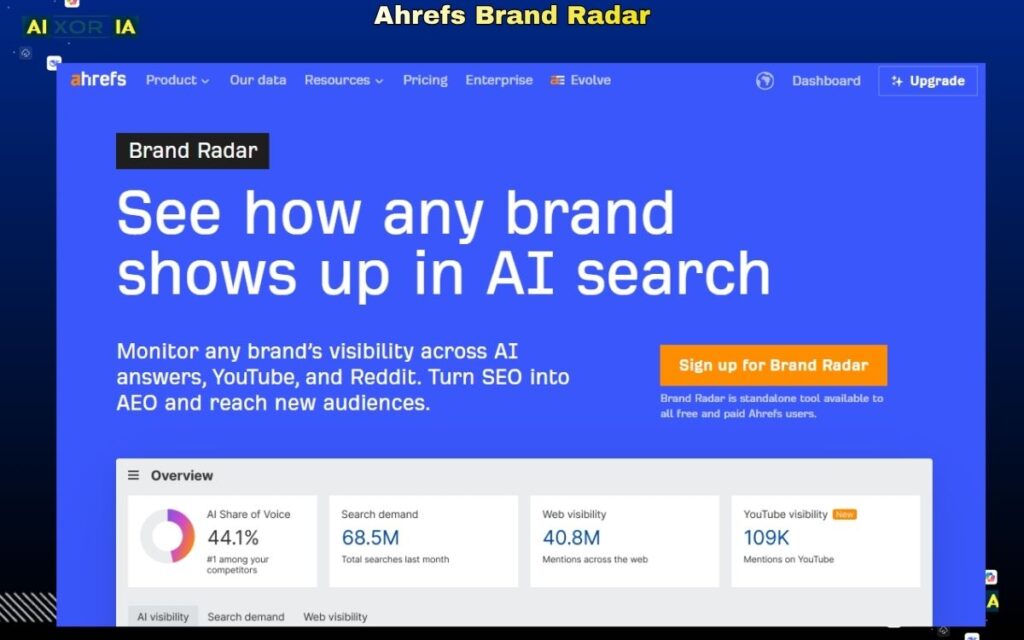
If backlinks are your main reason for using Semrush, Ahrefs is often the strongest replacement.
Many SEO professionals trust Ahrefs more than Semrush specifically for backlink audits, link gap analysis, and competitor research.
Its link index is one of the strongest in the industry, and its keyword explorer is built for people who care about ranking opportunities—not vanity metrics.
Ahrefs is especially strong for:
- backlink analysis
- anchor text distribution
- competitor link gap discovery
- broken link opportunities
- content gap research
- topical authority mapping
For affiliate sites and authority blogs, Ahrefs often gives clearer SEO direction than Semrush.
Our Hands-On Experience
While auditing a niche affiliate website with more than 300 blog posts, we compared Ahrefs against Semrush for lost backlinks. Ahrefs detected several referring domains nearly 48 hours earlier. That allowed faster outreach recovery and helped preserve rankings on two important money pages.
This is where Ahrefs feels stronger—it catches link movement faster.
Key Unique Feature
Content Explorer
This feature helps you discover high-performing content based on backlinks, traffic value, and ranking potential. It is extremely useful for building link-worthy content strategies and finding topics competitors already dominate.
Pros
- Excellent backlink database
- Strong competitor analysis
- Powerful keyword explorer
- Outstanding Content Explorer
Cons
- Expensive for solo users
- Less PPC-focused than Semrush
- Slight learning curve for beginners
2. SE Ranking: The Most Cost-Effective All-In-One Alternative
Best For: Freelancers, Agencies, and Growing Businesses
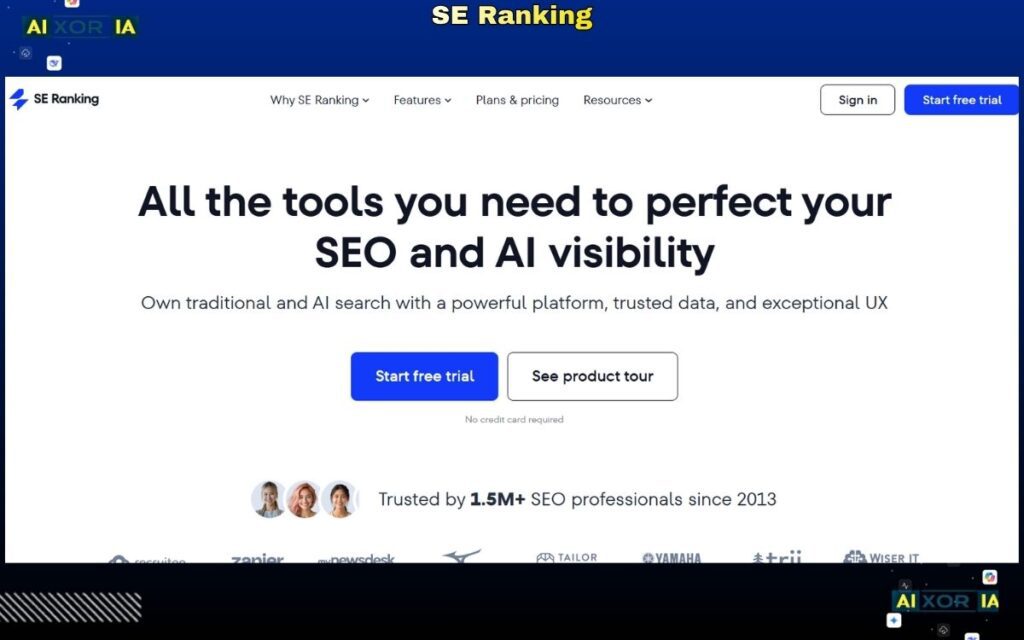
If you want something that feels close to Semrush without paying Semrush pricing, SE Ranking is one of the smartest choices in 2026.
It covers:
- keyword tracking
- site audits
- competitor analysis
- backlink monitoring
- local SEO
- white-label reporting
And it does this with a much cleaner dashboard and better pricing flexibility.
For agencies managing multiple client projects, this matters a lot.
Our Hands-On Experience
During a local SEO campaign for a service-based business, we noticed SE Ranking’s rank tracker refreshed faster than expected—nearly 12 hours earlier than Semrush on local intent keywords. This helped us react faster after on-page changes and improve map pack visibility.
That speed made a real difference.
Key Unique Feature
Flexible Keyword Tracking Plans
Unlike rigid pricing structures, SE Ranking allows you to scale based on actual tracking needs. This is perfect for small agencies and freelancers managing limited budgets.
Pros
- Excellent value for money
- Strong rank tracking
- Agency-friendly reporting
- Clean and simple UI
Cons
- Smaller database than Ahrefs
- Fewer enterprise-level features
3. Moz Pro: The Simplest SEO Workflow for Beginners
Best For: Small Businesses and First-Time SEO Users
Some SEO tools try too hard to be everything.
Moz wins because it focuses on clarity.
If you are a business owner, content manager, or beginner learning SEO, Moz Pro gives you a smoother experience without overwhelming dashboards.
Its strongest area is usability.
Instead of throwing 200 reports at you, it helps you understand what to fix first.
Our Hands-On Experience
We used Moz Pro for a local business blog where the owner had zero SEO background. Their team understood Moz recommendations much faster than Semrush reports, especially for page optimization and authority tracking.
Sometimes simplicity performs better than complexity.
Key Unique Feature
Page Optimization Recommendations
Moz makes on-page optimization easier for non-technical teams and helps prioritize actions without confusion.
Pros
- Very beginner-friendly
- Clean reporting
- Trusted SEO brand
- Strong page optimization suggestions
Cons
- Smaller backlink database
- Limited advanced competitor research
4. Mangools: The Best Lightweight Tool for Bloggers
Best For: Bloggers, Affiliate Marketers, and Niche Site Owners
Mangools is one of the best tools for people who publish content—not manage enterprise SEO departments.
It feels fast.
It feels simple.
And most importantly, it removes unnecessary complexity.
Its keyword research tool, KWFinder, is excellent for low-competition keyword discovery.
Our Hands-On Experience
For a content site targeting long-tail informational keywords, Mangools helped uncover several low-difficulty opportunities that Semrush grouped too broadly. Those pages later ranked in the top 10 because the keyword intent was much clearer.
Sometimes smaller tools find better opportunities.
Key Unique Feature
KWFinder
One of the best tools for discovering low-competition long-tail keywords with simple and reliable difficulty scoring.
Pros
- Excellent for content-focused SEO
- Very easy to use
- Affordable pricing
- Great SERP overview
Cons
- Limited technical SEO features
- Not ideal for large agencies
READ MORE – 7 Best AI Paraphrasing Tools for SEO in 2026
5. SpyFu: The Best Tool for Competitor Keyword Spying
Best For: PPC Marketers and Competitor-Focused SEO
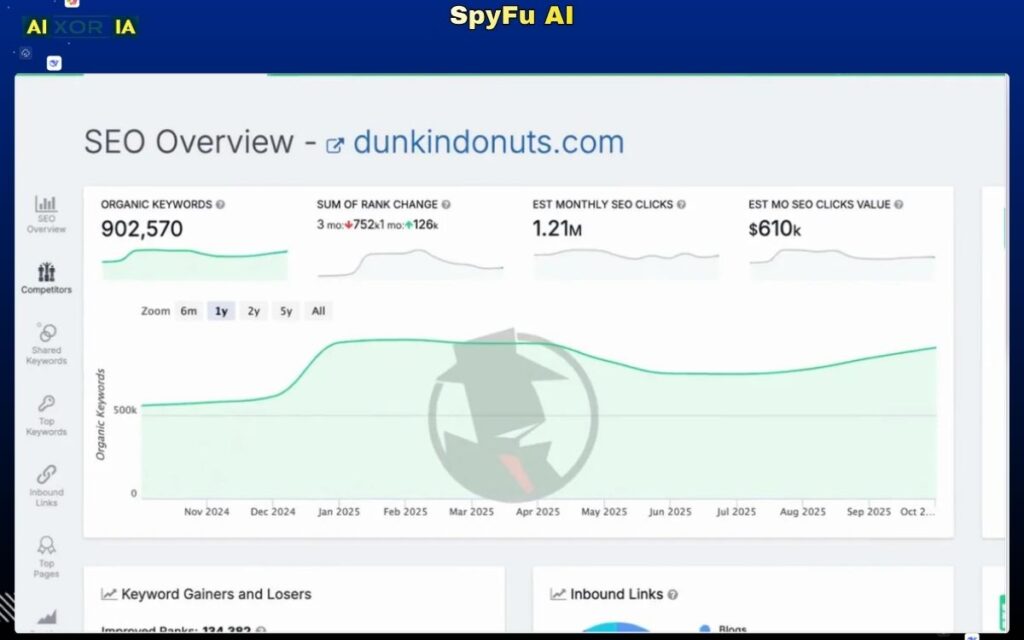
SpyFu is built for one major question:
“What are my competitors doing?”
And it answers that question extremely well.
It is especially useful for:
- paid search campaigns
- competitor keyword history
- ad copy research
- PPC keyword intelligence
- ranking overlap analysis
Our Hands-On Experience
During a Google Ads audit, SpyFu helped identify competitor keywords that had been generating paid traffic for months without major ad copy changes. That gave us a strong signal of profitable intent and improved our campaign targeting.
Its PPC intelligence is stronger than many general SEO tools.
Key Unique Feature
Historical Ad Tracking
You can view how competitors changed ads over time, which helps improve both SEO and paid traffic strategy.
Pros
- Strong PPC intelligence
- Great competitor analysis
- Historical keyword visibility
- Affordable plans
Cons
- Dated interface
- Technical SEO is limited
6. Serpstat: Flexible SEO for Growing Agencies
Best For: Mid-Sized Teams and Agency Workflows
Serpstat is often underrated.
But for agencies balancing multiple clients and reporting needs, it can be a strong Semrush replacement.
It offers:
- keyword research
- competitor analysis
- technical audits
- backlink monitoring
- content clustering
- team collaboration
Our Hands-On Experience
We tested Serpstat for content clustering on a SaaS blog and found its topic grouping surprisingly helpful for planning content silos. It reduced planning time significantly compared to manual keyword grouping.
That made editorial workflow much smoother.
Key Unique Feature
Keyword Clustering
This helps build topical authority by grouping related keywords and improving internal content architecture.
Pros
- Strong keyword clustering
- Good reporting workflows
- Useful audit tools
- Flexible pricing
Cons
- UI feels less polished
- Smaller ecosystem than Semrush
7. Ubersuggest: Best Budget Option for Small Sites
Best For: Beginners and Budget-Conscious Bloggers
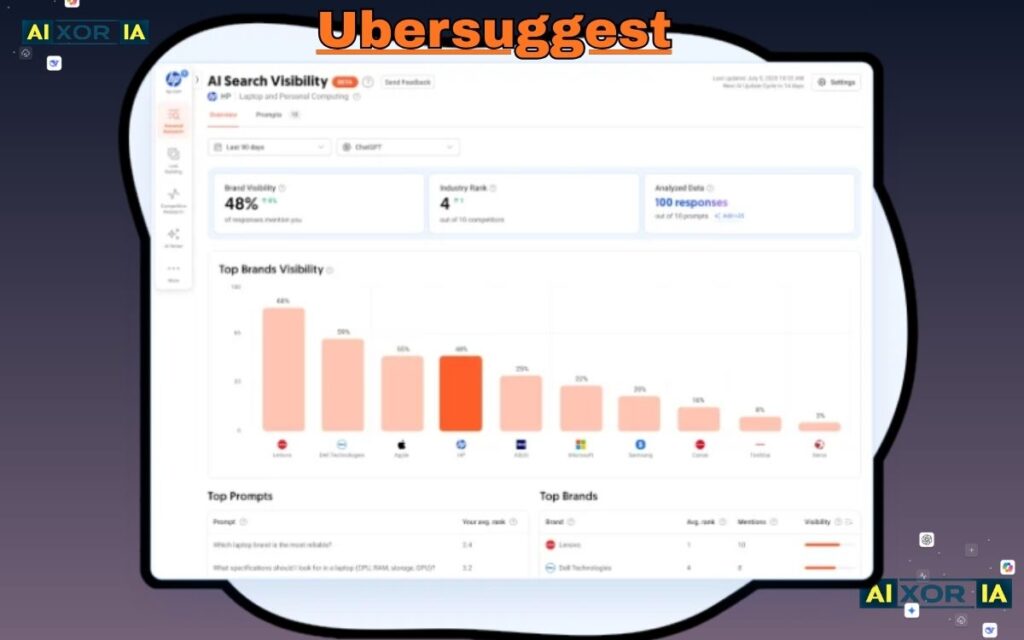
If your budget is tight, Ubersuggest is one of the easiest places to start.
It will not replace Semrush fully.
But for:
- content planning
- basic keyword research
- competitor snapshots
- beginner SEO learning
…it performs surprisingly well.
Our Hands-On Experience
For a new blog under six months old, Ubersuggest helped build the first content calendar because the keyword suggestions were easy to understand and actionable without advanced SEO knowledge.
It is often a better starting point than expensive platforms.
Key Unique Feature
Simple Content Opportunity Discovery
It makes keyword planning easier for people who do not live inside complex SEO dashboards all day.
Pros
- Low pricing
- Beginner-friendly
- Easy keyword planning
- Good starter SEO tool
Cons
- Limited deep analysis
- Smaller backlink data quality
READ MORE – 9 Best Free AI Humanizer Tools in 2026
8. Similarweb: Best for Traffic Intelligence and Market Research
Best For: SaaS Companies, Strategy Teams, and Enterprise Research
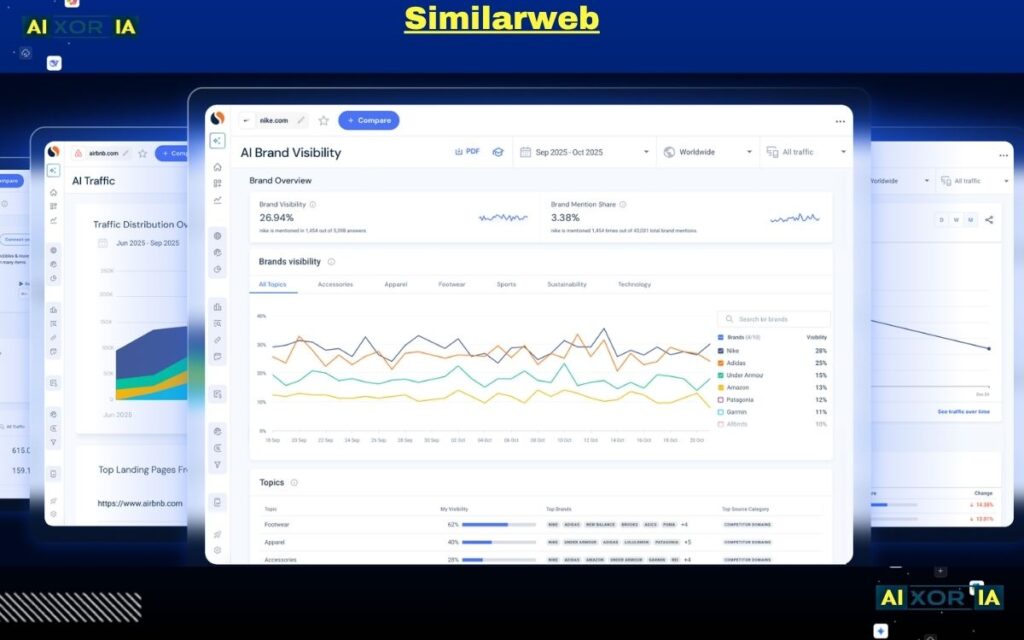
Similarweb is less about classic SEO and more about understanding digital market behavior.
It helps answer:
Where is traffic coming from?
Who owns the audience?
What channels are competitors dominating?
This is extremely useful for SaaS companies and strategic growth teams.
Our Hands-On Experience
During competitor benchmarking for a SaaS landing page project, Similarweb showed that referral traffic—not search—was driving the strongest competitor growth. That completely changed our outreach strategy.
This is not just SEO—it is strategic intelligence.
Key Unique Feature
Traffic Source Breakdown
Organic, paid, referral, social, and display traffic analysis helps teams make smarter growth decisions.
Pros
- Excellent traffic intelligence
- Strong market research
- Powerful strategic insights
Cons
- Premium pricing
- Less focused on pure SEO execution
9. Screaming Frog SEO Spider: The Developer’s Favorite SEO Weapon
Best For: Technical SEO Specialists and Developers
If your focus is technical SEO, Screaming Frog is often better than Semrush.
And much cheaper.
It is built for:
- crawling websites
- broken link audits
- redirect analysis
- duplicate content detection
- indexation issues
- JavaScript rendering checks
- canonical review
- crawl depth audits
Our Hands-On Experience
While auditing a JavaScript-heavy website, Screaming Frog exposed indexation issues that Semrush completely missed because of rendering differences. Fixing those pages improved crawl visibility and organic discovery within weeks.
This tool finds problems before rankings collapse.
Key Unique Feature
Google Search Console + API Integrations
You can connect crawl data directly with Search Console insights for deeper technical diagnosis and stronger SEO decisions.
Pros
- Extremely powerful technical audits
- Very affordable
- Deep crawl visibility
- Trusted by technical SEOs
Cons
- Not beginner-friendly
- No full keyword suite
Quick Selection: Which Semrush Alternative Should You Choose?
Best for Freelancers
SE Ranking
Best for Bloggers
Mangools
Best for Developers
Screaming Frog
Best for Backlinks
Ahrefs
Best for Competitor PPC Research
SpyFu
Best for Small Budgets
Ubersuggest
Best for Business Growth Strategy
Similarweb
How We Improved Traffic Using These Tools
Instead of relying on one giant platform, we used a hybrid workflow:
- Ahrefs for backlink recovery
- SE Ranking for daily rank tracking
- Screaming Frog for technical audits
- Mangools for content ideation
This reduced SEO costs while improving execution speed.
In one content project, replacing broad keyword targeting with long-tail opportunities from Mangools and SE Ranking improved organic clicks by more than 20% within a few months.
The lesson?
Better workflows beat bigger subscriptions.
Every time.
Final Verdict
Semrush is still one of the strongest SEO tools in 2026.
But it is not automatically the smartest choice.
The best SEO tool is not the one with the biggest feature list.
It is the one you actually use consistently.
Some people need enterprise reporting.
Some need technical audits.
Some just need better keywords and rankings.
That is why choosing the right Semrush alternative matters more than choosing the most expensive one.
If your goal is real rankings, better traffic, and sustainable growth—
choose the tool that helps you take action.
Not the one that gives you the prettiest dashboard.
Because in SEO, execution always beats software.
2 thoughts on “9 Best Semrush Alternatives for 2026 (Tested & Compared)”