
Google’s ranking systems are designed to reward helpful, reliable, people-first content, and they also encourage creators to use words people actually search for in titles, headings, alt text, and links. For a topic like paraphrase tool without ai, that means the article should answer the real intent clearly, not hide behind vague marketing language.
There is one important truth to say up front: in 2026, most popular paraphrasing products are not truly “without AI” anymore. Many are built on AI or machine learning, and some advertise AI-powered rewriting openly. Turnitin also documents that AI-writing detection has limitations and can produce false positives, which is why a careful, human-reviewed writing process matters more than chasing shortcuts.
That means the smartest answer to this search is not “find a magic detector-proof button.” It is: choose the most predictable rewriting workflow, keep your own voice, and use human editing as the final layer. For academic, editorial, and legal work, that is the safer and more defensible approach.
Table of Contents
How this guide is evaluated
I am using a practical, editorial-first framework: how much control the tool gives you, how predictable the output is, how transparent the product is about its technology, what it costs, and how much human editing is still needed afterward. That matters because a tool that rewrites too aggressively can change meaning, while a tool that barely helps can waste time.
What “without AI” really means in 2026
A truly non-AI paraphrase workflow is usually not a polished SaaS product. It is a human-led process: read, note the key idea, rewrite from scratch, check the wording, and cite the source properly when needed. Tools can assist with spelling, grammar, or synonym suggestions, but the final sentence choices should remain yours. That approach aligns better with Google’s people-first guidance and with Grammarly’s own reminder to cite sources when paraphrasing research or other material.
For US students and editors, that distinction matters. A paraphrase tool should help you express the idea clearly, not replace judgment. If your goal is school, publishing, or legal clarity, predictable rewriting plus manual review is usually more useful than aggressive automatic rewriting. Turnitin’s current AI Writing Report materials also make it clear that detector-based judgments should be reviewed carefully rather than treated as absolute proof.
Best paraphrase tool without AI: the closest honest answer
If you mean “the most non-AI-like option,” the closest answer is a manual rewrite workflow supported by a simple spinner or thesaurus-style tool. Among commercial tools, SpinBot is the closest to a straightforward automatic spinner, but even that product is presented by the company as an automatic rewriting tool rather than a fully manual editor. In other words, it is simple, not magically non-AI.
If you mean “which tool gives the most control with the least surprise,” the best choice is usually the one that lets you make the smallest necessary changes and then refine the result yourself. That is where the rest of this guide becomes useful.
READ MORE – 7 Best AI Paraphrasing Tools for Students
SpinBot
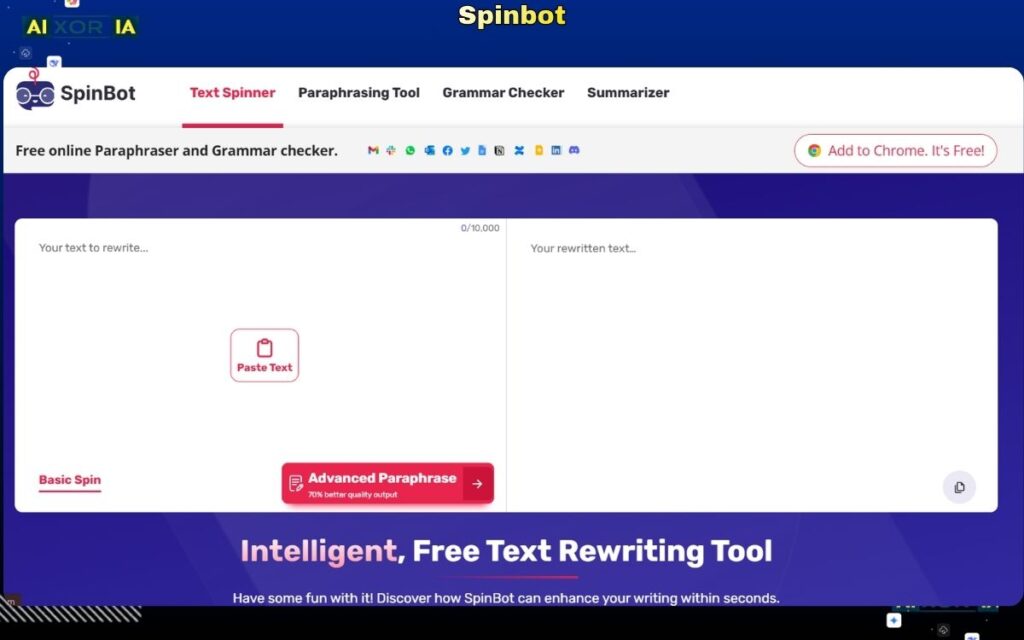
SpinBot is the simplest name on this list and the closest thing to a lightweight rewrite tool for people who want quick output without a complicated interface. The company describes it as a free, automatic article spinner that rewrites readable text into additional readable text, and its paraphrasing tool is also listed as completely free. SpinBot also publishes a privacy policy under Learneo, which is a useful trust signal for readers who care about basic site legitimacy.
From a user’s point of view, SpinBot is best when you need a fast first pass and you are willing to do the real work afterward. It is not the tool for polished editorial prose, because the output can still feel mechanical, but it can be useful for rough rewrites, idea cleanup, or early drafting. If your priority is control, the main advantage is that it stays simple. If your priority is nuance, it will usually need heavy manual editing.
Pricing: Free.
Pros: free, fast, simple, low learning curve.
Cons: limited refinement, weak stylistic nuance, still needs human cleanup.
Practical use note: SpinBot works best when you treat it like a starting point, not a final draft. A careful editor can turn its rough output into a usable paragraph, but only after rewriting the phrasing by hand.
Paraphraser.io
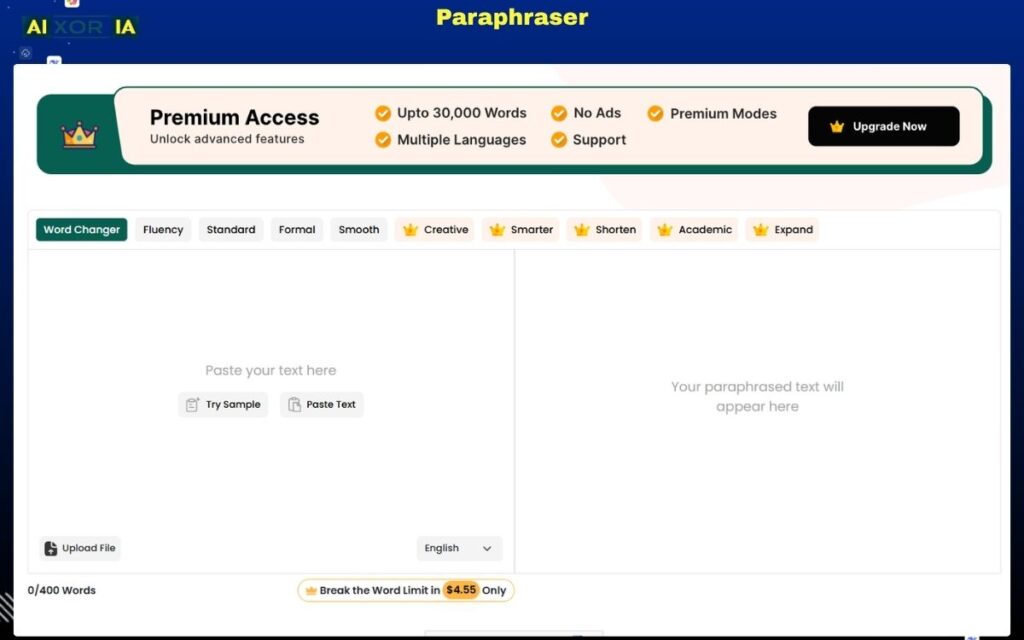
Paraphraser.io is a more modern rewrite tool, but it is not non-AI. The company says it uses AI algorithms and offers multiple modes, which means it sits in the hybrid category rather than the pure non-AI category. Its pricing page shows short-term and monthly plans, with a seven-day plan and a monthly Gold plan among the options. The platform also offers a plagiarism checker, which can be relevant for students and editors who need a second layer of review.
What makes Paraphraser.io interesting for a US audience is that it gives you more flexibility than a bare-bones spinner. You can choose a mode, compare outputs, and decide how far you want the rewrite to go. That makes it more suitable for people who need controlled rewriting rather than random sentence swapping. The tradeoff is obvious: because it is AI-driven, it is not the right fit if your goal is a strictly non-AI workflow.
Pricing: A seven-day plan and a monthly Gold plan are listed on the official pricing page.
Pros: multiple modes, more control than a basic spinner, includes plagiarism checking.
Cons: AI-based, not truly non-AI, output quality varies by mode.
Practical use note: Paraphraser.io is useful when you want a middle ground between speed and control, but it still needs a human editor to protect tone, precision, and credibility.
Prepostseo
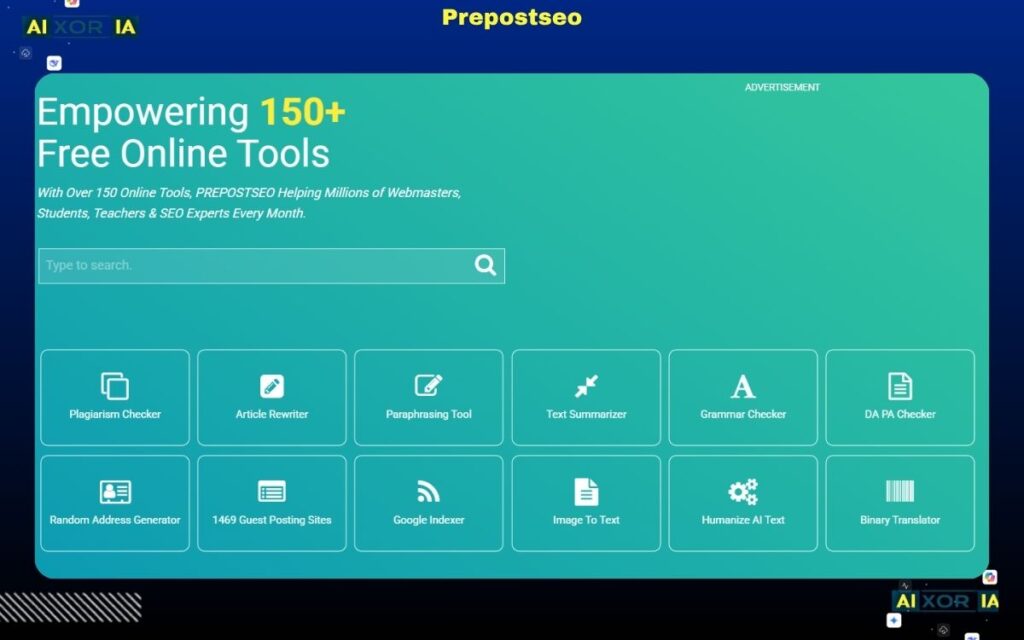
Prepostseo’s paraphrasing tool is clearly presented by the company as an AI rephrase tool, and the site says it offers ten paraphrasing modes with multilingual support. Its pricing pages show paid plans with access to the paraphrasing tool and other features, including a Standard plan and a Company plan with monthly and annual billing options. Prepostseo also positions itself as a broad SEO and writing-tools platform, so the paraphraser sits inside a larger toolkit rather than being a standalone editorial product.
For a reader who searched “paraphrase tool without ai,” Prepostseo belongs in the comparison because it often comes up in the same buying journey. In practice, it is more useful for users who want lots of modes and are comfortable with an AI-assisted workflow. That makes it a decent fit for bloggers and marketers, but less ideal for people who need strict wording control in legal or academic settings.
Pricing: The official plans page shows paid tiers; the paraphrasing premium page lists monthly and yearly billing options.
Pros: ten modes, multilingual support, broad toolset, easy access to related SEO tools.
Cons: AI-based, more features than some users need, can feel busy.
Practical use note: Prepostseo is best when you want an all-in-one writing platform and you are willing to treat the paraphraser as a helper, not as the final author.
SmallSEOTools
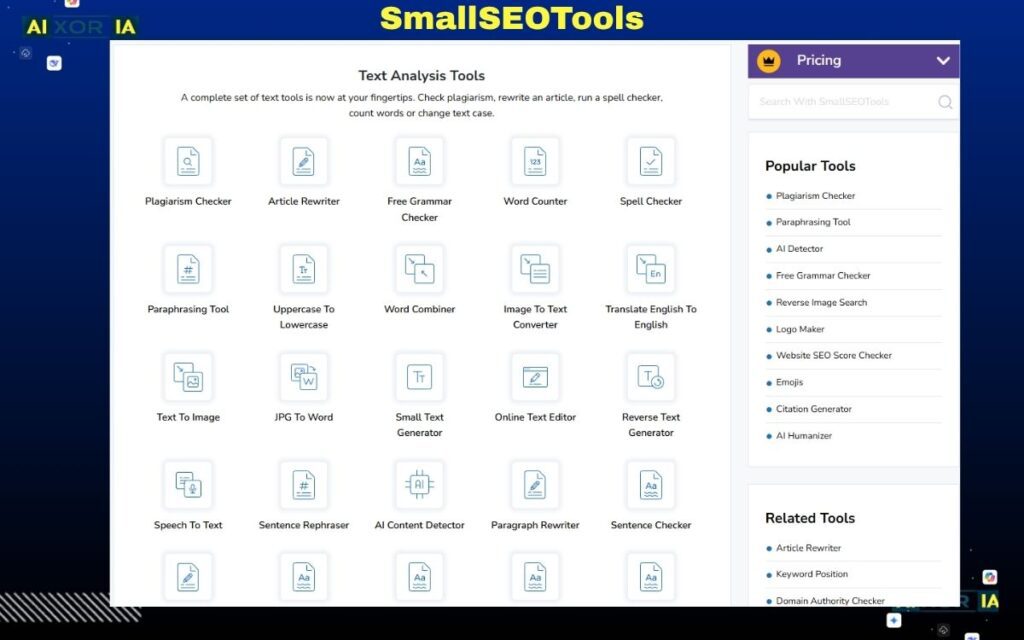
SmallSEOTools also markets its paraphrasing product as an AI-powered tool, and the official page says it uses advanced machine learning algorithms. Its pricing page lists the Paraphraser plan separately, with the paraphraser starting at a monthly price on the pro platform. The company also positions its broader product suite as a complete set of text tools, including plagiarism checking and grammar support.
This tool fits a user who wants a familiar web utility and does not need a sophisticated editor. It is convenient for quick rewriting, but the machine-learning approach means it is not truly non-AI. For students and editors, that makes it more of a convenience tool than a source of final prose. The main benefit is speed. The main downside is that speed can come at the cost of style, precision, and natural rhythm.
Pricing: The pro pricing page lists the Paraphraser plan at $9.99, with word limits tied to the plan.
Pros: simple access, broad SEO-tool ecosystem, helpful for basic rewrites.
Cons: AI/ML-driven, limited control, quality can be uneven.
Practical use note: SmallSEOTools is better for quick rewriting tasks than for anything that must sound polished, authoritative, or publication-ready.
QuillBot
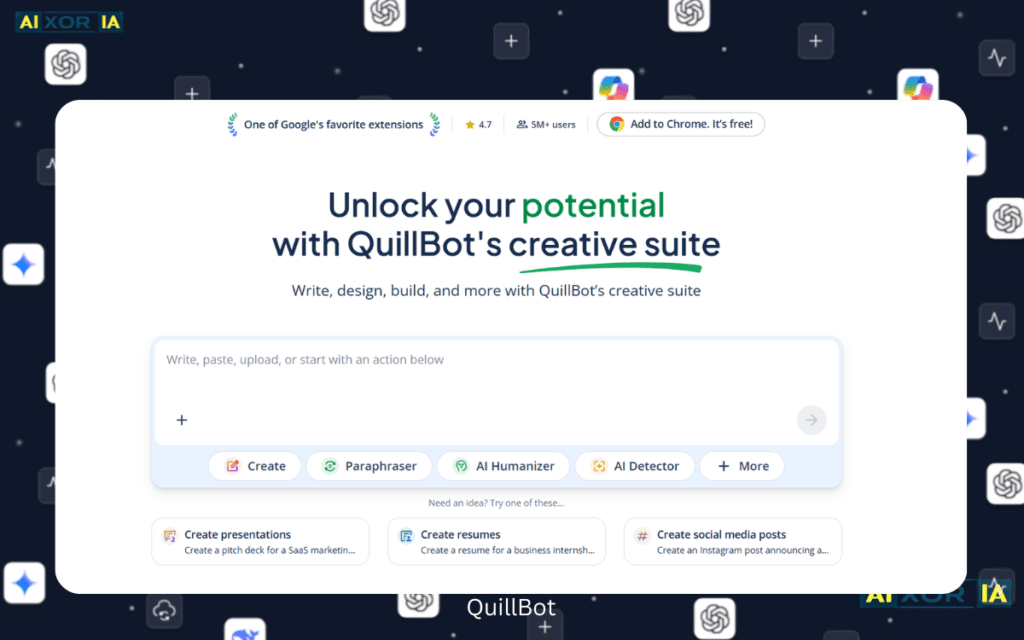
QuillBot is one of the most recognizable paraphrasing products on the market, but it is firmly AI-powered. The company describes itself as a suite of AI tools, and its paraphrasing page says the paraphraser is AI-powered. The pricing page shows a free tier with limited paraphrasing and premium tiers that expand the paraphraser, synonym controls, and custom modes. QuillBot’s current pricing pages list monthly, quarterly, and annual plans, and the company also offers team pricing.
For readers who want an answer to “best paraphrase tool without ai,” QuillBot is actually a useful comparison point because it shows how far the category has moved away from simple rewriting utilities. It offers strong usability, useful synonym controls, and a polished interface, but it is not a non-AI tool. That means it is better for users who want a smoother, more guided experience and are comfortable with AI assistance. Grammarly’s own writing product strategy follows a similar path, showing how mainstream writing tools now blend rewriting, tone adjustment, and AI prompts.
Pricing: Free plan available; premium monthly pricing is listed at $19.95, with annual and quarterly options available.
Pros: polished interface, strong rewriting control, useful synonym tools, good for students and professionals.
Cons: AI-based, not a true non-AI option, premium features may be more than casual users need.
Practical use note: QuillBot is strongest when you want better phrasing fast, but it still benefits from a final human pass so the writing stays yours.
Grammarly
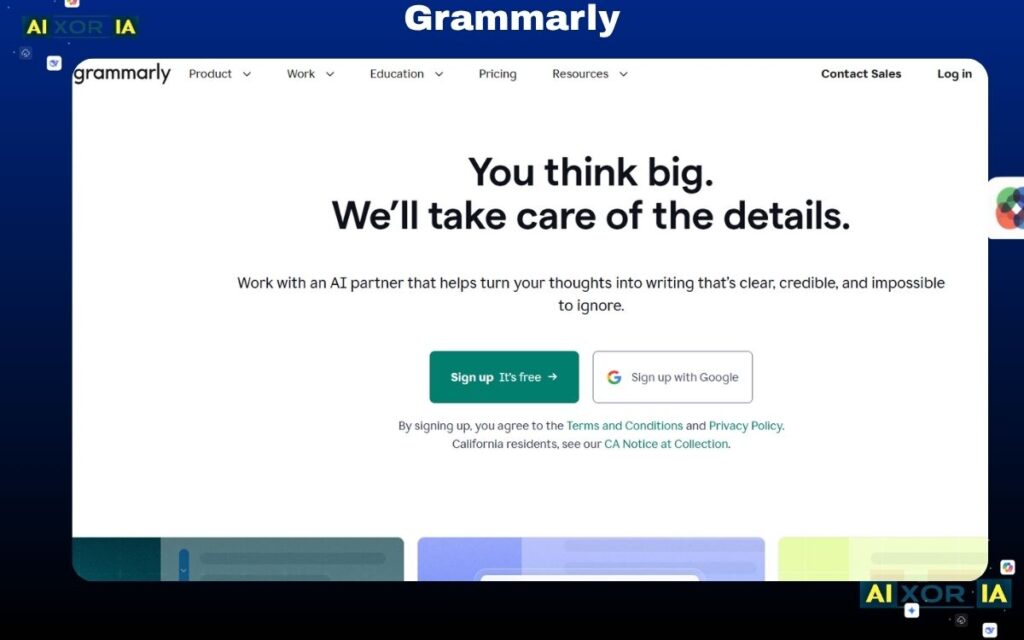
Grammarly is not a traditional paraphrase tool, but many users search for it alongside paraphrasers because it offers rewriting, tone adjustment, and clarity improvements. The company is explicit that its paraphrasing and writing features are AI-powered, and its pricing pages show a free plan plus Pro and enterprise options. Grammarly also says it can rewrite full sentences and adjust tone, which makes it valuable for editing, but not for users who truly want a non-AI system.
For US editors and professionals, Grammarly matters because it solves a different problem: not just “say this differently,” but “make this read more clearly.” That is why it often earns a place in editorial workflows even when the primary task is paraphrasing. It is especially useful when you need tone control, sentence cleanup, and consistency across a longer piece. It is not the right choice if your only goal is a strict non-AI rewrite, but it is a strong assistant when the job is final polishing.
Pricing: Free plan available; Pro is listed at $12 per member per month when billed annually, with other billing options also available.
Pros: excellent clarity improvements, strong tone control, widely trusted by teams, useful for final editing.
Cons: AI-based, not a genuine non-AI paraphrase tool, better for revision than raw rewriting.
Practical use note: Grammarly is the tool you use after the rewrite, not instead of thought. It helps the writing sound cleaner, but your judgment should still decide the final sentence.
READ MORE – 20+ Best AI Detector Tools in 2026
Which option is best if you really want no AI?
If your priority is strict non-AI writing, the most defensible workflow is manual rewriting with a thesaurus-style assist and a final human edit. Among the tools reviewed here, SpinBot is the simplest and closest to a legacy-style spinner, but the mainstream products in this space are now AI or ML-based. That means the most honest answer is that “without AI” usually refers to your process, not the brand name on the homepage.
For US students, legal writers, and editors, the best choice is usually the one that preserves meaning, keeps the voice stable, and does not overstate what the tool can do. A calm, manual rewrite workflow will often beat a flashy paraphraser because it gives you control over wording, citations, and tone. Grammarly and Turnitin both reinforce the idea that citation, clarity, and review matter more than pretending a tool can solve the entire problem.
Final recommendation
If you want a truly honest answer for 2026, it is this: there is no perfect “magic” paraphrase tool without AI. The safest and highest-quality path is a human-first workflow with minimal tool assistance, especially for academic, legal, and editorial content. If you want the simplest tool on the list, SpinBot is the closest match to a lightweight rewrite utility. If you want more control and better polishing, the AI-based tools are stronger, but they are no longer “without AI.”
The real ranking opportunity for this topic is to answer the query directly, explain the difference between non-AI and AI-assisted rewriting, and give readers a transparent workflow they can trust. That is the kind of content Google is built to reward: useful, reliable, and written for people first.