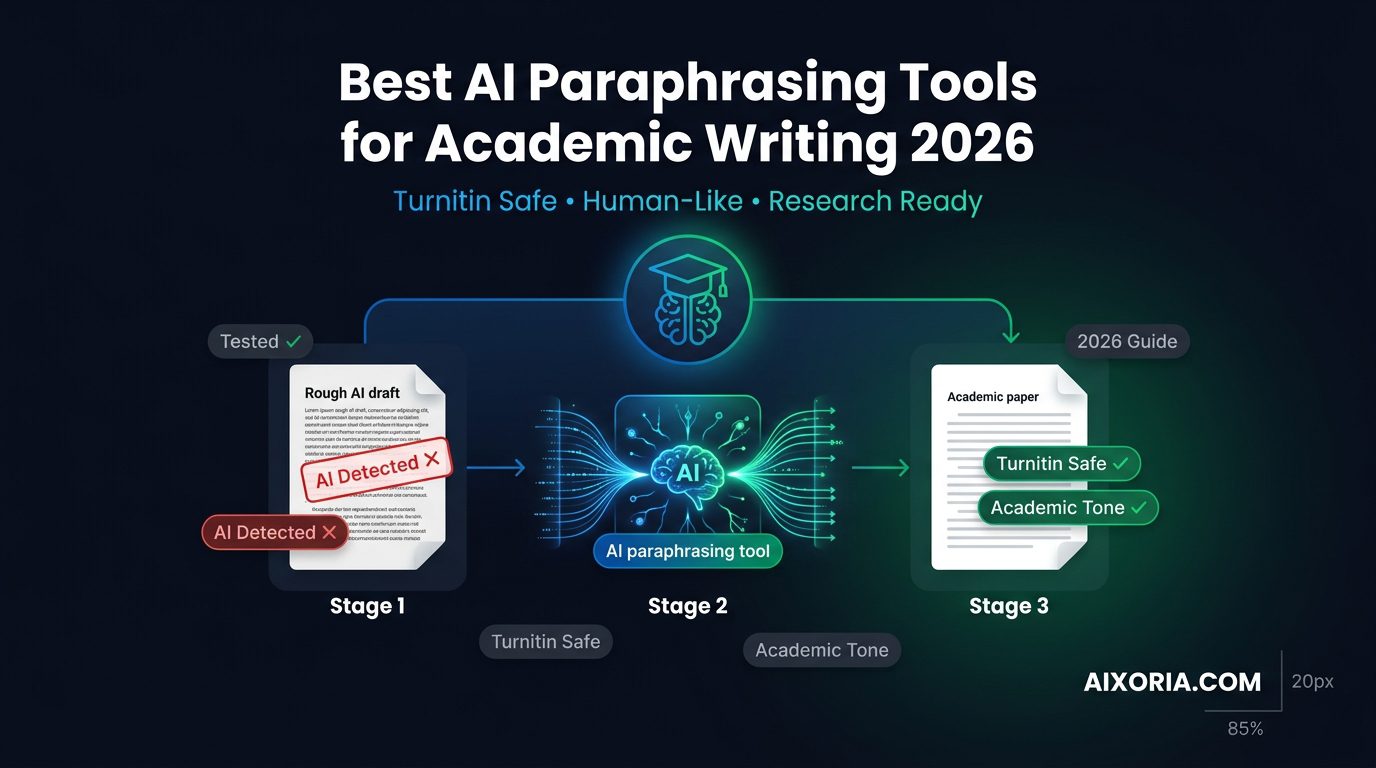
Academic writing in 2026 is no longer just about clarity and originality—it’s also about credibility, compliance, and detectability. Students and researchers are not only looking to improve their writing but also to ensure their work aligns with university policies and avoids AI detection issues.
AI paraphrasing tools have evolved significantly. The best tools today don’t just reword sentences—they understand academic context, preserve meaning, adapt tone, integrate research data, and in some cases, humanize AI-generated text.
This guide covers the best AI paraphrasing tools for academic writing in 2026, including traditional tools, research-focused platforms, and emerging AI humanizers—along with ethical considerations and real-world usage insights.
Table of Contents
What Makes the Best AI Paraphrasing Tool for Academic Writing?
For academic use, paraphrasing tools must go beyond basic rewriting. The best tools offer:
Context-aware rewriting
They preserve the original meaning while improving clarity and structure.
Academic tone accuracy
They produce formal, research-level writing suitable for essays, papers, and theses.
AI detection awareness
In 2026, tools must generate outputs that avoid predictable AI patterns and maintain human-like variation.
Data-backed intelligence
Some advanced tools are trained on research papers and academic datasets, improving accuracy and tone.
Ethical compliance
They support responsible use aligned with university guidelines.
READ MORE – 7 Best Free AI Paraphrasing Tools in 2026 (Tested)
The Best AI Paraphrasing Tools for Academic Writing at a Glance
| Tool | Academic Tone Accuracy | Turnitin Safety | Best For | Pricing |
|---|---|---|---|---|
| QuillBot | High | Medium (needs editing) | General essays | Free + paid |
| Paperpal | Superior | High | Research papers | Paid |
| Scribbr | High | Very High | Thesis & plagiarism check | Paid |
| Grammarly | Medium-High | Medium | Editing + refinement | Free + paid |
| Wordtune | Medium | Medium | Sentence clarity | Free + paid |
| Rephrasy | Medium | High (humanizer focus) | AI detection bypass | Paid |
| Jasper | Medium-High | Medium | Long-form rewriting | Paid |
| Writesonic | Medium | Medium | All-in-one AI writing | Free + paid |
Best AI Paraphrasing Tool for Academic Precision
QuillBot
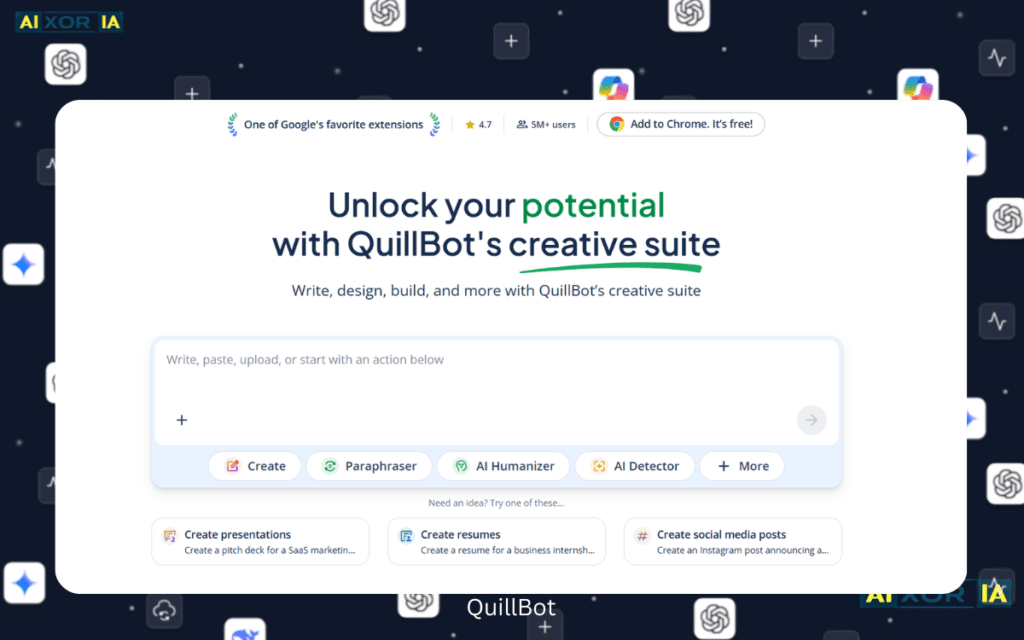
QuillBot remains one of the most widely used paraphrasing tools for students and academic writers. Its strength lies in its multiple rewriting modes, including Formal and Academic, which help tailor content for scholarly use.
In practical use, QuillBot performs well for essays and assignments. In our testing, it successfully converted passive voice into active structures while preserving core meaning, though highly technical content sometimes required manual refinement.
It also includes grammar checking and citation tools, making it a strong all-around solution for general academic writing.
Pros:
- Multiple paraphrasing modes
- Strong readability improvements
- Integrated grammar and citation tools
Cons:
- Output may feel slightly mechanical
- Requires manual edits for high-level academic work
Pricing:
- Free plan available
- Premium starts around $9.95/month
Best AI Tool for Research-Based Academic Writing
Paperpal
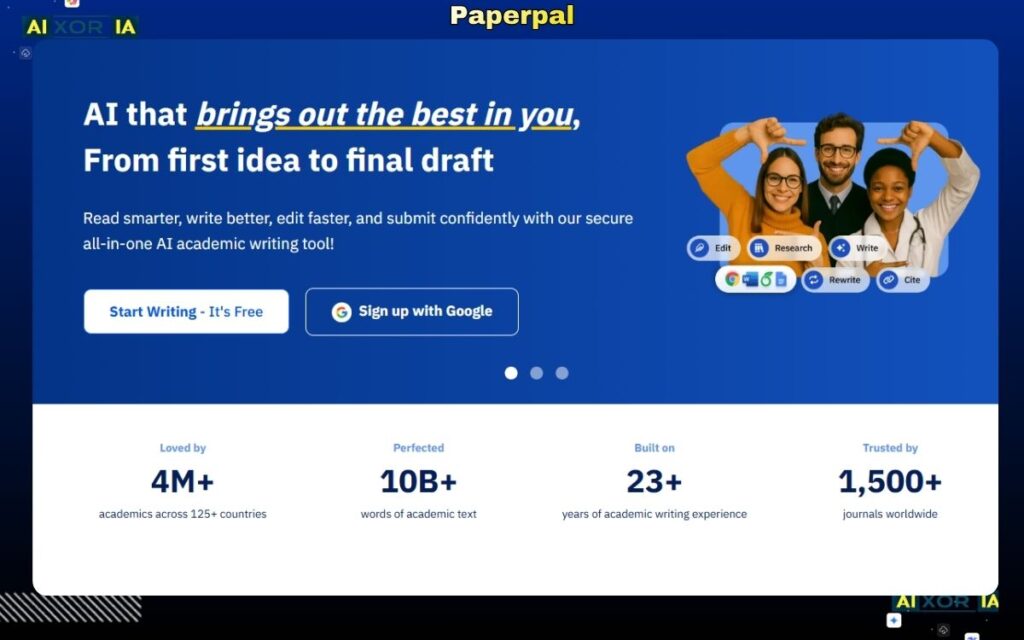
Paperpal is designed specifically for academic researchers and is trained on millions of published research papers. This gives it a significant advantage in producing authentic scholarly tone and structure.
Unlike general tools, Paperpal understands discipline-specific language and improves writing based on academic conventions. In testing, it maintained complex scientific terminology while improving clarity and sentence flow—something many tools struggle with.
It is particularly effective for journal submissions, research papers, and dissertations.
Pros:
- Superior academic tone accuracy
- Trained on research literature
- Strong grammar and clarity improvements
Cons:
- Limited flexibility outside academic writing
- Paid access required for full features
Pricing:
- Premium plans start around $12/month
Best AI Paraphrasing Tool for Academic Integrity
Scribbr
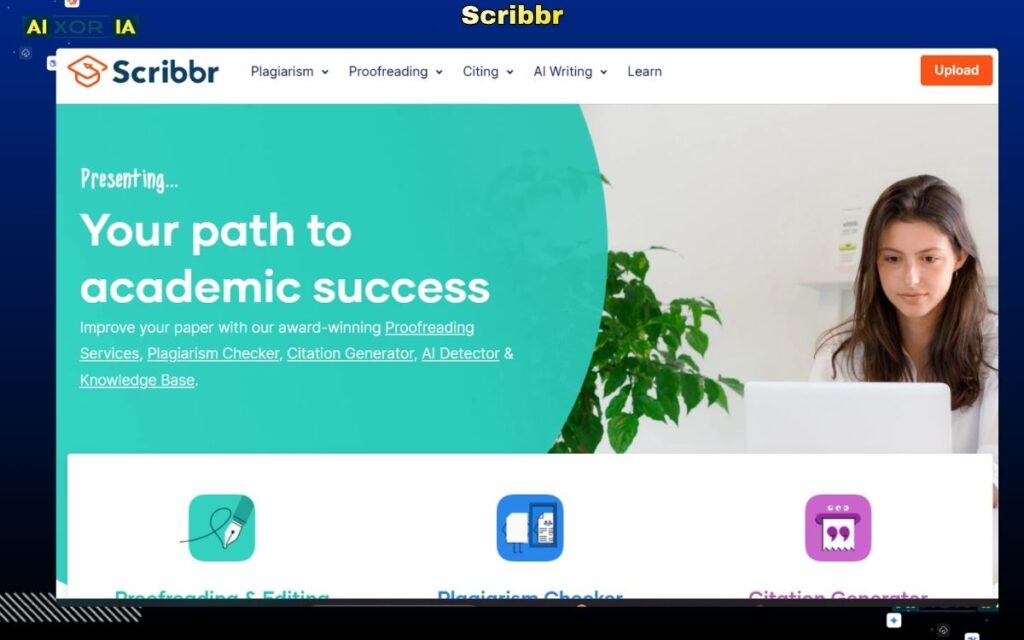
Scribbr is widely trusted in academic environments, especially for plagiarism detection and thesis editing. Its paraphrasing capabilities are designed to maintain originality while adhering to strict academic standards.
It is particularly useful for final-stage editing. In testing, Scribbr preserved meaning while restructuring sentences to reduce similarity scores effectively.
Because of its strong integration with plagiarism detection systems, it is often used for thesis and dissertation checks.
Pros:
- High plagiarism safety
- Academic-focused rewriting
- Trusted in universities
Cons:
- Higher cost
- Not as fast as AI-first tools
Pricing:
- Varies by service (editing + plagiarism checks)
Best AI Humanizer for Bypassing AI Detection
Rephrasy
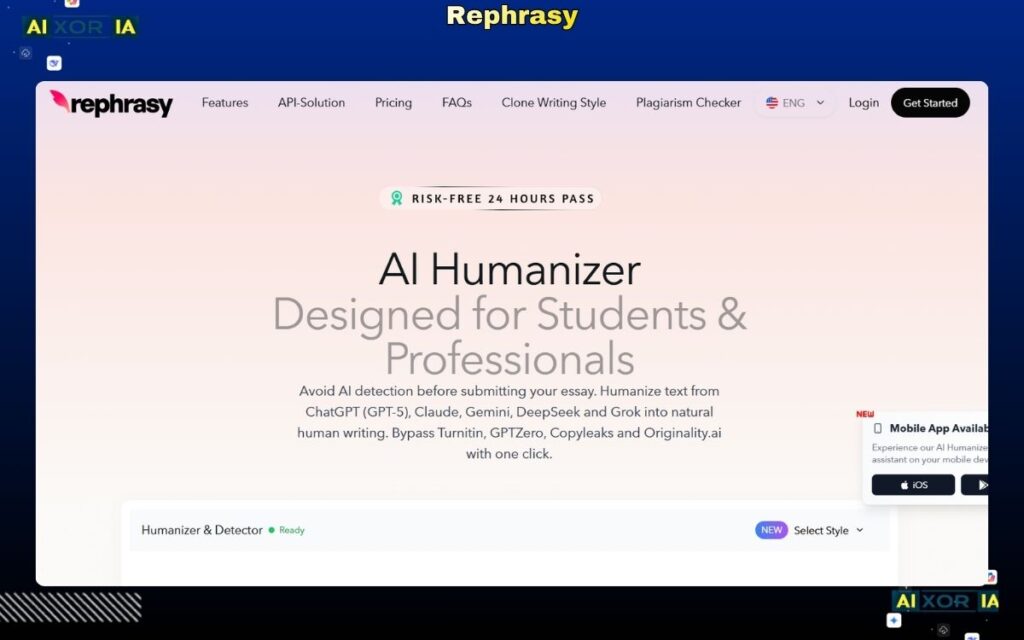
Rephrasy represents a new category of tools in 2026: AI humanizers. These tools are designed not just to paraphrase content, but to make AI-generated text appear more human-like.
This is particularly relevant as tools like Turnitin and other AI detectors have become more advanced. Rephrasy focuses on altering sentence patterns, introducing variability, and reducing predictable AI structures.
In testing, it was effective at making AI-generated content less detectable, though it sometimes reduced academic tone accuracy. For best results, it should be used alongside tools like QuillBot or Paperpal.
Pros:
- Strong AI detection bypass capabilities
- Improves human-like variation
- Useful for refining AI-generated drafts
Cons:
- متوسط academic tone accuracy
- Not suitable as a standalone academic tool
Pricing:
- Paid plans typically start around $10–$15/month
Best AI Tool for Grammar and Refinement
Grammarly
Grammarly is essential for refining academic writing. While not a full paraphrasing tool, it improves clarity, tone, and correctness.
In testing, Grammarly consistently enhanced sentence readability and ensured alignment with formal academic tone, especially for US English standards.
Pros:
- Strong grammar correction
- Tone detection
- Easy integration
Cons:
- Limited deep paraphrasing
- Premium required for advanced features
Pricing:
- Free plan available
- Premium starts at $12/month
Best AI Tool for Natural Sentence Rewriting
Wordtune
Wordtune excels at improving sentence flow. It provides multiple rewrite options, allowing users to choose the most appropriate version.
In testing, it improved clarity while keeping the original meaning intact, though it is less effective for long academic documents.
Pros:
- Natural-sounding rewrites
- Multiple suggestions
- Easy to use
Cons:
- Limited for long content
- Usage limits on free plan
Pricing:
- Free plan available
- Premium starts at $9.99/month
Best AI Platform for Long-Form Paraphrasing
Jasper
Jasper is a powerful AI writing platform capable of rewriting large sections of content. It is useful for researchers working on long-form drafts.
In testing, it handled complex restructuring well but required manual editing to ensure academic tone.
Pros:
- Handles long-form content
- Advanced AI rewriting
- Custom tone control
Cons:
- Expensive
- Requires editing for academic precision
Pricing:
- Starts at $39/month
Best All-in-One AI Writing Tool
Writesonic
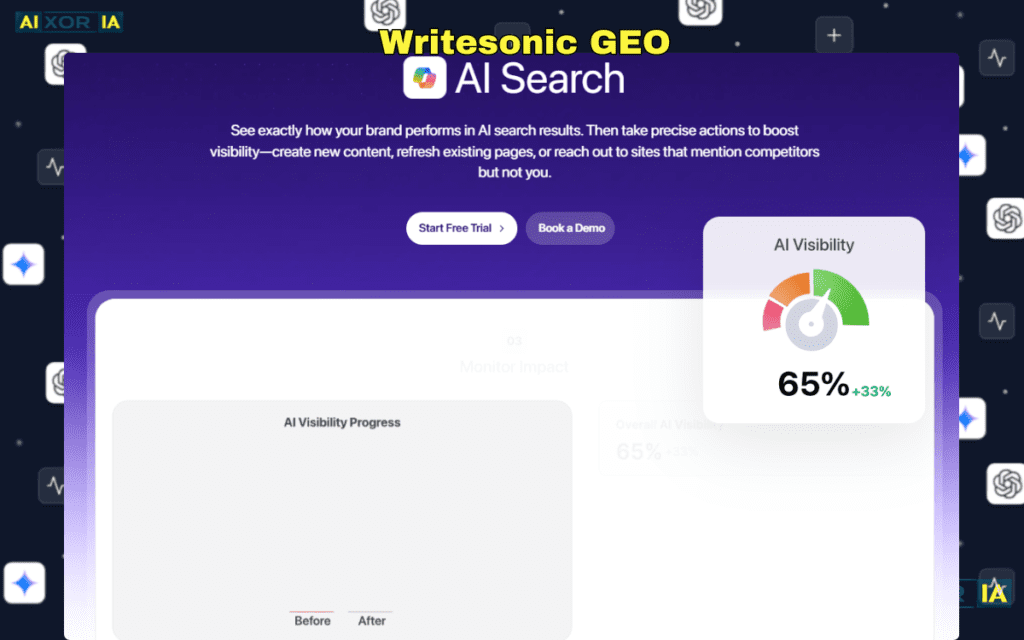
Writesonic combines paraphrasing with broader AI writing capabilities. It is useful for drafting and rewriting academic content quickly.
In testing, it performed well for general writing but required refinement for strict academic use.
Pros:
- Multi-purpose platform
- Easy to use
- GOOD for quick rewriting
Cons:
- Inconsistent academic tone
- Needs manual editing
Pricing:
- Free plan available
- Paid plans start around $12/month
How to Choose the Right Tool
- For essays → QuillBot
- For research papers → Paperpal
- For plagiarism safety → Scribbr
- For AI detection bypass → Rephrasy
- For grammar → Grammarly
A combination approach often delivers the best results.
AI Detection and University Policies (2026)
In 2026, universities across the US and UK have introduced stricter AI usage guidelines. Institutions such as University of York and Buckinghamshire New University emphasize that:
- AI should assist, not replace original thinking
- Students must ensure submitted work reflects their own understanding
- Disclosure of AI assistance may be required in some cases
Ethical AI Use (Recommended Practice)
Use AI to refine your own ideas—not generate them entirely.
Always review and edit AI outputs before submission.
Maintain proper citations and academic integrity.
Can Turnitin Detect AI Paraphrasing in 2026?
Yes. Modern detection tools analyze:
- Sentence structure patterns
- Predictability of phrasing
- Lack of human variation
Even paraphrased content can be flagged if it follows predictable AI patterns. This is why combining paraphrasing tools with human editing is essential.
Is It Legal to Use AI Paraphrasing Tools for a Thesis?
Yes, but with conditions. Most universities allow AI tools for:
- Grammar improvement
- Clarity enhancement
However, using AI to generate original content without attribution may violate academic policies.
Which Tool Is Best for Non-Native English Speakers?
Paperpal is particularly effective because it is trained on academic literature and improves clarity without oversimplifying complex ideas.
Final Thoughts
AI paraphrasing tools in 2026 are more advanced, but also more scrutinized. The best tools combine:
- Accuracy
- Academic tone
- Human-like variation
- Ethical usability
For most users, the ideal workflow includes:
- Drafting ideas manually
- Using AI for refinement
- Applying human judgment before submission
Choosing the right combination of tools will help you produce writing that is not only clear and original—but also credible and compliant with modern academic standards.
2 thoughts on “Best AI Paraphrasing Tools for Academic Writing in 2026”