What Is Event Management (And Why It Matters in 2026)
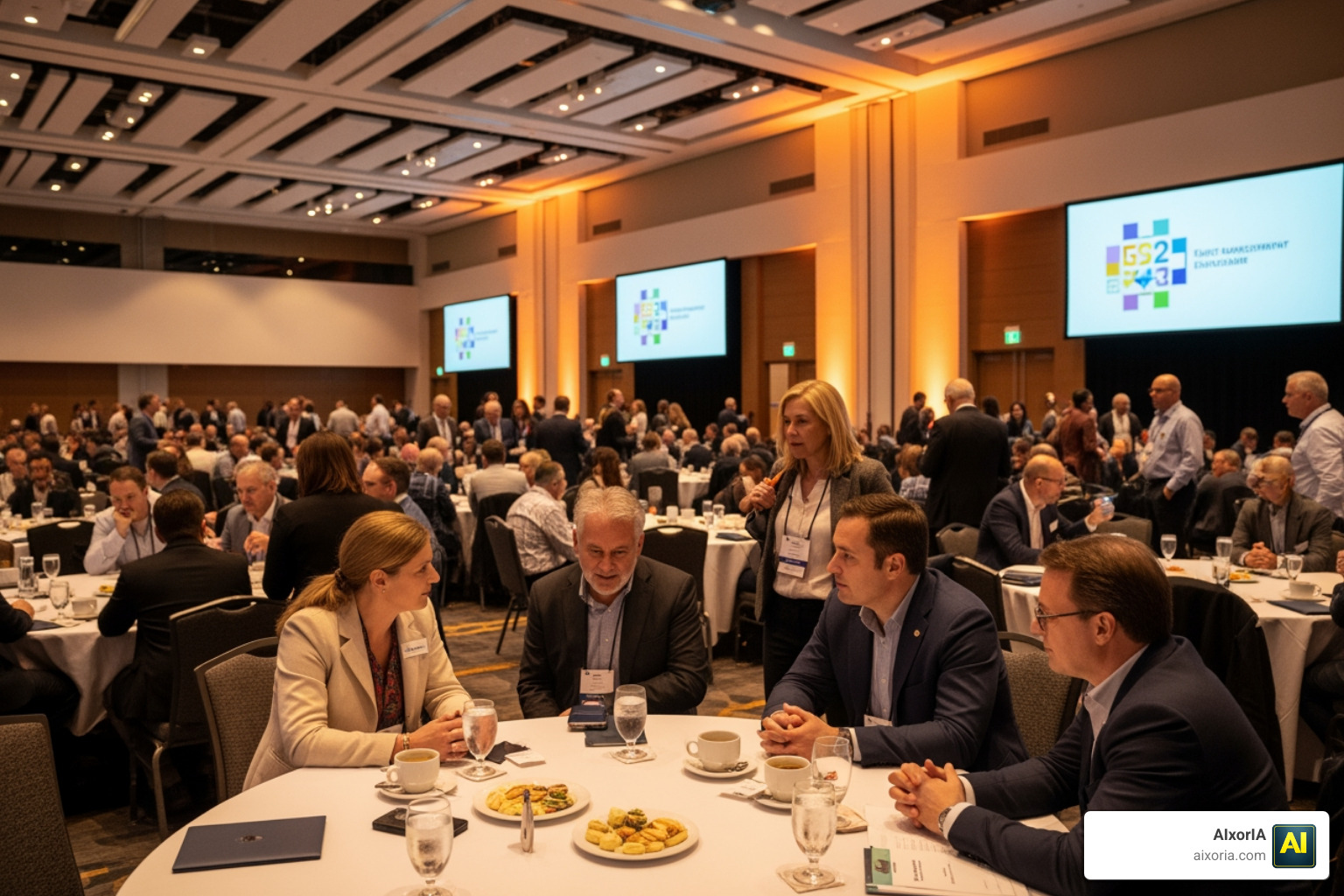
Event management is the process of planning, organizing, and executing events — from small business meetings to large-scale festivals, conferences, and global conventions.
Quick answer:
- What it is: Applying project management principles to create and deliver events of any size, ensuring they meet specific strategic goals.
- Who uses it: Businesses, nonprofits, governments, agencies, and independent planners looking to foster connection and drive engagement.
- Key tasks: Budgeting, venue selection, logistics, marketing, on-site coordination, vendor management, and post-event analysis.
- Tools used: Software platforms like Cvent, EventsAir, Accelevents, and EventCreate, often integrated with AI for enhanced efficiency.
- Career outlook: 11% job growth projected from 2024–2034, with a median salary of $146.3K for experienced directors.
The events industry is massive. It spans everything from charity runs and street festivals to corporate product launches and international conventions. In 2026, it is a primary driver of global tourism, often accounting for a significant percentage of a city’s annual revenue through hotel stays, local dining, and transportation. Beyond the economics, events support community development by creating shared spaces for cultural exchange and helping nonprofits raise millions for critical social causes.
And it’s more complex than most people expect. A single event can require coordinating dozens of vendors, managing thousands of attendees, tracking a tight budget, and responding to last-minute crises — all at once. The logistical web involves hundreds of moving parts that must align perfectly within a window of just a few hours or days. It’s frequently cited as one of the most stressful careers out there, on par with some medical professions, due to the high-stakes nature of live production.
But with the right systems, tools, and knowledge, it’s also one of the most rewarding. This guide walks you through everything — from the basics of event planning to the latest AI-powered tools, sustainability practices, risk management strategies, and career pathways shaping the industry in 2026.
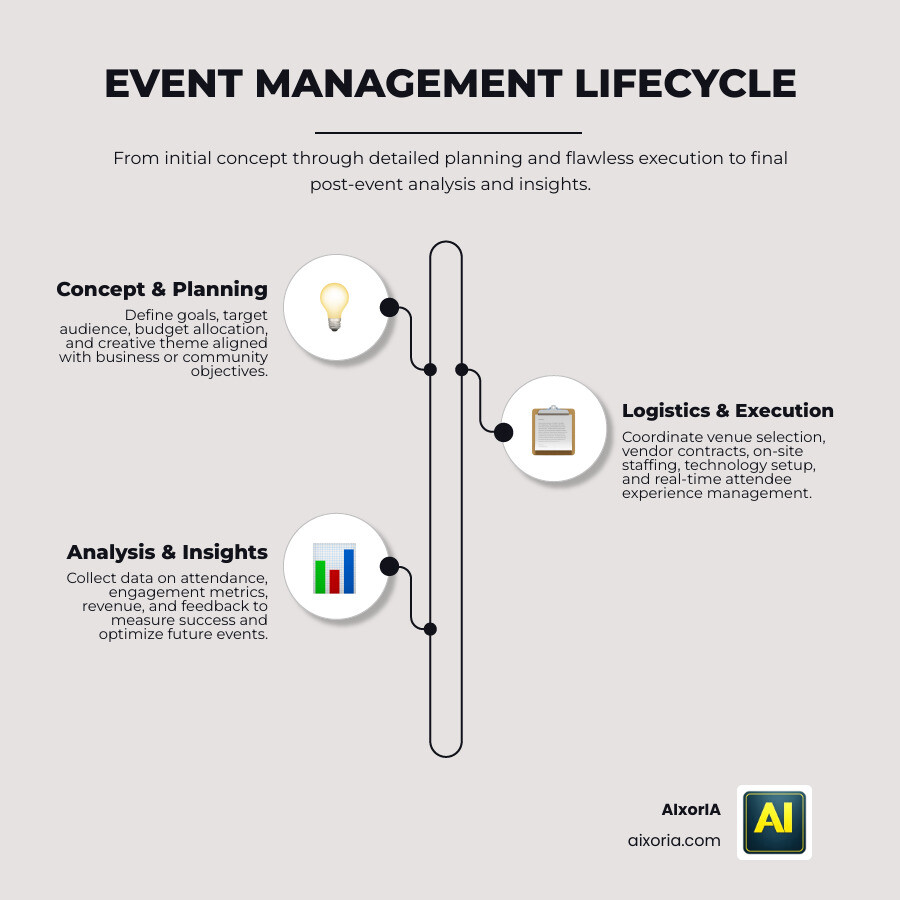
The Core Pillars of Professional Event Management
Professional event management is essentially the application of project management to the creation and development of small and large-scale personal or corporate events. We see it as a blend of logic and magic—balancing a structured flow with the flexibility to allow for those “magical” unplanned moments that attendees remember forever.
To succeed, we focus on several core pillars:
- Brand Study: Understanding the “why” behind the event and how it aligns with the host’s identity. This involves deep-diving into the organization’s mission to ensure that every touchpoint—from the invitation design to the keynote topics—reinforces the brand message without “brand drift.”
- Target Audience: Identifying exactly who is attending to tailor the experience to their needs, preferences, and accessibility requirements.
- Concept Development: Creating a cohesive theme or “hook” that ties the event together and makes it stand out in a crowded marketplace.
- Technical Coordination: Managing the A/V, lighting, and digital infrastructure that keeps things running. In 2026, this also includes managing high-speed connectivity and ensuring that interactive elements are synchronized across the venue.
To keep these moving parts organized, many professionals use the Best AI Tools for Business Productivity to automate scheduling and task management.
Strategic Planning and Budgeting in Event Management
Financial management is the backbone of any successful gathering. Without a solid budget, even the most creative event can become a liability. We advocate for a “single source of truth” approach—using integrated software to track every cent in real-time. This prevents the common pitfall of “hidden costs” that often emerge in the final weeks of planning.
Effective budgeting involves identifying revenue streams (like ticket sales, sponsorships, or grants) and strictly controlling costs through early negotiation and bulk purchasing.
| Cost Type | Examples | Management Strategy |
|---|---|---|
| Fixed Costs | Venue rental, insurance, basic marketing, permits | Negotiate early; these don’t change with attendee count. |
| Variable Costs | Catering, printed badges, gift bags, Wi-Fi bandwidth | Scale these based on real-time registration data. |
Logistics and On-Site Coordination
Logistics is where the “management” in event management truly happens. It involves site selection (choosing from the nearly 340,000 venues available globally via networks like Cvent), securing permits, and coordinating transportation for both equipment and people.
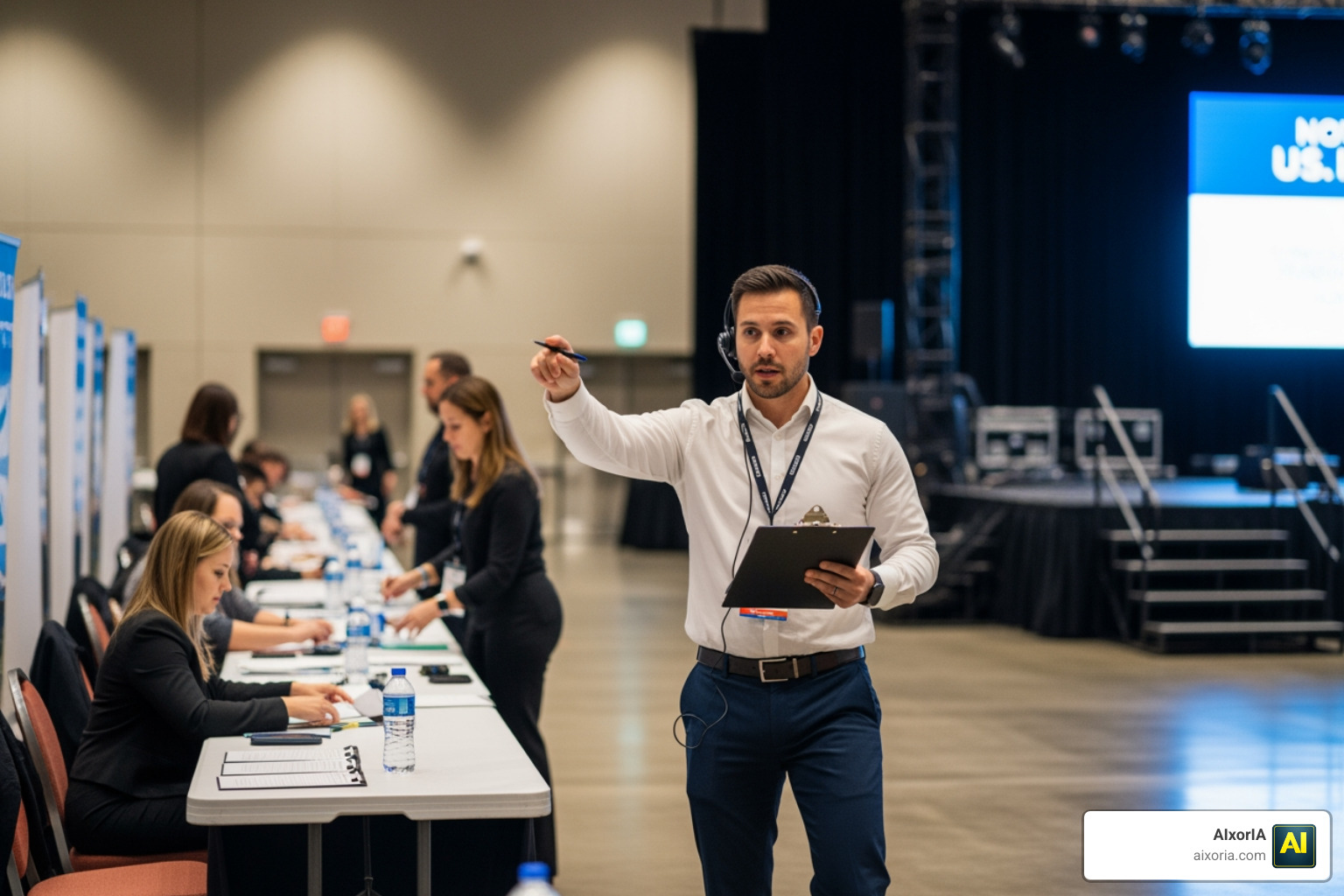
On-site, the manager is the “conductor.” You are mediating venue conflicts, ensuring equitable access for all community members, and overseeing security protocols. Because communication is vital during the “live” phase, we recommend utilizing The 7 Best Team Collaboration Tools in 2026 to keep your staff, vendors, and volunteers on the same page in real-time.
Leveraging Technology and AI for Modern Events
In 2026, tech is no longer optional. Platforms like Accelevents and EventsAir have revolutionized how we handle registration and marketing. Automation allows us to create personalized registration journeys and branded event websites in minutes rather than days, significantly reducing the administrative burden on small teams.
AI is now integrated into the entire lifecycle. We use it to:
- Refine venue searches and build complex RFPs based on historical data.
- Generate personalized email invites and SMS updates that adapt to attendee behavior.
- Provide 24/7 attendee support via AI-driven chat that can handle thousands of simultaneous queries.
- Predict attendee turnout and food waste based on registration patterns.
For planners looking to grow their reach, the Best AI Tools for Sales and Marketing in 2026 can help automate lead generation and social media promotion.
Virtual and Hybrid Event Management
One of the most significant shifts in recent years is the move toward virtual and hybrid formats. Beyond the convenience, the environmental impact is staggering. Research shows that moving an event from in-person to virtual can reduce its carbon footprint by a massive 94%. Even hybrid events (with over 50% in-person participation) can reduce the footprint by 67% by minimizing long-distance travel.
Modern platforms like Eventsforce allow us to deliver two experiences on one platform. Virtual attendees can access live streams and on-demand content, while in-person guests use mobile apps for networking. To manage these split teams effectively, we rely on the Best Communication Tools for Remote Teams in 2026.
Data-Driven Engagement and Sponsor ROI
Data is the currency of modern event management. We no longer guess if an event was successful; we measure it with granular precision.
- Engagement Scoring: Tracking how long attendees watch a session, which booths they visit, or how many times they interact with the app. This allows for real-time adjustments to the schedule if certain sessions are underperforming.
- Gamification: Using live polls, Q&A, and digital “scavenger hunts” to boost participation. This isn’t just for fun; it’s a strategic way to guide attendee flow toward specific sponsors or educational zones.
- Lead Capture: Providing sponsors with robust technology to connect with attendees and prove their ROI through concrete interaction data.
Software like EventCreate provides powerful analytics that help us understand guest behavior, which is essential for securing future sponsorships and improving the attendee experience year-over-year.
Risk Management, Insurance, and Sustainability
Risk management is about preparing for the “what ifs.” Most professional venues now require organizers to hold at least $1,000,000 per occurrence in general liability coverage to protect against accidents or property damage. This is the baseline for any professional operation.
We also see a rise in parametric insurance. Unlike traditional policies, these trigger automatic payouts based on pre-defined data, such as a specific amount of rainfall or wind speed, which is a lifesaver for outdoor festivals and sporting events. This ensures that even if the weather doesn’t cooperate, the financial stability of the event remains intact.
Sustainability Practices and Event Greening
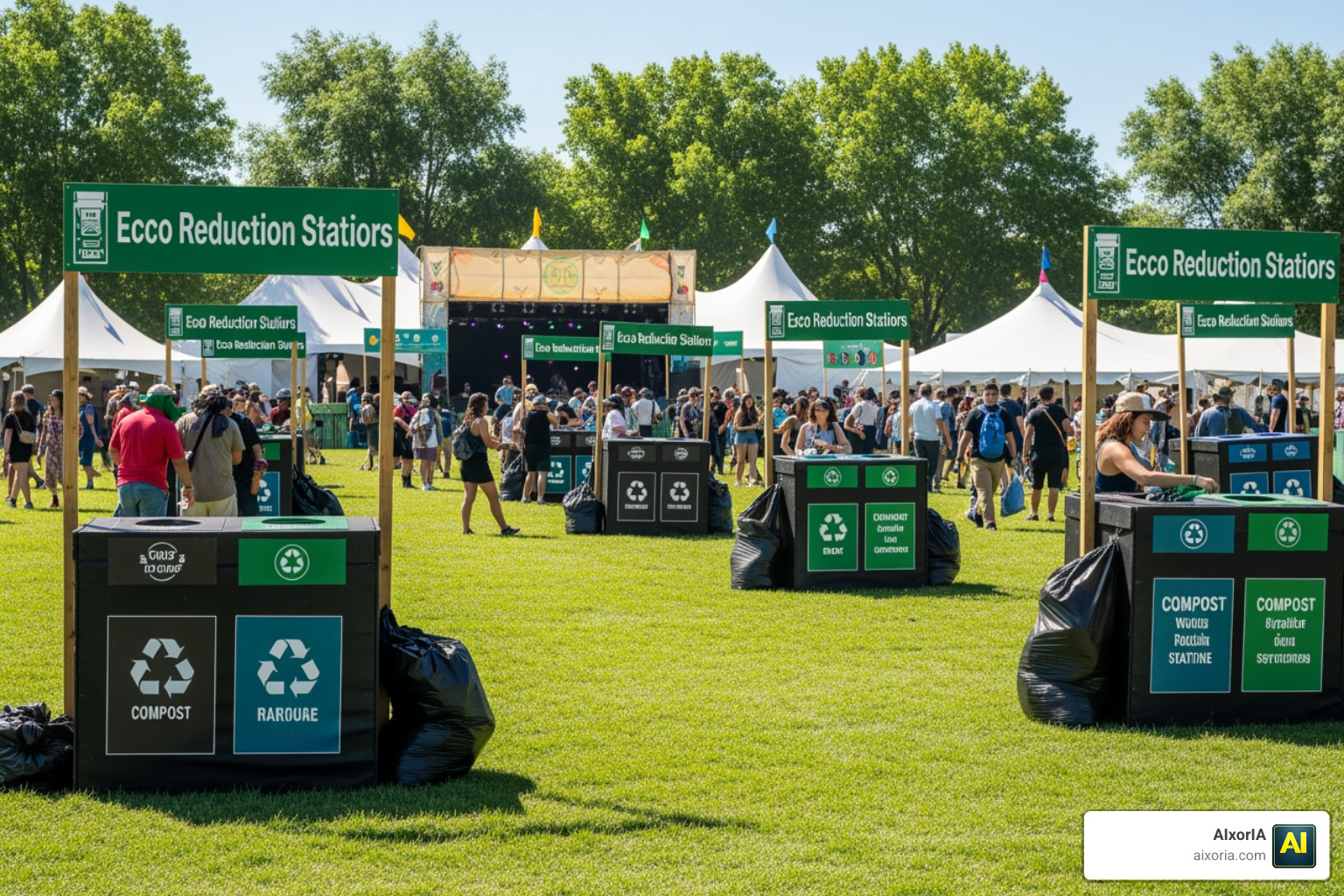
“Event greening” is now a core responsibility rather than a “nice-to-have” feature. This starts at the inception of the project. We involve stakeholders in decisions that reduce waste, such as implementing a “zero-plastic” policy and prioritizing local catering to reduce the carbon cost of food transport. We also look at the “circular economy” of events—ensuring that stage sets and signage are either digital or made from 100% recyclable materials that can be repurposed for future gatherings.
Furthermore, modern event ethics demand equitable access. This means adhering to strict non-discrimination policies and ensuring venues are fully accessible to all, regardless of physical ability, including providing digital accessibility for virtual components.
Career Pathways and Professional Development
The field is booming. With an 11% projected job growth and a median salary of $146.3K, event management is a high-stakes, high-reward career.
Educational pathways have evolved significantly. Programs like the MS in Event Management at NYU SPS offer a global perspective, with 84% of graduates moving directly into roles like Director of Special Events. Certifications and “Global Field Intensives” help planners build the network needed to manage international congresses. If you’re looking to start your own agency in this space, check out the Best AI Tools for Entrepreneurs in 2026 to help scale your operations.
Frequently Asked Questions about Event Management
What are the core responsibilities of an event manager?
An event manager is responsible for the end-to-end delivery of an event. This includes strategic planning, budgeting, site selection, vendor negotiation, marketing, risk management, and on-site coordination. They act as the central facilitator between the client, the venue, and the attendees, ensuring that the project stays on track and within budget.
How does technology improve event ROI?
Technology improves ROI by automating time-consuming tasks (like registration and check-in), which reduces labor costs. It also provides deep data insights and engagement scoring, allowing you to prove the value of the event to sponsors and stakeholders through concrete numbers rather than anecdotes. This data is vital for securing future funding.
What is the difference between virtual and hybrid events?
A virtual event takes place entirely online, usually via a digital hub or webinar platform. A hybrid event combines a live, in-person gathering with a virtual component, allowing remote attendees to participate in the same sessions and networking opportunities as those on-site, often using a unified mobile app to bridge the gap.
How is AI changing the role of the event manager?
AI is shifting the manager’s role from administrative to strategic. By automating tasks like data entry, schedule optimization, and basic attendee inquiries, AI allows managers to focus on high-level creative direction, relationship building with VIPs, and complex problem-solving that requires a human touch.
Conclusion
As we look toward the future of event management, it is clear that the industry is moving toward a more tech-integrated, sustainable, and data-driven model. Whether you are planning a small corporate retreat or a street festival for 1.5 million people, the principles remain the same: meticulous planning, clear communication, and the right tools.
At AIxorIA, we understand that managing modern technology can be as complex as managing the event itself. We provide custom AI solutions, tool training workshops, and performance audits to help businesses streamline their operations and empower their teams. Our mission is to provide simple language help and fast support so you can focus on creating memorable experiences.
Ready to take your business productivity to the next level? Visit us at https://aixoria.com/ to explore how we can support your journey.
Thanks for the auspicious writeup. It actually was once a amusement account it.
Glance complicated to far added agreeable from you!
However, how can we be in contact?