Aligning Your Business Model with Marketplace Software Types
Scr0ll d0wn to D0VVNL0AD

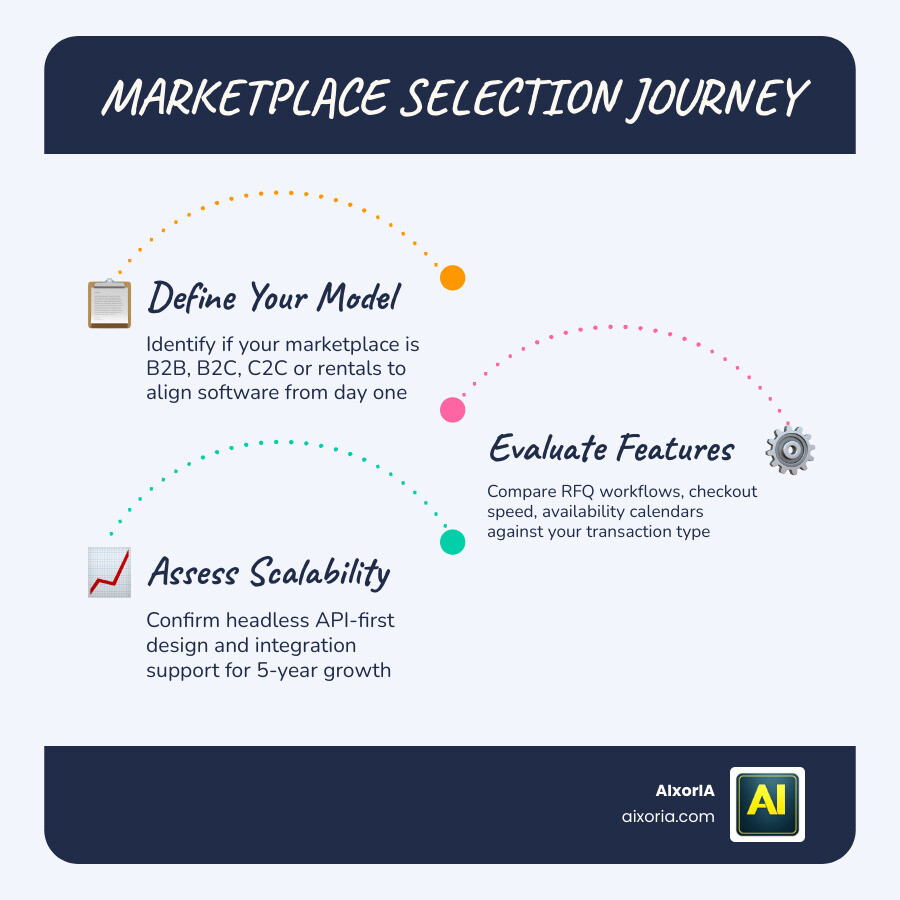
Before diving into technical specifications, we must first look at the “Who” and “What.” Marketplace software is not a one-size-fits-all solution. A platform designed to sell vintage sneakers (C2C) will struggle to handle a wholesale medical supply network (B2B). In 2026, the complexity of these transactions has only increased, requiring more specialized logic for each model to ensure seamless operations and user satisfaction.
The primary models you’ll encounter in 2026 include:
- B2B (Business-to-Business): Focuses on bulk pricing, tax exemptions, and complex procurement. These platforms must handle volume-based discounts and corporate account hierarchies.
- B2C (Business-to-Consumer): The classic “Amazon” model where professional sellers reach individuals. Success here depends on personalization and high-conversion marketing tools.
- C2C (Consumer-to-Consumer): Peer-to-peer platforms like eBay or Airbnb where individuals trade with each other. These require robust trust-building features like user ratings and secure messaging.
- Rental/Service Models: Focus on time-based availability rather than physical inventory. These need sophisticated booking engines and often geo-location services for local discovery.
According to research on Top Multi-Vendor Marketplace Platforms to Choose in 2026, the most successful operators are those who match their software to their specific transaction model from day one. If you are integrating advanced intelligence into these models, check out our guide on the Best AI Tools for Business in 2026 to see how autonomous agents are changing the game.
How to choose the best marketplace software for B2B vs B2C
The difference between B2B and B2C is like the difference between a handshake deal and a flash sale. B2B software requires robust RFQ (Request for Quote) workflows, contract-based pricing, and multi-level approval chains. You aren’t just selling a product; you’re facilitating a corporate procurement process that often involves multiple stakeholders and long-term relationships.
In contrast, B2C marketplaces live and die by SEO optimization, lightning-fast checkout, and high-quality consumer UX. When considering how to choose the best marketplace software for retail, look for features like AI-driven search and social commerce integrations. For more on this, explore the Top AI Tools for Ecommerce in 2026.
Supporting Niche Models: Rentals and Services
If your marketplace is for renting equipment or booking consultants, “stock levels” don’t matter—availability calendars do. You need software that supports time-slot blocking, deposit handling, and service proposals. This requires a different database structure than traditional retail software.
For service-based models, trust is the currency. Look for “vetted workflows” that allow you to verify credentials before a seller goes live. As noted in The Best Marketplace Software for Founders – Roobykon Software, choosing a platform that doesn’t natively support rentals can lead to “hacky” workarounds that break as you scale and increase your technical debt.
Strategic Framework: How to Choose the Best Marketplace Software in 2026
We recommend using a weighted evaluation scorecard. This removes the “gut feeling” and replaces it with data. Assign percentages to different categories based on your goals to ensure your selection aligns with your long-term business objectives:
- Strategic Fit (20%): Does it align with your 5-year vision? Consider if the vendor’s roadmap includes emerging tech like spatial commerce or decentralized identity.
- Core Features (25%): Does it handle your specific transaction type? This includes everything from search filters to checkout logic.
- Technical Architecture (20%): Is it headless and API-first? This ensures you aren’t locked into a specific front-end and can adapt to new devices.
- Cost & ROI (20%): Is the TCO sustainable? Look beyond the sticker price to implementation and maintenance costs.
- Vendor Reliability (15%): Do they have a solid roadmap and financial backing?
When planning your rollout, using the Best Project Management Software for Small Business in 2026 can help keep your selection team on track. For a deeper dive into the 2026 landscape, see the How to Choose Marketplace Platforms (2026) — Buyer’s Guide | ProPicked.
Core Functionality for Seller and Catalog Management
Your sellers are your lifeblood. If their dashboard is confusing, they won’t list products. Look for self-service onboarding and automated KYC (Know Your Customer) checks to ensure compliance without manual intervention. This is especially important for global marketplaces where regulations vary by region.
Catalog management is often where marketplaces fail. You need software that handles attribute mapping—the ability to take messy data from 100 different sellers and make it look uniform on your site. Implementing the Best Workflow Automation Software in 2026 can automate these moderation workflows, saving your team hundreds of hours and ensuring a high-quality catalog.
Payment Infrastructure and Financial Operations
This is the most technically difficult part of a marketplace. You are essentially acting as a middleman for money. You need:
- Escrow Services: Holding funds until the buyer confirms receipt, which is vital for building trust in C2C environments.
- Split Payments: Automatically sending $80 to the seller and $20 to your bank account at the point of sale.
- Tax Compliance: Handling VAT/GST across different geographies automatically to avoid legal complications.
- KYC/AML Integration: Automated identity verification to prevent fraud and ensure regulatory compliance.
As highlighted in How to Choose the Best Marketplace Software?, a platform that doesn’t support native split payments will force your finance team into a manual reconciliation nightmare that becomes impossible to manage as you scale.
Technical Architecture and Scalability Benchmarks
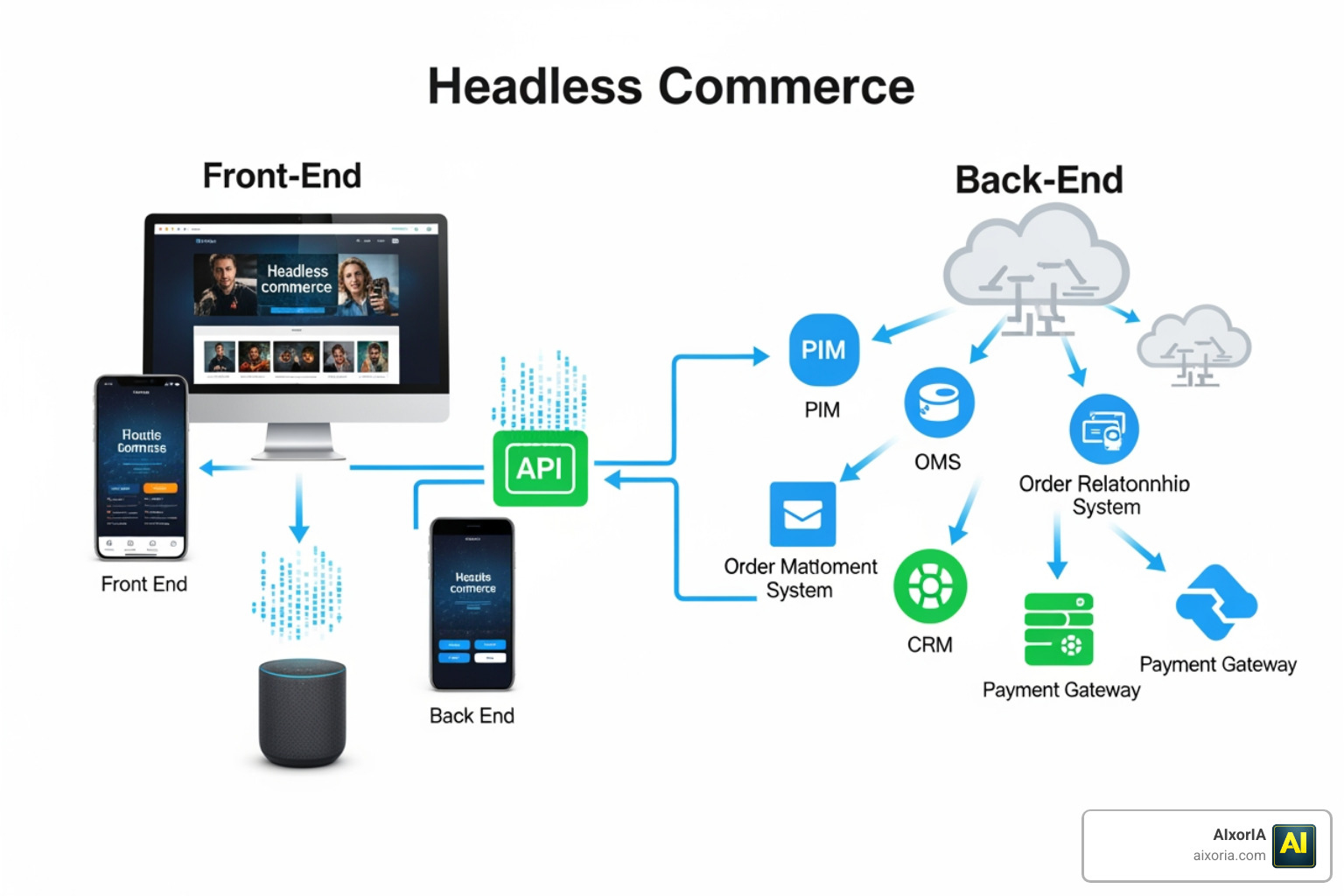
In 2026, the gold standard is Headless Commerce. This means the back-end (the engine) is separated from the front-end (the “skin”). This allows you to change your website’s look or launch a mobile app without touching the core logic. This decoupling is essential for omnichannel strategies where you might sell via web, mobile, AR glasses, or voice assistants.
Technical benchmarks: how to choose the best marketplace software for scale
Don’t just take a vendor’s word for it. Ask for benchmarks. A scalable platform should offer:
- GraphQL or REST APIs: For seamless data exchange between your marketplace and external services.
- Webhooks: To trigger actions in other apps (like sending a Slack message when a sale happens or updating a CRM).
- Real-time Sync: Ensuring inventory levels and pricing are accurate across all channels instantly to prevent overselling.
- Microservices Support: Allowing you to scale specific parts of the platform (like search or checkout) independently.
For ambitious founders, checking the Best AI Tools for Entrepreneurs in 2026 will show you how to leverage these technical foundations for automated growth. You can also find technical comparisons in the Best Marketplace Platform Software | Top Picks 2026.
Integration Ecosystem and Extensibility
No marketplace is an island. Your software must play nice with your existing ERP, CRM, and shipping providers. Look for a “strong partner network” and pre-built connectors. If a platform has poor developer documentation, your customization costs will skyrocket, and your time-to-market will be significantly delayed.
Calculating Total Cost of Ownership and ROI
One of the biggest mistakes is looking only at the monthly subscription fee. You must build a 5-year TCO (Total Cost of Ownership) model. This model should account for the evolution of your business, including projected transaction volumes and the need for additional integrations as you scale.
| Feature | SaaS Platform | Open Source | Custom Build |
|---|---|---|---|
| Upfront Cost | Low ($) | Medium ($$) | Very High ($$$$) |
| Speed to Market | Days/Weeks | Months | 6-12 Months |
| Maintenance | Included | Your Responsibility | Your Responsibility |
| Scalability | High (Built-in) | High (If optimized) | Unlimited |
| 5-Year TCO | Predictable | Variable | High |
Identifying Hidden Fees and Operational Costs
Watch out for “success taxes”—transaction fees that eat into your margins as you grow. Other hidden costs include:
- Hosting expenses: Especially for self-hosted open-source versions where you manage the server infrastructure.
- Security patches: The cost of developers to keep the system safe from evolving cyber threats.
- Migration planning: The cost of moving data if you outgrow the tool, which can be significant if the data structure is proprietary.
- Opportunity Cost: The revenue lost if the platform is down or if slow performance drives customers away.
Common Pitfalls to Avoid During Selection

We’ve seen many businesses fall into these traps:
- The Plugin Trap: Trying to turn a standard e-commerce site (like basic WordPress) into a marketplace using only plugins. This often leads to performance lag, security holes, and “plugin hell” where updates to one tool break another.
- Clone Scripts: Buying a “cheap” Airbnb clone script. These are rarely updated, often contain spaghetti code, and almost never scale beyond a few hundred users.
- Underestimating Governance: Thinking sellers will manage themselves. You need robust moderation tools, automated flagging systems, and clear communication channels to keep the quality high and protect your brand reputation.
- Rigid Architectures: Choosing a platform that doesn’t allow for custom data models. As your marketplace grows, you will inevitably need to store unique data points that the original developers didn’t anticipate.
Frequently Asked Questions about Marketplace Software
Should I build from scratch or use a platform?
Unless your unique value proposition is the technology itself (like a brand-new type of blockchain payment), use a platform. SaaS solutions in 2026 are so advanced that building from scratch is usually a waste of capital. It’s better to spend that money on marketing and seller acquisition to build your network effect.
How long does marketplace implementation take?
A basic SaaS setup can be live in a few days. However, a mid-market migration or a customized enterprise launch typically takes 3 to 6 months. This timeline includes:
- Discovery & Design (4-6 weeks): Mapping workflows and UI/UX.
- Development & Integration (8-12 weeks): Connecting APIs and ERPs.
- UAT & Launch (2-4 weeks): User acceptance testing and bug fixing.
What are the hidden costs of marketplace software?
The most common hidden costs are customization fees (hiring developers to make the platform do what you want) and third-party app subscriptions (for things like advanced tax calculation, email marketing, or AI-driven product recommendations). Always factor in a 15-20% buffer in your budget for these extras to ensure you don’t run out of capital mid-implementation.
Conclusion
Choosing the right foundation is the difference between a marketplace that grows effortlessly and one that becomes a “money pit.” By focusing on your business model, prioritizing an API-first architecture, and calculating the true total cost of ownership, you’ll be well-positioned for the commerce landscape of 2026. The market moves fast, and your software must be an accelerator, not a brake.
At AIxorIA, we specialize in helping businesses navigate these complex digital transformations. Whether you need a performance audit of your current stack, a custom AI solution to automate your seller onboarding, or a workshop to train your team on the latest tools, we’re here to help. Our mission is to provide simple, affordable, and fast support to empower your entrepreneurial journey. We believe that technology should be an enabler, not a barrier, and our experts are dedicated to ensuring your marketplace software selection leads to long-term ROI.
Ready to take the next step? Explore our insights on the Best AI Tools for Business in 2026 and let’s build something incredible together.
1 thought on “How to Choose the Best Marketplace Software in 2026 (Complete Founder Guide)”