Better ATS, Better AI Automation, and Better Hiring Workflows for Fast-Growing Startups
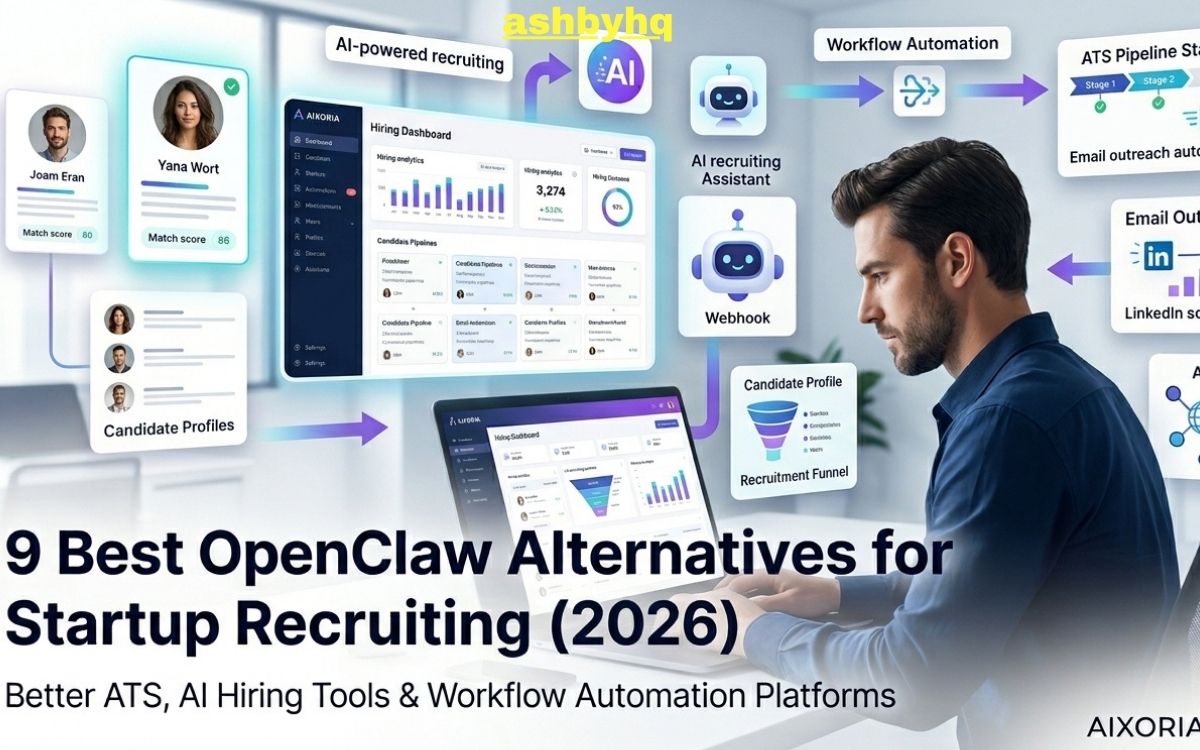
Hiring in a startup is never just about filling positions.
It is about finding the right people before your competitors do.
One strong engineer can change your product roadmap. One great sales hire can change your revenue. One bad hire can slow your entire company for months.
That is why startup founders are now looking beyond traditional recruiting tools and exploring AI-powered hiring systems like OpenClaw.
OpenClaw became popular because it offers something different: an open-source, locally hosted AI agent system that can automate sourcing, outreach, workflows, and repetitive recruiting operations. Instead of relying only on traditional ATS platforms, founders can build custom recruiting agents using plugins, terminal commands, APIs, and workflow triggers.
That sounds powerful.
But for most startups, powerful does not always mean practical.
Many teams quickly discover that OpenClaw requires heavy setup, command-line confidence, API troubleshooting, plugin management, and ongoing maintenance. For non-technical founders, it can feel more like managing infrastructure than managing hiring.
That is where better alternatives come in.
Some startups need a full Applicant Tracking System (ATS).
Some need better candidate sourcing.
Some need webhook integrations, automation, and API-driven recruiting workflows.
Some simply want an AI assistant that works without hiring an engineer first.
This guide breaks down the 9 best OpenClaw alternatives for startup recruiting, organized by real startup needs—not generic software lists.
We will cover:
- Best end-to-end ATS platforms
- Best direct sourcing tools
- Best workflow and API automation platforms
- Real pricing expectations
- Technical setup comparisons
- Founder-friendly recommendations
Most importantly, this article is written for real startup operators—not for keyword stuffing.
Because the best recruiting software is not the smartest one.
It is the one your team actually uses.
Table of Contents
Quick Comparison Table: Best OpenClaw Alternatives by Category
| Category | Best Tools |
|---|---|
| Best End-to-End ATS | Ashby, Greenhouse, Lever, Workable, Breezy HR |
| Best Direct Candidate Sourcing | LinkedIn Recruiter |
| Best Workflow & API Automation | Zapier, n8n, Lindy |
This matters because many blogs mix ATS tools and automation tools together without explaining the difference.
That creates bad buying decisions.
If you need structured hiring, Zapier is not your answer.
If you need webhook automation, Greenhouse alone is not enough.
Choosing the right category first saves money and hiring mistakes.
Why Startups Look for OpenClaw Alternatives
OpenClaw is impressive for developers.
It gives deep flexibility, local hosting, autonomous agents, and custom plugin-based workflows. If your team is comfortable with terminals, self-hosting, API testing, and debugging workflow failures, OpenClaw can be powerful.
But startup hiring usually needs speed and predictability.
Not experiments.
The most common reasons founders leave OpenClaw include:
- too much technical setup
- unstable automation flows
- debugging issues with APIs and plugins
- limited recruiter-first workflows
- weak approval systems before outreach
- difficult onboarding for HR teams
- security concerns around autonomous agents
For example, sending one wrong cold outreach email to 500 candidates is not a small mistake.
It damages employer branding.
That is expensive.
Founders need recruiting systems that are reliable, reviewable, and easy to manage.
That is why these alternatives often outperform OpenClaw in real startup hiring.
Best End-to-End ATS Alternatives – 9 best OpenClaw alternatives for startup recruiting
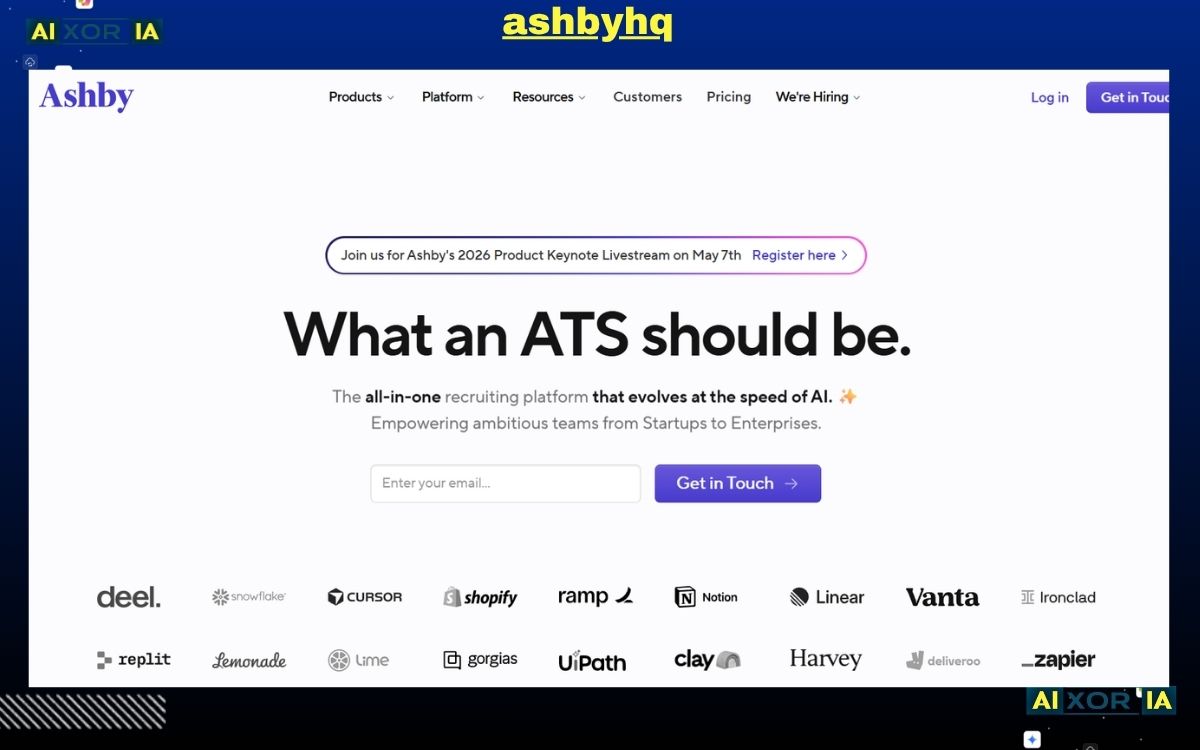
1. Ashby — Best OpenClaw Alternative for Startup ATS
Best For: Fast-growing startups building repeatable hiring systems
Starting Price: Custom pricing (typically startup-focused plans)
Ashby has become one of the strongest recruiting platforms for startups because it combines sourcing, scheduling, analytics, and ATS functionality inside one clean system.
Instead of managing five different tools, founders can centralize hiring inside one platform.
Ashby includes:
- applicant tracking system
- interview scheduling
- recruiter collaboration
- hiring scorecards
- reporting dashboards
- sourcing workflows
- pipeline analytics
What makes Ashby better than OpenClaw is that it is built specifically for recruiting.
You are not building recruiting infrastructure from scratch.
The system already understands hiring workflows.
That saves serious time.
For startup founders, speed matters more than technical flexibility.
Ashby also helps reduce hiring chaos by making every stage measurable. You can track funnel drop-offs, interview performance, recruiter productivity, and time-to-hire without exporting messy spreadsheets every week.
This is especially valuable when startups move from founder-led hiring to team-led hiring.
At that stage, structure matters.
Real Experience Note
I have seen founders move from spreadsheets to Ashby and immediately reduce interview confusion because everyone finally worked inside one shared hiring system instead of scattered Slack messages.
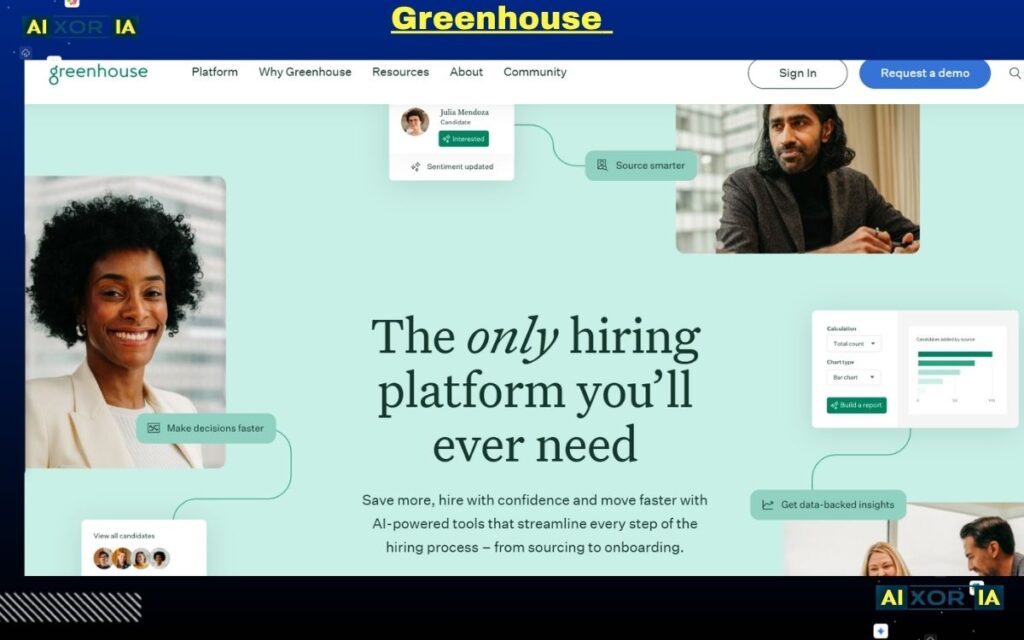
2. Greenhouse — Best for Structured Hiring and Interview Quality
Best For: Teams improving hiring quality, not just hiring speed
Starting Price: Custom enterprise-style pricing
Greenhouse is excellent when hiring becomes a long-term system instead of an urgent survival task.
Many startups hire fast.
Few hire consistently well.
Greenhouse focuses heavily on structured hiring. That means scorecards, interview consistency, recruiter accountability, and better decision-making.
It helps with:
- structured interview kits
- interviewer scorecards
- hiring plans
- approvals
- candidate pipeline management
- recruiter collaboration
This matters because bad hiring decisions usually happen when interviews are unstructured.
One interviewer likes personality.
Another likes technical depth.
Another makes decisions emotionally.
That creates expensive hiring mistakes.
Greenhouse solves that with process.
Compared to OpenClaw, Greenhouse is less flexible technically, but far stronger operationally. It is designed to improve decision quality, not automation complexity.
For startups raising funding or scaling quickly, investor confidence often improves when hiring systems look professional and repeatable.
That is an underrated benefit.
Real Experience Note
Teams using structured scorecards usually make faster decisions because “gut feeling” debates reduce and interview feedback becomes easier to compare.
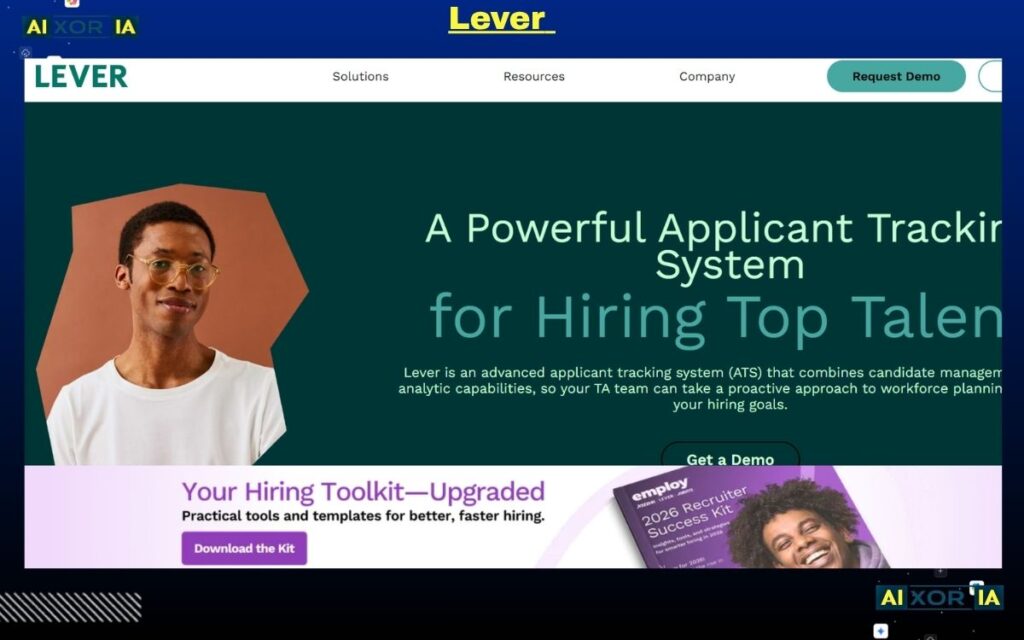
3. Lever — Best ATS + CRM for Outbound Recruiting
Best For: Proactive sourcing and candidate relationship management
Starting Price: Custom pricing
Lever is powerful for startups that do not want to wait for inbound applications.
Instead, they want outbound recruiting.
That means finding candidates before candidates apply.
Lever combines:
- ATS
- recruiting CRM
- nurture sequences
- outreach tracking
- candidate relationship management
This is where Lever beats OpenClaw.
OpenClaw can automate outreach.
Lever helps manage recruiting relationships.
Those are different things.
Good hiring is not just sending emails.
It is building trust over time.
Lever helps teams nurture passive candidates across weeks or months. That becomes extremely valuable for senior hiring, leadership roles, and hard-to-fill engineering positions.
If your startup depends on proactive talent sourcing, Lever often feels much stronger than a pure automation tool.
Real Experience Note
The biggest improvement with CRM-style recruiting is follow-up consistency—great candidates stop disappearing because someone forgot to reply after interview round two.
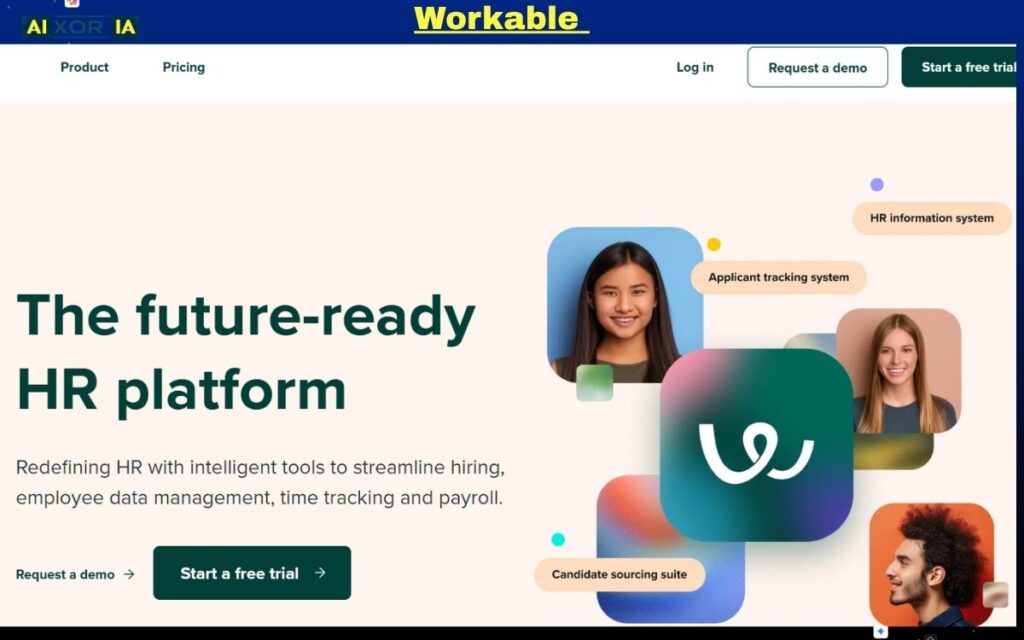
4. Workable — Best for Small Startup Teams
Best For: Founders hiring without a dedicated recruiter
Starting Price: Around entry-level monthly plans depending on team size
Workable is built for simplicity.
That is its biggest strength.
Not every startup needs advanced analytics and enterprise workflows.
Sometimes the founder just needs to hire a developer, a marketer, and a sales rep without wasting three weeks learning software.
Workable gives:
- job posting
- candidate sourcing
- interview scheduling
- hiring pipelines
- communication workflows
- team collaboration
Compared to OpenClaw, Workable removes technical friction.
There is no plugin complexity.
No terminal setup.
No debugging webhook failures at midnight.
Just hiring.
That simplicity matters for founder-led recruiting.
Many startups fail because they over-engineer operations too early.
Workable prevents that.
It is often the right choice when simplicity is actually the smarter strategy.
Real Experience Note
Founders usually adopt Workable faster because nobody needs onboarding calls just to understand where candidates are sitting in the pipeline.
5. Breezy HR — Best Budget-Friendly ATS for Early Startups
Best For: Bootstrapped startups with limited hiring budgets
Starting Price: Affordable starter plans + free entry options depending on usage
Breezy HR is often chosen because it offers practical recruiting features without enterprise pricing pressure.
It includes:
- candidate tracking
- interview scheduling
- collaboration
- hiring pipeline management
- simple automation workflows
The reason founders like Breezy HR is simple:
Good enough beats perfect when cash is tight.
You do not always need the most advanced platform.
You need something reliable that keeps hiring moving.
Compared to OpenClaw, Breezy HR offers less technical customization but significantly less operational risk.
For startups where budget discipline matters every month, that trade-off is often worth it.
Real Experience Note
Early-stage teams often care more about “easy to use tomorrow” than “powerful after six months,” and Breezy fits that reality well.
Best Direct Sourcing Alternative
6. LinkedIn Recruiter — Best OpenClaw Alternative for Direct Candidate Sourcing
Best For: Founders who need immediate access to active and passive talent
Starting Price: Premium recruiter pricing depending on seats
LinkedIn Recruiter remains one of the strongest sourcing platforms because talent already lives there.
Instead of building sourcing agents manually, you can directly search:
- skills
- industries
- seniority
- geography
- company backgrounds
- open-to-work signals
For startup recruiting, speed matters.
And LinkedIn delivers speed.
Compared to OpenClaw, this is not an automation platform.
It is a sourcing engine.
That distinction matters.
If your biggest problem is “we cannot find strong candidates,” then workflow automation is not the first fix.
Access is.
LinkedIn Recruiter solves that.
The downside is cost.
Very early startups may feel the pricing pressure.
But for critical hires, one strong candidate often justifies the spend.
Real Experience Note
Most founders underestimate how much faster hiring becomes when sourcing starts with accurate filters instead of cold outreach guesswork.
Best Workflow & API Automation Alternatives
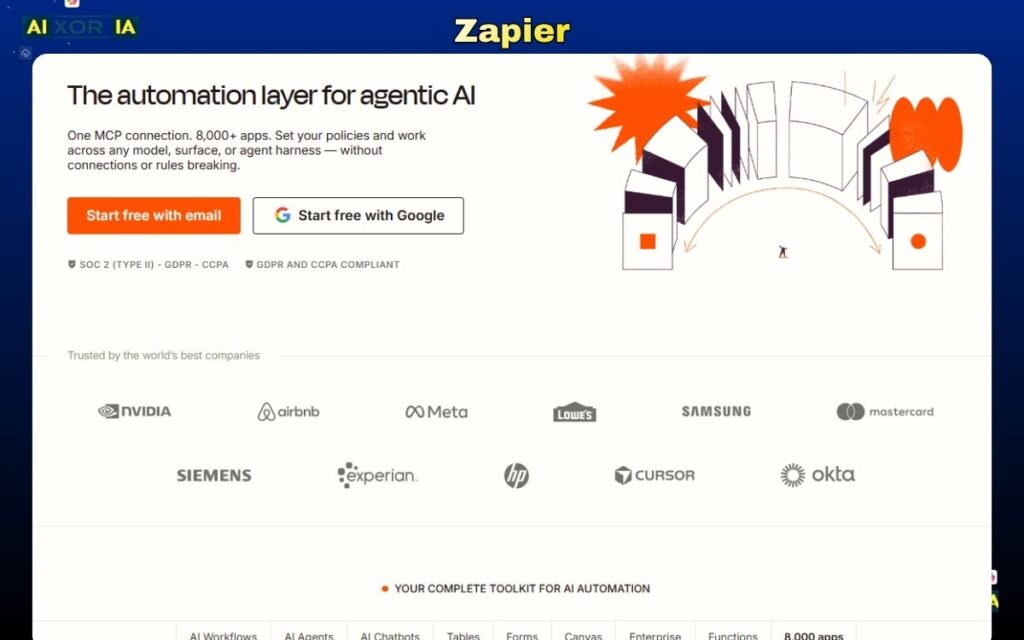
7. Zapier — Best OpenClaw Alternative for API Automation
Best For: Non-technical founders who need recruiting automation
Starting Price: Free tier + paid plans from entry-level monthly pricing
Zapier is one of the best OpenClaw alternatives when your real goal is not ATS management—but automation.
It helps connect tools like:
- Gmail
- Slack
- HubSpot
- Google Sheets
- Notion
- Calendly
- recruiting platforms
- internal databases
For recruiting, this means:
- automatic interview reminders
- candidate status updates
- Slack hiring alerts
- recruiter follow-up emails
- lead syncing across systems
- onboarding trigger workflows
API & Setup Comparison vs OpenClaw
This is where Zapier becomes very important.
With OpenClaw, building custom recruiting automation often means configuring plugins manually, handling command-line setup, testing API authentication, and debugging webhook failures yourself.
If an API returns a 401 authentication error or a malformed payload, you need to investigate logs manually.
Zapier removes most of that friction.
Its interface handles authentication visually.
Webhook steps are easier to inspect.
REST API integrations are simpler for non-developers.
Approval systems before actions are also stronger.
For example, before sending outreach emails, founders can require human review instead of letting autonomous agents act blindly.
That improves trust.
For startups, trust beats clever automation.
Real Experience Note
The biggest advantage of Zapier is not automation itself—it is knowing exactly what happened when something breaks and fixing it fast.
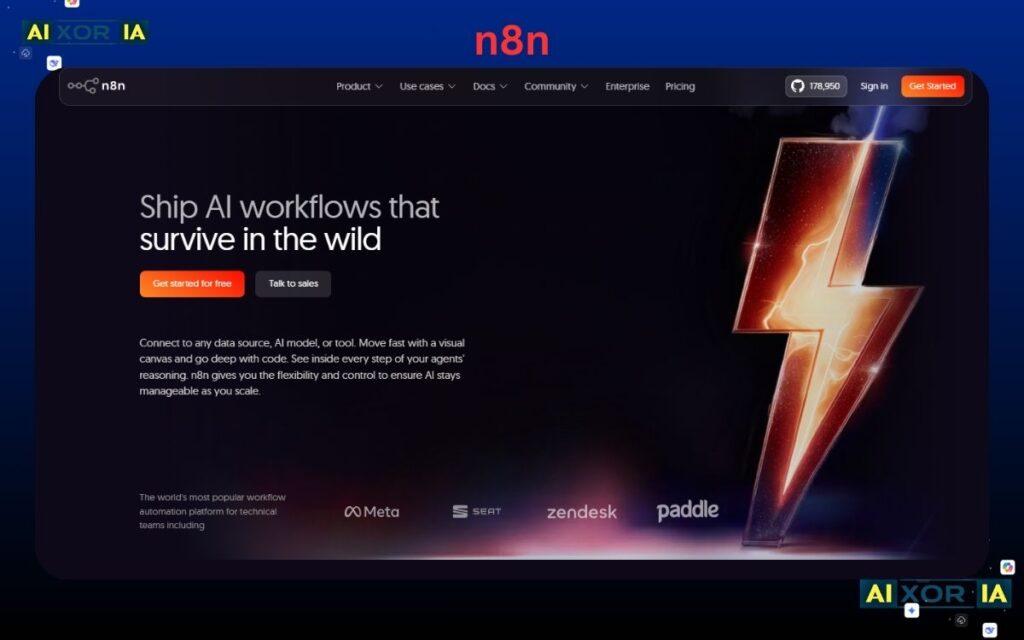
8. n8n — Best Open-Source OpenClaw Alternative for Developers
Best For: Technical founders who want control and self-hosting
Starting Price: Free open-source self-hosted option + paid cloud plans
If OpenClaw attracted you because of flexibility, n8n is probably the strongest alternative.
It combines:
- self-hosting
- workflow automation
- custom API integrations
- approval systems
- visual workflow building
- advanced debugging
Unlike OpenClaw, n8n gives stronger visibility into workflow logic.
That matters a lot.
API & Setup Comparison vs OpenClaw
This is where developers usually prefer n8n.
In OpenClaw, plugin dependency chains and autonomous agent behavior can become difficult to predict.
Debugging often means tracing command execution manually.
With n8n, workflows are visual.
You can see each node.
You can inspect payloads.
You can test API responses.
You can retry failed executions.
You can build recruiting systems using:
- REST APIs
- webhook triggers
- database connections
- ATS integrations
- CRM syncing
- custom approval flows
For example, if a webhook from your careers page triggers a new candidate entry, n8n lets you inspect exactly where that candidate data failed if formatting breaks.
That is powerful.
Developers love visibility.
Founders love reliability.
n8n gives both.
Real Experience Note
When debugging recruiting automation, visual workflows save hours because you can find failures instantly instead of guessing where the plugin chain broke.
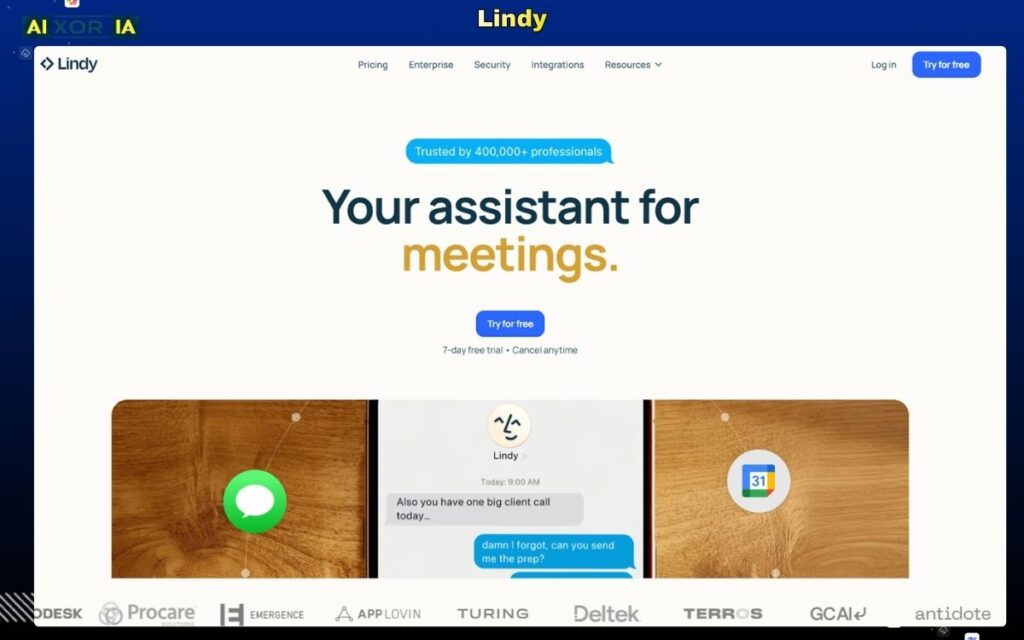
9. Lindy — Best AI Recruiting Assistant Without Technical Setup
Best For: Founders who want AI help without engineering work
Starting Price: Usage-based plans depending on assistant workflows
Lindy feels less like software and more like hiring an AI operations assistant.
It focuses on:
- candidate outreach
- scheduling
- follow-ups
- recruiter coordination
- repetitive admin work
This is important because many founders do not actually want “automation platforms.”
They want work removed from their calendar.
Lindy does that.
Compared to OpenClaw, the trade-off is simple:
Less control, far less complexity.
You are not designing systems.
You are delegating tasks.
For many startup founders, that is exactly the right decision.
Because the goal is not technical sophistication.
The goal is hiring faster.
Real Experience Note
Founders usually love tools like Lindy because they feel immediate—less setup, fewer dashboards, and faster relief from repetitive recruiting admin.
Which OpenClaw Alternative Is Actually Best?
The answer depends on your bottleneck.
If you need:
Best Startup ATS → Ashby
Best Structured Hiring → Greenhouse
Best ATS + CRM → Lever
Best Simplicity → Workable
Best Budget Option → Breezy HR
Best Direct Sourcing → LinkedIn Recruiter
Best No-Code Automation → Zapier
Best Developer Automation → n8n
Best AI Assistant → Lindy
Do not ask:
“What is the best tool?”
Ask:
“What is slowing down hiring right now?”
That question saves money.
That question prevents tool overload.
That question leads to better decisions.
Frequently Asked Questions (FAQ)
Is n8n a better OpenClaw alternative for developers?
Yes—especially for developers who want stronger workflow visibility.
n8n makes debugging easier because workflows are visual, API payloads are inspectable, and webhook failures can be traced step by step. OpenClaw offers flexibility, but debugging autonomous plugin behavior can become difficult in production recruiting workflows.
Which is the easiest recruiting AI for non-technical founders?
Lindy and Zapier are usually the easiest.
Lindy works well if you want AI assistants with minimal setup. Zapier works better if you want process automation between existing tools like Slack, Gmail, and your ATS without writing code.
Should startups choose ATS software or workflow automation first?
Usually ATS first.
If your hiring process is messy, automation will only make messy processes faster. Start with a strong ATS like Ashby or Workable, then add automation using Zapier or n8n later.
Is LinkedIn Recruiter better than OpenClaw for sourcing?
For direct candidate sourcing, yes.
LinkedIn Recruiter gives immediate access to talent pools. OpenClaw is stronger for workflow automation, but it does not replace the value of strong sourcing infrastructure.
Final Thoughts
OpenClaw is powerful.
But startup recruiting does not reward complexity.
It rewards consistency.
The best recruiting system is not the one with the smartest AI.
It is the one your team trusts enough to use every day.
That means:
- clear hiring workflows
- reliable automation
- human approval systems
- better candidate experience
- less operational chaos
Sometimes that is Ashby.
Sometimes it is n8n.
Sometimes it is simply Workable.
The goal is not to copy enterprise recruiting.
The goal is to hire great people before your runway gets shorter.
And in startups, that changes everything.