Hiring today isn’t just about posting a job and waiting for resumes to arrive. Modern companies receive hundreds or even thousands of applications per role, making manual screening almost impossible.
That’s why many HR teams are integrating AI recruiting tools with Applicant Tracking Systems (ATS) to automate hiring workflows, analyze candidates faster, and reduce time-to-hire.
However, most guides online only explain the theory of AI recruitment integration. In reality, successful integration requires technical planning, data mapping, API connectivity, and workflow automation.
This guide walks through the complete real-world process of integrating AI recruiting tools with ATS platforms, including practical examples using well-known HR technologies such as Greenhouse, Workday, and BambooHR.
It also covers API configuration, webhook workflows, candidate data mapping, and real operational metrics that HR teams use to measure integration success.
Quick Overview: How AI Recruiting Integration Works
Integrating AI recruiting tools with an ATS typically involves three technical steps:
- Generate an API key or OAuth credential from your ATS platform.
- Map candidate data fields (resume data, skills, job role, experience) into the AI system.
- Configure webhooks and automation triggers so candidate data flows automatically between both platforms.
Once configured, the AI system can screen resumes, rank candidates, and automate recruitment workflows in real time.
READ MORE – What Are the Best AI Feedback Tools for Training Programs?
Why AI + ATS Integration Is Transforming Recruitment
Traditional hiring processes are slow because recruiters manually review applications and coordinate interviews.
AI recruiting integration changes that by creating an automated hiring pipeline.
Here are the biggest advantages organizations experience.
Faster Resume Processing
AI resume parsing engines can analyze thousands of resumes in minutes, identifying skills, education, and experience automatically.
Smarter Candidate Matching
Machine learning algorithms analyze job requirements and compare them with candidate profiles to recommend the best matches.
Reduced Manual Workload
Tasks like scheduling interviews, sending emails, and updating candidate statuses can be automated.
Improved Hiring Efficiency
Companies using AI-powered recruitment systems often report 30–40% reductions in time-to-hire.
Measuring AI Recruitment Efficiency
Enterprise HR teams often track AI recruiting performance using internal efficiency metrics.
One useful measurement model is the AI Hiring Velocity Index.Hvi=API Latency+System Sync Time(Total Resumes Parsed×Manual Hours Saved)
This metric evaluates how efficiently an AI recruiting system processes candidates.
When resume parsing speed increases and API response time remains low, the overall hiring velocity improves significantly.
Organizations that optimize this metric typically achieve faster recruitment cycles and higher recruiter productivity.
AI Recruiting Tools and ATS Compatibility
Before integrating AI recruiting technology, it’s important to ensure compatibility between the AI system and your ATS platform.
The table below shows some common combinations used by HR teams.
| Popular ATS | Best AI Tool to Integrate | Integration Method |
|---|---|---|
| Greenhouse | Eightfold.ai | Native API |
| Workday | Paradox (Olivia Chatbot) | Webhooks / Custom API |
| Lever | HireVue | Native Integration |
| BambooHR | Zapier / Make | Third-Party Automation |
Many AI recruiting tools provide pre-built integrations, but others require API configuration and workflow automation.
Step-by-Step Process to Integrate AI Recruiting Tools with ATS
Step 1: Choose an AI Recruiting Platform
The first step is selecting an AI recruiting solution that fits your hiring needs.
Common AI recruiting features include:
- Resume parsing
- Candidate ranking
- Automated candidate communication
- Interview scheduling
- Predictive hiring analytics
Some widely used AI recruitment platforms include Eightfold.ai, Paradox, and HireVue.
Each platform focuses on different aspects of recruitment automation.
Real-World Tool Experience: Eightfold.ai
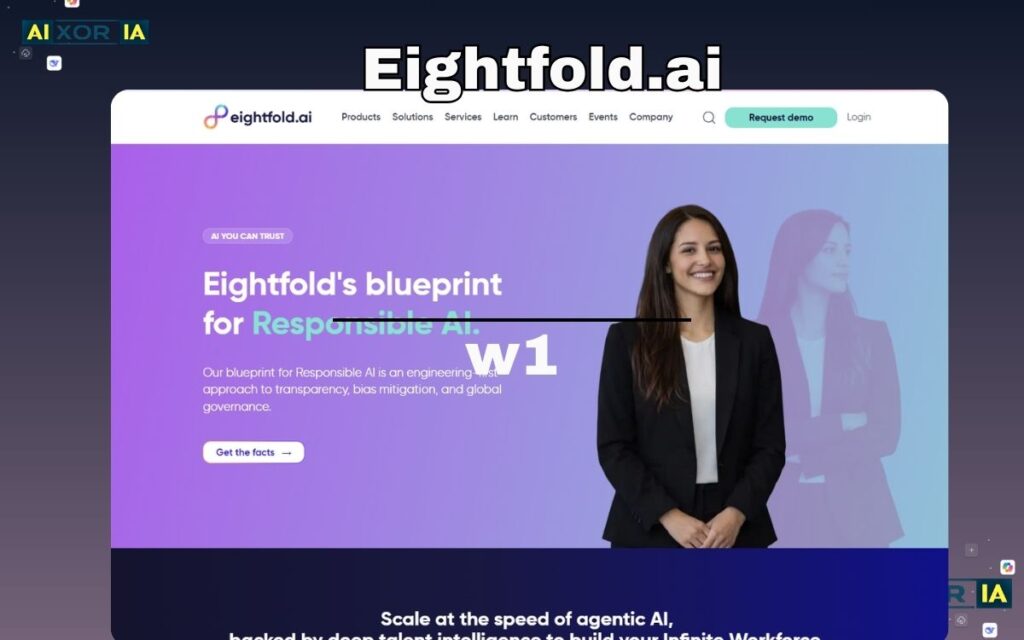
During a recruitment automation project for a technology startup, the team tested Eightfold.ai integrated with Greenhouse ATS.
The most impressive feature was AI-driven talent matching.
Instead of only filtering candidates using keywords, the AI analyzed:
- Career progression
- Skills evolution
- Similar job histories
- Industry experience
Within a few hours, the system generated a shortlist of candidates that recruiters would normally take days to identify manually.
However, the integration process required custom API field mapping, especially for skill tags and job role categories.
Once configured, the system continuously updated candidate rankings as new applications arrived.
Step 2: Generate API Credentials from Your ATS
Most ATS platforms allow external applications to connect using API keys or OAuth authentication.
For example:
- Greenhouse ATS provides a Harvest API for candidate data.
- Workday allows integration using SOAP or REST APIs.
- BambooHR supports RESTful API endpoints for employee and applicant data.
To enable integration:
- Log into your ATS admin dashboard.
- Navigate to developer settings or API access.
- Generate an API key or OAuth credential.
- Provide the key to your AI recruiting platform.
This allows the AI system to securely access candidate data.
Step 3: Map Candidate Data Fields
Data mapping ensures both systems understand the same information.
Typical candidate fields include:
- Candidate ID
- Resume file
- Phone number
- Skills
- Work experience
- Application status
For example, an ATS might store a candidate’s skills under “skill_tags”, while the AI system might label the same field as “candidate_skills.”
Field mapping aligns these datasets so the AI algorithm can properly analyze candidate profiles.
Step 4: Configure Webhooks for Real-Time Data Sync
Webhooks enable real-time communication between systems.
Instead of polling APIs repeatedly, the ATS sends a notification when an event occurs.
Typical webhook events include:
- New candidate application
- Resume uploaded
- Interview scheduled
- Candidate status updated
When triggered, the webhook sends a JSON payload to the AI recruiting system.
Example JSON payload:
{
  "candidate_id": "10458",
  "name": "Sarah Johnson",
  "email": "sarah@email.com",
  "skills": ["Python", "Machine Learning", "Data Analysis"],
  "job_role": "Data Scientist"
}
The AI system processes this data instantly and updates the candidate ranking.
Step 5: Automate Candidate Screening
Once integration is complete, AI screening algorithms can automatically analyze candidates.
Typical evaluation factors include:
- Skills relevance
- Experience level
- Education
- Job role similarity
- Past company profiles
The system then assigns a candidate fit score.
Recruiters can focus only on top-ranked candidates instead of manually reviewing every resume.
Real-World Tool Experience: Paradox AI Chatbot
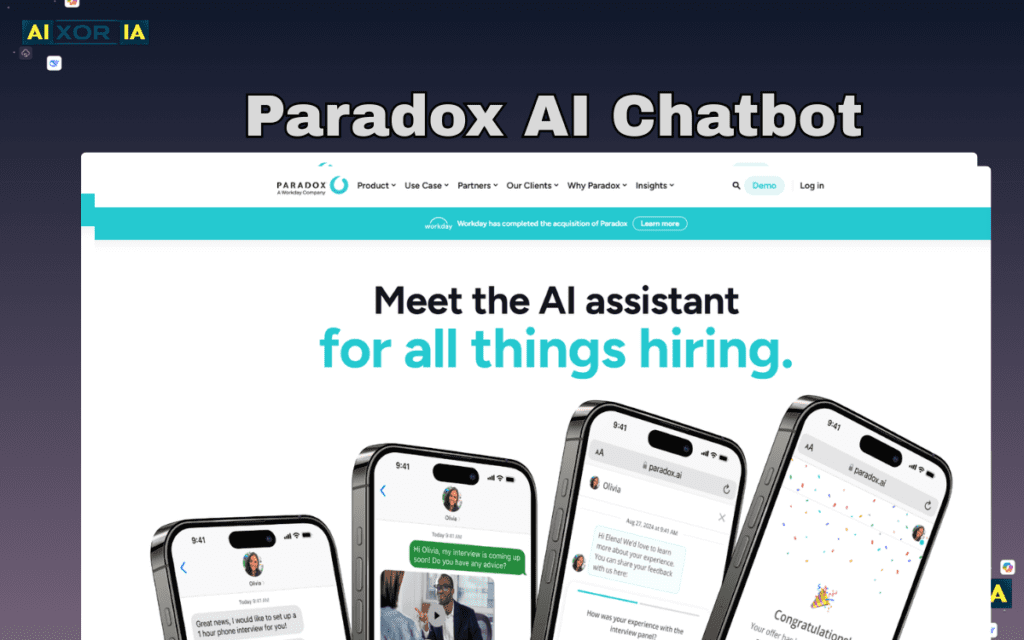
Recruitment teams using Paradox’s Olivia chatbot often integrate it with Workday ATS.
In one HR automation project, Olivia handled candidate communication automatically, answering questions about job roles and scheduling interviews.
The chatbot reduced recruiter workload significantly by managing repetitive tasks such as:
- Interview scheduling
- Candidate queries
- Application updates
Candidates could even book interviews directly through chat.
The only technical challenge was configuring webhook triggers correctly, ensuring the chatbot updated candidate status inside the ATS.
Step 6: Automate Interview Scheduling
AI recruiting systems can connect with scheduling platforms such as Calendly.
Once a candidate passes AI screening, the system automatically sends an interview scheduling link.
Candidates can select available interview slots without recruiter involvement.
This automation removes multiple email exchanges between recruiters and applicants.
Step 7: Monitor Integration Performance
After deployment, HR teams should track system performance.
Important metrics include:
- Time-to-hire
- Candidate response rate
- Resume parsing accuracy
- Interview scheduling efficiency
- API response time
These metrics help determine whether the integration improves recruitment efficiency.
Real-World Tool Experience: HireVue AI Interviews
Companies using HireVue often integrate it with ATS platforms like Lever.
HireVue enables AI-powered video interviews, where candidates record responses to pre-defined questions.
The AI analyzes responses using factors such as:
- Speech patterns
- Keyword relevance
- Communication clarity
While the technology significantly speeds up screening, many companies still combine AI evaluation with human interview review to ensure fairness and accuracy.
READ MORE – How to Integrate AI Recruiting Tools with ATS in 2026
Common Integration Challenges
Even with powerful AI tools, recruitment integration projects may encounter challenges.
Data Synchronization Issues
Candidate data must stay consistent between both platforms.
Incorrect field mapping can cause missing information.
API Rate Limits
Some ATS platforms restrict API requests, requiring optimization.
AI Bias Risks
Recruitment algorithms must be monitored to avoid unintended bias.
Organizations often conduct algorithm audits to ensure fairness.
Best Practices for Successful AI Recruitment Integration
To achieve successful AI hiring automation, organizations should follow these practices.
Start with a Pilot Program
Test AI integration with a single department before expanding company-wide.
Maintain High-Quality Data
Structured job descriptions and accurate candidate data improve AI matching accuracy.
Keep Recruiters in the Decision Loop
AI should assist recruiters, not replace human judgment.
Monitor Performance Metrics
Regularly analyze recruitment efficiency metrics to ensure the system delivers real value.
The Future of AI Recruiting Integration
AI recruiting technology continues evolving rapidly.
Future innovations may include:
- Predictive workforce planning
- AI-driven talent marketplaces
- Automated candidate assessments
- Real-time labor market intelligence
Organizations adopting AI-driven recruitment systems today are building smarter, more scalable hiring pipelines for the future.
Final Thoughts
Integrating AI recruiting tools with an ATS creates a highly automated recruitment ecosystem.
When properly configured with APIs, webhooks, and data mapping, AI systems can process candidate data, rank applicants, and automate communication in real time.
For HR teams dealing with large applicant volumes, this integration dramatically improves hiring efficiency while allowing recruiters to focus on strategic decision-making and candidate engagement.
2 thoughts on “How to Integrate AI Recruiting Tools with ATS”