Why Choosing the Best Software for Photo Editing Defines Your Results
Scr0ll d0wn to D0VVNL0AD
Finding the best software for photo editing is one of the most important decisions a photographer or creative professional can make. The right tool shapes your entire workflow — from how fast you edit to the quality of your final image.
Quick Answer: Best Photo Editing Software in 2026
| Software | Best For | Pricing Model |
|---|---|---|
| Adobe Photoshop | Professionals, compositing, AI tools | Subscription (~$22.99/mo) |
| Adobe Lightroom | Organizing + editing, all levels | Subscription (~$11.99/mo) |
| Luminar Neo | AI editing, one-time buyers | One-time (~$99-$179) |
| DxO PhotoLab 9 | RAW processing, noise reduction | One-time (~$149-$239) |
| Capture One Pro | Studio pros, tethering | One-time or subscription |
| Affinity Photo | Budget-friendly, layer editing | Free |
| GIMP | Open-source, flexible | Free |
| Photoshop Elements | Absolute beginners | One-time purchase |
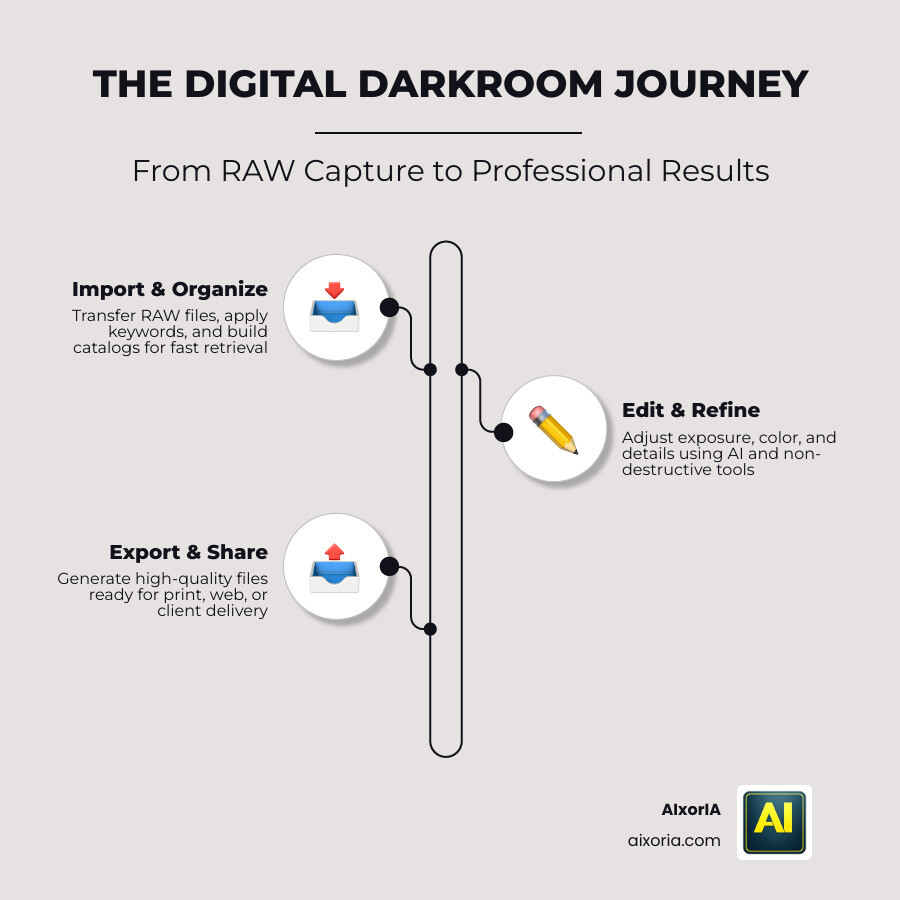
Photography has always required a “darkroom” stage — a place where raw captures become finished images. Today, that darkroom lives on your screen.
Modern cameras capture far more data than the eye sees in a finished photo. RAW files especially are designed to be edited — without processing, they can look flat and dull, like an unfinished canvas. Even small adjustments to light, color, and detail can transform a good shot into a great one.
The challenge? There are dozens of software options out there, ranging from free tools to expensive subscriptions. Some are built for beginners. Others are designed for professional studios. And the gap between them — in price, features, and learning curve — is enormous.
Over 70% of professional photographers rely on Adobe’s subscription tools. But a growing number of users are turning to one-time purchase alternatives to escape recurring fees. AI-powered features are also reshaping what’s possible, with tools like automated sky replacement, noise reduction, and generative fill now available across multiple platforms.
This guide cuts through the noise. Whether you’re a small business owner editing product photos on a tight schedule, or a photographer building a professional workflow, you’ll find the right fit here.
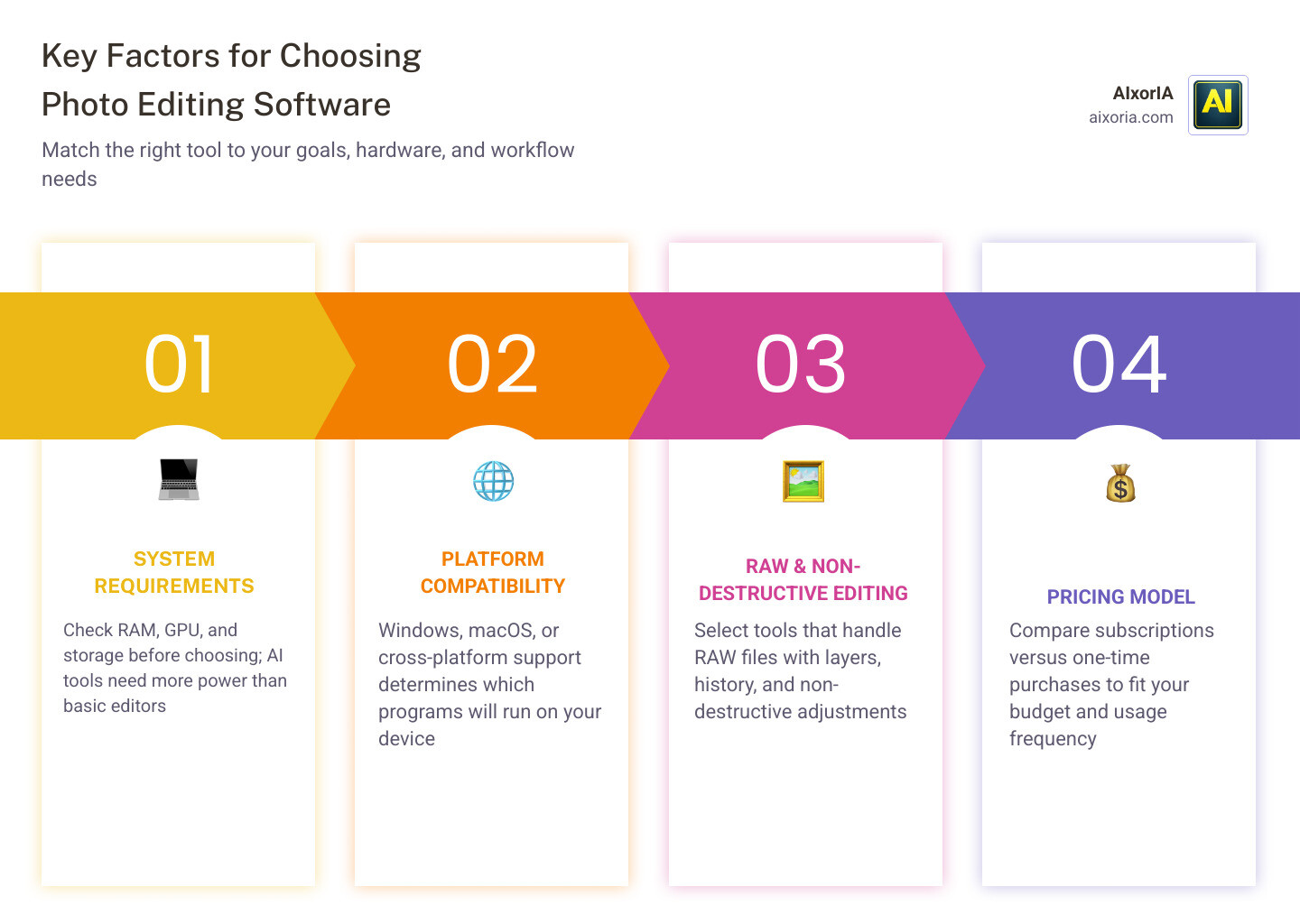
Key Factors When Selecting the Best Software for Photo Editing
Choosing the best software for photo editing isn’t just about picking the most famous name; it’s about matching the tool to your specific computer and creative goals. We always tell our clients at AIxorIA that the “best” tool is the one that doesn’t get in the way of your vision.
First, consider your system requirements. Some modern AI-heavy programs demand significant RAM and powerful graphics cards. If you are working on an older laptop, a lightweight program might serve you better than a resource-heavy suite. Next, look at platform compatibility. While most giants work on both Windows and macOS, some specialized tools (like Zoner Studio) are Windows-only, while others (like Photomator) are built exclusively for the Apple ecosystem.
Image organization and cataloging are also vital. If you take thousands of photos a year, you need a program that acts as a digital librarian, allowing you to tag, rate, and find images in seconds. Finally, the “Subscription vs. One-Time Purchase” debate is more relevant than ever in 2026.
Best Software for Photo Editing for Beginners in 2026
If you are just starting out, the sheer number of buttons in professional software can be terrifying. For absolute beginners, Adobe Photoshop Elements 2025 remains a top recommendation. It offers “Guided Edits” that walk you through complex tasks like removing backgrounds or creating double exposures.
Another fantastic entry point is Luminar Neo. It uses AI to handle the “boring” parts of editing, like fixing exposure or enhancing skin, with simple sliders. For those who want to learn the ropes of AI-assisted creativity, checking out our guide on the Best Ai Photo Editors 2026 can help you bridge the gap between basic filters and professional results.
Essential Features for Professional Workflows
For those of us working in a professional capacity, speed is everything. A professional workflow requires batch editing, where you can apply a specific “look” to hundreds of photos at once. Color management is also non-negotiable; you need to know that the red you see on your screen is the same red that will come out of a high-end printer.
Furthermore, studio photographers often require tethered capture. This allows you to plug your camera directly into your computer so images appear on a large monitor the second you click the shutter. Tools like Capture One Professional Photo Editing Software | Elevate Your Photography are the industry standard for this, used by fashion and product photographers worldwide to ensure every detail is perfect before the shoot ends.
Leading Subscription-Based Programs for Professionals
Adobe continues to hold a massive share of the market, with over 70% of pros using their Creative Cloud ecosystem. The primary reason is integration. Your edits sync across your desktop, tablet, and phone, allowing for a seamless “edit anywhere” experience.
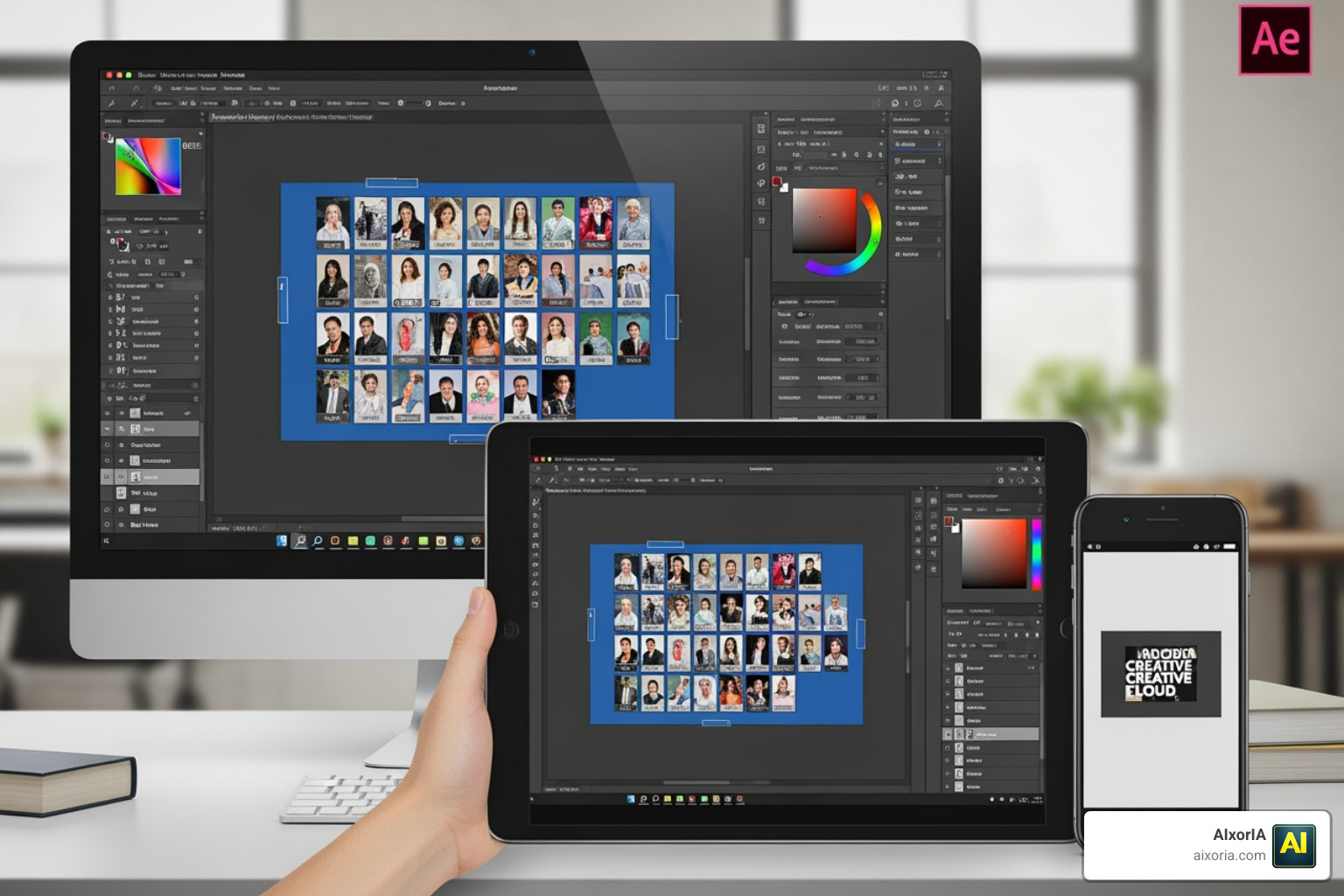
In 2026, the biggest draw for subscription models is the rapid deployment of Generative AI. Tools like “Generative Fill” allow you to add objects to a scene or expand a canvas just by typing a text prompt. If you want to dive into the most advanced toolset available, you can explore the Official Adobe Photoshop | Free Trial and Online Photo & Design App.
Photoshop vs Lightroom Workflows
We often get asked: “Do I need Photoshop or Lightroom?” The answer is usually “both,” but they serve different purposes.
Lightroom is your home base. It is designed for the modern post-processing workflow: importing, organizing, and applying non-destructive edits (meaning you can always undo them). It excels at managing large libraries and offers 1TB of cloud storage in many plans. You can Get Lightroom – Photo editing and organizing for desktop, web, and mobile to handle 90% of your daily editing needs.
Photoshop, on the other hand, is for “pixel pushing.” If you need to combine five photos into one, remove a person from a crowded street, or use complex layers and masks, Photoshop is the master. While Lightroom is for enhancing a photo, Photoshop is for transforming it.
Specialized Tools for Studio and High-Volume Editing
For high-volume professionals, such as wedding or event photographers, even Lightroom can feel slow. This is where AI culling and style learning come in. Some modern tools can analyze thousands of photos to find the ones where everyone is smiling and the focus is sharp, saving hours of manual work.
Capture One Pro remains a favorite for its “Sessions” feature, which keeps individual projects organized without cluttering a main catalog. It also offers “Match Look,” an incredible feature that can analyze the color grading of a reference photo and apply that same aesthetic to your own images automatically.
Top Subscription-Free and One-Time Purchase Alternatives
“Subscription fatigue” is real. Many of us prefer to buy our software once and own it forever. Fortunately, the market for one-time purchase software has exploded in quality.
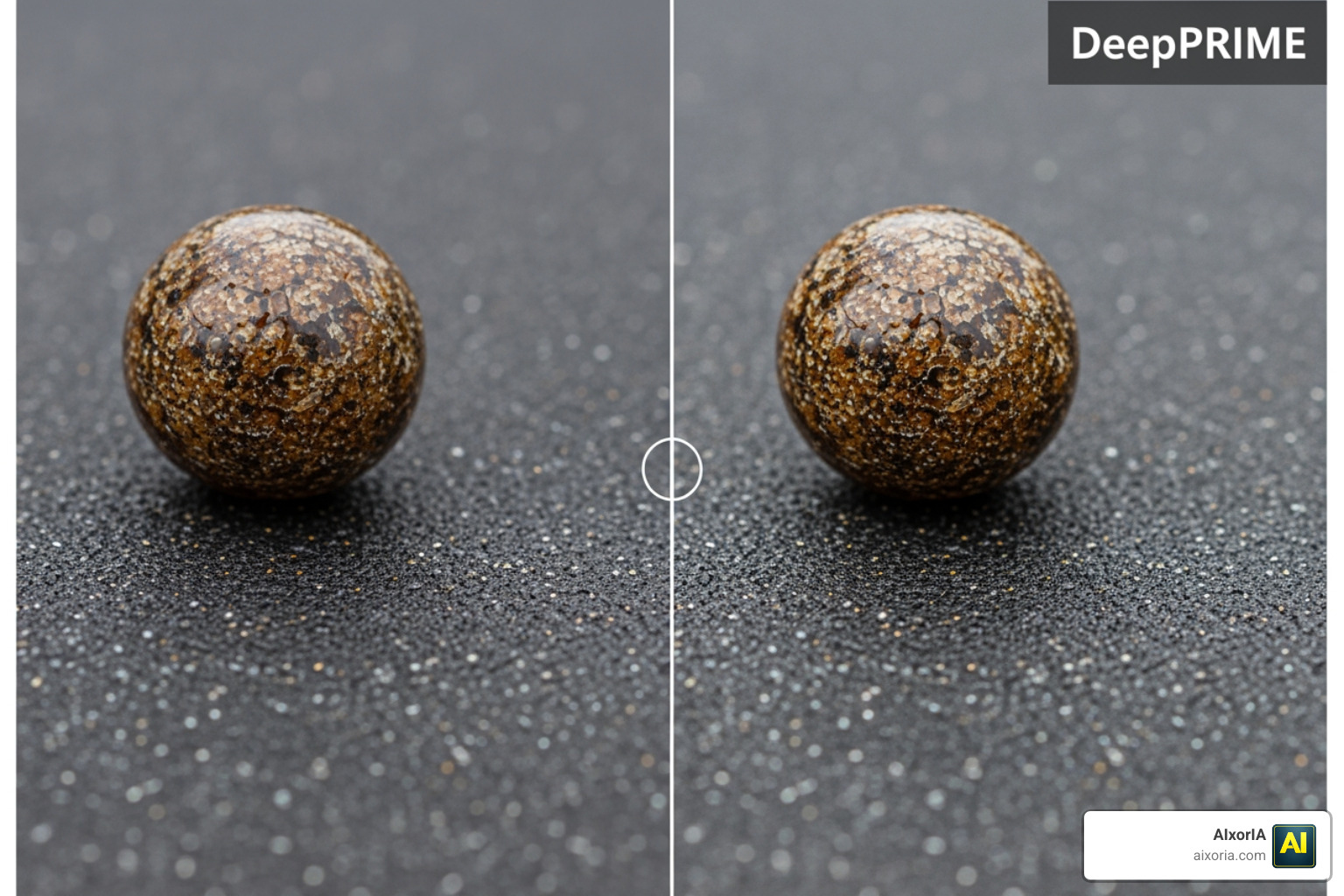
Luminar Neo is perhaps the most famous alternative, known for its one-click AI fixes. DxO PhotoLab 9 is another powerhouse, specifically praised for its “DeepPRIME” technology, which can remove digital noise from high-ISO shots while retaining incredible detail. For those on a stricter budget, ACDSee Photo Studio Ultimate 2026 provides a comprehensive all-in-one solution that covers organizing, RAW editing, and layered design.
Best Software for Photo Editing Free and Open-Source Options
You don’t need a big budget to get professional results. Affinity Photo (now owned by Canva) has become a legendary “Photoshop killer,” offering a massive suite of features for a surprisingly low (or sometimes free) entry point.
For those who love the open-source movement, GIMP – GNU Image Manipulation Program is the most famous free alternative. It is highly extensible, meaning a community of developers is constantly creating plugins to add new features. Other options like RawTherapee are perfect for “techies” who want to dive deep into the mathematical nuances of RAW processing and demosaicing.
Creative AI and Specialized RAW Processors
The modern “one-time purchase” market is where we see some of the most creative AI implementations. Since these companies have to convince you to upgrade every few years, they innovate fast. We’ve seen incredible advancements in Sky Replacement, where the software automatically masks out a dull gray sky and replaces it with a stunning sunset, even adjusting the lighting on the ground to match. Lens correction is another area of excellence; programs like DxO use laboratory-tested profiles to fix the specific distortions and soft edges caused by your particular camera lens.
The Impact of AI and RAW Processing in 2026
By May 2026, AI is no longer a gimmick; it is a fundamental part of the best software for photo editing. We are seeing approximately 40% of editors using AI for heavy lifting like noise reduction and object removal.
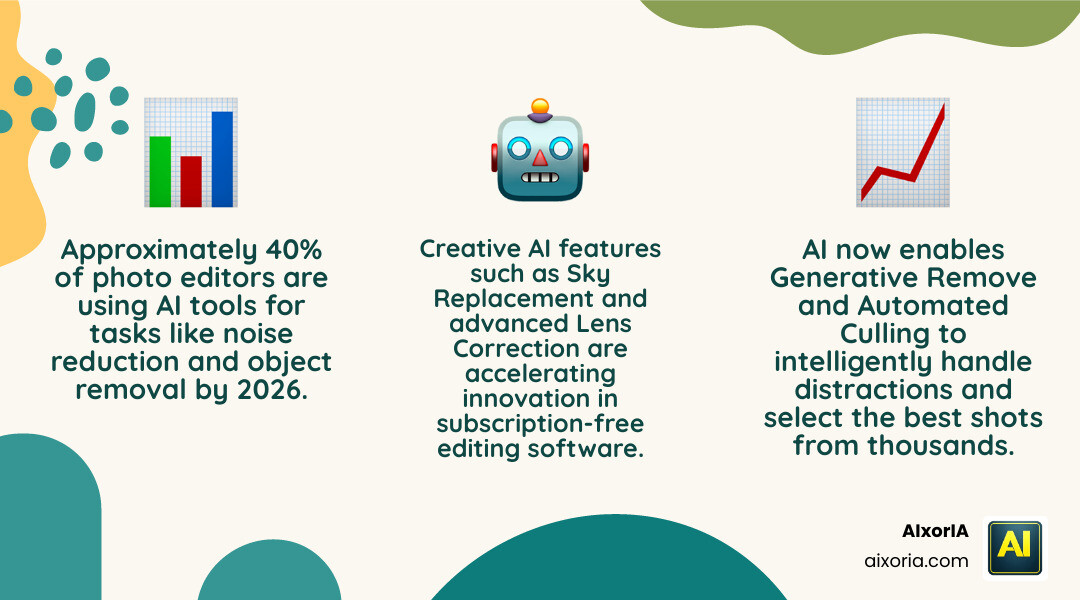
AI can now handle “Generative Remove,” which intelligently fills in the gaps when you delete a distraction from a photo. It can also assist with “Automated Culling,” where the software suggests which photos to delete based on blurriness or closed eyes. To see how these tools are evolving, take a look at our analysis of the Best Ai Photo Editors 2026.
Why RAW Processing Capability Matters
If you are serious about photography, you must shoot in RAW. Unlike JPEGs, which are compressed and “baked” by your camera, RAW files contain the full data captured by the sensor.
This gives you massive dynamic range and color depth. Did you accidentally underexpose a shot? With a RAW file, you can often “recover” the shadows and see details that looked like pure black. RAW processing is non-destructive, meaning you are never actually changing the original data — you are just creating a set of instructions on how the final image should look.
Frequently Asked Questions
What is the best photo editing software for absolute beginners?
Adobe Photoshop Elements 2025 is widely considered the best for absolute beginners due to its guided interface. Luminar Neo is another excellent choice if you want high-end results using simple AI sliders without learning complex manual techniques.
Is a subscription or one-time purchase better for hobbyists?
For hobbyists who edit occasionally, a one-time purchase (like Affinity Photo or Luminar) is usually better as it avoids the “money pit” of monthly fees. However, if you want the latest AI tools and mobile syncing, the Adobe Photography Plan is very hard to beat for value.
Can free photo editing software match professional paid tools?
Yes, to an extent. Affinity Photo and GIMP offer almost everything a professional needs for layer-based editing. However, paid tools usually offer better technical support, more frequent AI updates, and more streamlined “one-click” workflows that save significant time.
Conclusion
The “digital darkroom” is where your creative vision truly comes to life. Whether you choose the industry-dominating power of Adobe, the professional precision of Capture One, or the AI-driven ease of Luminar, the best software for photo editing is the one that empowers you to tell your story.
At AIxorIA, we believe that technology should be accessible to everyone. We specialize in providing custom AI solutions, tool training workshops, and performance audits to help businesses and individuals navigate this fast-moving landscape. If you need help choosing the right tools or want to master the latest AI features to speed up your workflow, we are here to provide simple, affordable help.
Ready to elevate your creative process? Explore more at https://aixoria.com/ and let us help you find your perfect digital workflow.
1 thought on “Best Software for Photo Editing in 2026 (Tested & Ranked) – Free & Pro Tools”