Why Recognition at Work Matters More Than Ever

Free employee recognition software gives businesses a simple, cost-effective way to build a culture where people feel valued — without spending a cent.
Here are the top free employee recognition tools in 2026:
| Platform | Best For | Free Plan Highlights |
|---|---|---|
| Matter | Slack & Teams users | Free forever, peer kudos, Feedback Friday |
| Grato | Small businesses | Ad-supported, milestones, custom awards |
| Brighten | Teams up to 10 | Peer recognition, 2 custom award types, points |
| PraisePal | Remote/global teams | Points-based, Slack/Teams integration |
| Bonfyre Rewards | Core recognition programs | Digital gift cards, no markups |
Think about the last time someone at work told you that you did a great job. It probably felt good, right? Now think about how rarely that actually happens for most employees.
The numbers tell a hard story:
- 44% of employees say lack of recognition is why they quit or checked out
- 80% say they’d work harder if they felt more appreciated
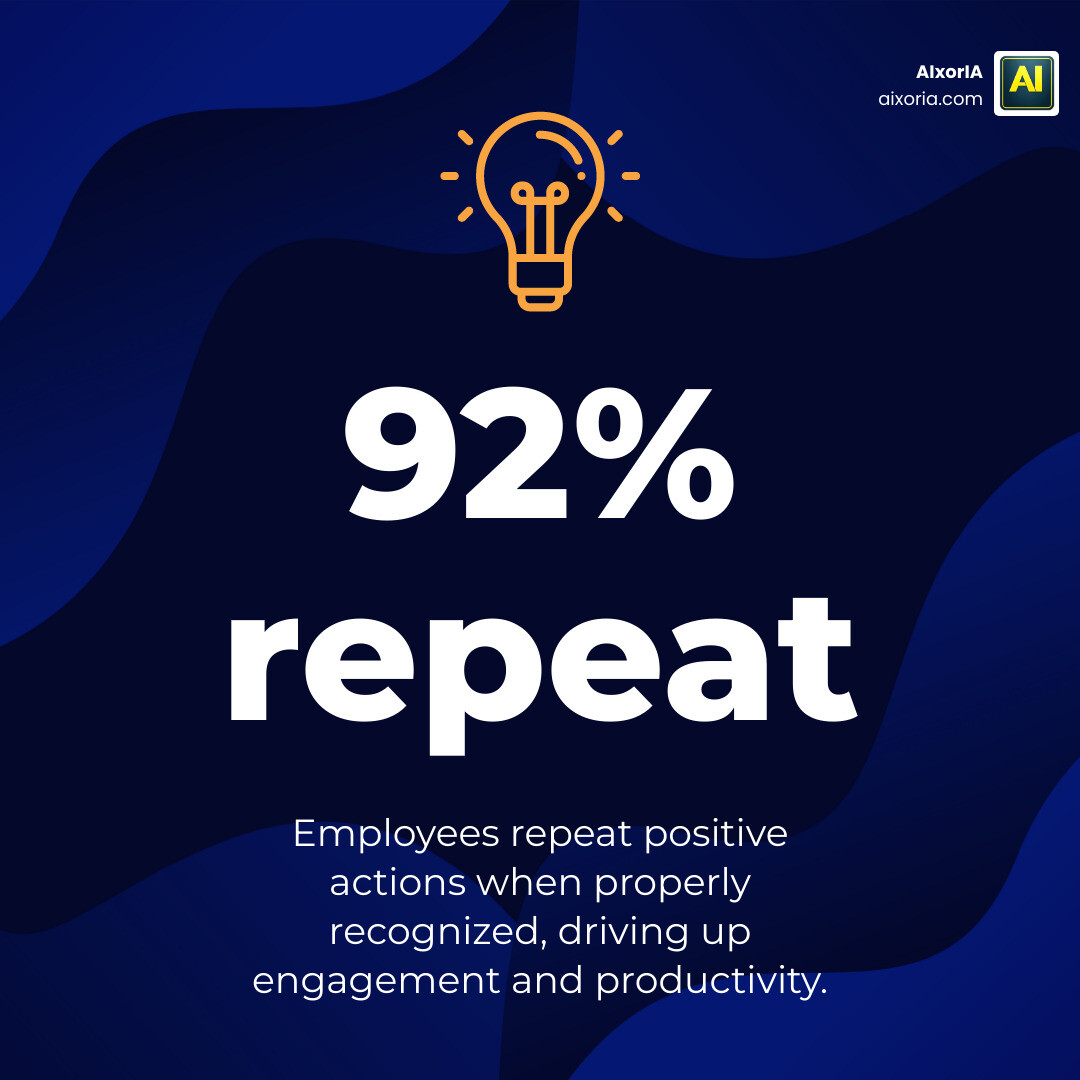
- 92% would repeat a positive action if it was properly recognized
And yet, most small businesses still rely on the occasional “good job” in a hallway — or nothing at all.
The good news? You don’t need a big budget to fix this. A growing number of free tools make it easy to build real recognition habits into your team’s daily workflow — whether your team is in one office, fully remote, or somewhere in between.
This guide covers everything you need to know: what to look for, which platforms are worth your time, and how to get started fast.
Why Free Employee Recognition Software is Essential in 2026
In 2026, the “talent war” isn’t just about who pays the most; it’s about who treats their people the best. With the rise of “quiet quitting” and the shift toward distributed work, staying connected is harder than ever. This is where free employee recognition software becomes a secret weapon for modern workplaces.
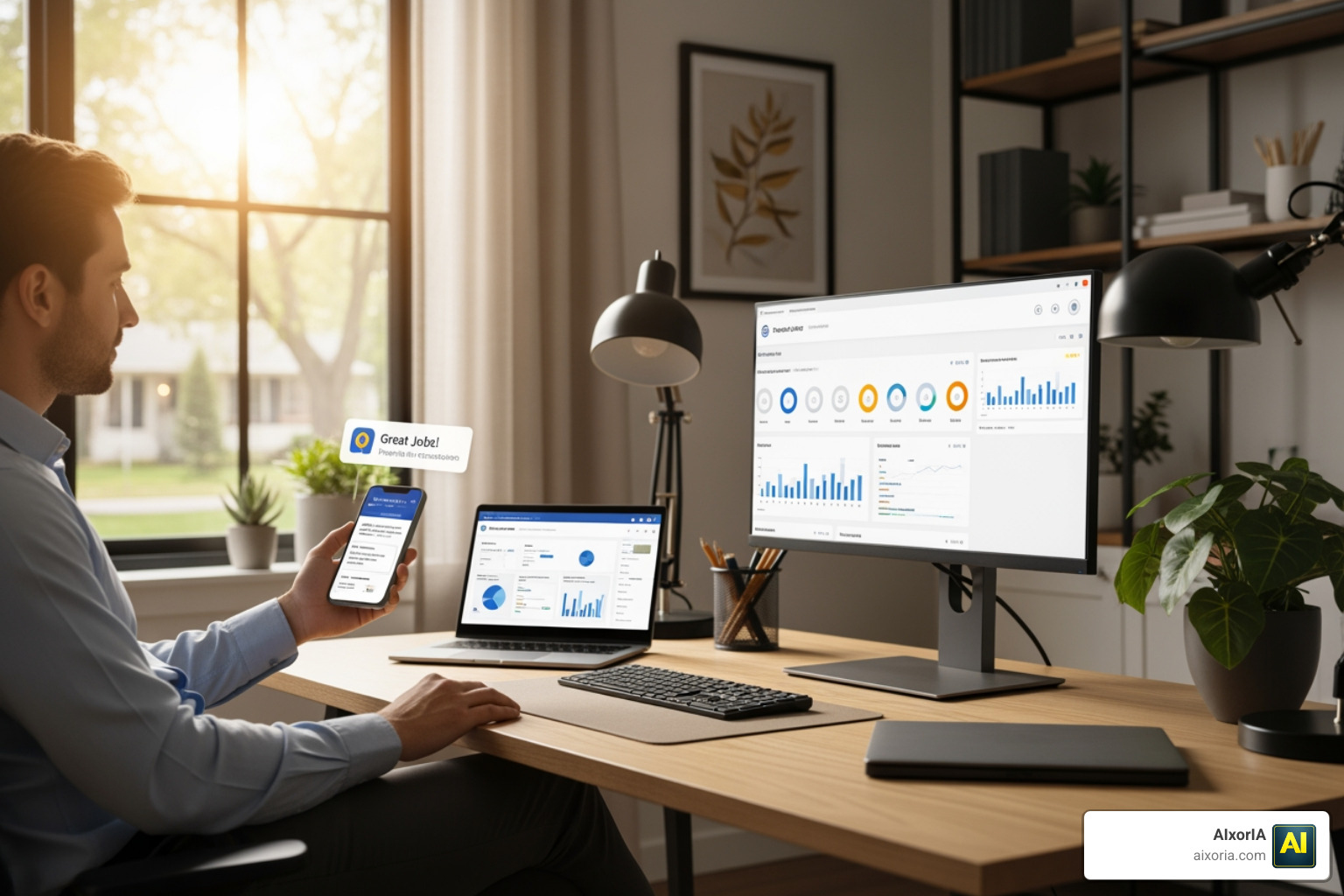
The statistics are impossible to ignore. Recognized employees are 63% more likely to stay in their current roles for at least the next six months. When you consider that replacing a single employee can cost a company upwards of $18,000, a free tool that boosts retention is essentially a revenue generator.
Beyond the bottom line, these tools solve the “visibility gap” in hybrid and remote settings. Platforms like Matter allow teams to celebrate wins in real-time within Slack or Microsoft Teams. This digital “pat on the back” ensures that even if you aren’t in the same room, your hard work isn’t invisible. Integrating these tools is a smart move for any leader looking to modernize their tech stack—check out our guide on the best AI tools for work for more ways to enhance your digital workspace.
Key Features and Benefits of Modern Recognition Tools
Modern tools have moved far beyond the “Employee of the Month” plaque gathering dust in the lobby. Today’s free employee recognition software is social, mobile, and instant.
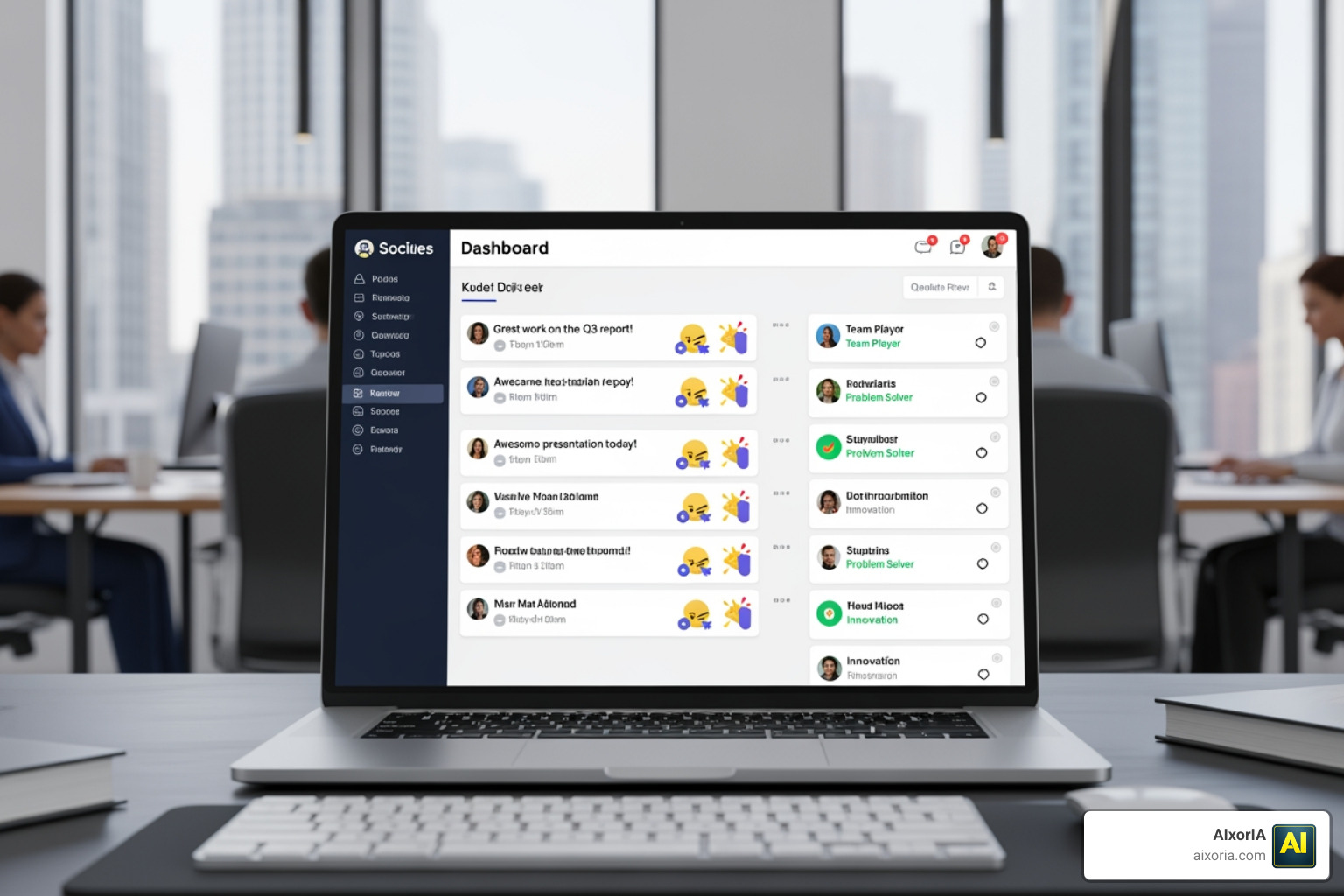
One of the biggest benefits is the democratization of praise. Instead of waiting for a manager’s annual review, peers can recognize each other instantly. This builds a “culture of appreciation” where saying “thanks” becomes a daily habit rather than a rare event. Tools like Applauz provide a centralized newsfeed where everyone can see and celebrate accomplishments together, which is vital for maintaining morale in environments. For those looking to maximize their team’s output, pairing recognition with the best AI tools for business productivity can create a high-performance environment that still feels human.
Essential Features of Free Employee Recognition Software
When choosing a platform, you don’t need every bell and whistle, but a few features are non-negotiable:
- Chat Integration: The best tools live where you already work (Slack or Teams).
- Peer-to-Peer Kudos: Allowing everyone to send praise, not just bosses.
- Automated Milestones: Never forget a birthday or work anniversary again.
- Custom Awards: Platforms like Brighten let you create awards that match your specific company values or “inside jokes.”
- User-Friendly Interface: If it’s hard to use, no one will use it.
Supporting Hybrid and Remote Teams
For distributed teams, digital recognition is the “glue” that holds the culture together. It provides a platform for asynchronous appreciation—someone in London can wake up to a “high-five” sent by a colleague in New York the night before.
Platforms like PraisePal specialize in this global reach, offering points-based systems that can be redeemed for rewards across 80+ countries. Whether it’s a digital gift card for a local coffee shop or a donation to a favorite charity, these tools bridge the physical distance between team members.
Top Platforms to Build a Culture of Appreciation
Finding the right free employee recognition software depends on your team’s size and how you prefer to communicate.
If you are a startup or a small business, Grato offers a fantastic ad-supported model that keeps the service free while providing all the essentials like milestone celebrations and custom awards. For those who want to gamify the experience, points-based systems are excellent for driving instant motivation.
As you look toward the future, these tools are becoming increasingly sophisticated. You can explore how these fit into a broader tech strategy in our article on best AI productivity tools for entrepreneurs 2026.
Strategic Implementation of Free Employee Recognition Software
To get the most out of these tools, you can’t just “set it and forget it.” Follow these steps for a successful rollout:
- Leadership Buy-in: If the CEO isn’t sending kudos, the entry-level staff won’t either.
- CSV Uploads: Use bulk upload features to get your entire team onto the platform in minutes.
- Goal Alignment: Tie recognition to specific company values (e.g., “Customer First” or “Innovation”).
- Communication Plan: Announce the launch clearly so everyone knows how and why to use the tool.
| Feature | Free Plans | Paid/Enterprise Plans |
|---|---|---|
| User Limit | Often capped (e.g., 10-50 users) | Unlimited |
| Customization | Basic templates | Full branding & custom logic |
| Analytics | Recent history (30-90 days) | Deep historical insights & AI trends |
| Integrations | 1-2 core tools (Slack/Teams) | Full HRIS & Payroll sync |
| Support | Self-service/Help center | Dedicated Account Manager |
Pros and Cons of Free Recognition Solutions
The Pros:
- Zero Cost: Perfect for testing the “culture fit” before committing to a budget.
- Ease of Use: Most free tools are designed for 2-minute setups.
- Immediate Impact: You can start seeing morale boosts within the first week.
The Cons:
- Scalability: As you grow past 50 or 100 employees, free tiers often expire.
- Limited Data: You might only have access to the last 30 days of recognition data.
- Advertisements: Some free models (like Grato) use small ads to stay cost-free.
Future Trends in Employee Appreciation
As we move through 2026, free employee recognition software is getting “smarter.” We are seeing the integration of AI-powered analytics that can predict disengagement. By tracking which employees haven’t received recognition lately, managers can intervene before that person decides to quit.
Gamification is also reaching new heights. Features like “streaks” (recognizing someone five days in a row) and leaderboards make appreciation feel like a game everyone wants to play. Furthermore, pulse surveys and eNPS (Employee Net Promoter Score) tracking are being baked directly into these platforms, allowing HR teams to measure the “vibe” of the office in real-time.
Frequently Asked Questions about Recognition Tools
How do free recognition platforms compare to paid enterprise solutions?
Paid solutions like Bonusly or Awardco typically offer deeper catalogs of physical rewards, advanced security features (like SSO), and unlimited user counts. However, for many small-to-medium businesses, free employee recognition software provides 90% of the value—peer recognition and social feeds—without the $3,000+ annual minimums often required by enterprise vendors.
Can free software integrate with my existing HRIS and chat tools?
Yes! Most top-tier free tools offer robust integrations with Slack and Microsoft Teams because they know that’s where work happens. Some also allow for CSV exports that make it easy to sync recognition data with your payroll or HRIS provider manually.
What are the best ways to encourage peer-to-peer participation?
The “Feedback Friday” approach is highly effective. Setting an automated reminder for the team to take five minutes at the end of the week to recognize a colleague ensures the habit sticks. Also, ensure that “Matter coins” or points are easy to send and that the rewards (even if they are just digital badges) feel meaningful.
Conclusion
Building a world-class company culture doesn’t require a world-class budget. By leveraging free employee recognition software, you can turn “gratitude” into a measurable business metric that drives retention and productivity.
At AIxorIA, we believe that technology should be accessible and easy to understand. We specialize in providing custom AI solutions, tool training workshops, and performance audits designed to empower your business. Our mission is to help you navigate the complex world of modern software with simple language, affordable services, and fast support.
Ready to take your team’s productivity to the next level? Explore more of our AI productivity services and let us help you build a smarter, more appreciative workplace today.