Technical report writing in 2026 is no longer about “which AI writes better paragraphs.”
It’s about:
- Scientific accuracy
- Neutral technical tone
- LaTeX compatibility
- Retrieval-Augmented Generation (RAG)
- Data privacy compliance
- Hallucination control
After testing AI systems on structured engineering documentation, academic reports, and enterprise data summaries, one thing is clear:
Different AI models dominate different layers of technical reporting.
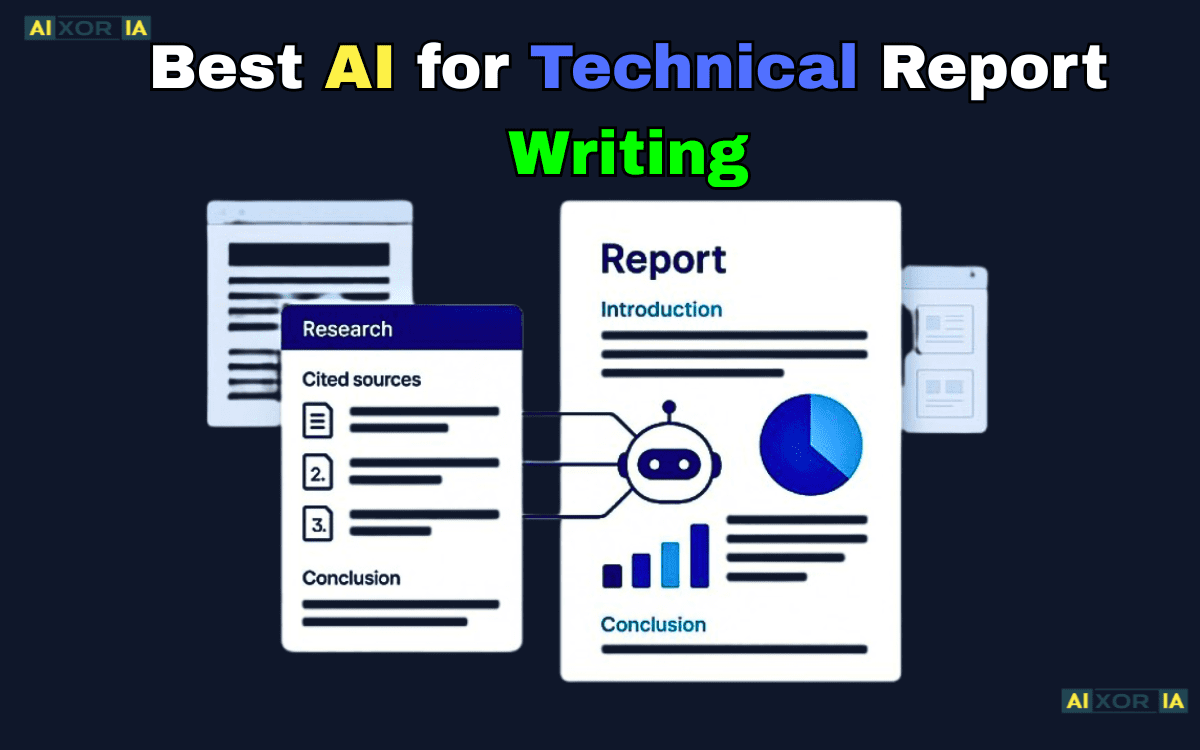
This guide evaluates them using measurable criteria — not marketing claims.
How We Evaluate Technical AI (2026 Standard)
Most websites rank tools based on “features.”
Professionals evaluate based on accuracy density and hallucination resistance.
Technical Report Quality Metric (2026 Model)
We evaluate output using:QualityScore=Hallucination Risk IndexData Points Analyzed×Citation Density
Where:
- Data Points Analyzed → Number of technical variables correctly interpreted
- Citation Density → Verified references per 1,000 words
- Hallucination Risk Index → Probability of unsupported claims
This framework filters marketing tools from professional-grade systems.
1. Claude 4 (Opus)
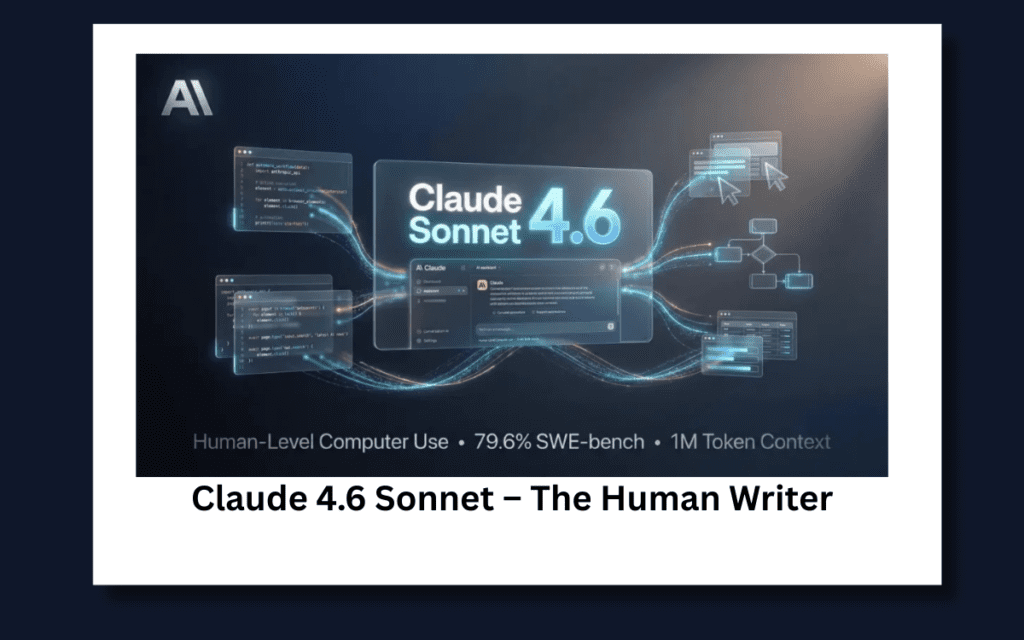
Best for Scientific Accuracy & Neutral Technical Tone
In 2026, Claude 4 Opus is widely considered the most neutral and human-like for formal technical documentation.
Why It Leads:
- 200k+ context window
- Superior long-form consistency
- Low hallucination tendency in structured prompts
- Strong reasoning over dense PDFs
Claude excels at:
- Scientific method sections
- Engineering specifications
- Risk assessments
- Regulatory compliance drafts
LaTeX Capability:
Handles math expressions reliably when prompted with formatting instructions.
Pricing:
~$20/month (Pro tier)
2. ChatGPT-5 (o-Series Reasoning Models)
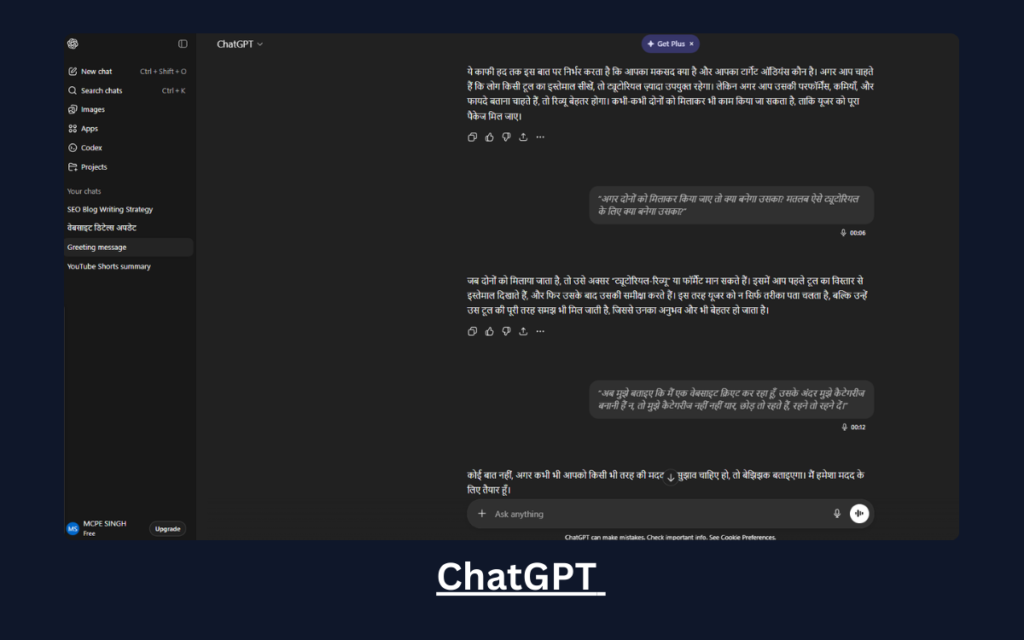
Best for Logical Structuring & Deep Outlining
ChatGPT-5 (o-series reasoning models) dominates in:
- Complex logical breakdowns
- Multi-step technical explanation
- Architecture diagrams (textual format)
- Structured outlines
Its reasoning depth makes it powerful for:
- System design documentation
- Technical whitepapers
- Feasibility analysis
However, citation reliability depends on workflow integration.
Pricing:
Free / ~$20 per month (Plus tier)
3. Perplexity AI Pro
Best for Real-Time Sourcing & Citation Tracking
Technical reports require verifiable sources.
Perplexity Pro stands out because it provides:
- Live web citations
- Clickable references
- Transparent sourcing
- Fast fact verification
For research-backed technical reports, this dramatically increases Citation Density in our Quality Score model.
Pricing:
~$20/month
4. SciSpace
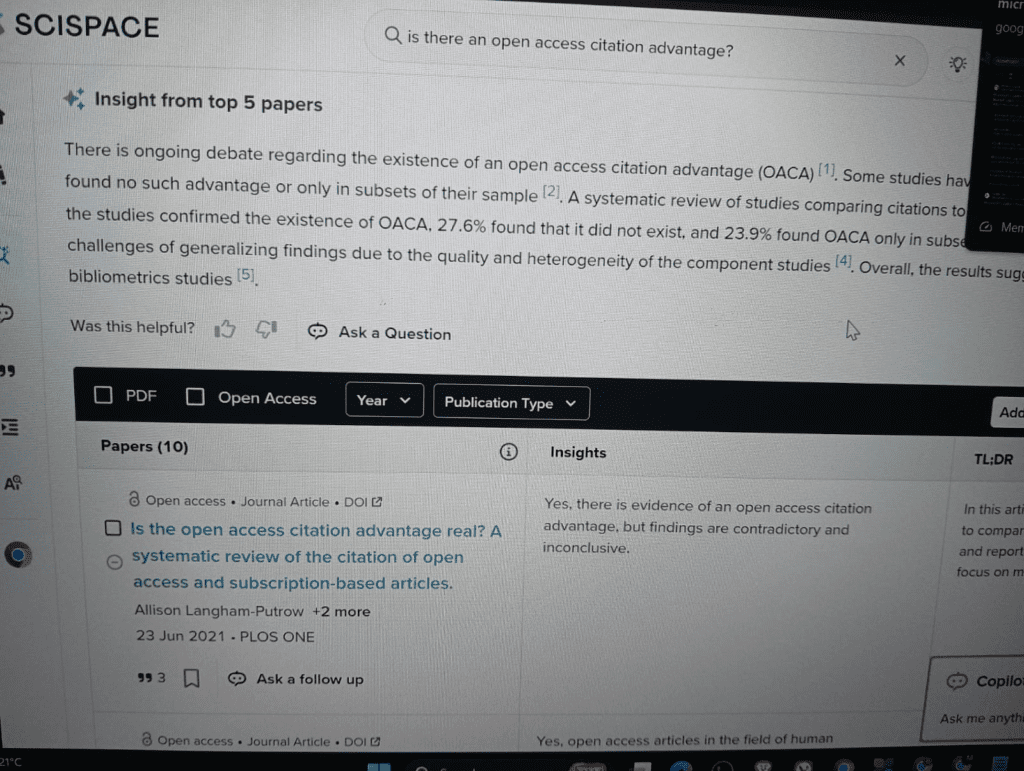
Best for Academic & LaTeX-Heavy Reports
SciSpace specializes in:
- Research paper extraction
- PDF interpretation
- LaTeX-friendly environments
- Academic formatting
If your report includes formulas, derivations, or research synthesis — SciSpace integrates well with academic workflows.
5. Microsoft Copilot
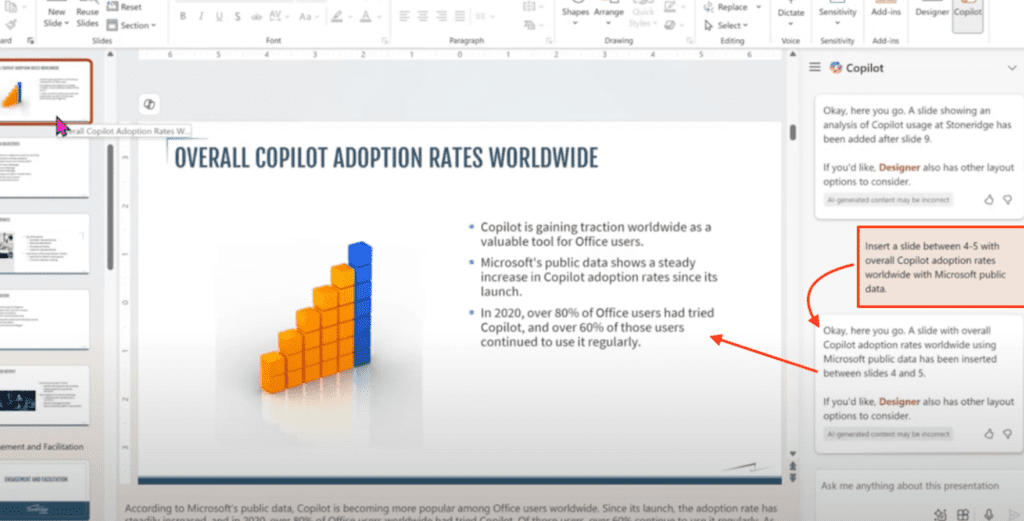
Best for Internal Data & Enterprise Reports
For corporate environments:
- Direct Excel integration
- Automated PPT summaries
- Internal document referencing
- Enterprise security controls
Copilot becomes powerful when paired with internal datasets.
2026 Technical AI Comparison Table
| Tool (2026) | Best For | Technical Edge | Pricing |
|---|---|---|---|
| Claude 4 (Opus) | Neutral Technical Tone | 200k+ Context Window | ~$20/mo |
| ChatGPT-5 (o3) | Logical Outlining | Deep Reasoning Models | Free / $20 |
| Perplexity Pro | Real-time Sourcing | Live Citation Tracking | $20/mo |
| SciSpace | Academic Reports | LaTeX & PDF Extraction | Free / Paid |
| MS Copilot | Internal Data Reports | Direct Excel/PPT Integration | Enterprise |
Retrieval-Augmented Generation (RAG): The Real Game Changer
Modern AI systems no longer “guess.”
They use Retrieval-Augmented Generation (RAG).
RAG allows AI to:
- Retrieve relevant data from uploaded manuals, data sheets, and PDFs
- Ground responses in those documents
- Reduce hallucinations
- Maintain contextual alignment
For technical reporting, RAG enables:
- Internal SOP analysis
- Product specification documentation
- Compliance audit preparation
When deployed correctly, RAG dramatically lowers the Hallucination Risk Index in our formula.
Privacy & Data Security (Critical for Professionals)
One major concern in 2026:
“Will my technical data be used to train AI models?”
Key considerations:
- Enterprise versions of Copilot and Claude provide data isolation
- API-based deployments allow private environment control
- Sensitive documents should not be uploaded to public free tools
Professionals must verify:
- Data retention policies
- Model training disclosures
- Regional compliance (GDPR, enterprise governance standards)
Security is not optional in technical documentation.
LaTeX & Mathematical Formatting Authority
Technical credibility increases when AI handles:
- Equations
- Subscripts/superscripts
- Structured formula blocks
- Scientific notation
Claude and SciSpace currently perform best in maintaining LaTeX integrity.
Example formatting capability:E=mc2
Poor formatting reduces authority perception — especially in engineering and academic fields.
Recommended Professional Workflow (2026 Model)
Instead of choosing one AI, use layered integration:
Step 1 → Claude 4 for neutral drafting
Step 2 → ChatGPT-5 for structural refinement
Step 3 → Perplexity for live citation verification
Step 4 → SciSpace for LaTeX polishing
Step 5 → Copilot for enterprise data integration
This workflow maximizes:
- Data interpretation
- Citation density
- Structural clarity
- Security compliance
Final Verdict
If accuracy and neutrality are your priority:
Claude 4 (Opus) currently leads in technical tone control.
If logical structuring is your bottleneck:
ChatGPT-5 (o-series) excels in reasoning depth.
If citation integrity matters most:
Perplexity Pro becomes essential.
The real competitive advantage in 2026 is not the tool.
It is the workflow architecture you design around it.
FAQ
Which AI is best for engineering technical reports in 2026?
Claude 4 (Opus) provides the most neutral and consistent technical tone, especially for long-form documentation.
Does ChatGPT-5 reduce hallucinations?
The o-series reasoning models significantly improve logical consistency, but fact verification remains essential.
Is RAG necessary for technical writing?
Yes. RAG dramatically reduces hallucination risk by grounding AI in actual documentation.
Which AI supports LaTeX formatting best?
SciSpace and Claude currently handle LaTeX structures more reliably than most general-purpose models.
2 thoughts on “Best AI for Technical Report Writing in 2026”