Why the Ziptie AI Search Performance Tool Is Changing How Brands Track Visibility

The Ziptie AI Search Performance Tool is a dedicated platform for tracking how your brand appears inside AI-generated answers on Google AI Overviews, ChatGPT, and Perplexity — and it’s quickly becoming essential for anyone serious about visibility in 2026.
Quick answer: What does Ziptie do?
- Tracks whether your brand is mentioned or cited in AI-generated answers
- Measures your AI Success Score across tracked queries
- Shows your Citation Share compared to competitors
- Monitors sentiment — how AI describes your brand
- Covers 28 countries and three major AI platforms
- Gives content recommendations to improve your AI visibility
Here’s the problem most small business owners are hitting right now: you can rank #1 on Google and still be completely invisible to someone asking ChatGPT or Perplexity for a recommendation. In fact, being ranked #1 organically only leads to an AI citation roughly 22% of the time. That’s a massive gap.
Traditional SEO tools like Ahrefs or SEMrush track where you rank in blue-link results. They can’t tell you whether an AI is recommending your business — or your competitor — when someone asks a question that should be right in your wheelhouse.
That’s the blind spot Ziptie was built to fix.
AI platforms collectively generated 1.1 billion referral visits in a single month in 2025, and AI Overviews now trigger on over 13% of all Google searches. If you’re not tracking your presence in those answers, you’re flying blind.
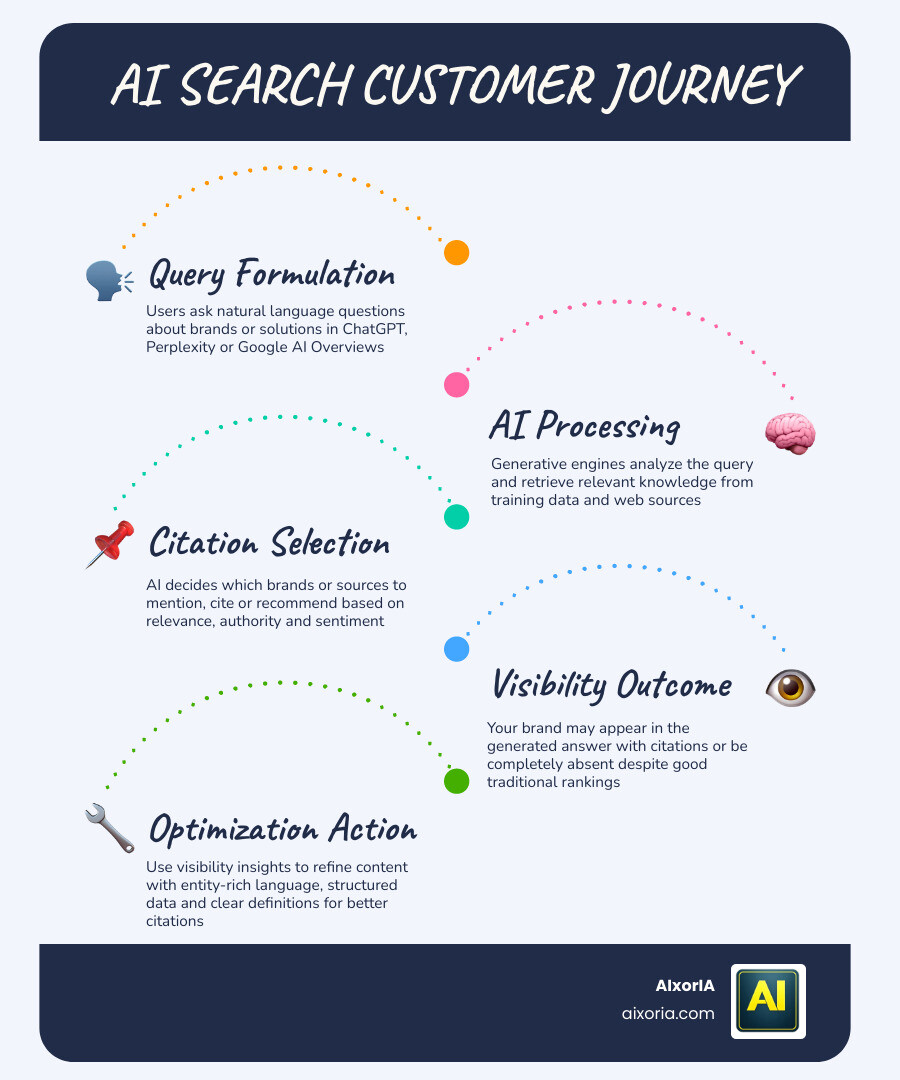
What is the Ziptie AI Search Performance Tool and How Does it Work?
At its heart, the Ziptie AI Search Performance Tool is an analytics engine designed for the era of Generative Engine Optimization (GEO). While we used to obsess over “blue links,” we now have to care about “Share of Model.”
The tool was developed by the expert team at Onely, a technical SEO agency that realized traditional ranking reports were leaving marketers in the dark. If a user asks, “What is the best CRM for a small bakery?” and ChatGPT doesn’t mention you, it doesn’t matter if you rank #1 on a static search page. You aren’t in the conversation.
Ziptie works by simulating how these AI models actually behave. It doesn’t just pull data from an API; it uses real browser technology to capture the exact responses a user would see. This is crucial because AI answers are often probabilistic and can change based on the platform’s internal updates.
To get started, you simply:
- Set up your project with your brand details.
- Input the queries or prompts you want to monitor.
- Choose the platforms (Google AI Overviews, ChatGPT, or Perplexity).
- Analyze the data to see where you are winning and where you are invisible.
For a deeper dive into the basics, you can check out What Is the Ziptie AI Search Performance Tool? or explore our own breakdown of What is the Ziptie AI Search Performance Tool.
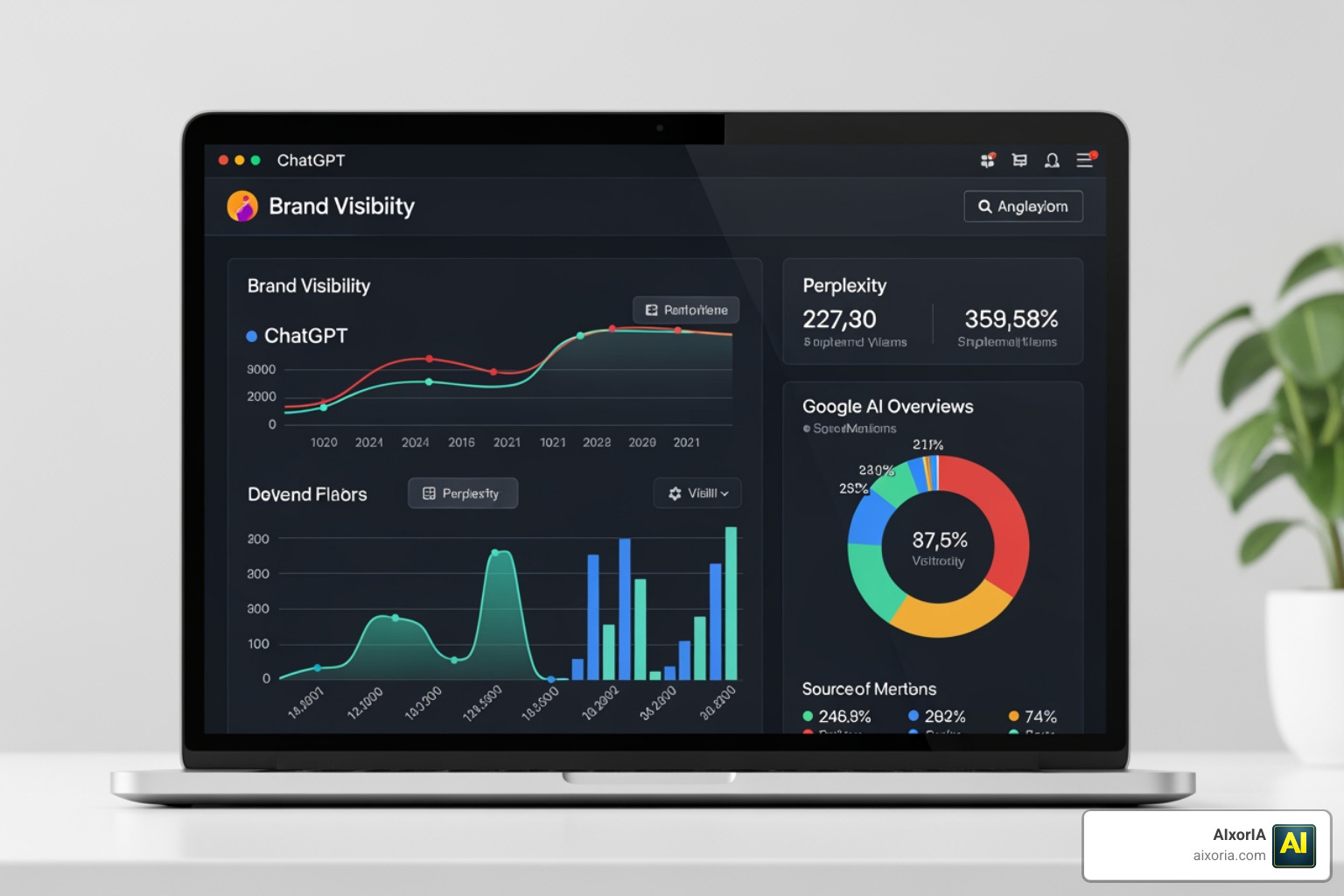
How Ziptie Tracks Brand Visibility in Generative Engines
One of the coolest things about Ziptie is how it handles the “personalization” problem. AI search results can be a bit of a moving target. We’ve found that results vary based on location and context. Ziptie solves this by mimicking real user behavior across 28 different countries, including the US, UK, Canada, India, and Australia.
Research shows that AI Overviews (AIO) trigger on about 16.5% of queries overall. Interestingly, they trigger less often for branded searches (~4.9%) than for non-branded, informational queries (up to 16.9%). This means if you are trying to capture new customers who don’t know your name yet, you absolutely need an AI Search Visibility Tool to see if you’re even showing up in those 16.9% of non-branded summaries.
Strategic Benefits of the Ziptie AI Search Performance Tool for Agencies
For our agency friends, Ziptie is a total game-changer for client reporting. We know how hard it is to explain to a client why their traffic is dipping even though their “rankings” look fine. Usually, it’s because an AI Overview has pushed the organic results so far down the page that nobody is clicking them anymore.
Agencies like Seer Interactive have deployed Ziptie to monitor over 7,800 searches weekly. By using automated audits, agencies can reduce the manual labor of checking AI responses by up to 50%. This allows teams to stop “guessing” what the AI says and start providing verifiable data on brand mentions and citations.
If you’re looking to scale your agency’s AI offerings, reading Why Choose Ziptie AI Search Performance Tool in 2026 A GEO AI Visibility Deep Dive is a great next step.
Core Metrics and Strategic Optimization Frameworks
You can’t manage what you can’t measure. Ziptie introduces a few new metrics that we think every marketer in 2026 needs to memorize.
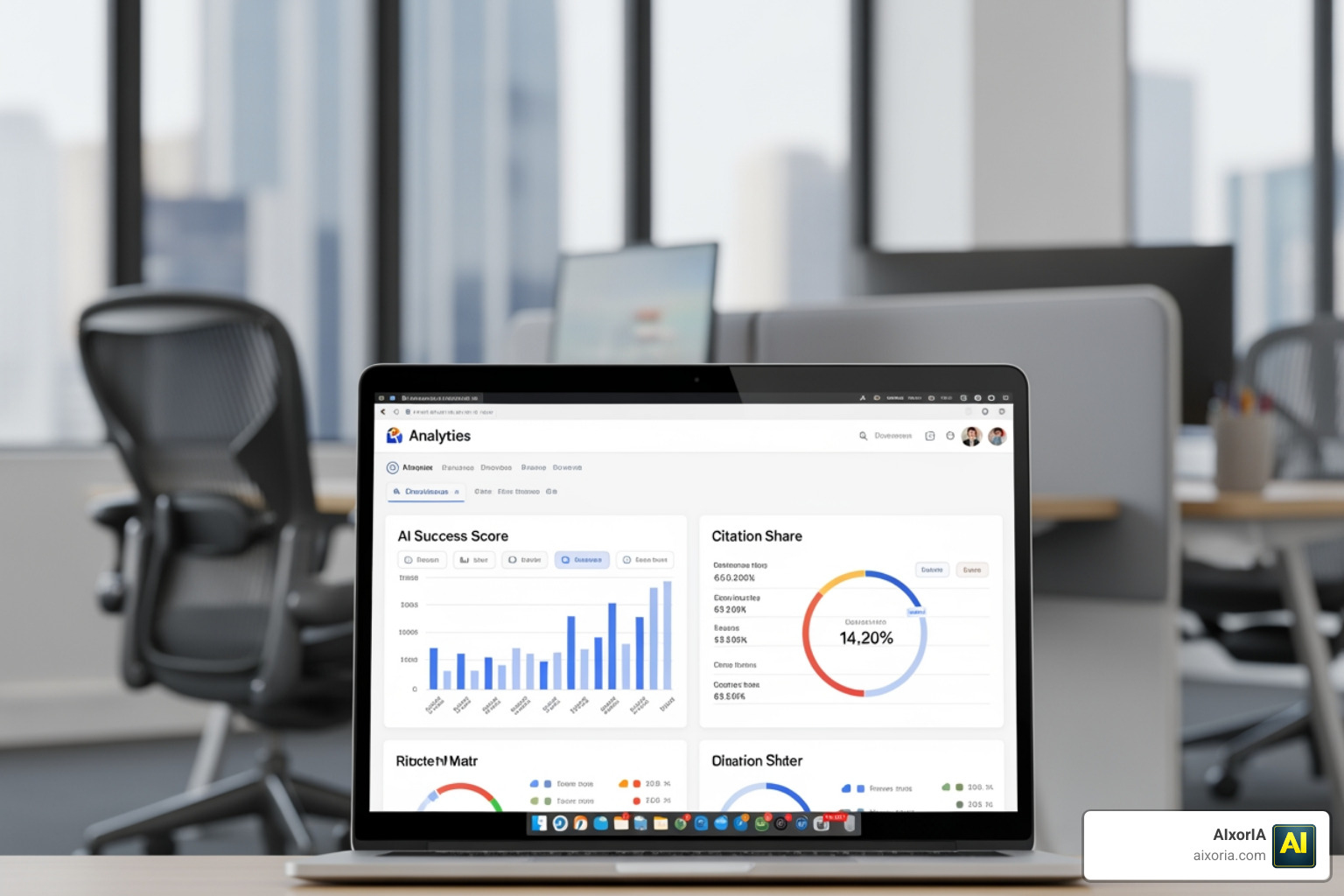
For a full breakdown of these metrics, see our What is Ziptie AI Search Performance Tool Complete GEO Guide 2026.
Key Features and Metrics of the Ziptie AI Search Performance Tool
The tool focuses on four major pillars:
- AI Success Score: This is a composite metric. It looks at how often you are mentioned, whether you are cited with a link, where that mention appears in the answer, and the overall sentiment.
- Citation Share: In 2026, a Citation Share above 35% in your niche is considered dominant. If you’re below 15%, you’re at high risk of being completely displaced by competitors.
- Sentiment Analysis: Does the AI call your product “affordable and reliable” or “complex and expensive”? Ziptie parses the natural language to tell you how you’re being framed.
- Answer Placement: Being the first recommendation in a ChatGPT list is worth way more than being the fifth citation in a footnote.
You can learn more about how these metrics interact at Ziptie AI Search Performance Tool.
Using Ziptie Insights to Optimize Content for AI Citations
Once you see the data, what do you do with it? Ziptie doesn’t just point out the problems; it helps you fix them.
The research is clear: pages with unique data points (like original benchmarks or specific case studies) have a 68% higher probability of being cited as a primary source. AI models love “hard” facts and structured clarity.
We recommend using Ziptie’s insights to:
- Use Direct Definitions: Start your answers with clear “X is…” statements.
- Implement Structured Data: Use tables and lists. AI extraction patterns favor content that is easy to parse.
- Shorten Paragraphs: Keeping paragraphs to 3-4 sentences helps AI models extract your points more accurately.
Understanding How AI Search Optimization Tools Increase Organic Traffic is key to turning these insights into actual revenue.
Comparing AI Search Monitoring to Traditional SEO
Is Ziptie a replacement for SEMrush or Ahrefs? In our opinion, no. It’s a powerful companion. Think of traditional SEO as the foundation and GEO as the skyscraper you build on top of it.
| Feature | Traditional SEO | Ziptie (GEO) |
|---|---|---|
| Primary Goal | Rank in top 10 blue links | Appear in AI-generated answers |
| Tracking Method | Keyword positions | Prompt-based citations |
| Authority Signal | Backlinks & Domain Rating | Semantic clarity & Entity trust |
| Success Metric | Click-Through Rate (CTR) | Share of Model / Citation Share |
| User Experience | Scrolling and clicking | Conversational interaction |
While traditional tools are great for technical health and backlink audits, they are blind to the “Citation Gap.” As we mentioned earlier, ranking #1 only gives you a 22% chance of an AI citation. For more on this comparison, check out How Does Ziptie AI Compare to Other AI Search Tools in 2026.
Why Traditional Rank Tracking Fails in the AI Era
The world has shifted toward a “zero-click” default. When a user gets a perfect 300-word summary of the “best hiking boots for flat feet” directly in Google, they often don’t bother clicking any of the links below.
If your brand is the one mentioned in that summary, you still get the “mindshare,” even if you don’t get the click immediately. Traditional rank tracking can’t measure that mindshare. Brand web mentions on third-party sites actually correlate at 0.664 with AI visibility—a signal traditional tools often ignore.
To see which tools are winning this battle, read Which Answer Engine Optimization Tools Work Best for AI Visibility.
Pricing Plans and Platform Limitations in 2026
Ziptie offers several tiers depending on your needs. (Note: prices are based on May 2026 market data).
- Starter Plan: Around $69/month. Perfect for small brands or solo creators. Includes 1 brand and 100 queries.
- Pro Plan: Around $159/month. Great for growing businesses. Includes 3 brands and 500 queries.
- Enterprise Tier: Custom pricing for unlimited brands and 5,000+ queries.
The main limitations? Currently, Ziptie doesn’t track downstream conversions (it won’t tell you if a ChatGPT mention led directly to a sale), and it’s primarily focused on the “Big Three” (Google, ChatGPT, Perplexity). However, tracking for other engines like Mistral is on the 2026 roadmap.
For the latest pricing details, visit the Ziptie AI Search Performance Tool: Complete 2026 Guide.
Frequently Asked Questions about Ziptie AI
We get a lot of questions about how to actually use this data without losing your mind. Here are the big ones.
How accurate is Ziptie’s tracking of personalized AI results?
It’s very accurate because it doesn’t use “shortcuts.” By mimicking real user behavior and using incognito-style simulations, it avoids the bias of a single logged-in account. However, AI responses are probabilistic. This means if you run the same prompt five times, you might get slightly different wording. Ziptie handles this by looking for recurring patterns rather than just a one-off snapshot.
What are the main limitations of the Ziptie platform?
No tool is perfect! Some users report processing delays when running thousands of queries at once. Also, while the sentiment analysis is great, it can sometimes struggle with very subtle sarcasm or highly technical nuances. It’s a fantastic guide, but we still recommend having a human (like us!) review the most critical reports.
How can brands use Ziptie to improve AI citations?
The best way is to use the Query Discovery Assistant. It helps you find the conversational questions people are actually asking. Once you have those, you can refactor your content using the “Direct Answer” method. If you can hit that 35% Citation Share mark, you’re effectively dominating your niche in the AI space.
For more tips, see our Top AI Search Optimization Tools for Content Creators 2026 Guide.
Conclusion
The search landscape is moving faster than ever. In 2026, simply “ranking” isn’t enough—you need to be part of the AI conversation. The Ziptie AI Search Performance Tool gives you the data you need to stop guessing and start optimizing for the future of discovery.
At AIxorIA, we specialize in helping businesses navigate these complex shifts. Whether you need a comprehensive AI search performance audit, custom AI solutions, or hands-on tool training workshops, we are here to help. We pride ourselves on using simple language to solve big problems, offering affordable services with lightning-fast support.
Ready to see how your brand stacks up in AI search? We’d love to help you bridge the citation gap.
1 thought on “Ziptie AI Search Performance Tool Review 2026: Track AI Visibility on ChatGPT & Google”