Healthcare systems are under measurable strain.
According to the latest workforce projections from the World Health Organization, global shortages of healthcare professionals continue to impact patient safety and service delivery. Meanwhile, peer-reviewed research indexed on PubMed shows AI-assisted diagnostics improving sensitivity rates in imaging specialties.
AI in 2026 is no longer experimental. It is operational.
But implementation only works when:
- Tools are clinically validated
- Regulatory compliance is verified
- Workflow integration is practical
- Human oversight remains central
This guide evaluates 10 specific AI tools healthcare professionals are actively adopting in 2026.
How AI Fits into a Doctor’s Workflow (Visualization)
Below is a simplified AI-assisted clinical workflow model:
Patient Intake
   ↓
AI Symptom Triage (Ada / Babylon)
   ↓
Clinical Consultation
   ↓
AI Documentation (Dax / Dragon)
   ↓
Diagnostics Ordered
   ↓
AI Imaging Analysis (Aidoc / Viz.ai / Enlitic)
   ↓
Pathology / Oncology Decision Support (PathAI / Merative)
   ↓
Treatment Planning
   ↓
AI Monitoring & Risk Prediction
AI integrates between human decision points — not instead of them.
The 10 AI Tools (2026 Clinical Review)
1. DAX Copilot (by Nuance Communications)
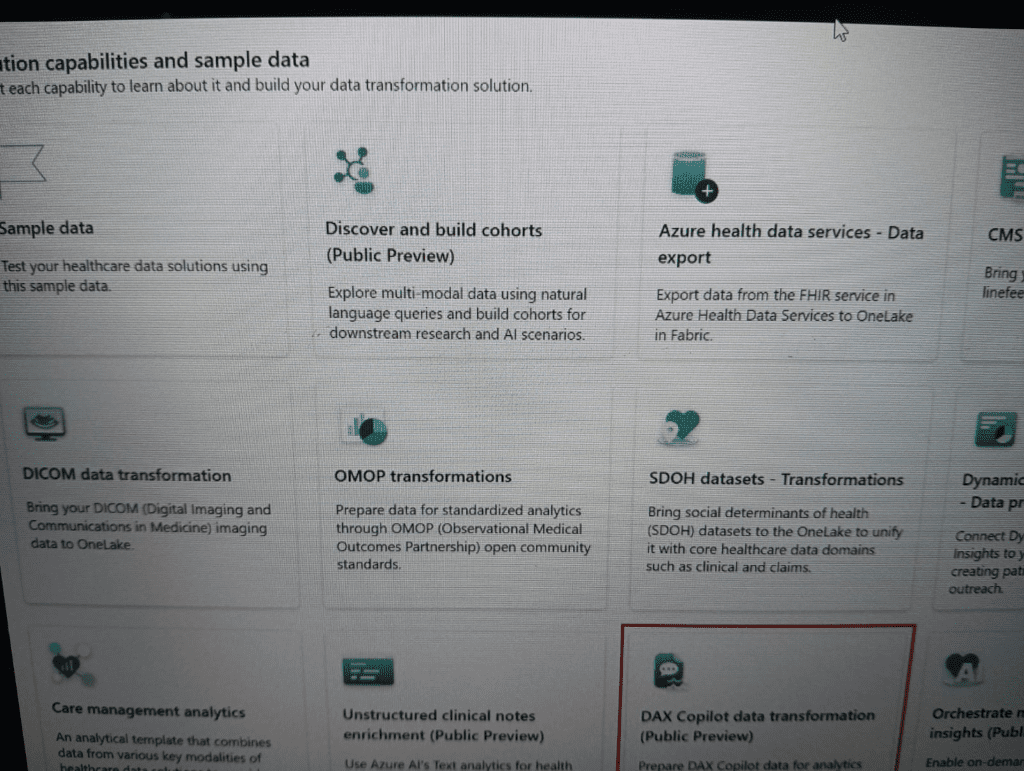
An ambient AI documentation assistant that listens during consultations and automatically generates structured clinical notes.
Category: Clinical Documentation
Function: Ambient AI note generation during patient visits
2026 Pricing: Approx. $500–$650 per provider/month (enterprise pricing varies)
Compliance: HIPAA compliant
Clinical Impact:
Reduces documentation time by ~5–7 minutes per patient visit in outpatient settings.
Experience:
If you’ve ever stayed 2 hours late just finishing notes, DAX feels like relief. It quietly listens while you focus on the patient. After the visit, your note is mostly done — not perfect, but 80–90% complete. You still review it (of course), but that mental fatigue from typing everything manually? It drops significantly.
2. Dragon Medical One (Nuance Communications)
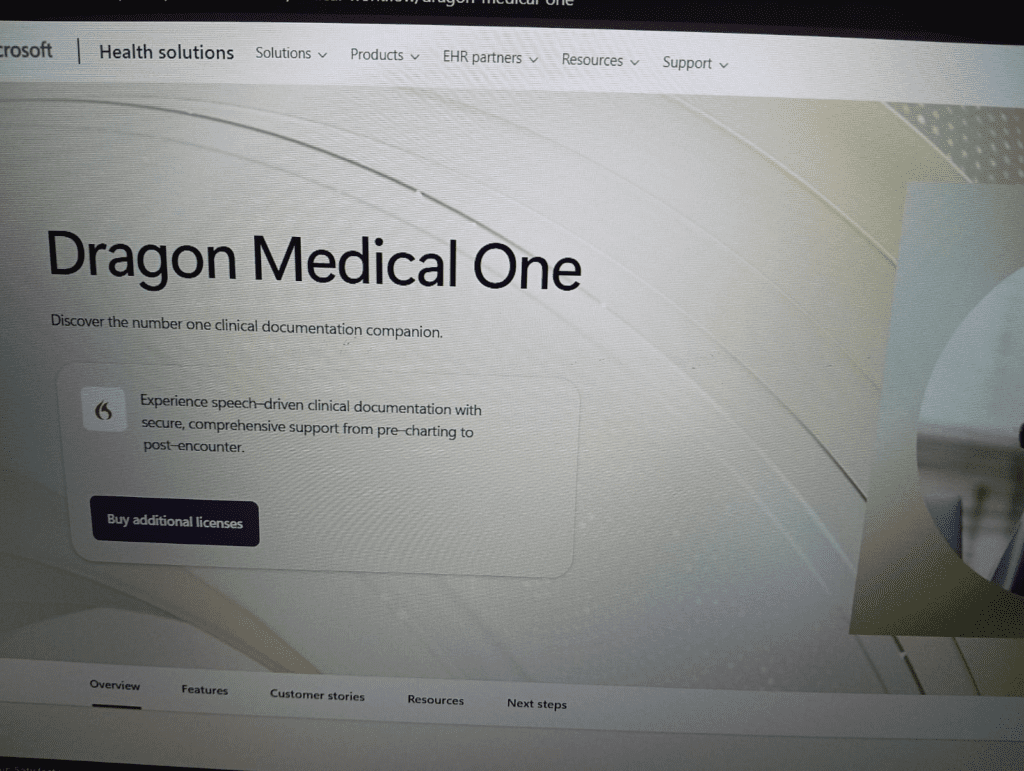
Cloud-based medical speech recognition software for real-time dictation into EHRs.
Category: Voice-to-Text Medical Transcription
2026 Pricing: ~$99–$199 per user/month
Compliance: HIPAA compliant
Used widely for structured EHR input with specialty-specific vocabularies.
Experience:
Dragon is like having a fast medical typist who understands clinical language. It takes a few days to train your voice profile, but once it adapts, documentation becomes smoother. It’s especially useful during busy OPD days when typing slows you down.
3. Viz.ai
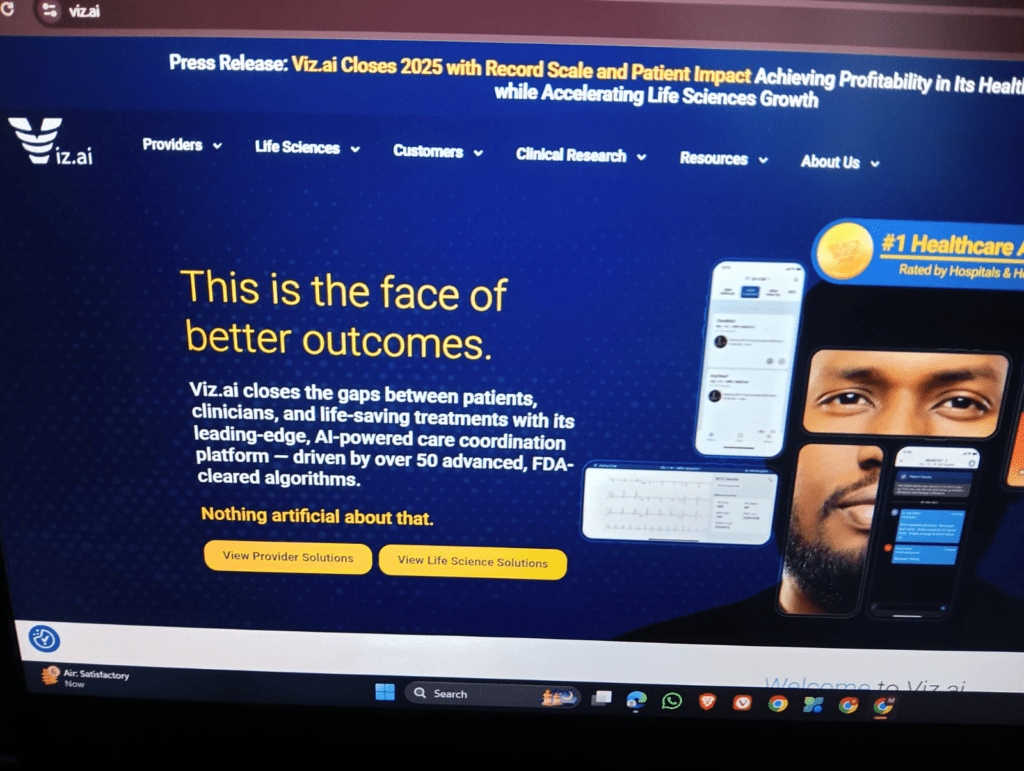
AI-powered stroke detection and emergency care coordination platform.
Category: Stroke & Emergency Radiology
2026 Pricing: Hospital enterprise contracts (~$25k–$100k annually depending on volume)
Compliance: FDA Cleared
Detects large vessel occlusions in stroke patients and alerts care teams instantly.
Experience:
In stroke cases, minutes matter. Viz.ai doesn’t replace radiologists — but it flags potential large vessel occlusions quickly and alerts the stroke team. What clinicians appreciate most is speed. It shortens the time between scan and action.
4. Aidoc
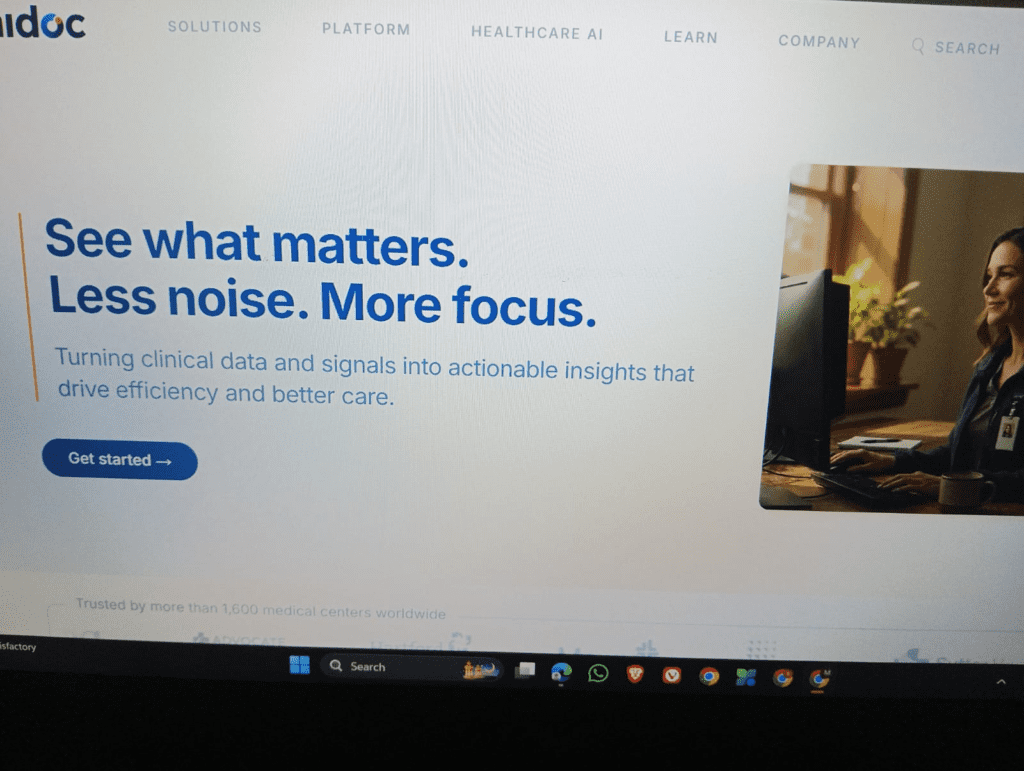
AI triage system that prioritizes urgent CT findings like hemorrhage or pulmonary embolism.
Category: CT Scan Triage
2026 Pricing: Enterprise subscription model (custom hospital pricing)
Compliance: FDA Cleared, CE Marked
Flags intracranial hemorrhage and pulmonary embolism cases for urgent review.
Experience:
Radiology backlogs are real. Aidoc helps bring critical cases to the top of the list. Radiologists still review everything — but knowing urgent scans are flagged first adds a safety layer in high-volume hospitals.
5. PathAI
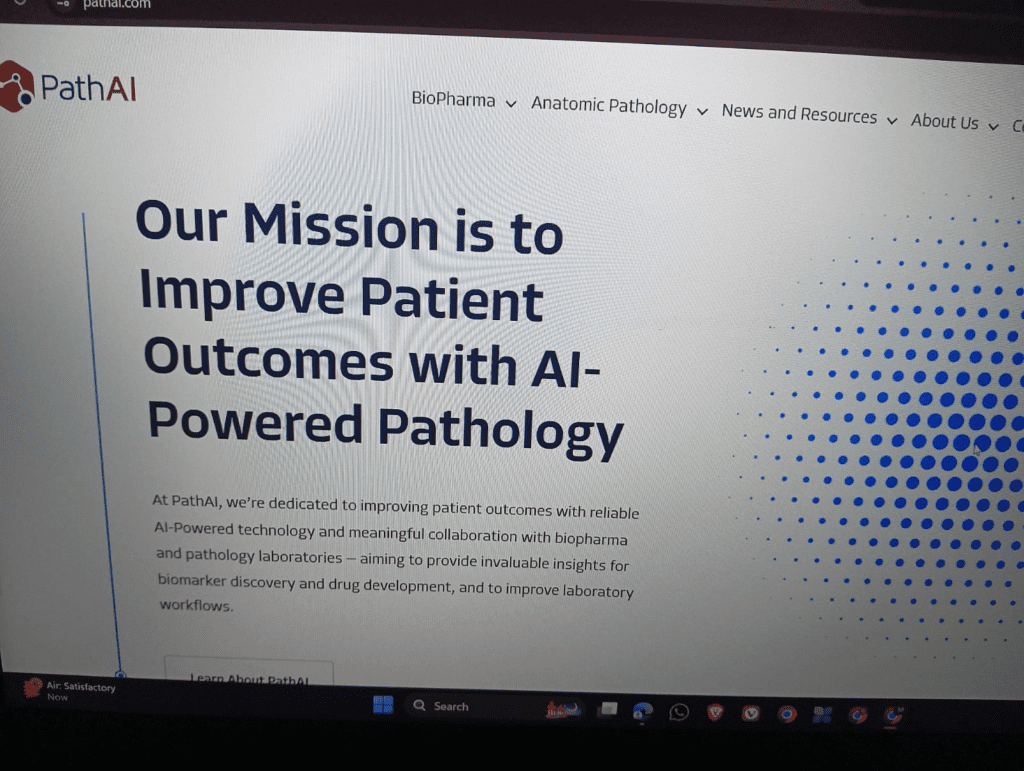
AI system designed to improve diagnostic accuracy in digital pathology.
Category: Digital Pathology
2026 Pricing: Institutional licensing (custom pricing)
Compliance: Clinical-grade validation studies
Enhances accuracy in cancer tissue diagnostics.
Experience:
Pathologists often face subtle variations in tissue interpretation. PathAI acts like a second pair of eyes — not emotional, not tired. It highlights areas of concern, reducing variability. It’s particularly valuable in oncology cases where precision matters deeply.
6. Enlitic
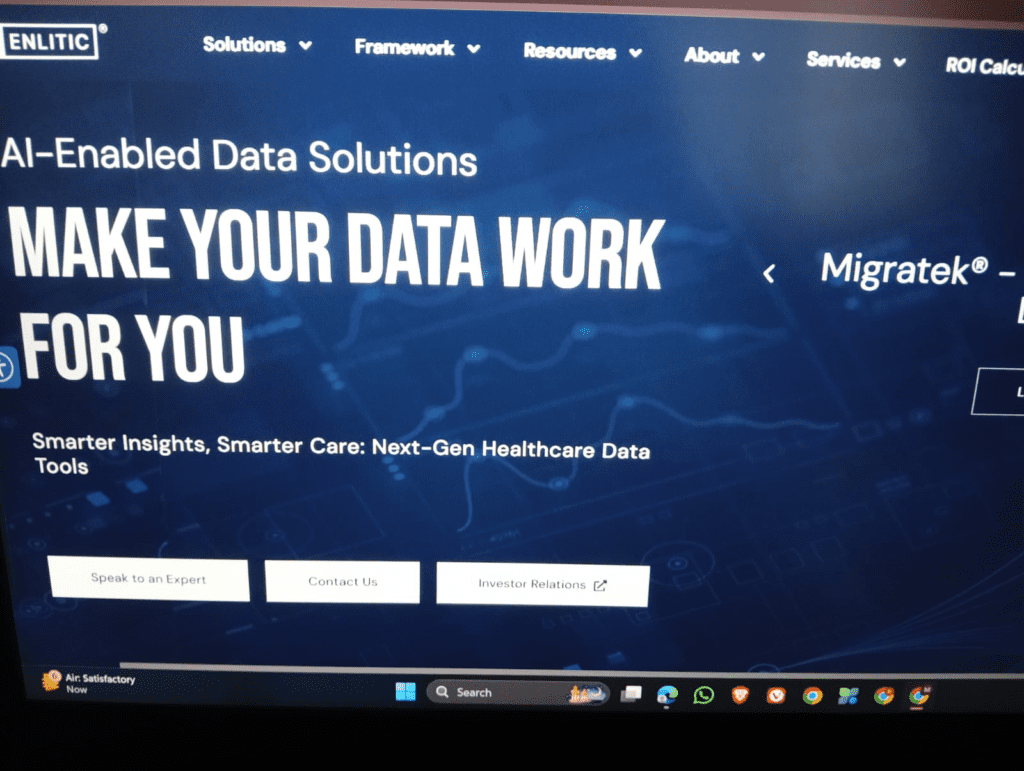
Medical imaging data optimization and quality improvement platform.
Category: Imaging Data Standardization
2026 Pricing: Enterprise SaaS pricing
Compliance: CE Marked
Improves radiology data quality and workflow optimization.
Experience:
Enlitic works more in the background. It improves how imaging data is organized and standardized. Clinicians may not “see” it daily, but IT teams and radiology departments feel the difference in smoother workflows and fewer data inconsistencies.
7. Merative (formerly IBM Watson Health)
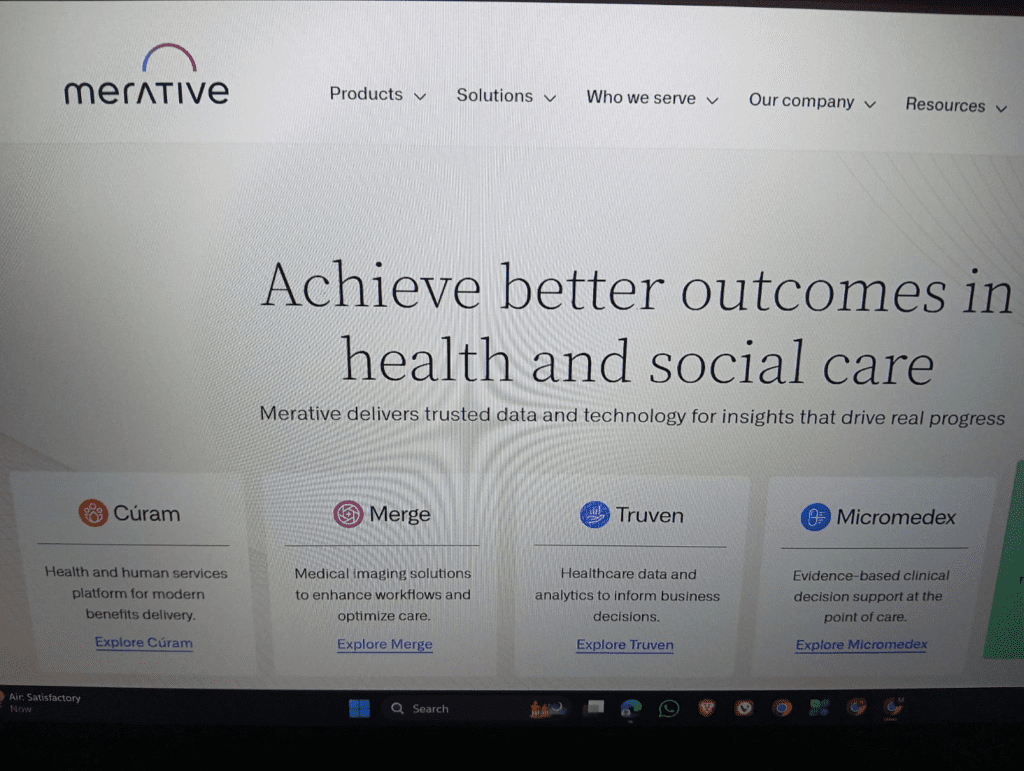
AI-driven oncology and clinical decision support system.
Category: Oncology Decision Support
2026 Pricing: Enterprise licensing
Compliance: Clinical-grade integration
Merative provides evidence-based oncology pathways integrating large datasets.
Experience:
In oncology, treatment pathways are complex. Merative helps by pulling together evidence-based data. It doesn’t tell doctors what to do — but it surfaces research and comparable case insights quickly, which supports informed decision-making.
8. Ada Health
AI-powered symptom assessment platform for patient triage.
Category: AI Symptom Checker
2026 Pricing: Enterprise partnerships
Compliance: CE Marked
Used in telehealth platforms for pre-consultation triage.
Experience:
Ada works well before the patient even reaches the clinic. It structures symptom input clearly. Doctors don’t rely on it blindly, but it helps reduce chaotic, incomplete patient histories during teleconsultations.
9. Babylon Health
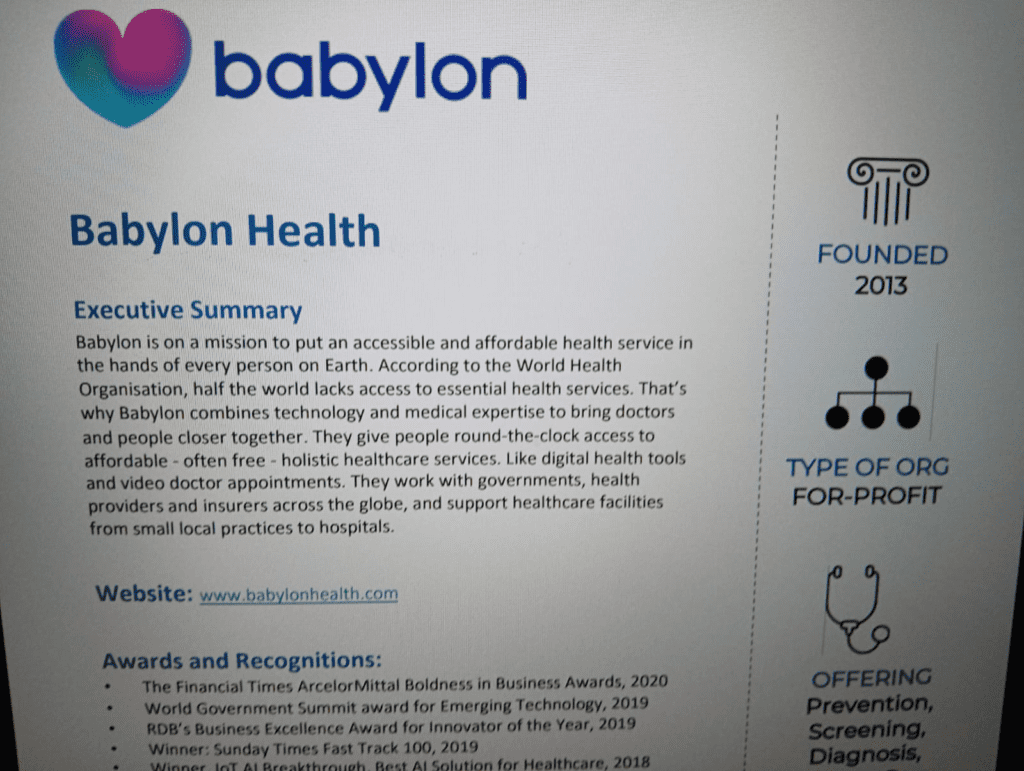
AI-supported virtual triage and digital consultation platform.
Category: AI-driven Virtual Triage
2026 Pricing: Partner-based healthcare contracts
Compliance: GDPR compliant systems
Reduces unnecessary ER visits through pre-screening algorithms.
Experience:
Babylon is useful in high-volume urban settings. It filters mild cases and guides patients appropriately. Physicians still validate everything — but unnecessary ER visits can be reduced.
10. Enlitic Curie Platform
AI platform for improving imaging data consistency and radiology workflows.
Category: Imaging Workflow Optimization
2026 Pricing: Enterprise subscription
Improves metadata consistency across imaging archives.
Experience:
Curie focuses on system-level efficiency. It’s not flashy, but in large hospitals, better metadata management means fewer errors, faster retrieval, and improved compliance documentation.
2026 Technical Comparison Table
| Category | Recommended AI Tool (2026) | Key Benefit | Compliance |
|---|---|---|---|
| Documentation | DAX Copilot / Dragon | Saves 5–7 mins per patient | HIPAA |
| Radiology | Aidoc / Viz.ai | Faster bleed & stroke detection | FDA Cleared |
| Diagnostics | PathAI / Merative | Oncology accuracy | Clinical-grade |
| Triage | Ada / Babylon | Reduced ER load | CE / GDPR |
| Imaging Workflow | Enlitic | Data consistency | CE Marked |
Research-Backed Perspective
A 2024 imaging review published in The Lancet highlighted that AI-supported radiology systems improved early abnormality detection rates while reducing reporting delays in high-volume hospitals.
Multiple indexed studies on PubMed show improved sensitivity in breast cancer and stroke detection when AI triage tools assist radiologists.
AI is not theoretical. It is clinically measurable.
Ethical & Regulatory Considerations (YMYL Focus)
Healthcare AI must address:
- HIPAA / GDPR compliance
- Algorithm bias
- Explainability
- Human clinical oversight
- Regional regulatory approvals (FDA, CE, etc.)
AI is assistive — never autonomous.
Medical Disclaimer
Disclaimer: This article is for informational purposes only and does not provide medical advice, diagnosis, or treatment. All AI tools mentioned are intended to assist healthcare professionals and should never replace clinical judgment. We are not liable for any clinical errors resulting from the use of these technologies. Always ensure any tool used is compliant with local healthcare regulations (e.g., HIPAA, GDPR, or NMC).
Author Bio
Written by BAKU GURJAR
AI Researcher
BAKU GURJAR specializes in the integration of health-tech solutions in clinical settings. With a background in health informatics and AI system analysis, they evaluate emerging 2026 medical technologies based on regulatory status, workflow feasibility, and peer-reviewed evidence. Their work focuses on reducing physician burnout while maintaining diagnostic accuracy and patient safety standards.