
TL;DR
👉 Best free AI tools:
- Best overall → ChatGPT
- Best for research → Perplexity AI
- Best for papers → NotebookLM
- Best for writing → Grammarly
- Best for literature review → Research Rabbit
The 2026 Shift: From Studying → AI Research Systems
Students no longer just “study” — they build research systems.
Earlier:
- Search → read → write
Now:
👉 AI tools:
- Find sources
- Summarize instantly
- Connect ideas
- Assist writing
👉 This is called:
AI-Augmented Research Workflow
Table of Contents
Comparison Table (Updated with Free Limits)
| Tool | Best For | Free Version Limit | Unique 2026 Feature |
|---|---|---|---|
| ChatGPT | Multi-tasking | Limited GPT access + file uploads | Code + data analysis |
| Perplexity AI | Research | Limited daily Pro searches | Source-backed answers |
| NotebookLM | Paper analysis | ~50 sources per notebook | Audio summaries |
| Grammarly | Writing | Basic grammar free | AI clarity suggestions |
| Research Rabbit | Literature review | 100% free | Citation maps |
Best Free AI Tools for Students & Researchers
1. ChatGPT
Best for: Research + writing + data analysis
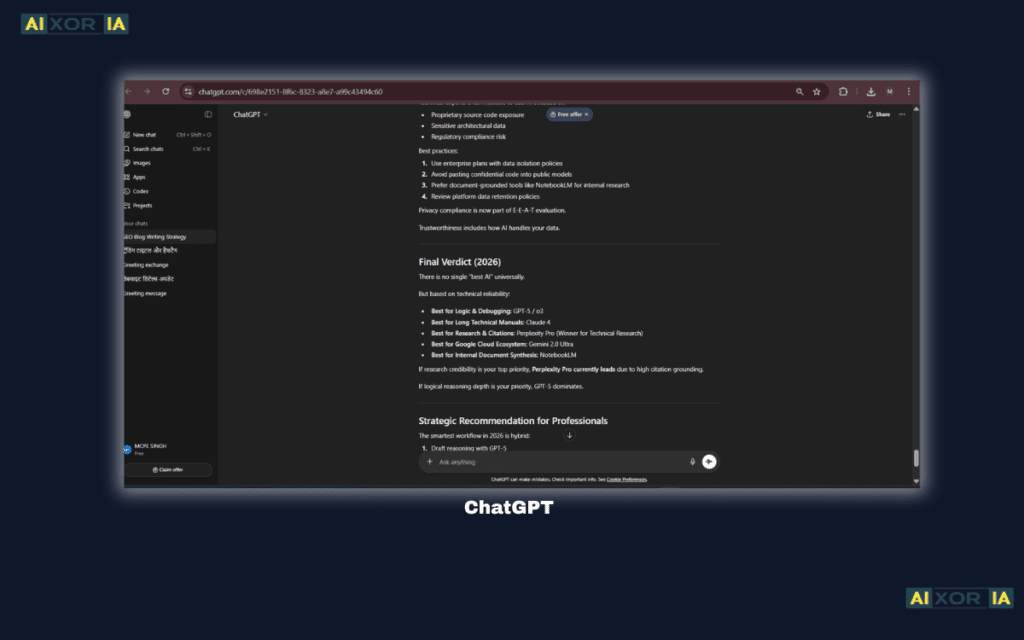
ChatGPT is the most versatile tool for students because it combines multiple academic tasks into one system.
🔥 2026 Advanced Capability (Important)
ChatGPT can:
- Analyze datasets using Python
- Use libraries like:
- Pandas
- Matplotlib
- Generate charts
- Summarize research
- Draft assignments
👉 This replaces:
- Excel formulas
- Basic coding
- Manual summarization
Practical Use:
Upload a dataset or notes and ask:
👉 “Find trends and explain results”
It will:
- Clean data
- Analyze patterns
- Generate insights
Free Limit:
- Limited daily usage
- Limited file uploads
✅ Pros:
- Multi-purpose tool
- Handles research + coding
❌ Cons:
- Limited free usage
- Needs verification
Real Experience :
I uploaded a messy Excel dataset for a college project, and ChatGPT cleaned it, created charts, and explained trends in simple terms. It saved me at least 4–5 hours.
READ MORE – The 9 Best AI Notes Apps for Productivity
2. Perplexity AI
Best for: Research with citations
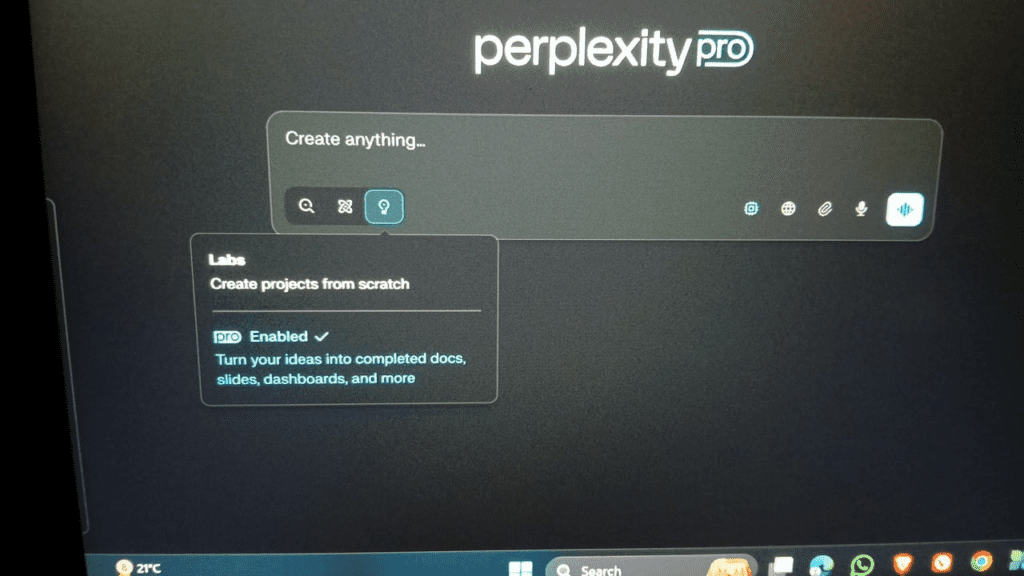
Perplexity is one of the best tools for accurate academic research.
Why it stands out:
Unlike normal AI tools:
👉 It provides sources with every answer
Features:
- Multi-source research
- Real-time web results
- Citation-based answers
👉 This reduces:
- Fake information risk
- Time spent verifying
Free Limit:
- Limited Pro searches per day
- Unlimited basic queries
✅ Pros:
- Reliable answers
- Source citations
❌ Cons:
- Limited advanced searches
- Less creative than ChatGPT
Real Experience:
While preparing a research report, I used Perplexity instead of Google. It gave me direct answers with sources, so I didn’t have to open 10 different tabs.
3. NotebookLM
Best for: Deep research & paper understanding
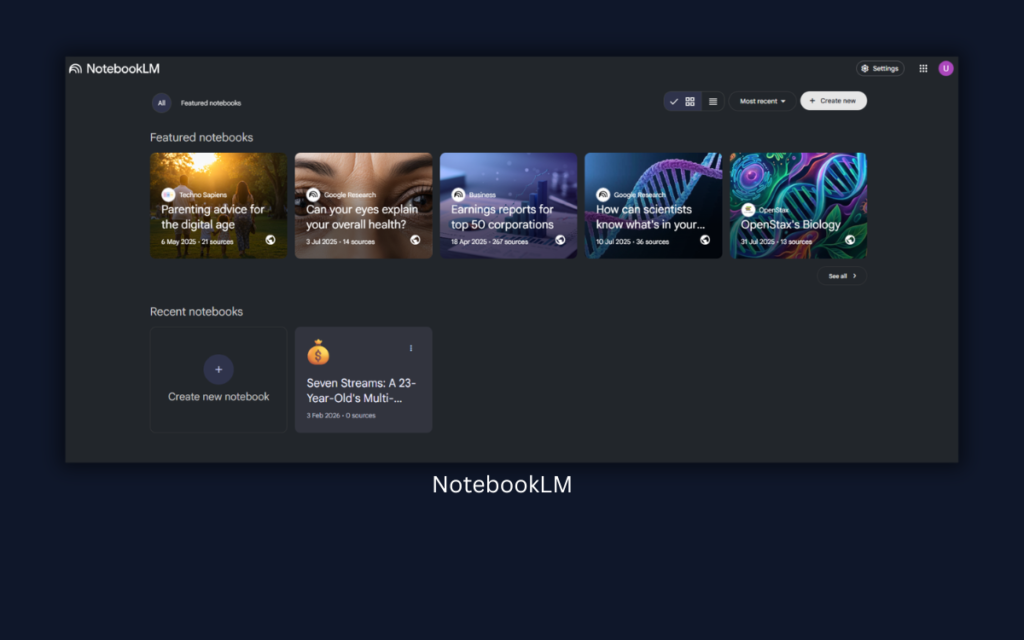
NotebookLM is designed specifically for serious research work.
What makes it unique:
You can upload:
- PDFs
- Notes
- Research papers
And ask:
👉 Questions across all documents
2026 Feature:
- Audio summaries (like podcast-style learning)
- Cross-document insights
👉 It doesn’t just summarize
👉 It connects ideas across sources
Free Limit:
- ~50 sources per notebook
✅ Pros:
- Deep understanding
- Context-aware answers
❌ Cons:
- Requires documents
- Not ideal for quick queries
Real Experience:
I uploaded my 50-page thesis draft, and NotebookLM pointed out weak arguments within minutes. Its audio summary helped me revise while traveling.
4. Grammarly
Best for: Academic writing
Grammarly is essential for students writing:
- Essays
- Reports
- Research papers
Features:
- Grammar correction
- Clarity suggestions
- Tone improvement
Why it matters:
Academic writing needs:
👉 Precision + clarity
Free Limit:
- Basic grammar + spelling
- Limited AI rewriting
✅ Pros:
- Easy to use
- Improves writing instantly
❌ Cons:
- Advanced features paid
- Limited rewriting in free version
Real Experience:
While submitting assignments, Grammarly caught small mistakes I missed and improved sentence clarity. My writing started sounding much more professional without extra effort.
READ MORE – Best AI for Technical Report Writing
5. Research Rabbit
Best for: Literature review
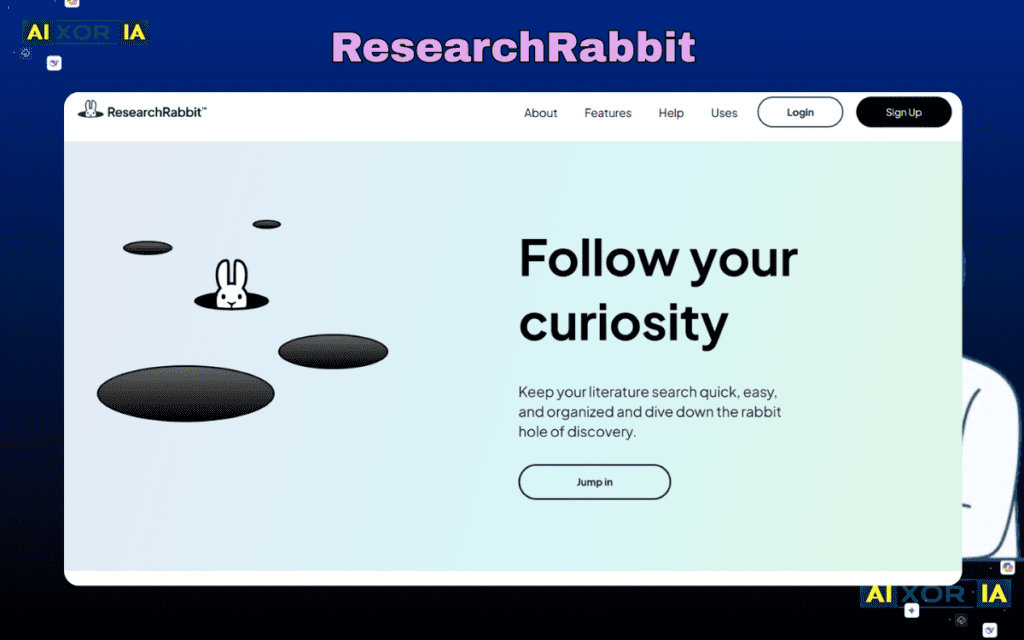
Research Rabbit is one of the best tools for discovering research papers.
Key Feature:
👉 Visual citation mapping
It shows:
- Related papers
- Research connections
- Topic evolution
Why it’s powerful:
Literature review becomes:
👉 Visual + interactive
Free Limit:
- Completely free
✅ Pros:
- 100% free
- Great for research discovery
❌ Cons:
- No writing features
- Learning curve
Real Experience:
While doing a literature review, Research Rabbit showed connections between papers I wouldn’t have found manually, helping me expand my research much faster.
Pro Tip: How to Use These Tools 100% Free
You don’t need to pay if you:
✔ Use multiple tools together
✔ Switch tools when limits hit
✔ Use free tiers strategically
Example:
- ChatGPT → idea generation
- Perplexity → research
- NotebookLM → deep analysis
👉 This creates a fully free research system
Accuracy Check
AI can:
👉 Hallucinate
Always verify:
✔ Cross-check sources
✔ Validate citations
✔ Use original papers
👉 Never rely 100% on AI
⚖️ Ethical Use (Important)
Students must:
- Avoid plagiarism
- Use AI responsibly
- Cite sources
👉 AI should assist learning
👉 Not replace thinking
Best AI Workflow (2026)
- Research → Perplexity
- Deep analysis → NotebookLM
- Idea generation → ChatGPT
- Writing → Grammarly
- Discovery → Research Rabbit
👉 Complete academic system
Final Verdict
👉 Best tools:
- ChatGPT → all-in-one
- Perplexity → research
- NotebookLM → analysis
- Grammarly → writing
- Research Rabbit → literature
👉 Real power = combining tools
FAQ
Which AI tool is best for students?
ChatGPT is best because it supports writing, research, and data analysis in one place.
Which AI tool is best for research papers?
NotebookLM is ideal for analyzing research papers and extracting insights.
Author Bio
Written for students and researchers who want to study smarter, conduct better research, and use AI tools effectively while maintaining academic integrity.
4 thoughts on “5 Best Free AI Tools for Students & Researchers (2026 Guide)”