Businesses send thousands of proposals every day — but only a small percentage actually win.
The difference is rarely just writing quality. Winning proposals usually have three things:
- Clear alignment with the client’s needs
- Strong proof of capability
- A structure that decision-makers can scan quickly
In the past, creating this kind of proposal required hours of research and editing. Today, modern AI tools can help automate large parts of that process.
But here’s something many guides miss.
The newest generation of AI proposal tools doesn’t just write content — it analyzes the proposal’s persuasive strength and helps improve the probability of winning the deal.

This guide explores the best AI tools for proposal writing in 2026, how they actually work behind the scenes, and how professionals use them to craft stronger proposals.
The Evolution of AI Proposal Writing
Early AI writing tools were essentially text generators. They could produce paragraphs but had no understanding of business context.
Modern proposal AI systems are very different.
Today’s platforms combine:
- Large language models (LLMs)
- CRM integrations
- behavioral analytics
- structured document automation
This means proposals can now automatically include:
- past interactions with the client
- previous project results
- customized pricing logic
- tailored messaging for each industry
For example, when connected to CRM systems like sales databases, AI tools can automatically insert:
- the client’s company size
- their past purchase history
- previous proposals sent
- pain points identified in earlier meetings
This dramatically reduces manual work and makes proposals feel highly personalized.
How AI Predicts Proposal Success
One of the most interesting developments in AI proposal software is predictive scoring.
Instead of only generating text, advanced systems evaluate the persuasive strength of a proposal.
A simplified way to think about this concept is through a “Proposal Win Probability” model:Wp=Cognitive Load+Pricing Friction(Semantic Alignment×Social Proof Density)
Where:
Semantic Alignment
How closely the proposal language matches the client’s problem and industry terminology.
Social Proof Density
The amount of evidence supporting your capability — testimonials, case studies, results.
Cognitive Load
How difficult the proposal is to read and understand.
Pricing Friction
How complex or unclear the pricing structure is.
Modern AI proposal platforms analyze these factors indirectly through content structure, readability, and layout patterns.
The goal is simple:
make proposals persuasive while remaining easy to scan.
The Proposal Workflow Professionals Use
Proposal writing works best when it follows a structured workflow.
Below is the typical AI-assisted process used by consultants and agencies today.
Client Research → AI Draft Generation → Personalization → Proposal Scoring → Final Presentation
Breaking this down step-by-step:
Step 1: Client Context Collection
Information is gathered about the client’s company, goals, and challenges.
Step 2: AI Generates the Initial Proposal
The tool creates a structured draft including sections like:
- executive summary
- scope of work
- solution strategy
- timeline
- pricing
Step 3: Personalization Layer
The writer adds specific details, past project examples, and unique insights.
Step 4: Proposal Strength Review
AI tools analyze readability, clarity, and persuasive signals.
Step 5: Final Delivery
The proposal is formatted, signed digitally, and sent to the client.
This structured workflow significantly reduces proposal creation time.
READ MORE – AI Tools for Automating Demand Letter Writing
Advanced Comparison of AI Proposal Tools (2026)
| Tool | AI Engine | Best Use Case | Notable Feature |
|---|---|---|---|
| ChatGPT | Advanced LLM models | Deep customization | Custom proposal agents |
| Jasper | Marketing-focused AI | Brand voice consistency | Campaign alignment |
| PandaDoc | Document automation AI | Enterprise proposals | Dynamic pricing tables |
| Writesonic | Real-time AI search | Global proposals | Multilingual content |
| Copy.ai | Workflow AI generation | Fast proposal drafts | Automation templates |
Each of these tools approaches proposal writing differently.
Below is a closer look at how professionals actually use them.
ChatGPT: Flexible Proposal Generation
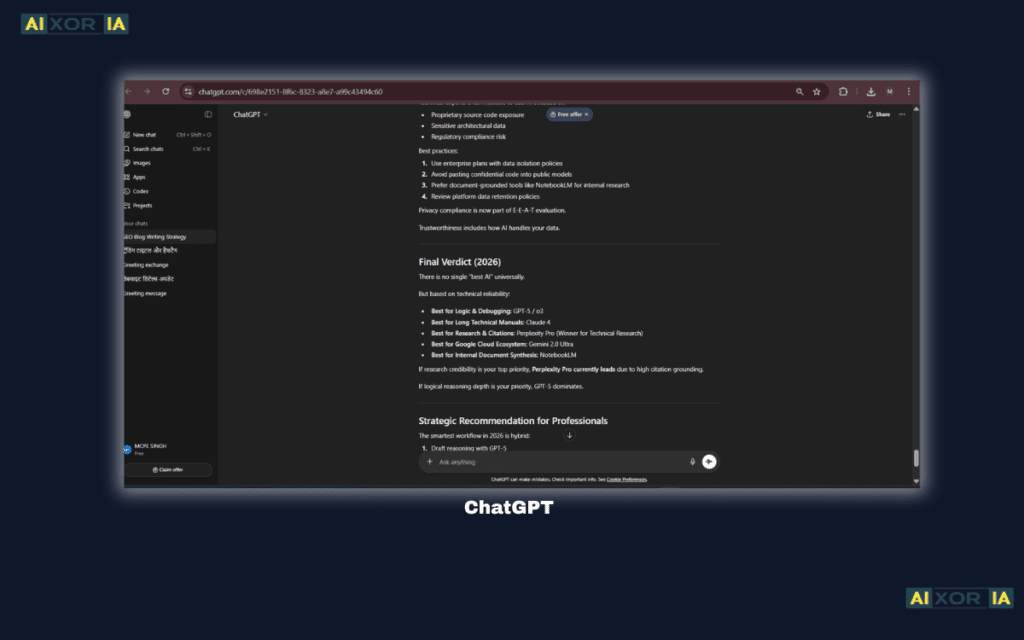
ChatGPT has become one of the most widely used tools for proposal writing because of its flexibility.
Unlike traditional proposal software, it doesn’t force you into a specific template.
Instead, users can generate proposals in a more conversational workflow.
For example, a consultant might prompt the system to:
- analyze the client’s website
- summarize their challenges
- propose a strategy
- create a detailed project proposal
This allows proposals to be tailored more deeply than many template-based tools.
Real-world experience
When drafting consulting proposals, one practical workflow is to first ask the AI to create a problem analysis section.
After that, the AI can generate the solution framework and timeline.
The most useful part is that the proposal can be refined iteratively.
Instead of rewriting the entire document, you can simply ask the AI to:
- simplify a section
- make the tone more persuasive
- restructure the pricing explanation
This flexibility makes it particularly valuable for freelancers and consultants.
Jasper: Persuasive Proposal Writing
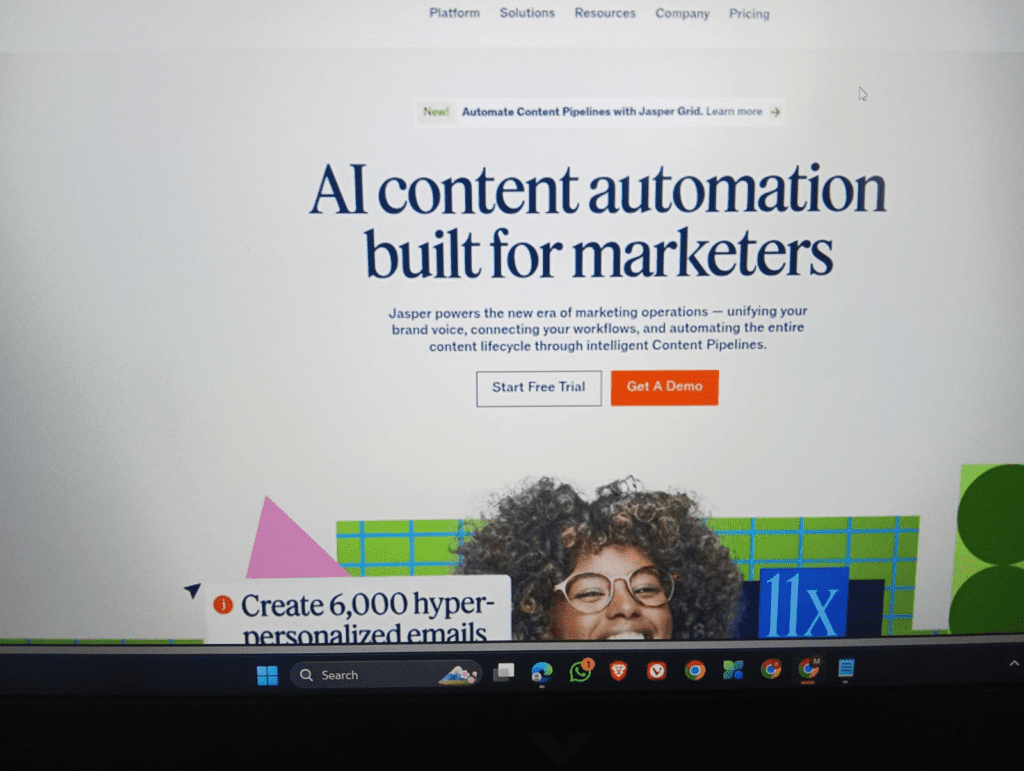
Jasper was originally designed for marketing copy.
Because of that background, it performs particularly well at writing persuasive and structured proposals.
Many agencies use Jasper when proposals need to sound polished and aligned with a brand’s voice.
Where Jasper stands out
Jasper includes tools for maintaining consistent tone across multiple documents.
This matters when companies send many proposals every month.
Instead of rewriting the same sections repeatedly, Jasper can store a brand voice profile and apply it automatically.
Real-world experience
When writing marketing proposals, Jasper is often useful for:
- executive summaries
- campaign strategy sections
- outcome-focused messaging
These sections require persuasive writing rather than technical detail, which is where Jasper performs best.
PandaDoc: Full Proposal Lifecycle Management
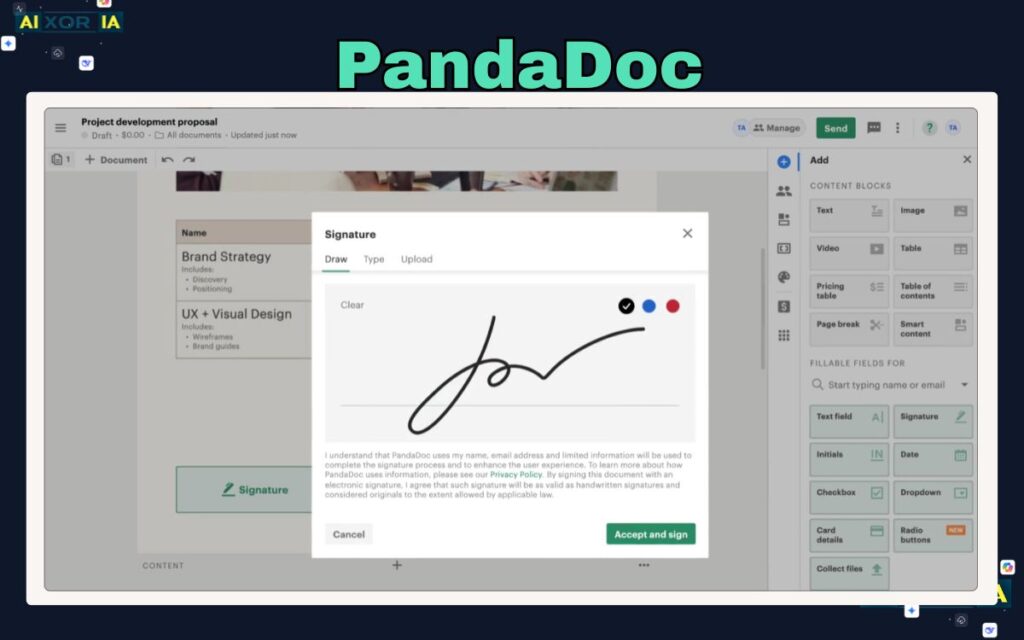
PandaDoc is different from typical AI writing tools.
It focuses on proposal creation, delivery, and tracking rather than just text generation.
This makes it popular among sales teams and larger organizations.
Key capabilities
PandaDoc allows proposals to include:
- dynamic pricing tables
- embedded product catalogs
- interactive document sections
- electronic signatures
Instead of sending a static PDF, companies can send a live proposal document.
Clients can review sections, comment, and sign digitally.
Real-world experience
For sales teams handling multiple deals, PandaDoc helps streamline the process significantly.
One particularly useful feature is proposal analytics.
The software can show:
- when the client opened the document
- which sections they spent the most time reading
- whether they skipped the pricing page
This insight helps teams refine their proposals over time.
Writesonic: AI for International Proposals
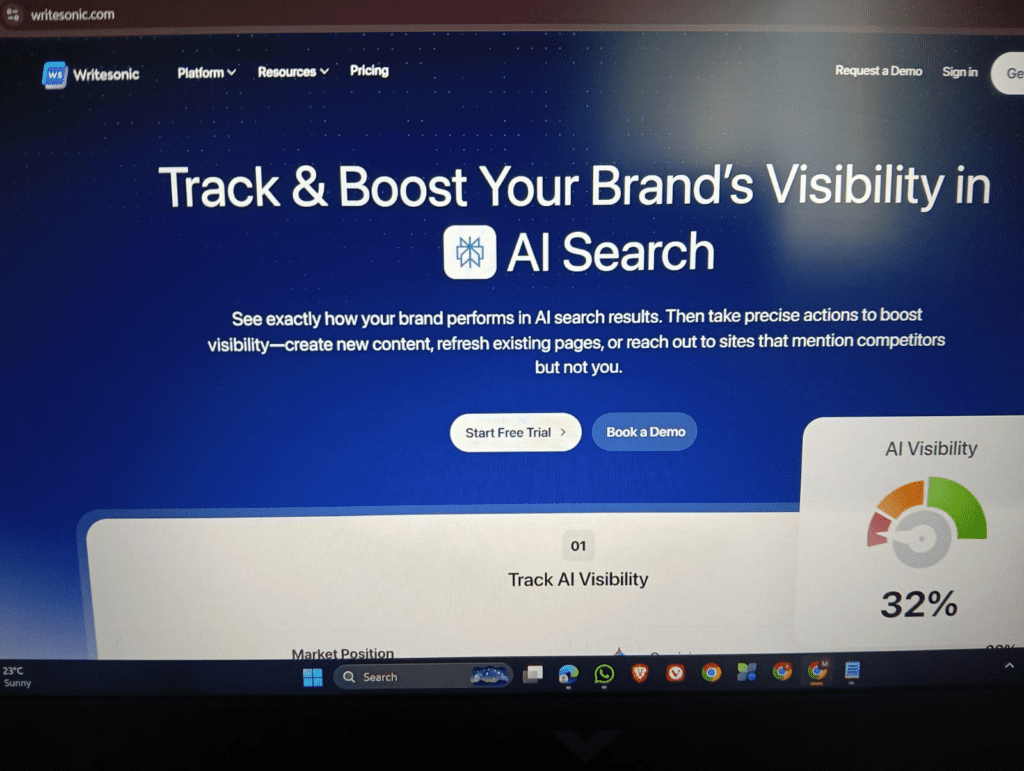
Many companies now work with international clients.
This introduces challenges such as language differences and cultural expectations.
Writesonic is useful in these scenarios because it supports multilingual content generation.
Where it excels
Writesonic can generate proposal content in several languages while preserving meaning and tone.
This is particularly valuable for companies responding to:
- global tenders
- international partnerships
- overseas consulting projects
Real-world experience
When drafting proposals for clients in different regions, a common workflow is:
- generate the proposal in English
- refine the structure
- translate using AI
- adjust cultural nuances manually
This reduces translation time significantly while maintaining consistency.
Copy.ai: Rapid Proposal Drafting
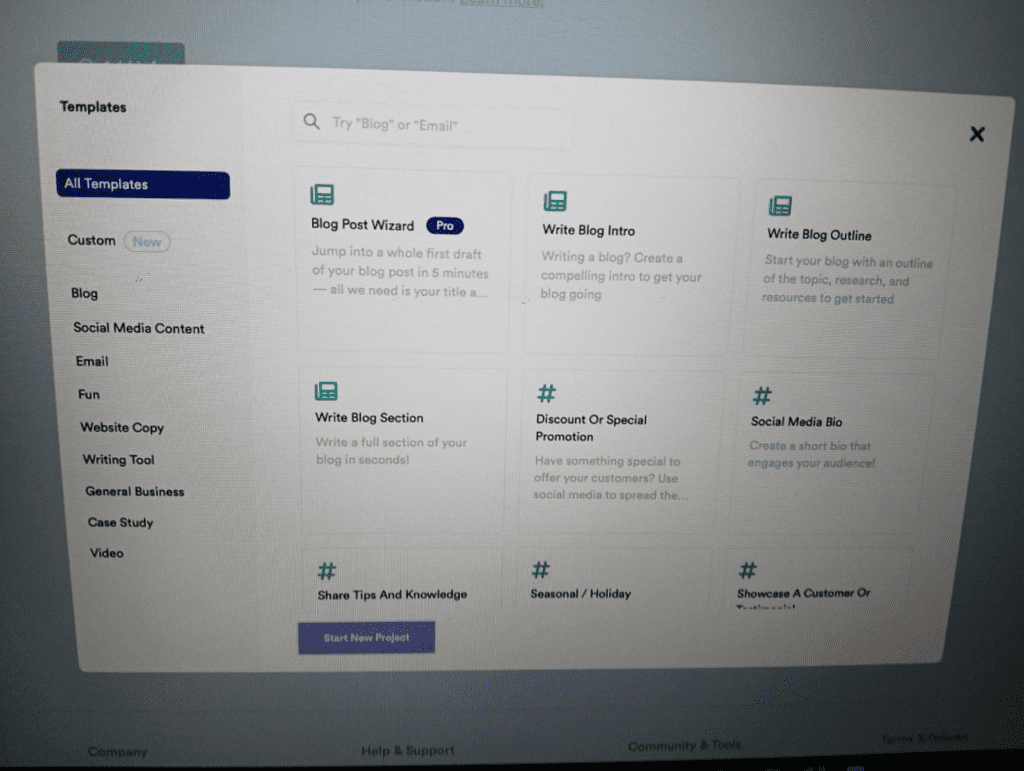
Copy.ai focuses on speed.
It is designed for teams that need to produce proposals quickly without spending hours on formatting.
Instead of long manual prompts, Copy.ai uses structured workflows.
You input details such as:
- project description
- deliverables
- client goals
The system generates a proposal draft automatically.
Real-world experience
Copy.ai works best when proposals follow a standard structure.
For example, service agencies that offer fixed packages can generate drafts quickly and then personalize them.
This approach saves time while still allowing customization.
READ MORE – Best AI Tools for Essay Writing Free in 2026
The Role of CRM Data Integration
One of the biggest improvements in proposal AI tools is CRM integration.
CRM platforms store valuable information such as:
- client history
- previous communication
- purchase patterns
- deal stage
When AI proposal tools connect to this data, they can automatically include relevant context.
For example:
- referencing a previous meeting
- mentioning the client’s recent expansion
- adapting pricing to their past budget range
This creates proposals that feel much more personalized.
And personalization is one of the strongest factors influencing proposal success.
Designing Proposals That Are Easy to Read
Even the best proposal ideas can fail if the document is difficult to read.
Many decision-makers skim proposals rather than reading them line by line.
That means proposal design matters.
Some of the most effective practices include:
- short sections
- clear headings
- visual summaries
- simple pricing tables
AI tools increasingly optimize for this by analyzing readability and structure.
The goal is to minimize cognitive load so that the reader can understand the value quickly.
Data Security in AI Proposal Tools
Businesses are becoming increasingly cautious about how data is handled.
Proposals often contain sensitive information such as:
- pricing models
- internal strategies
- client data
Because of this, many organizations now evaluate AI tools based on data security and privacy compliance.
Important considerations include:
- encryption standards
- document access controls
- compliance with international privacy regulations
- secure data storage
Companies working with enterprise clients often prioritize tools that provide strong security infrastructure.
When AI Should Not Write the Entire Proposal
Despite their capabilities, AI tools should not replace human insight completely.
The most effective proposals combine:
- AI-generated structure
- human expertise
- industry-specific insights
For example, AI can generate a solid proposal framework.
But the strongest proposals usually include:
- unique strategies
- real project experience
- original analysis of the client’s challenges
These elements still require human input.
Final Thoughts
AI tools are transforming the proposal writing process.
What once required days of work can now be accomplished in a fraction of the time.
However, the real advantage is not just speed.
Modern AI proposal platforms help improve:
- personalization
- structure
- readability
- persuasive clarity
By combining AI assistance with genuine expertise, professionals can create proposals that communicate value clearly and effectively.
And in competitive industries, that clarity often determines who wins the project.
FAQ
What is the best AI tool for proposal writing?
Many professionals consider ChatGPT one of the best tools because it can generate complete proposal drafts and research content.
Can AI write a full proposal?
Yes. Modern AI tools can generate complete proposals including introduction, project scope, timeline, and pricing.
Are AI proposals good for freelancers?
Yes. AI can help freelancers send proposals faster and increase their chances of winning projects.
2 thoughts on “Best AI Tools for Proposal Writing in 2026”