Why the Best Email Marketing Tools for E-commerce Can Make or Break Your Store
Scr0ll d0wn to D0VVNL0AD
The best email marketing tools for e-commerce are not the same as regular email platforms — and choosing the wrong one is one of the most common (and costly) mistakes online store owners make.
Here’s a quick answer if you’re in a hurry:

| Tool | Best For | Starting Price |
|---|---|---|
| Klaviyo | Advanced segmentation & automation | $20/month |
| Omnisend | Omnichannel (email + SMS) | $16/month |
| Mailchimp | Small/new stores, ease of use | Free / $13/month |
| ActiveCampaign | Powerful automation workflows | $15/month |
| MailerLite | Budget-friendly, easy to use | Free / $9/month |
| Shopify Email | Shopify-native, simple campaigns | Free (10k emails/mo) |
| Drip | Data-driven analytics | $39/month |
Bottom line: For most small stores just starting out, Mailchimp or MailerLite offer the easiest entry point. For growing stores that need serious automation and segmentation, Klaviyo or Omnisend are the go-to choices.
Email is still one of the highest-ROI channels in digital marketing. Some platforms report up to 30x return on investment for their users — far ahead of paid ads or social media.
But here’s the thing: not all email tools are built for e-commerce. Generic platforms miss the features that actually move the needle for online stores — things like abandoned cart recovery, product catalog sync, and purchase-triggered automations.
In May 2026, the gap between basic email tools and purpose-built e-commerce platforms is wider than ever. AI-powered personalization, behavioral triggers, and multichannel messaging (email + SMS + push) are now table stakes for competitive stores.
This guide walks you through everything — from the top platforms and their key features, to how to pick the right one for your store size and budget.
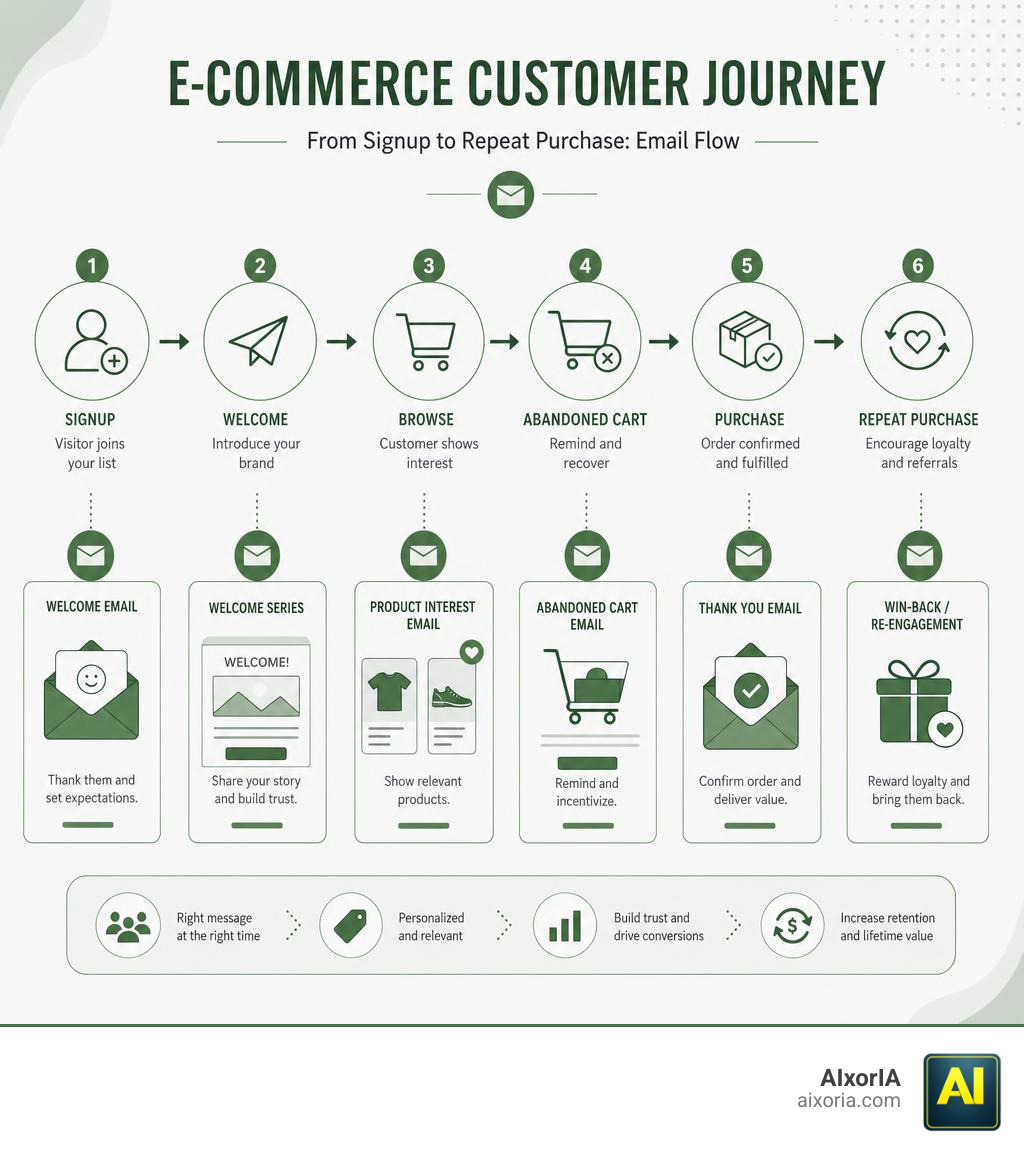
What Makes E-commerce Email Marketing Unique in 2026?
If you are running an online store, sending a generic monthly newsletter is no longer enough. E-commerce email marketing is highly dynamic. It relies on real-time customer data, deep product integrations, and automated triggers to send the right message at the exact moment someone is ready to buy.
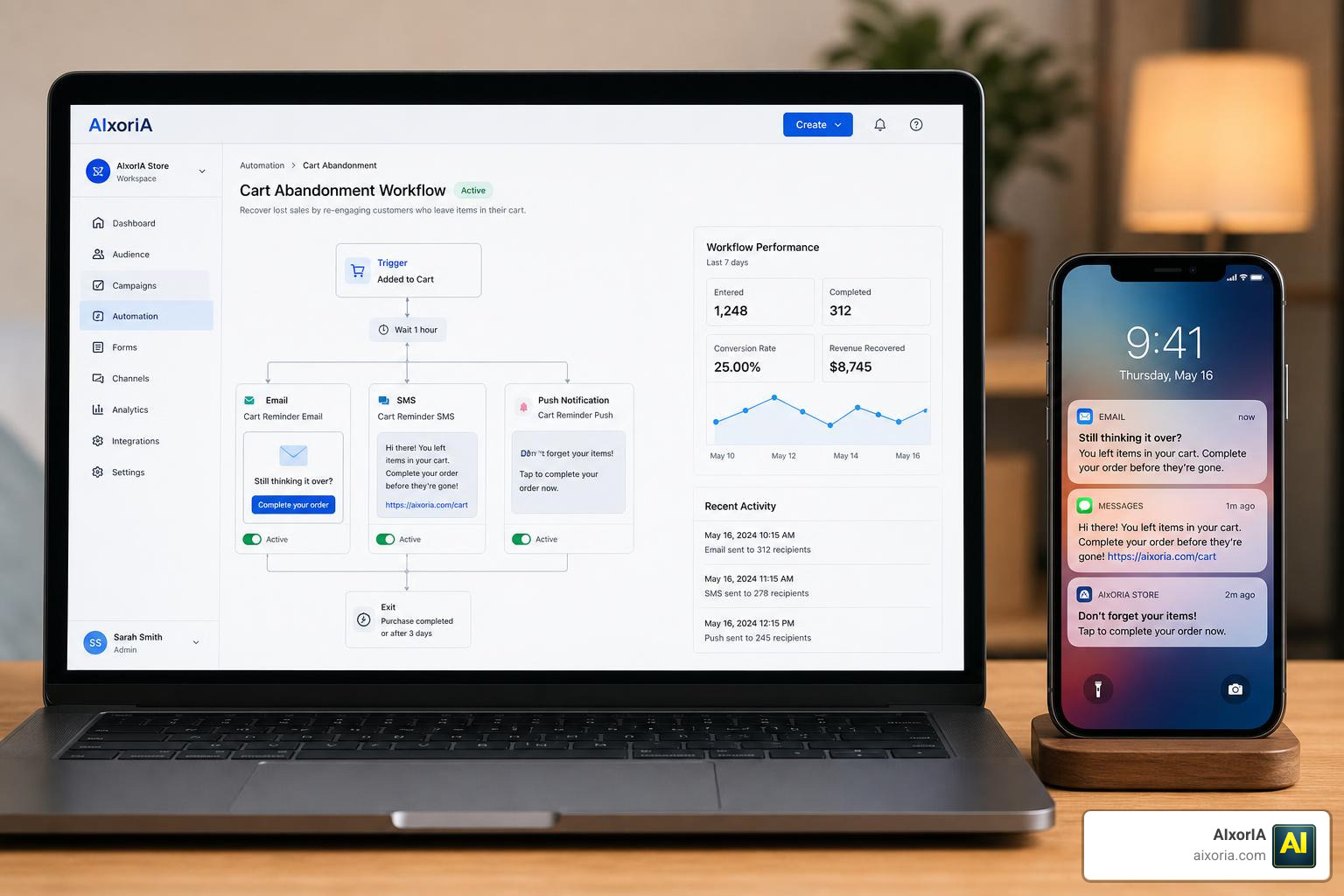
Unlike general email tools that only look at whether a subscriber opened or clicked an email, the best email marketing tools for e-commerce integrate directly with your store’s backend. This allows you to track:
- Real-time purchase history: Knowing exactly what a customer bought, when they bought it, and how much they spent.
- Browsing behavior: Tracking which product categories or specific items a user looked at before leaving your site.
- Product catalog data: Pulling live product images, prices, and stock levels directly into your email templates.
With this data synced, we can use advanced strategies like RFM segmentation (ranking customers by Recency, Frequency, and Monetary value) to find our most loyal shoppers and target them with VIP offers. We can also build comprehensive customer lifecycle maps to guide a shopper from their very first visit, to their first purchase, and ultimately turn them into a repeat buyer.
Best Email Marketing Tools for E-commerce
Choosing the right platform depends on your tech stack, budget, and marketing goals. Let’s look at how the top tools stack up in 2026.
For stores running on Shopify, WooCommerce, BigCommerce, or Magento, deep integration is non-negotiable. You want a tool that syncs data instantly without slowing down your site.
- Klaviyo remains the gold standard for high-growth DTC brands due to its robust data-tracking and segmentation.
- Omnisend is highly praised for its seamless multi-channel setup, especially for stores using the Omnisend BigCommerce Integration to unite email, SMS, and push notifications under one roof.
- Mailchimp remains a global giant with over 11 million users, offering a highly reliable infrastructure with average delivery rates above 99% for transactional and marketing emails alike.
- ActiveCampaign is the go-to choice if you need complex, multi-step marketing automations and built-in CRM features.
Key Features of the Best Email Marketing Tools for E-commerce
When evaluating these tools, look past the basic drag-and-drop editors. The real magic happens under the hood with these essential features:
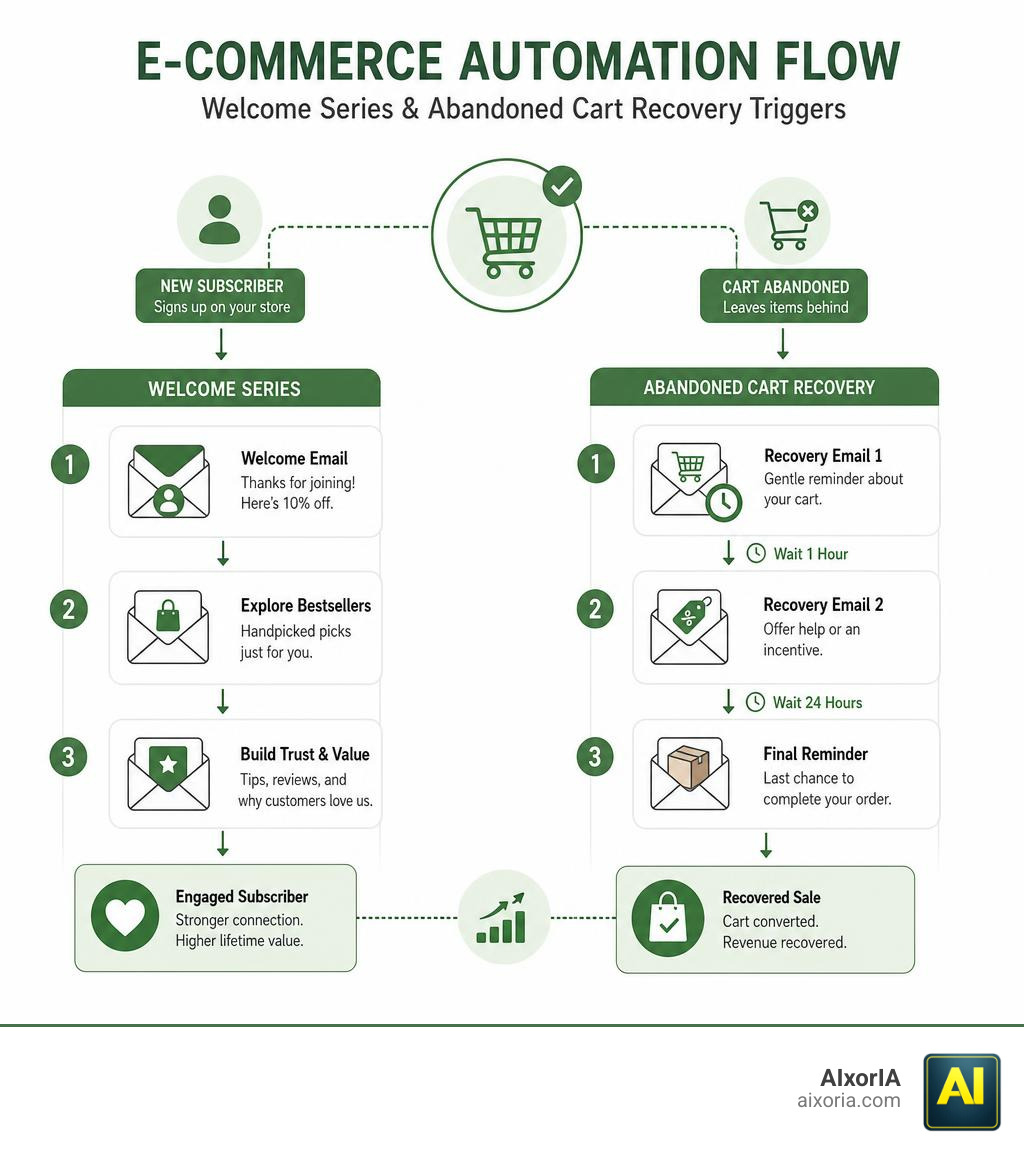
- Abandoned Cart Recovery: This is your primary revenue generator. Abandoned cart emails reap up to 3x more conversions than standard promotional campaigns. The best tools will let you send multi-step recovery flows with dynamic checkout links.
- Welcome Series & Post-Purchase Flows: A warm welcome sets the tone, while post-purchase flows (like review requests and care instructions) build long-term loyalty.
- Dynamic Product Recommendations: Instead of manually picking products, let AI do the heavy lifting. For example, a major household electronics brand achieved a 40.11% conversion rate uplift and thousands in incremental revenue simply by using AI-powered product recommendations on their digital touchpoints.
- Send-Time Optimization: This feature analyzes when individual subscribers are most likely to open their inbox and schedules your emails to land at that exact minute.
If you are looking for a highly streamlined, platform-native solution, tools like Shopify Messaging allow you to build and track campaigns directly within your store admin, keeping your workflows incredibly simple.
Selecting the Best Email Marketing Tools for E-commerce Based on Store Size
Your store’s size and daily order volume should dictate your choice.
- For Small or Brand-New Stores: Budget is key. You want a tool with a generous free plan or low starting prices. MailerLite (free for up to 12,000 monthly emails) and Shopify Email are fantastic starting points. They keep things simple so you can focus on making your first sales without getting bogged down in technical setups.
- For Growing Mid-Sized Stores: As your list grows, you will need deeper segmentation. Many stores transition away from basic tools like Mailchimp at this stage because pricing scales up quickly, and they want more advanced behavioral triggers.
- For Enterprise Brands: High-volume stores require dedicated infrastructure, top-tier deliverability support, and advanced data pipelines. If you are operating at this level, working with a specialized agency like a Klaviyo Email Marketing Agency can help you optimize your retention strategy, clean up broken data flows, and maximize customer lifetime value.
The Power of Omnichannel and AI Personalization
The modern customer journey isn’t linear. A shopper might see an ad on social media, browse your store on their phone, receive an email newsletter, and get a shipping update via SMS.

This is why omnichannel marketing is so incredibly powerful:
- 58% Higher Click Rates: E-commerce stores that send both email and SMS campaigns see a 58% higher click rate on average compared to those using email alone.
- 16x SMS ROI: SMS has evolved into a powerhouse channel, delivering up to a 16x return on investment for e-commerce brands that use it to send timely, personalized updates.
- Interactive AMP Emails: Interactive emails let customers browse product carousels, play gamified spin-to-win wheels, or even complete their checkout directly inside their email client. One major cosmetics brand added over 53,000 subscribers in just two days using an interactive gamified signup form!
AI is also changing the game. Standard segmentation is being replaced by predictive segments that analyze customer behavior to predict who is ready to buy, who is likely to churn, and what their lifetime value will be. Brands using predictive segments see 2x more revenue (a 266% increase) on average compared to non-segmented campaigns.
Furthermore, tools like the Avys AI Email Manager are helping stores with massive catalogs automate their entire email calendar, matching thousands of products to individual customer preferences on a true 1:1 level without manual rule-building.
Frequently Asked Questions about E-commerce Email Marketing
How do e-commerce email tools differ from general platforms?
General platforms (like basic newsletter tools) only track email interactions like opens and clicks. E-commerce-specific tools sync directly with your product catalog and purchase database. This allows you to trigger emails based on actual customer behavior—like buying a specific product, spending over a certain dollar amount, or browsing a category without purchasing.
What is the average ROI of e-commerce email marketing?
Email marketing consistently boasts some of the highest returns in the digital space, with many platforms reporting up to a 30x ROI. Because you are marketing to an “owned” audience of people who have already expressed interest in your brand, it is significantly cheaper and more effective than running paid social media or search ads.
Which platform offers the best free plan for new stores?
Shopify Email is free for up to 10,000 emails per month, making it an incredible deal for Shopify merchants. For multi-platform stores, MailerLite offers a highly generous free tier for up to 500 subscribers and 12,000 emails per month, complete with advanced features like landing pages and basic automation.
Conclusion
Choosing the right email marketing platform is one of the most important decisions you will make for your e-commerce store. The right tool acts as an automated sales machine, working in the background to recover lost carts, welcome new subscribers, and drive repeat purchases.
At AIxorIA, we specialize in helping businesses navigate this rapidly evolving digital landscape. Whether you need custom AI integrations to power your product recommendations, hands-on tool training workshops to get your team up to speed, or a comprehensive performance audit of your current marketing setup, we are here to help. We break down complex tech into simple, actionable steps with affordable services and fast customer support.
Ready to unlock the true revenue potential of your e-commerce store? AIxorIA can help you build the perfect automated marketing system for your business.