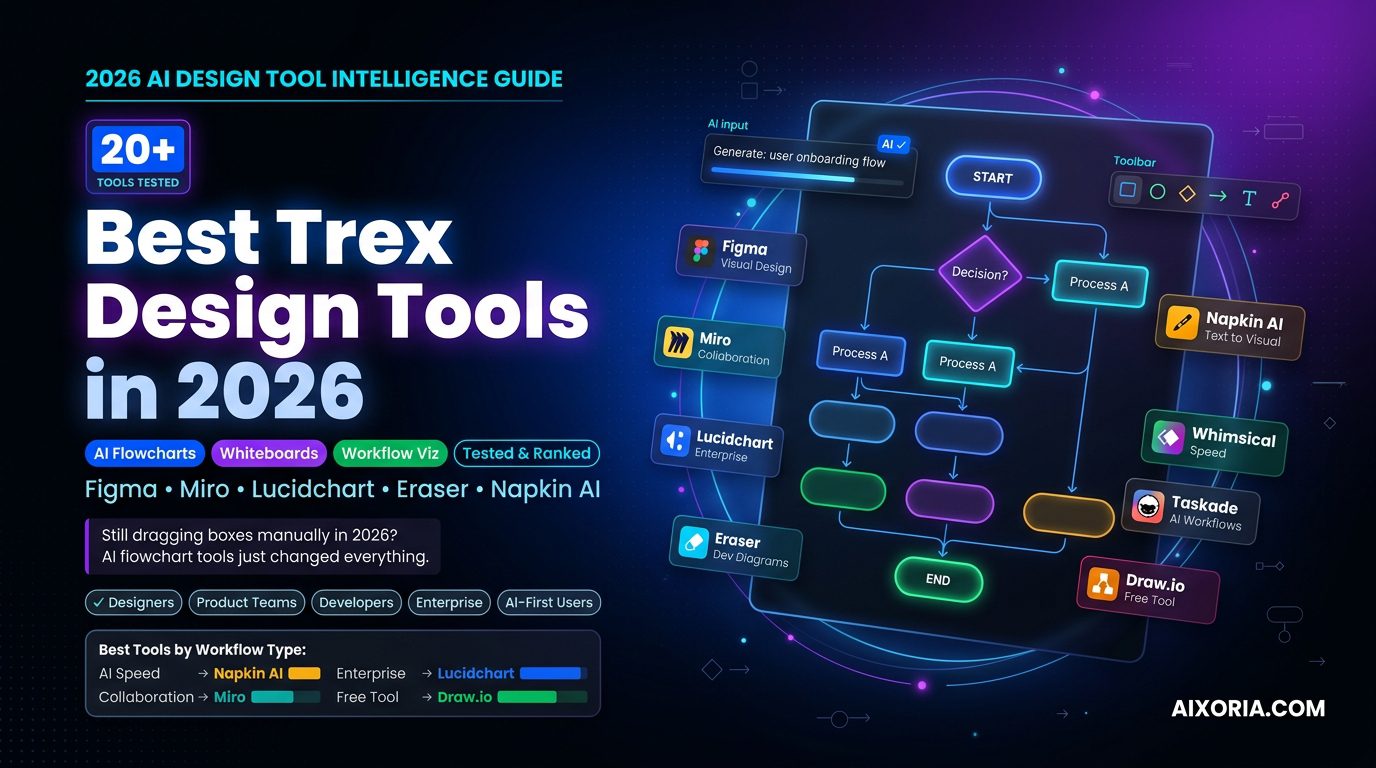
If you search for a trex design tool in 2026, you’re not just looking for a basic flowchart maker. You’re looking for something that can help you think clearly, organize complex ideas, and communicate workflows in a way that actually makes sense.
The problem is simple.
Most tools still focus on drawing diagrams.
But modern teams don’t need just diagrams—they need systems.
Designers, product teams, developers, and even marketers now work with:
- user flows
- product logic
- automation workflows
- decision trees
- AI-assisted processes
And all of this needs to be visual.
That’s where modern trex design tools come in.
Table of Contents
What “Trex Design Tool” Means in 2026
The term trex design tool is not a standard industry keyword. But in real-world usage, it connects to a powerful category:
- Flowchart software
- Workflow visualization tools
- AI diagram generators
- Collaborative whiteboards
- System mapping tools
In simple terms:
A trex design tool helps you turn ideas → structure → visual clarity → execution
The best tools today don’t just help you draw.
They help you think, plan, and build faster.
Why This Matters Now (2026 Shift)
There has been a major shift in how diagrams are created.
Earlier:
- You manually dragged shapes
- Connected arrows
- Spent time fixing layouts
Now:
- You write a prompt
- AI generates the full flow
- You refine instead of build from scratch
This is called:
AI-first diagramming
And it’s changing everything.
The tools in this list are not selected randomly.
They are chosen because they reflect this shift.
How This Guide Is Different
Most articles:
- List tools
- Repeat features
- Don’t help you decide
This guide is built differently.
It focuses on:
- Real use cases
- Clear tool positioning
- Practical selection advice
- Human-first explanation
You will not just see what a tool does
You will understand when and why to use it
How We Evaluated These Tools (2026 Methodology)
To make this article reliable and high-quality, every tool was evaluated using the same criteria:
1. AI Capability
Can the tool generate flowcharts from text, data, or prompts?
2. Ease of Use
How fast can a new user start creating meaningful diagrams?
3. Visual Quality
Do the diagrams look clean, modern, and presentation-ready?
4. Collaboration
Can teams work together in real-time without friction?
5. Scalability
Can the tool handle large workflows and complex systems?
6. Integration
Does it connect with tools like Slack, Figma, Jira, or Google Workspace?
7. Performance
Does the tool remain smooth even with large diagrams?
8. Pricing Value
Is the cost justified based on features and usability?
Quick Comparison Matrix (Top 21 Trex Design Tools)
| Tool | Best For | AI Support | Collaboration | Pricing | Difficulty |
|---|---|---|---|---|---|
| Figma | UI/UX Designers | Yes | High | Free + Paid | Medium |
| FigJam | Brainstorming | Yes | High | Included | Easy |
| Lucidchart | Enterprise Diagrams | Yes | High | Paid | Medium |
| Lucidspark | Ideation | Limited | High | Paid | Easy |
| Miro | Team Collaboration | Yes | High | Free + Paid | Easy |
| Whimsical | Fast Flowcharts | Yes | Medium | Free + Paid | Easy |
| Draw.io | Free Users | Limited | Medium | Free | Medium |
| Eraser | Developers | Yes | Medium | Free + Paid | Medium |
| Jotform AI | Quick Flowcharts | Yes | Medium | Freemium | Easy |
| Jotform Workflow | Automation | Yes | Medium | Freemium | Medium |
| Napkin AI | Text to Visual | Yes | Medium | Free + Paid | Easy |
| Boardmix | AI Whiteboard | Yes | High | Free + Paid | Easy |
| Cloudairy | Cloud Systems | Yes | Medium | Freemium | Medium |
| Creately | Data Diagrams | Yes | High | Paid | Medium |
| SmartDraw | Business Diagrams | Limited | Medium | Paid | Medium |
| Microsoft Visio | Enterprise | Limited | High | Paid | Hard |
| EdrawMax | Multi-purpose | Limited | Medium | Paid | Medium |
| Gliffy | Jira Users | Limited | Medium | Paid | Easy |
| Beautiful.ai | Presentations | Yes | Low | Paid | Easy |
| Taskade | AI Workflows | Yes | High | Free + Paid | Medium |
| Venngage | Visual Content | Limited | Medium | Free + Paid | Easy |
Best Trex Design Tools
Figma (FigJam)
The Verdict
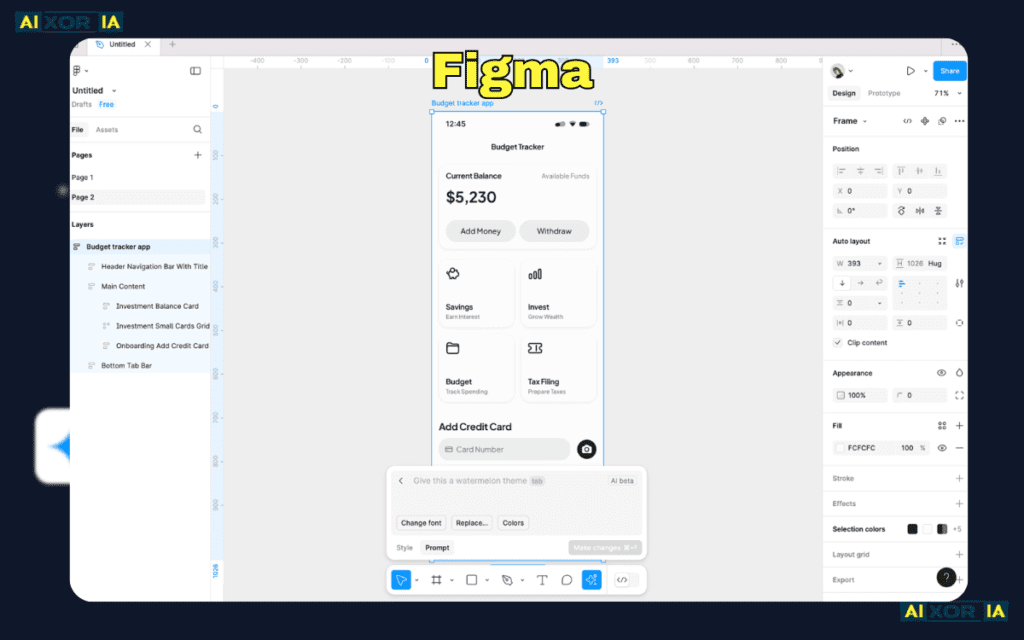
Figma (FigJam) is one of the most balanced and powerful trex design tools available in 2026. It combines visual thinking, flowchart creation, and AI-assisted structuring in a way that feels natural for modern teams. If your goal is to quickly turn ideas into clean, professional workflows, this tool delivers consistently.
What the Tool Does
Figma is widely used for UI/UX design, but FigJam expands its capability into a full workflow visualization and diagramming environment.
You can:
- create flowcharts
- map user journeys
- design system flows
- run brainstorming sessions
- build process diagrams
All of this happens inside a single canvas, without switching tools. This makes it highly efficient for teams that want to move from planning to execution without friction.
Key Features
- Infinite canvas for large and complex workflows
- Pre-built templates for flowcharts and diagrams
- Drag-and-drop shapes, connectors, and sticky notes
- Real-time collaboration with team members
- Comments, reactions, and live cursor tracking
- Easy sharing via link with permission control
- Clean and minimal interface focused on usability
One important advantage is that everything feels visually structured but flexible, which is ideal for designers.
AI Capabilities (2026)
Figma has significantly improved its AI features, especially inside FigJam.
You can:
- Generate full flowcharts from simple text prompts
- Convert rough ideas into structured diagrams
- Automatically organize messy brainstorming boards
- Create meeting templates and workflows instantly
- Summarize content and cluster related ideas
For example, if you type a prompt like:
“Create a SaaS onboarding flow,”
the tool can generate a structured flowchart within seconds.
This reduces the time spent on manual layout and helps teams focus more on logic and decision-making rather than drawing.
Figma Pricing
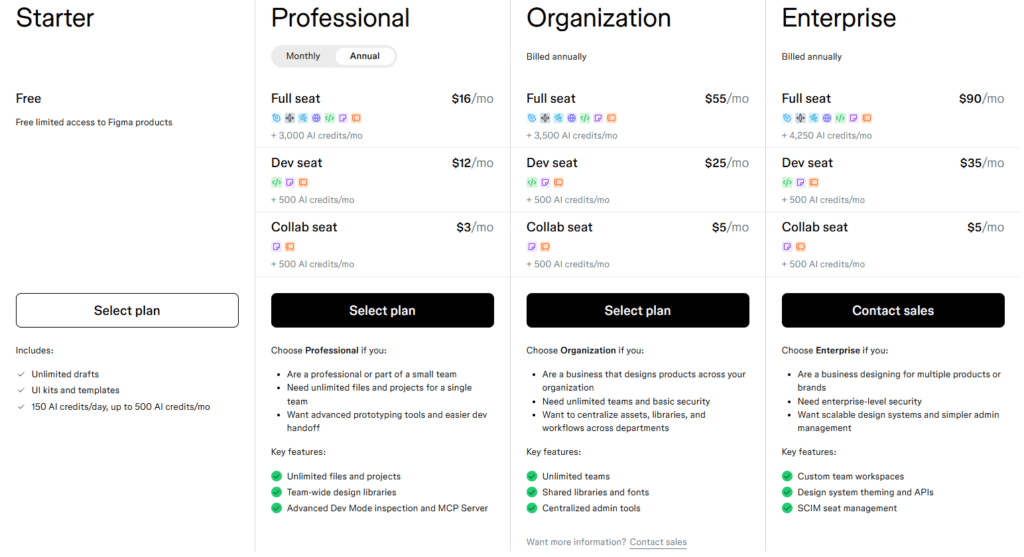
- Free plan available for individuals and small teams
- Paid plans unlock advanced collaboration and AI features
- Enterprise plans available for larger organizations
For most beginners and designers, the free version is enough to start.
Pros
- Extremely user-friendly and intuitive
- Strong real-time collaboration features
- Powerful AI assistance for faster workflows
- Clean and modern design interface
- Works directly in the browser (no installation needed)
- Seamless integration with design workflows
Cons
- Not ideal for complex enterprise-level process automation
- Advanced features require paid plans
- Large boards can become cluttered without structure
- Non-designers may take time to fully adapt
Real Experience
In practical use, FigJam performs best during the early and middle stages of work.
You start by adding rough ideas, notes, and connections. Then AI helps structure everything into a clean and readable flow. This reduces manual effort significantly. Tasks that used to take 30–45 minutes can often be completed in just a few minutes.
It feels more like thinking visually rather than building diagrams from scratch.
Best For
Quick and collaborative flowchart creation
UI/UX designers
Product and startup teams
Brainstorming and ideation sessions
User journey mapping
READ MORE – Best AI Tools to Create System Architecture Diagrams
Lucidchart
The Verdict

Lucidchart is one of the most reliable and structured trex design tools in 2026, especially for teams that need professional, data-driven flowcharts. It is built for clarity, scalability, and business-level workflows rather than quick brainstorming.
What the Tool Does
Lucidchart is a cloud-based diagramming platform designed to create:
- flowcharts
- system diagrams
- process maps
- organizational charts
- technical workflows
It is widely used in companies where diagrams are not just visuals, but part of real decision-making and operations.
Key Features
- Drag-and-drop diagram builder
- Large library of templates and shapes
- Data linking with spreadsheets
- Real-time collaboration
- Integration with tools like Google Workspace, Slack, and Jira
- Presentation mode for sharing workflows
One standout feature is its ability to connect diagrams with live data, which makes it more powerful than basic tools.
AI Capabilities
Lucidchart includes AI features that help speed up diagram creation.
You can:
- generate diagrams from text input
- auto-build flow structures
- suggest layouts and improvements
- organize complex workflows automatically
While its AI is not as fast as some newer tools, it is more focused on accuracy and structure, which is important for business use.
Lucidchart Pricing
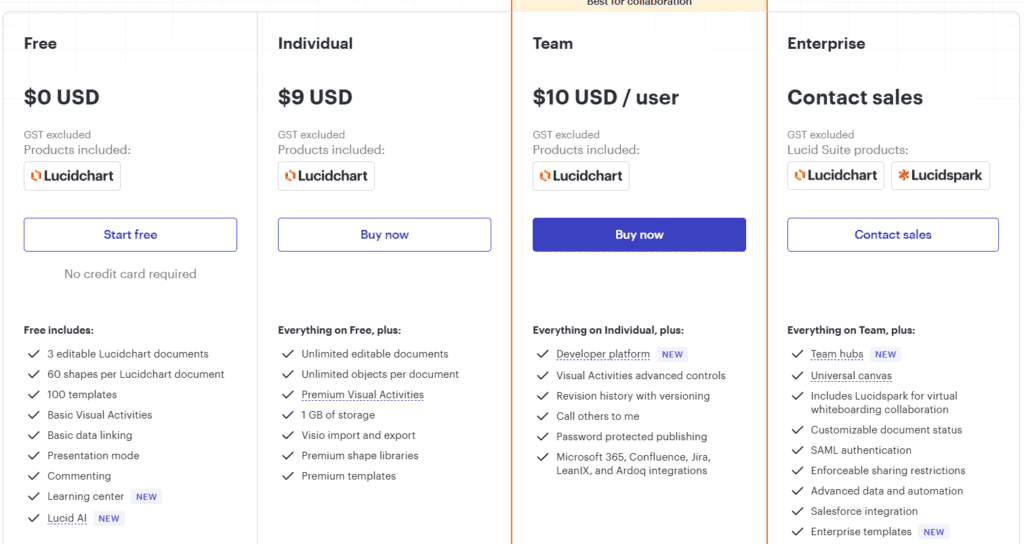
- Free plan with limited features
- Paid plans for individuals and teams
- Enterprise pricing available
Most advanced features, including integrations and scaling, are available in paid plans.
Pros
- Strong for professional and enterprise use
- Clean and structured diagrams
- Good collaboration features
- Supports complex workflows
- Integrates with many business tools
Cons
- Slight learning curve for beginners
- AI features are not the fastest
- Can feel rigid compared to creative tools
- Paid plans required for full functionality
Real Experience
In real use, Lucidchart works best when you already know your process.
You input structured steps, and the tool helps you organize them into a clean, professional diagram. It is not built for messy brainstorming—it is built for clarity and precision.
This makes it especially useful for teams that need diagrams for documentation, planning, or presentations.
Best For
- Business teams
- Process managers
- Enterprise workflows
- System documentation
- Structured flowchart creation
Miro
The Verdict
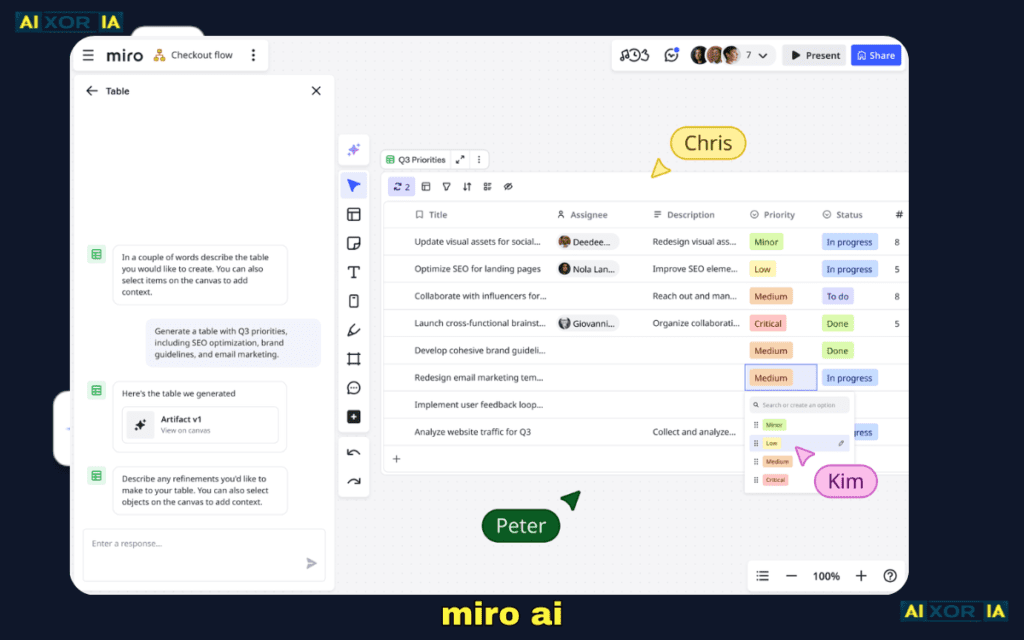
Miro is one of the most flexible and collaborative trex design tools in 2026. It is built for teams that need to think, plan, and visualize workflows together in real time. If your work involves brainstorming and large-scale collaboration, Miro stands out immediately.
What the Tool Does
Miro is an online whiteboard platform that allows teams to create:
- flowcharts
- user journeys
- mind maps
- process diagrams
- brainstorming boards
Unlike traditional diagram tools, Miro focuses on free-form thinking first, then structuring ideas into workflows.
Key Features
- Infinite canvas for unlimited workspace
- Drag-and-drop flowchart elements
- Hundreds of templates (flows, UX maps, diagrams)
- Real-time collaboration with multiple users
- Sticky notes, connectors, shapes, and voting tools
- Integration with Slack, Jira, Google Drive, and more
The interface is designed to feel open and flexible, which makes it ideal for team sessions.
AI Capabilities
Miro has added strong AI features to improve productivity.
You can:
- Generate diagrams from prompts
- Convert sticky notes into structured flowcharts
- Summarize brainstorming sessions
- Group and organize ideas automatically
- Create workflows from rough input
This helps teams move from chaotic ideas → structured diagrams very quickly.
Miro Pricing
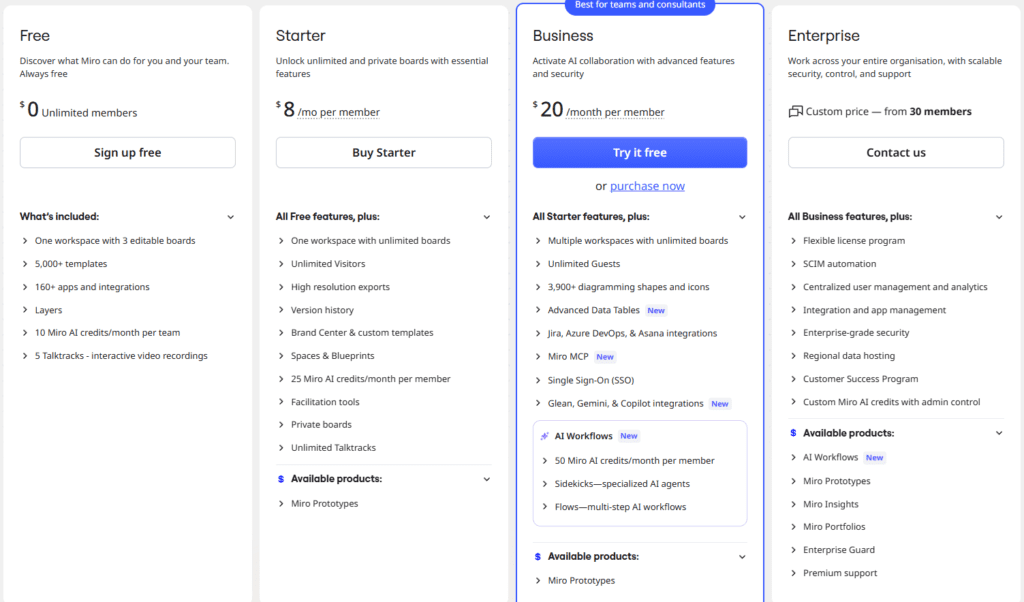
- Free plan available
- Paid plans for teams and advanced features
- Enterprise plans for large organizations
The free version is enough for small projects, but teams usually need paid plans.
Pros
- Excellent for collaboration
- Very flexible and easy to use
- Strong AI-assisted organization
- Huge template library
- Works well for remote teams
Cons
- Can feel unstructured for complex workflows
- Large boards may become cluttered
- Advanced features require paid plans
- Not ideal for strict enterprise documentation
Real Experience
In real-world use, Miro shines during team sessions.
You start with ideas, sticky notes, and rough thoughts. Then AI helps organize everything into meaningful flows. It feels natural and fast, especially when multiple people are working together.
It is less about perfect diagrams and more about clear thinking and collaboration.
Best For
- Remote teams
- Brainstorming sessions
- Product planning
- User journey mapping
- Collaborative workflow design
Whimsical
The Verdict
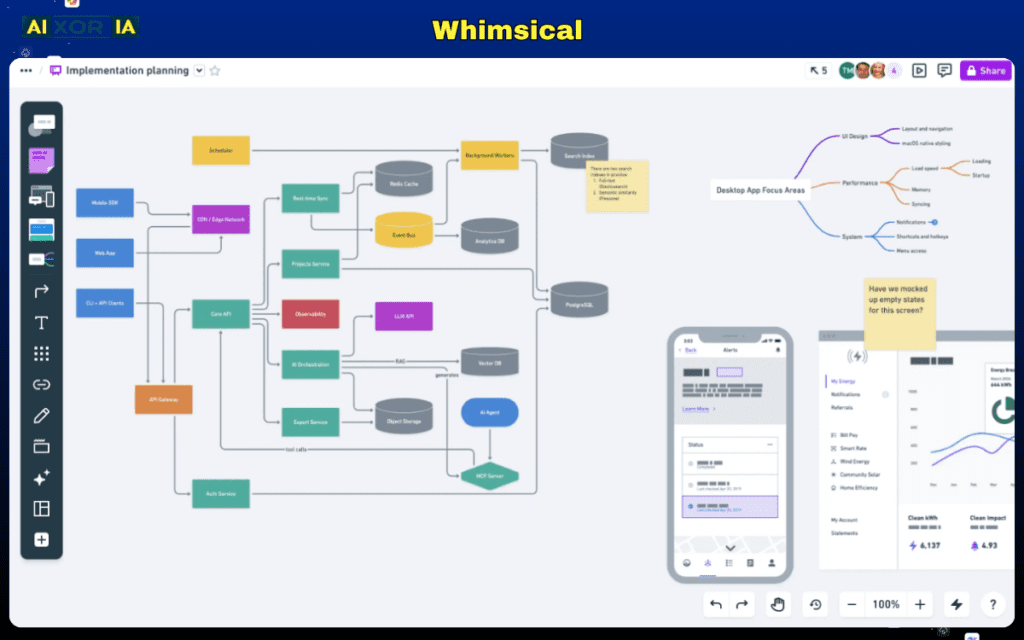
Whimsical is one of the fastest and cleanest trex design tools in 2026. It is built for users who want simple, professional-looking flowcharts without complexity. If speed and clarity matter more than heavy features, Whimsical is a strong choice.
What the Tool Does
Whimsical is a lightweight diagramming and collaboration tool designed to create:
- flowcharts
- wireframes
- mind maps
- user flows
- simple system diagrams
It focuses on structured simplicity, meaning everything you create automatically looks organized and visually balanced.
Key Features
- Extremely fast drag-and-drop interface
- Pre-styled flowchart components
- Built-in wireframing tools
- Real-time collaboration
- Clean and minimal design system
- Easy sharing and export options
One key advantage is that you don’t need to “design” your diagram—it already looks polished.
AI Capabilities
Whimsical includes AI features that help speed up creation.
You can:
- Generate flowcharts from text prompts
- Create structured diagrams instantly
- Get suggestions for layout and flow
- Convert ideas into visual maps quickly
Its AI is focused on speed and simplicity, not deep customization.
Whimsical Pricing
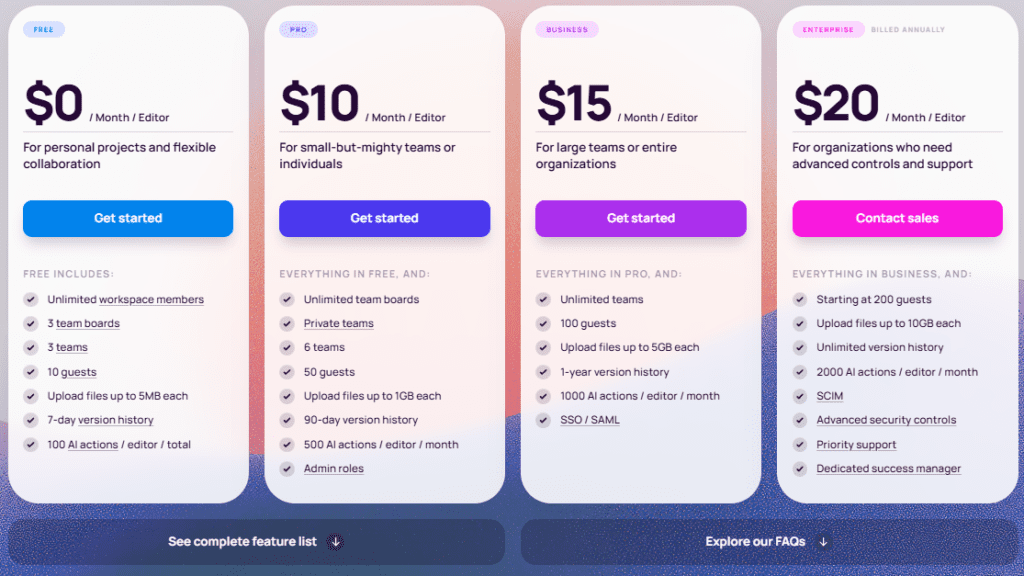
- Free plan available with limits
- Paid plans for unlimited boards and collaboration
- Team plans available
It is affordable compared to many enterprise tools.
Pros
- Very fast and easy to use
- Clean, professional output
- Great for quick flowcharts
- Minimal learning curve
- Good collaboration features
Cons
- Limited customization compared to advanced tools
- Not ideal for complex enterprise workflows
- Fewer integrations than larger platforms
- AI features are basic
Real Experience
In real use, Whimsical feels effortless.
You start building a flowchart, and everything automatically aligns and looks clean. There is no need to adjust spacing or styling. This saves a lot of time, especially for quick projects.
It is perfect when you want clarity without overthinking design.
Best For
- Designers who want speed
- Simple flowchart creation
- Quick presentations
- Startups and small teams
- Clean user flow diagrams
Draw.io (diagrams.net)
The Verdict
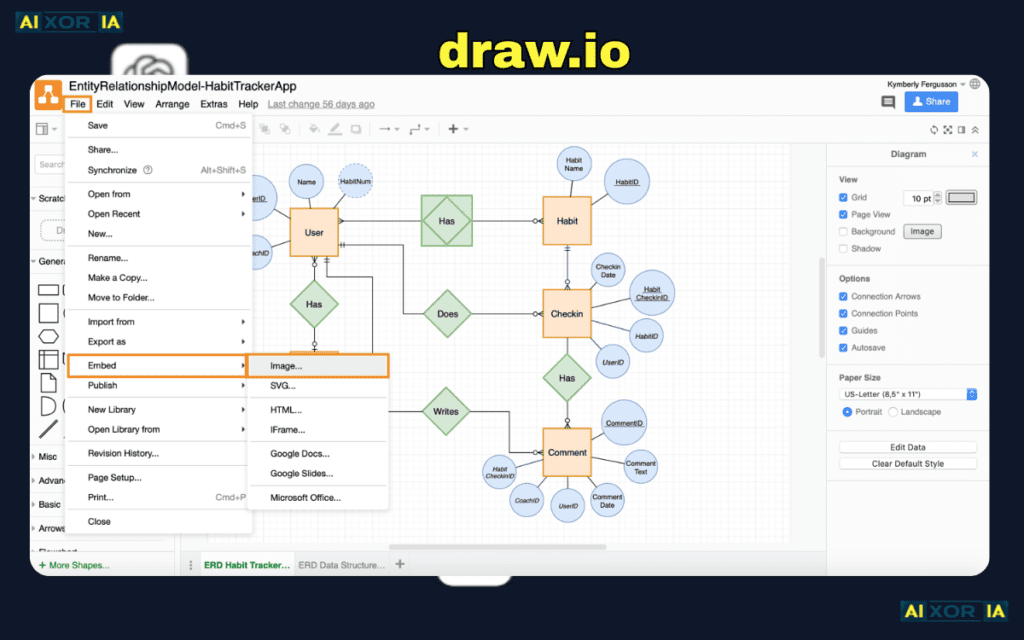
Draw.io is the most powerful free trex design tool available in 2026. It offers full control, flexibility, and offline capability without any cost. If budget is your priority, this tool is hard to beat.
What the Tool Does
Draw.io (also known as diagrams.net) is an open-source diagramming tool used to create:
- flowcharts
- system diagrams
- network diagrams
- process maps
- technical workflows
It works both online and offline, and you can store files locally or on cloud platforms.
Key Features
- Completely free with no hidden costs
- Works in browser and offline mode
- Drag-and-drop diagram builder
- Large library of shapes and templates
- Integration with Google Drive, OneDrive, and Dropbox
- Export to PNG, PDF, SVG, and more
It gives full control over diagrams, which is rare in free tools.
AI Capabilities
Draw.io has very limited native AI features.
You won’t find:
- text-to-diagram generation
- automatic structuring
- AI suggestions
However, you can combine it with external AI tools for idea generation, then build manually.
Draw.io Pricing
- 100% free
- No premium plans
- No subscriptions
Pros
- Completely free and open-source
- Works offline
- Highly flexible and customizable
- No vendor lock-in
- Good for technical diagrams
Cons
- No built-in AI features
- Interface feels slightly outdated
- Not beginner-friendly
- Limited collaboration compared to modern tools
Real Experience
In real use, Draw.io feels manual but powerful.
You get full control over every element, but you have to build everything yourself. It is best when you already know what you want and just need a reliable tool to create it.
Best For
- Budget users
- Developers and engineers
- Offline work
- Technical diagrams
- Users who want full control
Eraser
The Verdict
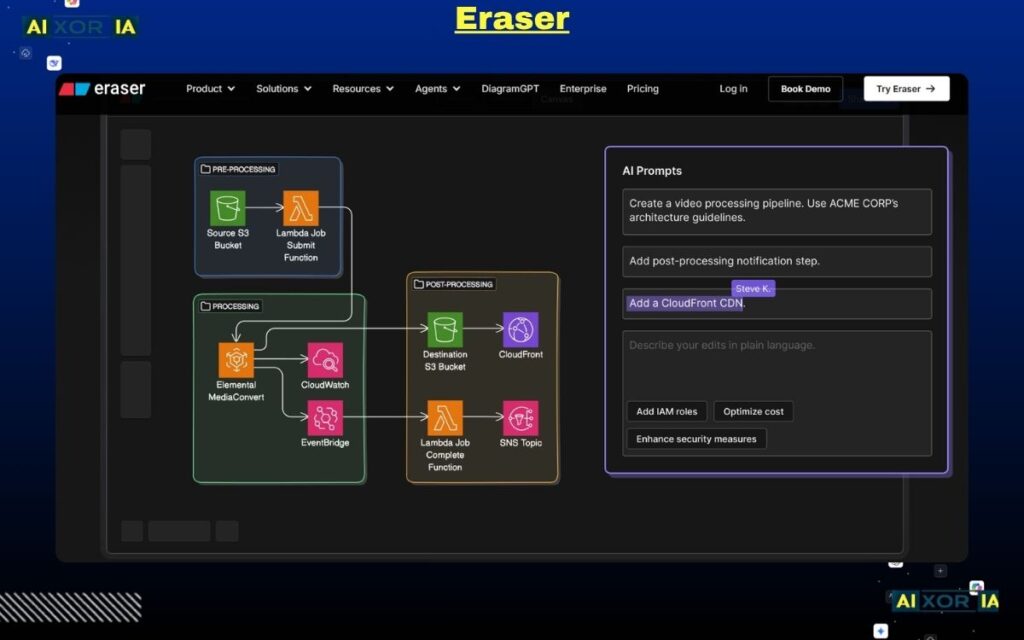
Eraser is one of the most unique trex design tools in 2026, built specifically for developers and technical teams. It combines AI and code-based diagramming, making it ideal for system design and engineering workflows.
What the Tool Does
Eraser allows you to create diagrams using both:
- visual editing
- “diagram-as-code” (markdown-style syntax)
It is designed for:
- system architecture diagrams
- database flows
- API workflows
- developer documentation
Key Features
- Diagram-as-code support
- AI-powered diagram generation
- Markdown-based editing
- Integration with developer tools
- Clean and minimal interface
- Version control-friendly workflows
This makes it very different from traditional drag-and-drop tools.
AI Capabilities
Eraser has strong AI features focused on technical use.
You can:
- Generate diagrams from text prompts
- Convert code or logic into visual flows
- Auto-create system architecture diagrams
- Simplify complex structures
Its AI is highly useful for developers who want speed without losing accuracy.
Eraser Pricing
- Free plan available
- Paid plans for teams and advanced features
Pros
- Perfect for developers
- Strong AI for technical diagrams
- Supports code-based workflows
- Clean and focused interface
- Fast diagram generation
Cons
- Not ideal for non-technical users
- Limited visual customization
- Smaller ecosystem compared to big tools
- Learning curve for beginners
Real Experience
In real workflows, Eraser feels very efficient for technical users.
Instead of dragging shapes, you describe your system, and the tool generates a diagram. This saves a lot of time when working with complex architectures.
It feels more like writing logic than drawing diagrams.
Best For
- Developers
- Engineers
- System architects
- Technical documentation
- API and database workflows
Jotform AI Flowchart Generator
The Verdict
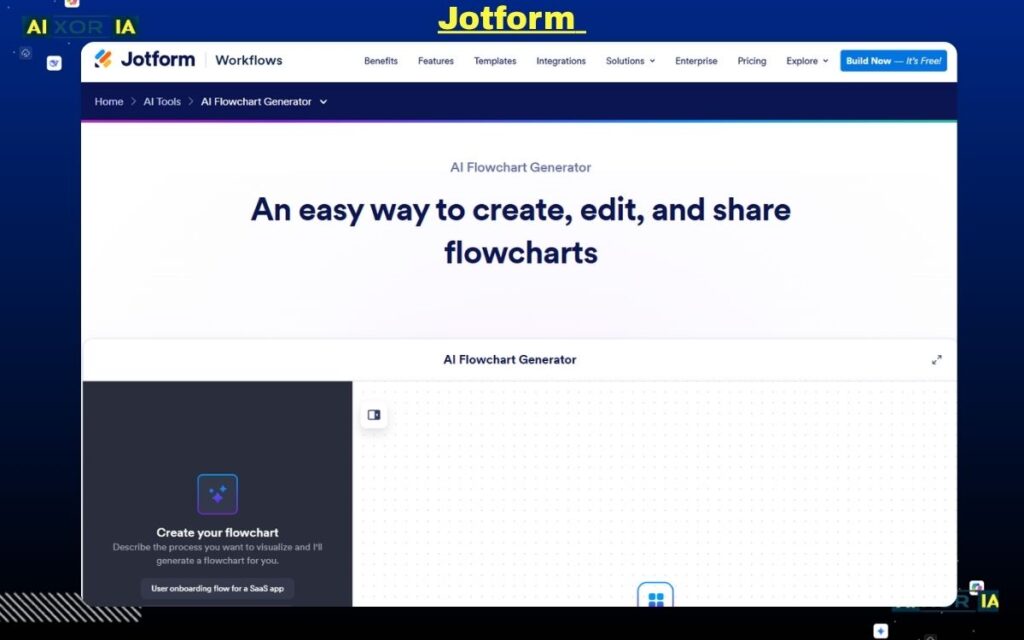
Jotform AI Flowchart Generator is one of the easiest AI-powered trex design tools in 2026. It is built for users who want to turn text into flowcharts instantly without any technical effort. If speed and simplicity are your priority, this tool stands out.
What the Tool Does
This tool allows you to create flowcharts by simply describing your process.
You can:
- enter a prompt
- paste a workflow
- describe a business process
And the tool will automatically generate a structured flowchart.
It is especially useful for:
- business workflows
- decision trees
- form-based processes
- simple automation flows
Key Features
- Text-to-flowchart generation
- Simple and clean interface
- Ready-to-use workflow structures
- Integration with Jotform ecosystem
- Easy editing and customization
- Quick export and sharing
The entire experience is focused on speed and ease of use.
AI Capabilities
This is where the tool performs best.
You can:
- Generate full diagrams from plain English prompts
- Convert written steps into structured flows
- Automatically create decision-based logic diagrams
- Adjust outputs with minimal editing
For example, you can type:
“Create a customer support ticket workflow”
and get a ready-to-use flowchart instantly.
The AI is optimized for practical business use, not just visuals.
Jotform Pricing
- Free plan available
- Paid plans for advanced features and usage
- Part of Jotform’s broader platform
Pros
- Extremely easy to use
- Fast AI generation
- No technical skills required
- Great for beginners and teams
- Clean and readable outputs
Cons
- Limited deep customization
- Not ideal for complex technical diagrams
- Depends on AI accuracy
- Less flexible than manual tools
Real Experience
In real use, this tool is very efficient for quick workflows.
You describe your process, and within seconds, you get a structured diagram. It saves a lot of time, especially when you need something fast and usable without manual effort.
It feels like explaining instead of designing.
Best For
- Business users
- Beginners
- Operations teams
- Quick workflow creation
- Non-technical users
Jotform AI Workflow Generator
The Verdict
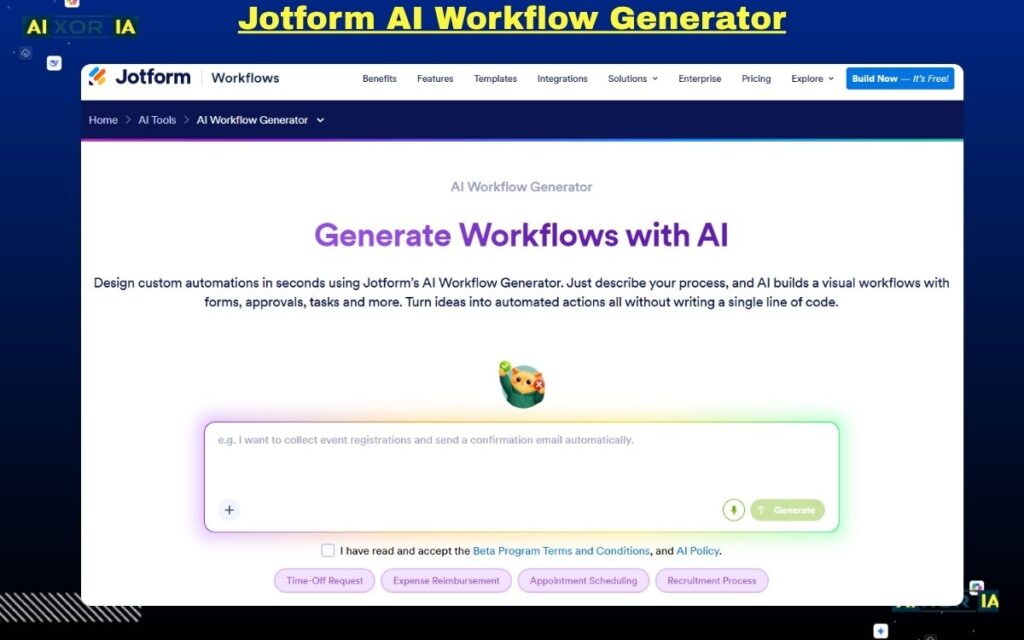
Jotform AI Workflow Generator is a powerful trex design tool for users who want to go beyond diagrams and actually build working workflows. It combines flowchart creation with real execution, making it ideal for operations and business processes.
What the Tool Does
Unlike basic flowchart tools, this platform helps you both design and implement workflows.
You can:
- create process diagrams
- build approval flows
- automate form-based workflows
- connect logic to real actions
This means your flowchart is not just visual—it can actually function as a working system.
Key Features
- AI-powered workflow generation
- Drag-and-drop workflow builder
- Integration with forms and data collection
- Conditional logic and automation
- Easy customization of steps and flows
- Export and sharing options
It bridges the gap between planning and execution.
AI Capabilities
Jotform’s AI plays a major role in this tool.
You can:
- Generate workflows from text prompts
- Automatically build approval processes
- Create logic-based flows with conditions
- Convert ideas into functional systems
For example, you can input:
“Create an employee onboarding workflow”
and it will generate both the structure and logic.
This makes it more than a diagram tool—it becomes an automation assistant.
Jotform AI Workflow Generator Pricing
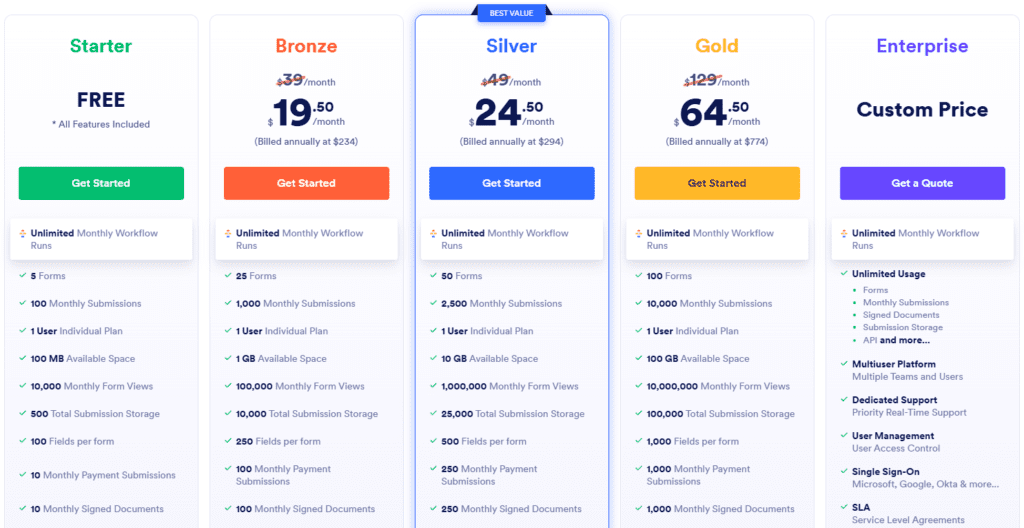
- Free plan available
- Paid plans for advanced automation and scaling
- Included within Jotform ecosystem
Pros
- Combines diagramming with real workflow execution
- Strong AI automation features
- Easy to use for non-technical users
- Great for business processes
- Saves time on manual setup
Cons
- Limited flexibility for creative diagrams
- Not suitable for technical system design
- Works best within Jotform ecosystem
- Advanced features require paid plans
Real Experience
In real use, this tool feels practical rather than visual.
You describe a process, and the AI builds a working workflow that you can actually use. It removes the need to switch between planning tools and execution tools.
It is more about getting things done than just visualizing ideas.
Best For
- Business and operations teams
- HR and onboarding workflows
- Approval and form-based processes
- Non-technical users
- Automation-focused workflows
READ MORE – 7 Best AI Tools for Business Analysts
Napkin AI
The Verdict
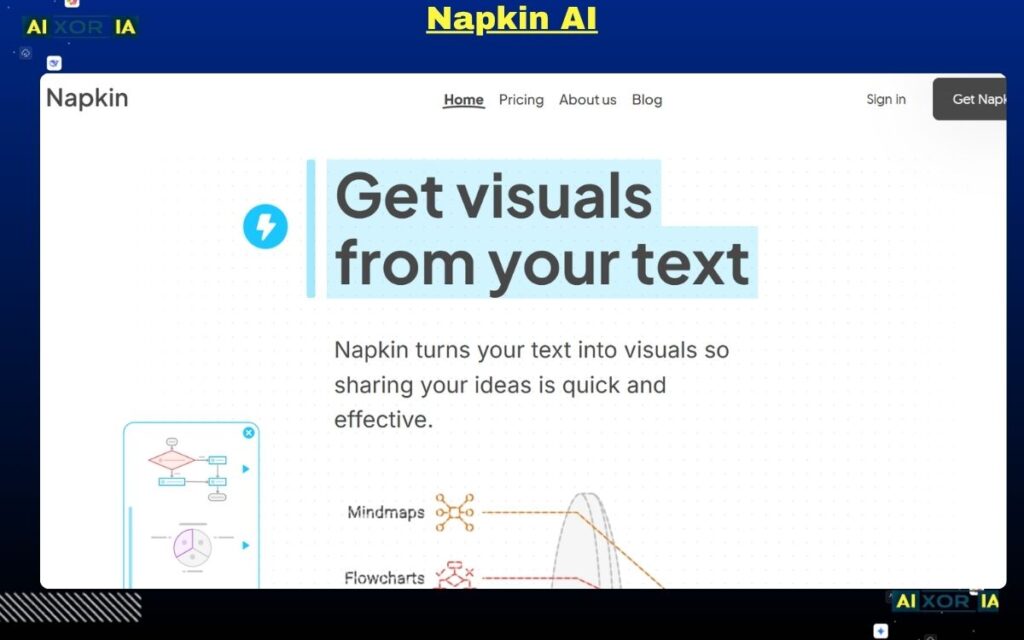
Napkin AI is one of the most unique AI-first trex design tools in 2026. It is built for people who want to turn raw text into clean, structured visuals instantly. If you prefer thinking in words instead of diagrams, this tool feels natural and fast.
What the Tool Does
Napkin AI converts written content into visual formats like:
- flowcharts
- diagrams
- structured idea maps
- visual summaries
Instead of dragging shapes, you simply write your thoughts, and the tool transforms them into a clear visual structure.
Key Features
- Text-to-visual diagram generation
- Clean and minimalist interface
- Automatic layout and structuring
- Fast editing and refinement
- Export options for sharing
- Focus on clarity over complexity
The tool removes the need for manual diagram building.
AI Capabilities
AI is the core of Napkin AI.
You can:
- Convert paragraphs into flowcharts
- Turn notes into structured diagrams
- Generate visual summaries instantly
- Refine outputs with simple edits
For example, you can paste a process description, and it will create a clear, readable flow diagram within seconds.
The AI is optimized for speed and simplicity, not deep customization.
Napkin AI Pricing
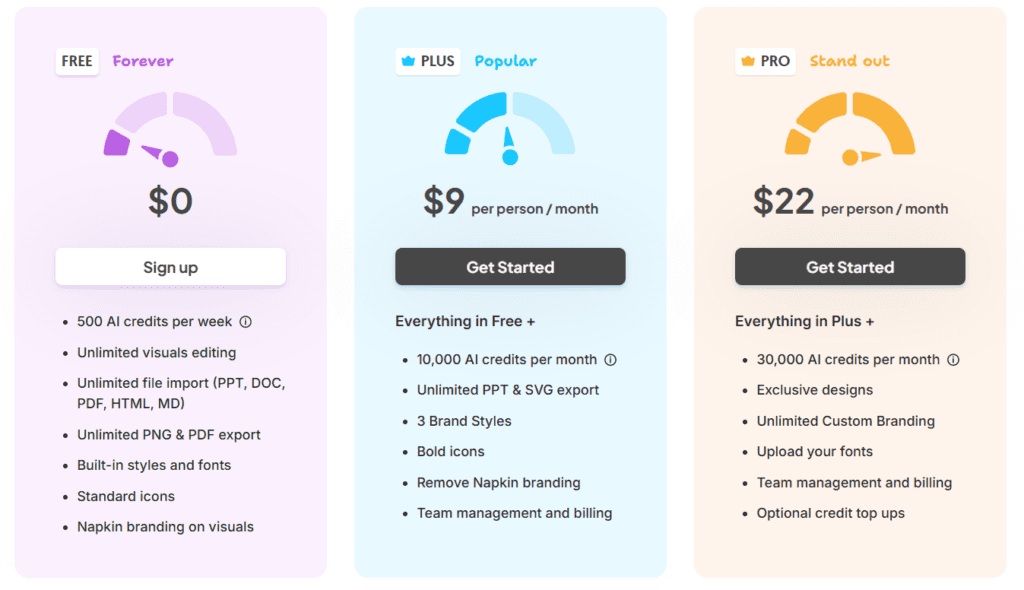
- Free plan available
- Paid plans for extended usage and features
Pros
- Extremely fast and easy to use
- No design skills required
- Clean and readable outputs
- Great for content creators and planners
- Saves time on manual work
Cons
- Limited customization options
- Not suitable for complex systems
- Less control over design details
- Depends heavily on input quality
Real Experience
In real use, Napkin AI feels very intuitive.
You write your ideas naturally, and the tool converts them into visuals. It removes the friction of designing and lets you focus on thinking. This makes it very useful for quick planning and content creation.
It feels more like writing and visualizing at the same time.
Best For
- Content creators
- Writers and strategists
- Quick idea visualization
- Simple workflow diagrams
- Non-designers
Boardmix
The Verdict

Boardmix is a fast-growing AI-powered trex design tool in 2026 that combines whiteboarding, flowcharting, and real-time collaboration. It is a strong alternative to tools like Miro, especially for teams that want built-in AI without high pricing.
What the Tool Does
Boardmix is an online collaborative whiteboard that helps teams create:
- flowcharts
- mind maps
- user journeys
- process diagrams
- brainstorming boards
It is designed for teams that need to plan visually and work together in real time.
Key Features
- Infinite canvas for flexible workflows
- Drag-and-drop diagram elements
- Pre-built templates for quick start
- Real-time multi-user collaboration
- Sticky notes, connectors, and shapes
- Easy sharing and export options
The tool focuses on making diagramming feel simple and team-friendly.
AI Capabilities
Boardmix includes strong AI features that improve productivity.
You can:
- Generate diagrams from text prompts
- Convert ideas into structured workflows
- Auto-organize brainstorming notes
- Create mind maps instantly
- Get suggestions for improving flow
Its AI is designed to help teams move from idea → structure → execution faster.
Boardmix Pricing
- Free plan available
- Paid plans for advanced features and team usage
- More affordable compared to some competitors
Pros
- Strong collaboration features
- Built-in AI for faster workflows
- Easy to use interface
- Good value for pricing
- Suitable for teams and remote work
Cons
- Not as mature as top competitors
- Limited advanced integrations
- Large boards can become cluttered
- Enterprise features are still growing
Real Experience
In real use, Boardmix feels very similar to modern whiteboard tools but with better AI support.
Teams can brainstorm freely, and then use AI to organize everything into structured diagrams. It reduces the time spent cleaning up messy boards and improves clarity.
It works best when used for collaborative thinking and planning.
Best For
- Remote teams
- Startups and small businesses
- Brainstorming sessions
- Workflow visualization
- AI-assisted collaboration
Cloudairy
The Verdict

Cloudairy is a powerful AI-driven trex design tool focused on technical workflows and cloud architecture diagrams. It is best suited for users who need to visualize complex systems quickly using AI.
What the Tool Does
Cloudairy helps you create:
- cloud architecture diagrams
- system workflows
- infrastructure maps
- technical flowcharts
It is designed for environments where workflows are connected to servers, APIs, and cloud platforms like AWS and Azure.
Key Features
- AI-based diagram generation
- Pre-built cloud architecture templates
- Support for complex system diagrams
- Drag-and-drop editor for customization
- Integration with technical workflows
- Export and sharing options
It focuses more on technical clarity than visual creativity.
AI Capabilities
Cloudairy’s AI is optimized for technical use cases.
You can:
- Generate cloud diagrams from prompts
- Convert system descriptions into workflows
- Automatically structure infrastructure layouts
- Simplify complex architecture into readable diagrams
For example, describing a cloud setup can instantly generate a structured system diagram.
Cloudairy Pricing
- Freemium model
- Paid plans for advanced features and scaling
Pros
- Strong for technical and cloud workflows
- Useful AI for system design
- Saves time on complex diagrams
- Good for engineers and architects
Cons
- Not beginner-friendly
- Limited use for non-technical users
- Smaller ecosystem
- Less focus on design aesthetics
Real Experience
In real use, Cloudairy feels efficient for technical teams.
Instead of manually building infrastructure diagrams, you describe your system, and the AI creates a structured version. This reduces time and effort significantly.
Best For
- Cloud engineers
- System architects
- Technical teams
- Infrastructure workflows
- API and backend diagrams
Creately
The Verdict
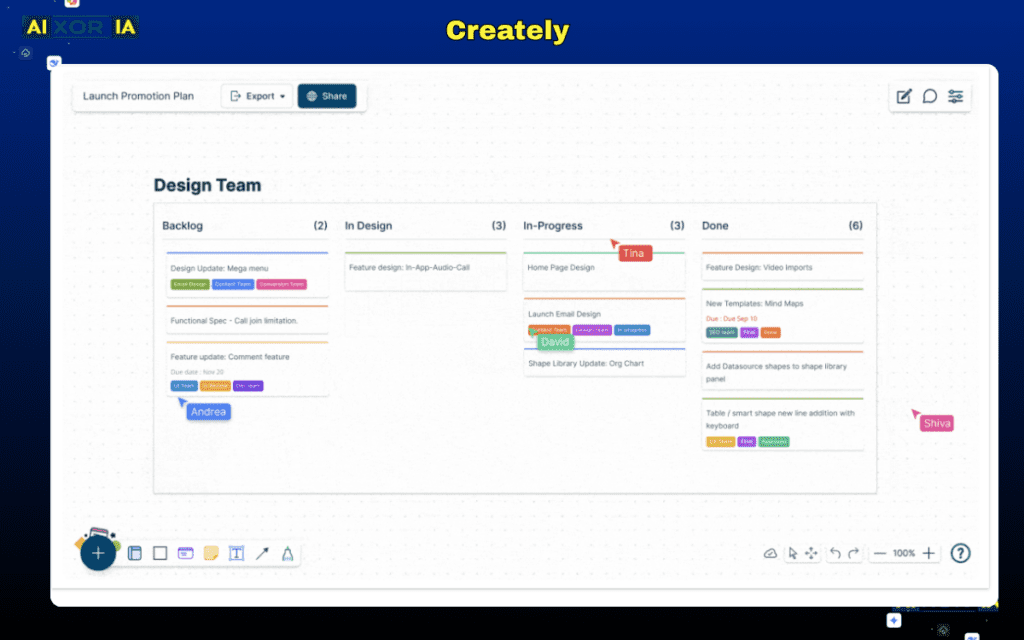
Creately is a versatile trex design tool that combines diagramming with data management, making it ideal for teams that want more than just visual flowcharts. It is especially useful for collaborative and structured workflows.
What the Tool Does
Creately allows you to create:
- flowcharts
- process diagrams
- organizational charts
- project workflows
- data-linked diagrams
What makes it different is that each element in a diagram can hold data, notes, and context.
Key Features
- Drag-and-drop diagram builder
- Data-linked shapes and elements
- Real-time collaboration
- Large template library
- Infinite canvas
- Integration with tools like Slack and Google Workspace
It blends visual diagrams with structured information.
AI Capabilities
Creately includes AI features that enhance workflow creation.
You can:
- Generate diagrams from text input
- Auto-organize workflows
- Get layout suggestions
- Build structured diagrams faster
Its AI focuses on improving organization and clarity rather than just speed.
Creately Pricing
- Paid plans available
- Limited free version
- Team and enterprise pricing options
Pros
- Combines diagrams with data
- Strong collaboration features
- Good for structured workflows
- Flexible and scalable
- Useful for teams
Cons
- Slight learning curve
- Not as fast as lightweight tools
- Some features locked behind paid plans
- Interface can feel dense
Real Experience
In real workflows, Creately feels more structured than creative.
It works best when you need to manage information along with diagrams. Instead of just visualizing, you are also organizing data inside the workflow.
Best For
- Business teams
- Project managers
- Data-driven workflows
- Process documentation
- Collaborative environments
SmartDraw
The Verdict
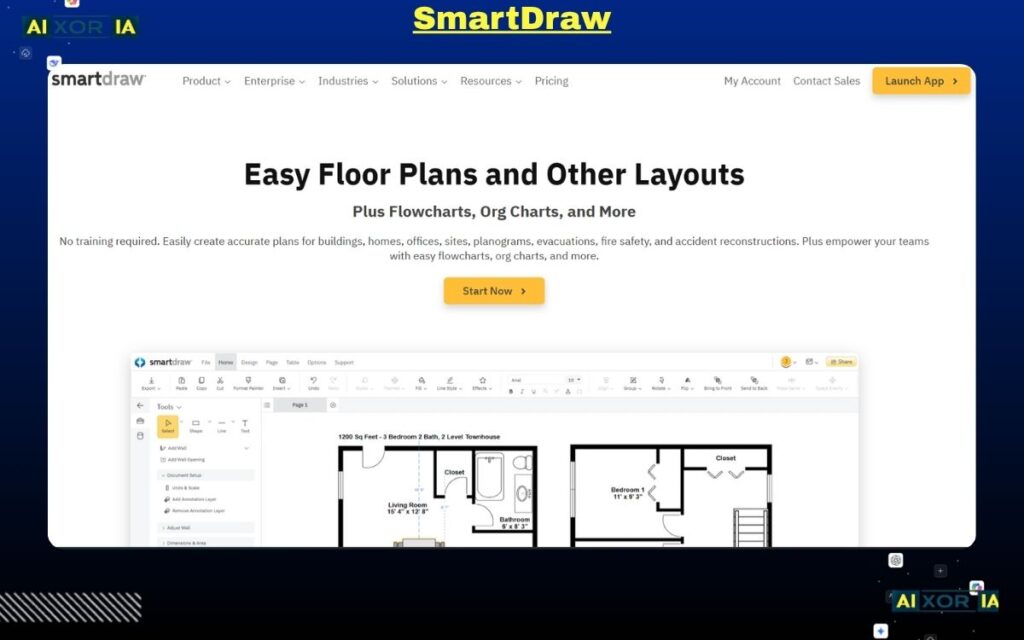
SmartDraw is a professional-grade trex design tool built for users who need structured, accurate, and business-ready diagrams. It stands out for its automation features and large template library, making it ideal for formal workflows.
What the Tool Does
SmartDraw is used to create:
- flowcharts
- organizational charts
- engineering diagrams
- floor plans
- business process maps
It is designed for users who need clean, standardized diagrams without spending too much time adjusting layouts.
Key Features
- Huge library of templates and symbols
- Automatic diagram formatting and alignment
- Drag-and-drop interface
- Integration with Microsoft Office and Google Workspace
- Easy export to PDF, PNG, and other formats
- Cloud and desktop versions available
One key strength is its automatic layout engine, which keeps diagrams organized.
AI Capabilities
SmartDraw does not focus heavily on AI compared to newer tools.
However, it offers:
- intelligent auto-formatting
- automatic alignment of shapes
- layout optimization
While not true AI generation, these features still reduce manual effort and improve speed.
SmartDraw Pricing
- Paid tool (no full free version)
- Subscription-based pricing
- Team and enterprise plans available
Pros
- Very structured and professional output
- Saves time with automatic formatting
- Large template library
- Good for business and technical diagrams
- Works with popular office tools
Cons
- Limited AI capabilities
- Not as flexible for creative workflows
- Interface feels slightly traditional
- No strong free plan
Real Experience
In real use, SmartDraw feels reliable and efficient.
You start with a template, and the tool handles alignment and spacing automatically. This removes the need to manually adjust layouts, which saves time on professional diagrams.
It is less about creativity and more about precision and structure.
Best For
- Business professionals
- Engineers
- Process documentation
- Formal workflow diagrams
- Users who need clean and structured outputs
Microsoft Visio
The Verdict
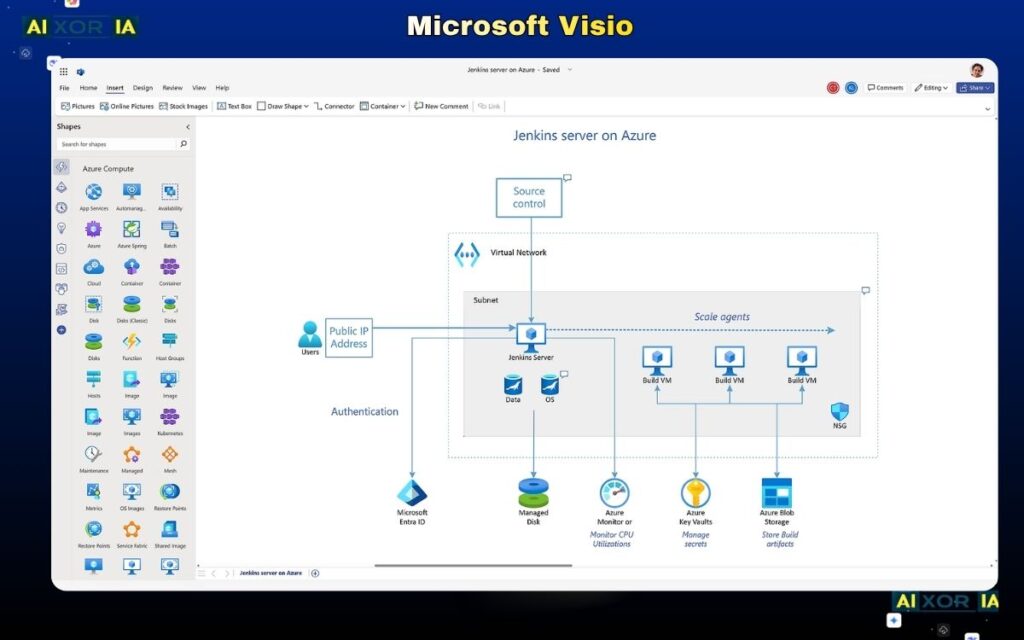
Microsoft Visio remains one of the most powerful and trusted trex design tools in 2026, especially for enterprise environments. It is built for complex, professional, and large-scale workflows, making it a standard choice in corporate ecosystems.
What the Tool Does
Microsoft Visio is a diagramming tool used to create:
- flowcharts
- business process diagrams
- network diagrams
- system architectures
- organizational charts
It is deeply integrated with the Microsoft ecosystem, which makes it highly useful for companies already using Microsoft tools.
Key Features
- Advanced diagramming tools and templates
- Integration with Microsoft 365 (Teams, SharePoint, Excel)
- Data-linked diagrams (connect shapes with live data)
- Professional templates for business and IT workflows
- Desktop and web versions available
- Strong export and sharing options
It is designed for precision, structure, and scalability.
AI Capabilities
Visio has improved with Microsoft’s AI integration.
You can:
- Generate diagrams using natural language (via Copilot)
- Auto-create flowcharts from data
- Get suggestions for diagram structure
- Simplify complex workflows
The AI is not as creative as newer tools, but it is very effective for structured business processes.
Microsoft Visio Pricing
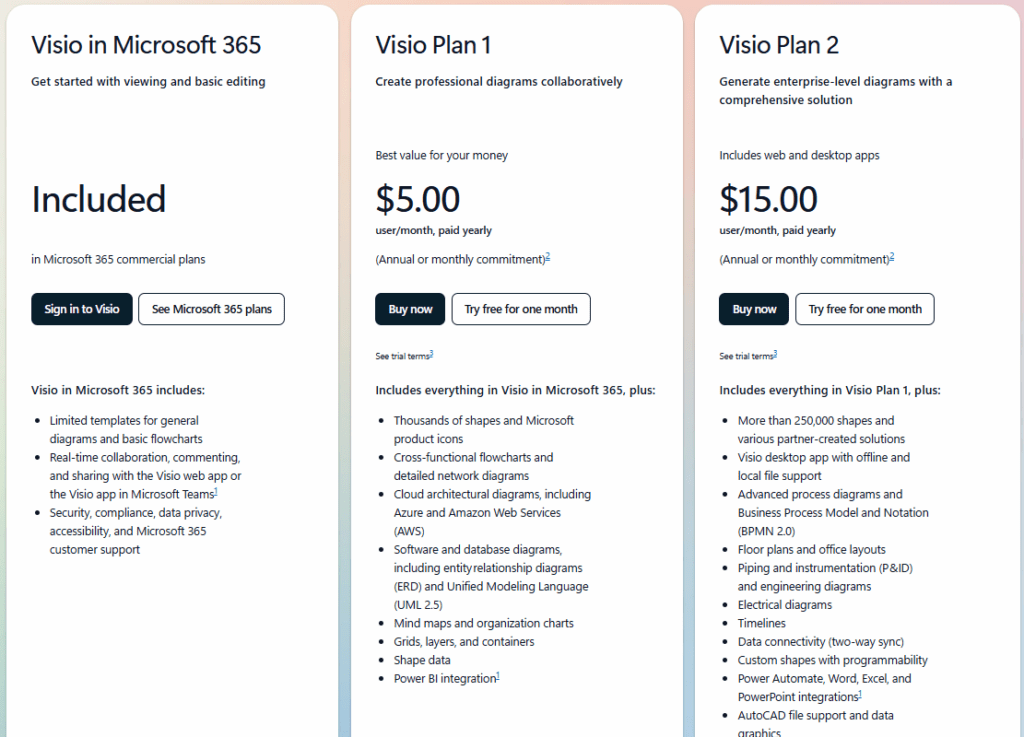
- Paid tool (no full free version)
- Available via Microsoft 365 subscription
- Enterprise pricing options
Pros
- Industry-standard for enterprise use
- Deep Microsoft integration
- Strong for complex workflows
- Reliable and scalable
- Professional output quality
Cons
- Expensive compared to alternatives
- Learning curve for beginners
- Interface can feel outdated
- Best experience inside Microsoft ecosystem
Real Experience
In real use, Visio feels powerful but structured.
It works best when you already have a clear process and need to convert it into a professional diagram. The integration with Excel and other Microsoft tools makes it very useful for data-driven workflows.
It is less about speed and more about accuracy and control.
Best For
- Enterprises and large organizations
- IT and system teams
- Business process documentation
- Data-driven workflows
- Microsoft ecosystem users
EdrawMax
The Verdict
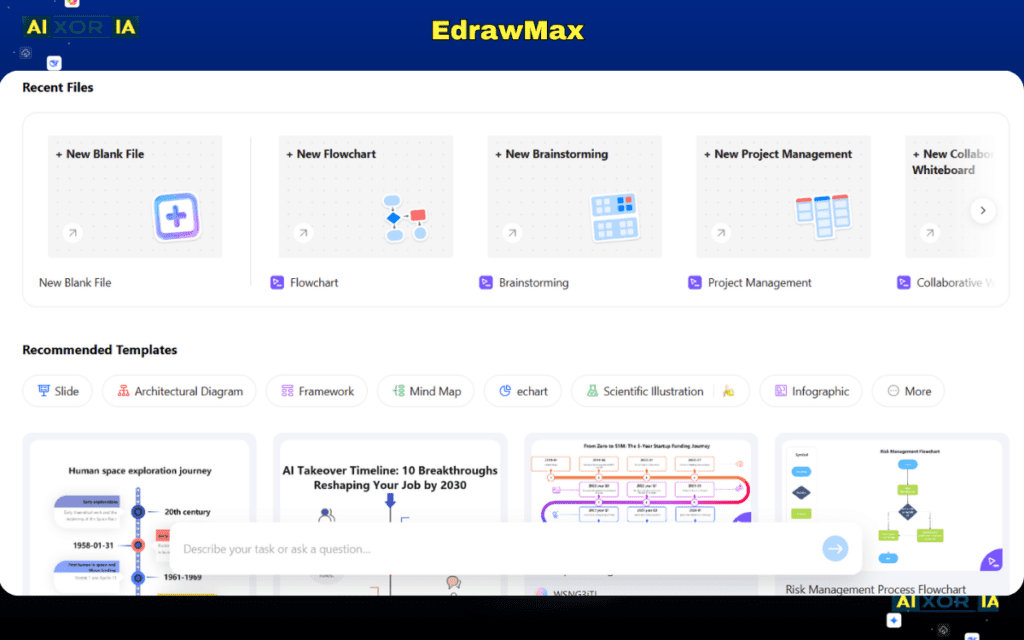
EdrawMax is one of the most versatile and feature-rich trex design tools in 2026. It stands out for its massive template library and multi-purpose diagramming capabilities, making it a strong choice for both beginners and professionals.
What the Tool Does
EdrawMax is an all-in-one diagramming tool that allows you to create:
- flowcharts
- mind maps
- engineering diagrams
- floor plans
- network diagrams
- business process workflows
It is designed to handle multiple types of visual content in one platform, which makes it very flexible.
Key Features
- 20,000+ templates and symbols
- Drag-and-drop diagram builder
- Cross-platform support (Windows, Mac, Web)
- Export to PDF, Word, PowerPoint, and more
- Collaboration and sharing features
- Supports multiple diagram types in one workspace
Its biggest strength is the variety of templates, which saves time.
AI Capabilities
EdrawMax includes AI features to improve workflow creation.
You can:
- Generate diagrams from text prompts
- Get layout suggestions
- Auto-create structured flows
- Speed up diagram building
The AI is useful but not as advanced as some newer AI-first tools. It focuses more on assisting rather than fully generating.
EdrawMax Pricing
- Free version with limitations
- Paid plans for full access
- One-time purchase and subscription options available
Pros
- Huge template library
- Supports many diagram types
- Easy to use for beginners
- Works across devices
- Good value for pricing
Cons
- AI features are not very advanced
- Interface can feel crowded
- Performance may slow with large diagrams
- Some templates feel repetitive
Real Experience
In real use, EdrawMax feels like a complete toolkit.
You rarely need to start from scratch because templates cover almost every use case. This makes it very fast for users who want ready-made structures instead of building everything manually.
Best For
- Beginners and professionals
- Multi-purpose diagramming
- Business and technical workflows
- Template-based design
- Users who need flexibility
READ MORE – Best Flowchart Software for Designers
Taskade
The Verdict
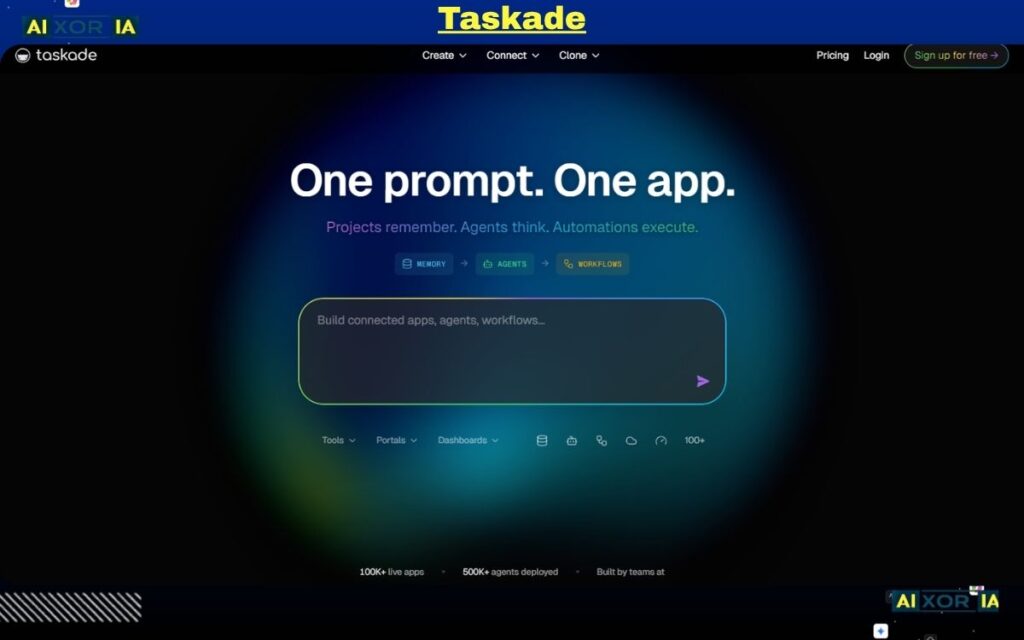
Taskade is a modern AI-powered trex design tool that combines workflow visualization with task management. It is ideal for teams that want their flowcharts to directly connect with execution and productivity.
What the Tool Does
Taskade allows you to create:
- flowcharts
- mind maps
- task lists
- project workflows
- team collaboration boards
It blends diagramming with real-time task tracking, which makes it more than just a visual tool.
Key Features
- Multiple views (mind map, list, board, flowchart)
- Real-time collaboration
- Built-in task management system
- Templates for workflows and projects
- Cross-platform support (web, mobile, desktop)
- Easy sharing and team access
The ability to switch between views is one of its biggest advantages.
AI Capabilities
Taskade has strong AI integration built directly into the workflow.
You can:
- Generate workflows from prompts
- Create task lists automatically
- Convert ideas into structured diagrams
- Use AI agents for planning and automation
- Expand or refine workflows instantly
This makes it useful for both planning and execution.
Taskade Pricing

- Free plan available
- Paid plans for advanced AI and team features
- Affordable compared to enterprise tools
Pros
- Combines diagrams with task management
- Strong AI workflow generation
- Easy collaboration
- Flexible views and layouts
- Good for productivity-focused teams
Cons
- Not ideal for complex technical diagrams
- Limited design customization
- Can feel overwhelming for new users
- Less powerful for enterprise workflows
Real Experience
In real use, Taskade feels very practical.
You create a flowchart, and at the same time, it becomes a task list that your team can execute. This removes the gap between planning and doing, which saves time and improves productivity.
Best For
- Startups and small teams
- Productivity-focused users
- Workflow + task management
- AI-assisted planning
- Collaborative projects
Final Assessment
Taskade is one of the best trex design tools for workflow execution and productivity.
It is not just about diagrams—it is about:
- planning
- organizing
- completing tasks
If you want a tool that connects ideas with action, Taskade is a strong choice in 2026.
Gliffy
The Verdict

Gliffy is a reliable trex design tool built specifically for teams working within the Atlassian ecosystem. It is best known for its seamless integration with Jira and Confluence, making it a practical choice for structured workflows.
What the Tool Does
Gliffy helps you create:
- flowcharts
- process diagrams
- system diagrams
- technical workflows
- team documentation visuals
It is designed to work directly inside tools like Jira and Confluence.
Key Features
- Drag-and-drop diagram builder
- Integration with Jira and Confluence
- Pre-built templates and shapes
- Easy embedding into documents
- Real-time collaboration
- Version control support
Its biggest strength is workflow integration inside Atlassian tools.
AI Capabilities
Gliffy has limited AI features compared to newer tools.
It mainly offers:
- basic automation
- layout assistance
- structured diagram building
It focuses more on stability and integration rather than AI innovation.
Pricing
- Paid tool
- Subscription-based pricing
- Free trial available
Pros
- Strong Atlassian integration
- Easy to use
- Good for team documentation
- Reliable and stable
- Works well for structured workflows
Cons
- Limited AI capabilities
- Not suitable outside Atlassian ecosystem
- Fewer advanced features compared to competitors
- Less flexibility for creative diagrams
Real Experience
In real workflows, Gliffy works best when used inside Jira or Confluence.
You can create diagrams and directly attach them to tasks or documentation, which improves clarity and team communication.
Best For
- Jira and Confluence users
- Development teams
- Process documentation
- Structured workflows
- Enterprise environments
Beautiful.ai
The Verdict

Beautiful.ai is a design-focused trex design tool that excels at creating presentation-ready flowcharts and visual workflows. It is not a traditional diagramming platform, but in 2026, it has become a powerful option for users who want clean, polished visuals with minimal effort.
What the Tool Does
Beautiful.ai is primarily a presentation tool, but it can also be used to create:
- flowcharts
- process diagrams
- visual workflows
- strategy maps
- pitch-ready visuals
It focuses on turning ideas into visually appealing, structured slides rather than complex technical diagrams.
Key Features
- Smart slide templates
- Automatic design adjustments
- Drag-and-drop elements
- Pre-built flowchart layouts
- Presentation-ready outputs
- Easy sharing and exporting
Its biggest strength is design automation, which ensures everything looks professional.
AI Capabilities
Beautiful.ai uses AI to handle design and layout automatically.
You can:
- Generate slides and diagrams from input
- Auto-format flowcharts and layouts
- Adjust spacing, alignment, and design instantly
- Create structured visuals without manual effort
The AI focuses on visual perfection and presentation quality, not deep workflow logic.
Beautiful.ai Pricing
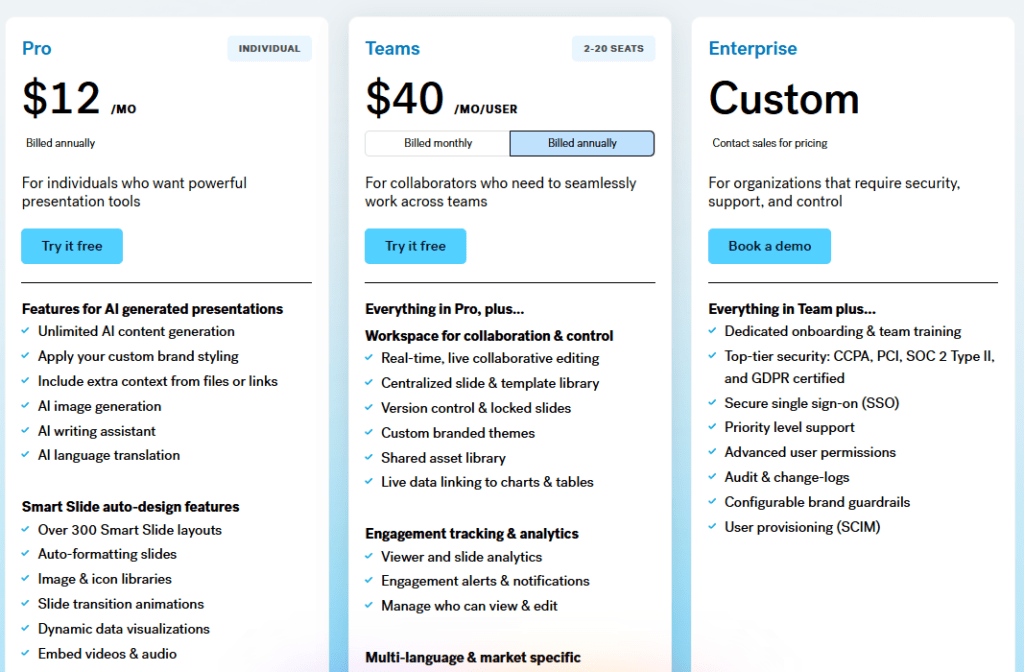
- Paid tool with subscription plans
- Free trial available
- Team plans for collaboration
Pros
- Extremely clean and professional designs
- No design skills required
- Fast creation of presentation-ready diagrams
- Automatic layout and formatting
- Great for business visuals
Cons
- Not suitable for complex workflows
- Limited customization for technical diagrams
- Requires paid subscription
- Less flexibility compared to diagram tools
Real Experience
In real use, Beautiful.ai feels effortless.
You add your content, and the tool automatically adjusts everything to look polished. This saves time and removes the need for manual design work.
It is perfect when you need high-quality visuals quickly.
Best For
- Business presentations
- Pitch decks
- Marketing visuals
- Strategy workflows
- Non-designers
Venngage
The Verdict
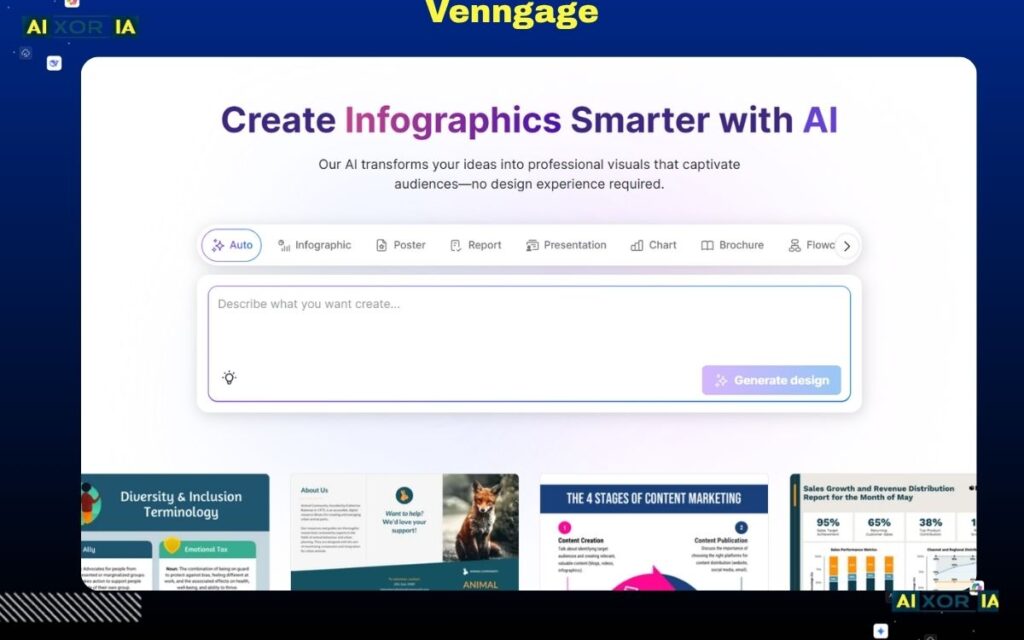
Venngage is a design-focused trex design tool built for creating visual storytelling flowcharts and infographic-style workflows. In 2026, it stands out for users who want diagrams that are not just functional, but also visually engaging and easy to understand.
What the Tool Does
Venngage helps you create:
- flowcharts
- infographics
- process diagrams
- visual reports
- marketing workflows
It is designed for users who want to present workflows in a clear and attractive way, especially for public or client-facing content.
Key Features
- Large library of infographic templates
- Drag-and-drop editor
- Custom icons, charts, and visuals
- Brand kit (colors, fonts, logos)
- Easy export (PNG, PDF)
- Presentation-ready layouts
Its main strength is combining design + communication.
AI Capabilities
Venngage includes AI tools to simplify content creation.
You can:
- Generate infographic layouts from prompts
- Create structured visuals automatically
- Get design suggestions
- Speed up content formatting
The AI is focused more on design and presentation rather than deep workflow logic.
Venngage Pricing
- Free plan with limitations
- Paid plans for premium templates and features
- Business plans available
Pros
- Excellent for visual storytelling
- Easy to use
- Strong design templates
- Good for marketing and presentations
- No design experience needed
Cons
- Not ideal for complex workflows
- Limited technical diagram features
- Advanced templates require payment
- Less flexibility for system-level diagrams
Real Experience
In real use, Venngage feels very design-oriented.
You can quickly create visually appealing flowcharts that are easy to understand, especially for presentations or content. It saves time on design and improves how information is communicated.
Best For
- Marketers
- Content creators
- Business presentations
- Infographic workflows
- Client-facing visuals
The core reality most people miss
After reviewing all 20+ tools in detail, one thing becomes very clear: there is no single “perfect” trex design tool that fits every designer, team, or company.
Most users make the mistake of choosing tools based on popularity, UI looks, or AI hype. But in real workflows, the best tool is always the one that matches your thinking style, workflow complexity, and team structure.
Some people need fast AI generation. Some need deep system mapping. Some need collaboration. And some just need clean diagrams for presentations.
That is why this space in 2026 has become less about “best tool” and more about best fit per use case.
What actually changed in 2026 (important shift)
The biggest transformation in trex design tools is not just better UI or more templates—it is the shift toward AI-assisted thinking systems.
Earlier tools required you to manually build everything:
- shapes
- connectors
- layouts
- structure
Now, modern tools can:
- convert text into flowcharts
- turn notes into structured workflows
- auto-organize messy ideas
- generate system diagrams instantly
This means the user is no longer a “diagram builder” — they are a process designer.
Your focus has moved from drawing to thinking.
The 4 categories that matter most
To make the decision easier, almost all tools fall into four practical categories:
1. AI-First Flowchart Tools (Speed + Automation)
These tools are built for instant generation and fast workflows.
Best examples:
- Napkin AI
- Jotform AI Flowchart Generator
- Boardmix
When to use them:
If you want to turn ideas into diagrams in seconds without manual effort.
Strength: Extremely fast output
Weakness: Limited deep customization
2. Collaboration & Design Thinking Tools
These are used when teams need to brainstorm and visually plan together.
Best examples:
- Figma (FigJam)
- Miro
- Whimsical
When to use them:
If your workflow depends on teamwork, brainstorming, and visual planning.
Strength: Excellent collaboration
Weakness: Can become messy at scale
3. Enterprise & Structured Workflow Tools
These tools are built for business processes, compliance, and system-level documentation.
Best examples:
- Lucidchart
- Microsoft Visio
- SmartDraw
- Creately
When to use them:
If you are working in corporate environments or need formal documentation.
Strength: Highly structured and reliable
Weakness: Less creative flexibility
4. Technical & Developer-Focused Tools
These are designed for system architects, engineers, and backend workflows.
Best examples:
- Eraser
- Cloudairy
- Draw.io
When to use them:
If you are designing systems, APIs, or technical architecture.
Strength: Precision and control
Weakness: Not beginner-friendly
The smartest way professionals actually use these tools
One of the biggest industry secrets in 2026 is that professionals rarely rely on a single tool.
Instead, they combine them strategically:
- Miro or FigJam → for brainstorming and early ideas
- Lucidchart or Visio → for structured business workflows
- Napkin AI or Jotform AI → for quick generation and speed
- Eraser or Draw.io → for technical diagrams
This hybrid approach gives three advantages:
- faster ideation
- clearer structure
- better execution
Common mistakes users still make
Even in 2026, users continue making the same mistakes:
- Choosing tools with the most features instead of the right workflow fit
- Using complex enterprise tools for simple diagrams
- Ignoring collaboration needs in team projects
- Relying only on AI tools without understanding structure
- Over-designing instead of focusing on clarity
A good flowchart is not about visuals—it is about clarity of thinking.
What makes a “good” trex design tool today
A modern trex design tool is no longer just a diagram editor. It must provide:
- speed of creation
- clarity of structure
- collaboration capability
- AI assistance
- scalability for teams
- integration with other tools
If a platform lacks even two of these, it quickly becomes outdated in real workflows.
Final recommendation (simple and practical)
If you are confused, here is the simplest approach:
- Start with Figma (FigJam) if you are a designer or beginner
- Use Miro if you work in teams
- Use Lucidchart or Visio if you are in business/enterprise
- Use Eraser or Cloudairy if you are technical
- Use Napkin AI or Boardmix if you want AI speed
- Use Draw.io if you want free and full control
Final closing insight
The most important shift in 2026 is this:
You are no longer just drawing flowcharts—you are designing how systems think and operate.
Modern trex design tools are simply amplifying that process.
The better you understand your workflow, the less important the tool becomes—and the more powerful your output will be.