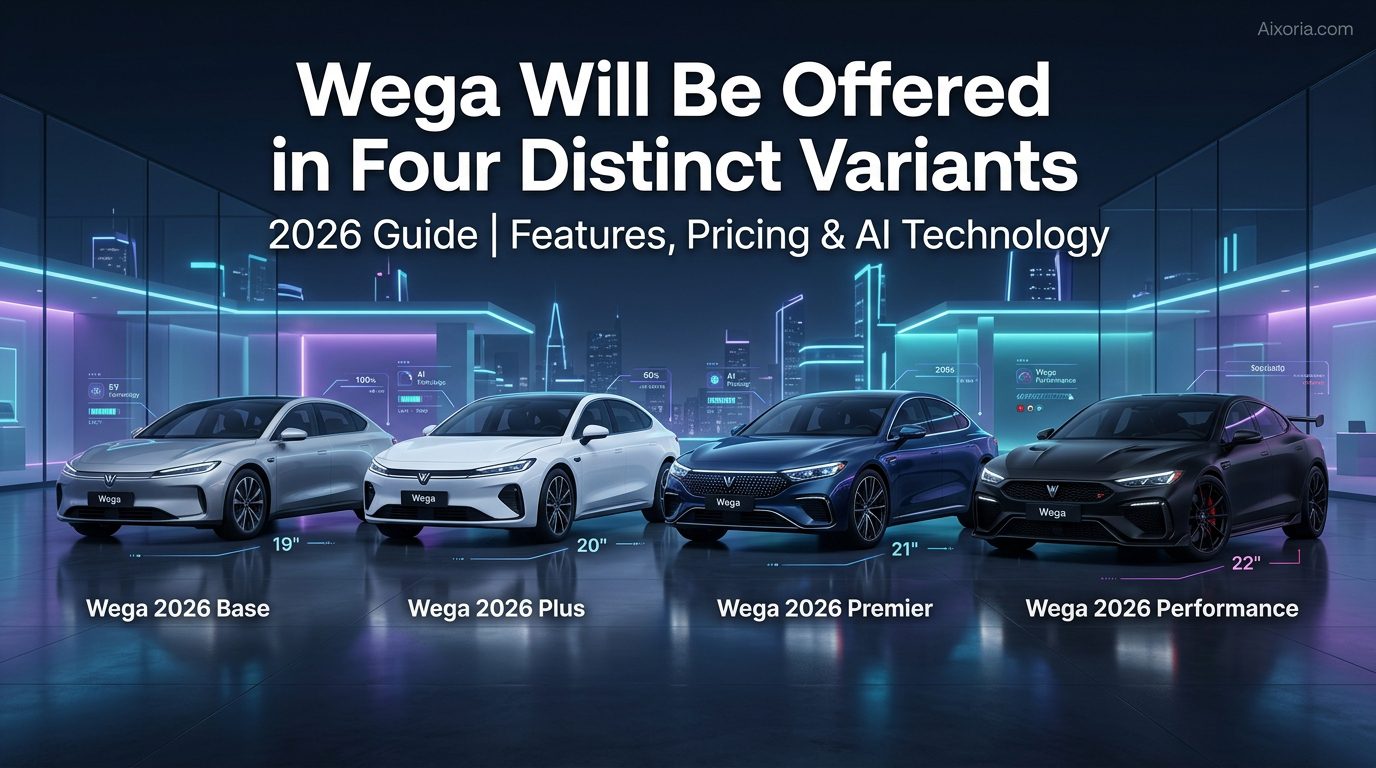
The Wega lineup is not just another product release—it represents a deliberate shift toward modular, user-centric design in the automotive space. Instead of forcing buyers into a single configuration, Wega is being positioned as a scalable platform, offered in four distinct variants that reflect how different people actually use their vehicles.
From budget-conscious commuters to performance-focused drivers, each variant is expected to deliver a tailored experience. But what makes this lineup particularly relevant in 2026 is not just the hardware differences—it’s the increasing role of software, automation, and AI-driven features that redefine how vehicles are used daily.
This guide breaks down each Wega variant in depth, including expected features, pricing logic, real-world usability, and the growing influence of AI systems inside modern vehicles.
Table of Contents
What “Four Distinct Variants” Means in Real Terms
In earlier vehicle generations, variants were often limited to cosmetic upgrades or minor feature additions. That model no longer works.
Today, variants represent fundamentally different user experiences.
For Wega, the four variants are expected to differ across:
- Performance tuning and driving dynamics
- Interior design, materials, and comfort levels
- Software systems and infotainment architecture
- Safety systems and assisted driving capabilities
- AI integration and automation layers
This means choosing a variant is less about “budget” and more about how you intend to use the vehicle daily.
READ MORE – Best AI Agent Builder Software
Wega Variants Overview
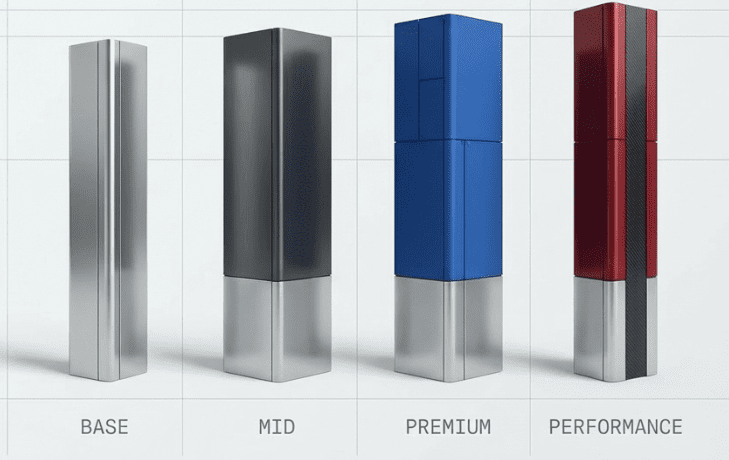
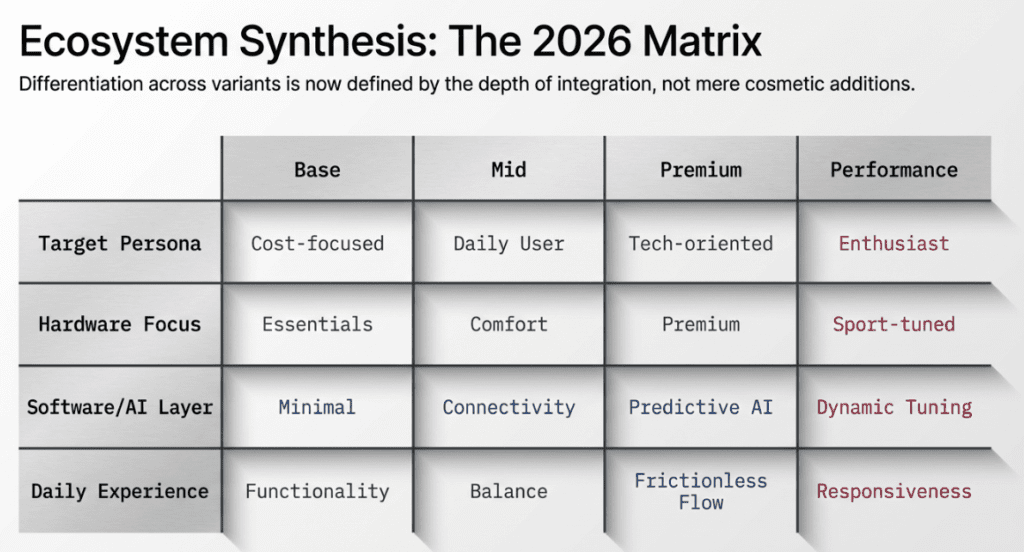
| Variant | Ideal User | Core Focus |
|---|---|---|
| Base | Cost-focused drivers | Reliability and essentials |
| Mid | Daily users | Balance of comfort and tech |
| Premium | Tech-oriented users | Smart features and AI systems |
| Performance | Enthusiasts | Power and driving experience |
Base Variant: Focused on Functionality, Not Frills
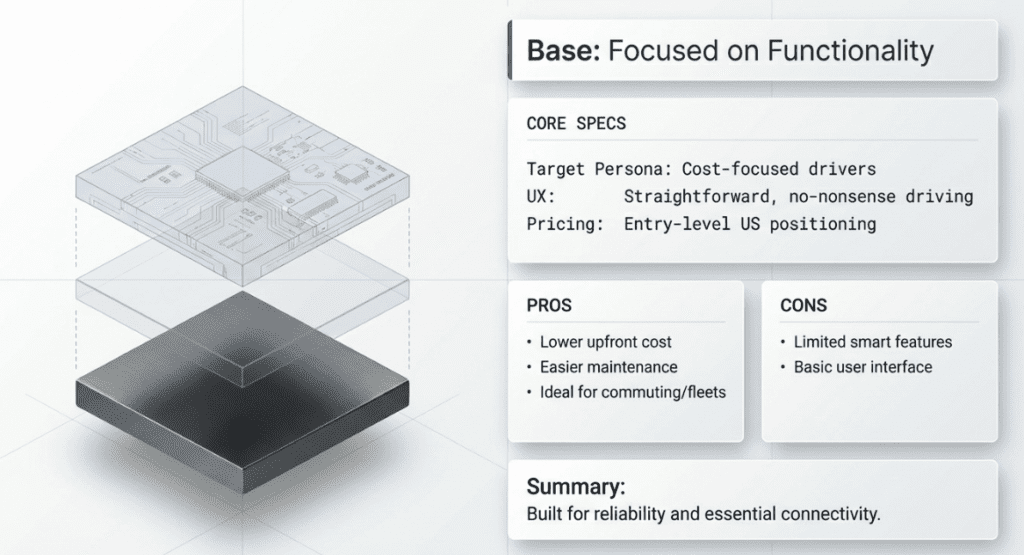
The base variant of Wega is expected to deliver a straightforward, no-nonsense driving experience.
This version will likely include core safety features, a minimal infotainment setup, and a practical interior layout designed for durability rather than aesthetics. It is built for users who prioritize reliability and cost efficiency over advanced features.
Unlike older entry-level models that felt stripped down, modern base variants are designed to still meet essential expectations—connectivity, basic driver assistance, and acceptable comfort levels.
Expected Pricing (US): Entry-level positioning within its category
Pros:
- Lower upfront cost
- Easier maintenance and ownership
- Ideal for commuting and fleet use
Cons:
- Limited smart features
- Basic user interface and interior quality
Mid Variant: The Practical Sweet Spot
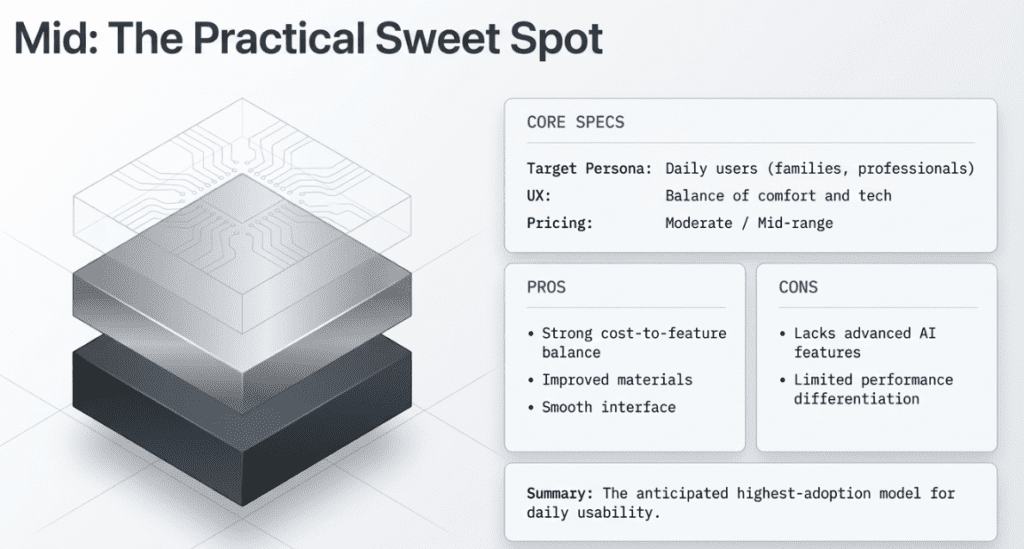
The mid variant is expected to be the most widely adopted option because it aligns closely with everyday usage needs.
It typically introduces better infotainment systems, improved materials, and additional driver assistance features. Connectivity options such as smartphone integration, enhanced displays, and smoother interface performance are expected here.
From a usability perspective, this variant offers a noticeable upgrade without pushing into premium pricing. It is particularly suitable for families and professionals who want a reliable vehicle with modern convenience.
Expected Pricing (US): Mid-range, value-driven
Pros:
- Strong balance between cost and features
- Improved comfort and usability
- Suitable for long-term ownership
Cons:
- May lack advanced AI features
- Limited performance differentiation
READ MORE – Best AI Productivity Tools for Developers
Premium Variant: Where AI Becomes a Core Feature
The premium variant is where Wega is expected to differentiate itself most clearly.
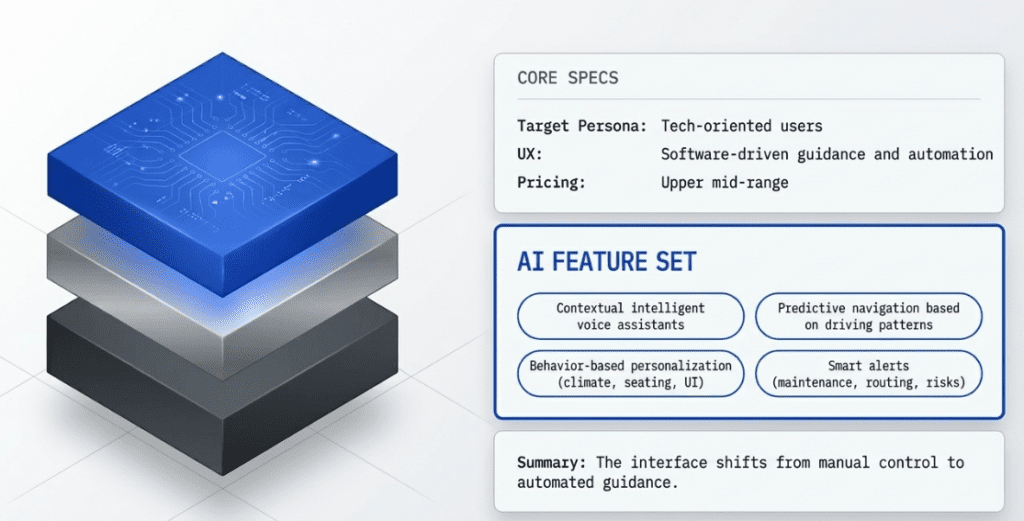
Beyond improved materials and design, the focus shifts toward software-driven experiences, particularly AI-assisted systems that enhance usability, safety, and personalization.
AI Systems in the Premium Variant (Detailed Analysis)
Modern vehicles are increasingly becoming software platforms, and the premium Wega variant is expected to reflect this shift.
AI systems in this variant may include:
- Intelligent voice assistants capable of contextual understanding
- Predictive navigation that adapts based on driving patterns
- Behavior-based personalization (seat settings, climate, UI preferences)
- Smart alerts for maintenance, driving risks, and route optimization
These systems are not just convenience features—they actively reduce cognitive load. For example, instead of manually adjusting settings or searching for routes, the system learns patterns and automates decisions over time.
From a design standpoint, this changes how drivers interact with the vehicle. The interface becomes less about control and more about guidance and automation.
Real Experience Insight (AI usage):
In real-world usage of similar AI-enabled systems, the biggest benefit is not speed but reduced friction. Once the system adapts, routine actions like navigation and climate adjustments become almost invisible, improving overall driving flow.
Expected Pricing (US): Upper mid-range
Pros:
- Advanced AI-driven features
- Higher comfort and material quality
- Strong long-term usability
Cons:
- Higher cost
- Requires time to adapt to smart systems
Performance Variant: Engineering Meets Intelligent Optimization
The performance variant is designed for users who value responsiveness, control, and driving dynamics.
This version is expected to include:
- Higher-output engine or optimized powertrain
- Sport-tuned suspension and braking systems
- Performance-oriented design elements
However, what makes modern performance variants different is the integration of AI into driving optimization.
AI in Performance Systems (Deep Dive)
AI is increasingly being used to enhance driving performance in subtle but impactful ways.
Instead of static configurations, AI systems can:
- Adjust throttle sensitivity based on driving style
- Optimize traction and stability dynamically
- Analyze road conditions in real time
- Balance performance with efficiency
This results in a vehicle that feels more responsive without requiring manual tuning.
Real Experience Insight (performance AI):
In practical scenarios, AI-assisted performance systems tend to smooth out aggressive inputs and improve consistency. The vehicle feels more controlled, especially in variable road conditions.
Expected Pricing (US): Premium tier
Pros:
- Enhanced power and responsiveness
- Adaptive driving dynamics
- Sport-focused design
Cons:
- Higher operational cost
- Less focused on comfort compared to premium variant
Pricing Overview (Estimated US Market)
| Variant | Price Positioning |
|---|---|
| Base | Entry-level |
| Mid | Moderate |
| Premium | Upper mid-range |
| Performance | High-end |
Actual pricing will depend on optional features, regional adjustments, and final specifications.
How to Choose the Right Wega Variant
The decision should be based on usage, not just budget:
- Choose Base if your focus is cost efficiency and daily commuting
- Choose Mid if you want a balanced, practical experience
- Choose Premium if you value technology and automation
- Choose Performance if driving experience is your priority
For most users, the mid variant will likely offer the best overall value, while the premium variant provides the most future-ready experience.
Final Analysis: Why This Strategy Matters
Offering Wega in four distinct variants is not just a marketing decision—it reflects how modern products are designed.
Users expect:
- Personalization
- Scalability
- Software-driven improvements
By structuring the lineup this way, Wega is aligning with these expectations while also creating a clear upgrade path within a single product ecosystem.
The most important shift, however, is the growing role of AI. As vehicles become more intelligent, the difference between variants will increasingly be defined by software capabilities rather than just hardware.
For buyers, this means one thing: choosing the right variant is no longer just about features—it’s about selecting the level of intelligence and automation you want in your daily driving experience.