Artificial intelligence in Germany is no longer limited to research labs or large tech firms. It is now deeply integrated into enterprise workflows, manufacturing systems, customer operations, and digital transformation strategies across industries.
From automation platforms to AI-powered analytics and workflow orchestration tools, German enterprises are actively adopting AI to improve efficiency, reduce operational costs, and scale processes across departments.
In this guide, we’ll break down the most effective AI tools used in Germany in 2026, how they work, and which solutions are best suited for different enterprise use cases.
Table of Contents
What Is Driving AI Adoption in Germany?
Germany’s AI growth is shaped by a combination of industrial strength, regulatory structure, and enterprise-level digital transformation.
Key factors include:
- Strong manufacturing and Industry 4.0 adoption
- Government-backed AI initiatives and funding
- High demand for automation in enterprise workflows
- Increasing need for compliance-driven AI systems (GDPR, data security)
As a result, AI tools in Germany are typically designed with:
- Scalability across departments
- Strong data governance and compliance
- Integration with legacy and modern systems
- Enterprise-grade security and control
What Makes a Good AI Tool for Enterprises in Germany?
Before choosing any AI platform, enterprises evaluate tools based on:
1. Compliance and Data Security
Tools must support GDPR, encryption, audit logs, and role-based access.
2. Integration Capabilities
AI tools should connect with ERP systems, CRMs, databases, and internal tools.
3. Automation and Workflow Orchestration
The ability to automate multi-step processes across departments is critical.
4. Ease of Use with Control
Low-code or no-code interfaces combined with admin-level governance.
5. Scalability
The platform should support growth across teams, departments, and regions.
The Best AI Tools in Germany for 2026
1. Zapier — Best for AI Workflow Automation Across Apps
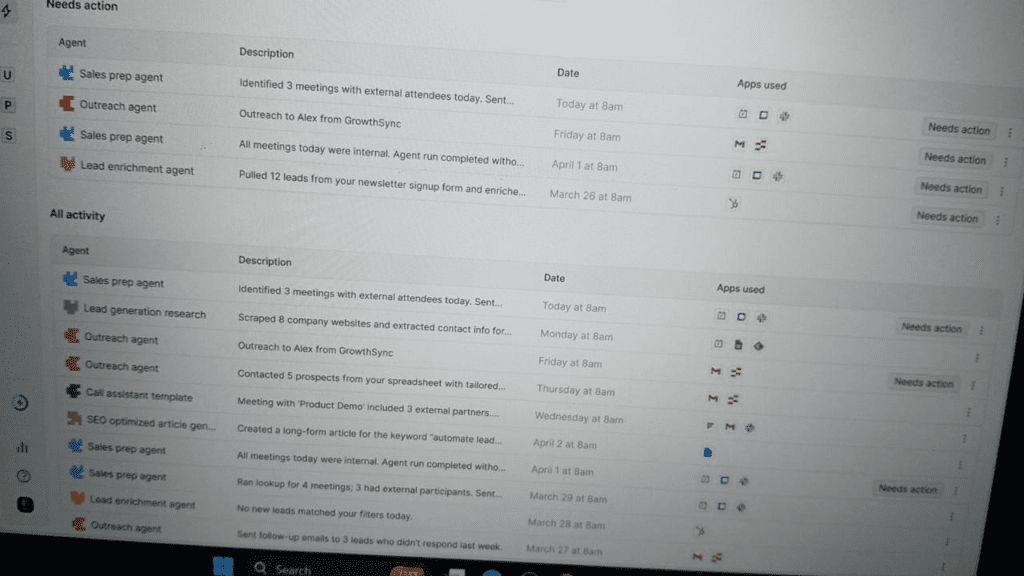
Zapier is one of the most widely used AI automation platforms globally and is increasingly adopted by German enterprises for cross-system workflow automation.
Key Features
- 8,000+ app integrations
- AI-powered workflow builder
- No-code automation system
- Built-in tools for forms, databases, and process mapping
Why It Works in Germany
German enterprises often use multiple systems across departments. Zapier acts as a central automation layer that connects these systems without requiring heavy development resources.
Use Cases
- Automating lead flow between CRM and marketing tools
- HR onboarding workflows
- IT ticket routing and escalation
- Finance approvals and reporting
Limitations
- Limited mobile experience
- Complex workflows may require planning
READ MORE – What Is the Best AI for Productivity in 2026?
2. SAP AI Core — Best for Enterprise AI in German Corporations
SAP, a Germany-based enterprise software leader, offers AI solutions deeply integrated into business operations.
Key Features
- AI integration with ERP systems
- Machine learning model deployment
- Data-driven automation across finance, logistics, and HR
Why It Works in Germany
SAP is already embedded in many German enterprises. Its AI capabilities extend existing infrastructure rather than replacing it.
Use Cases
- Predictive maintenance in manufacturing
- Financial forecasting
- Supply chain optimization
Limitations
- Requires technical expertise
- High implementation complexity
3. Microsoft Power Automate — Best for Microsoft-Based Organizations
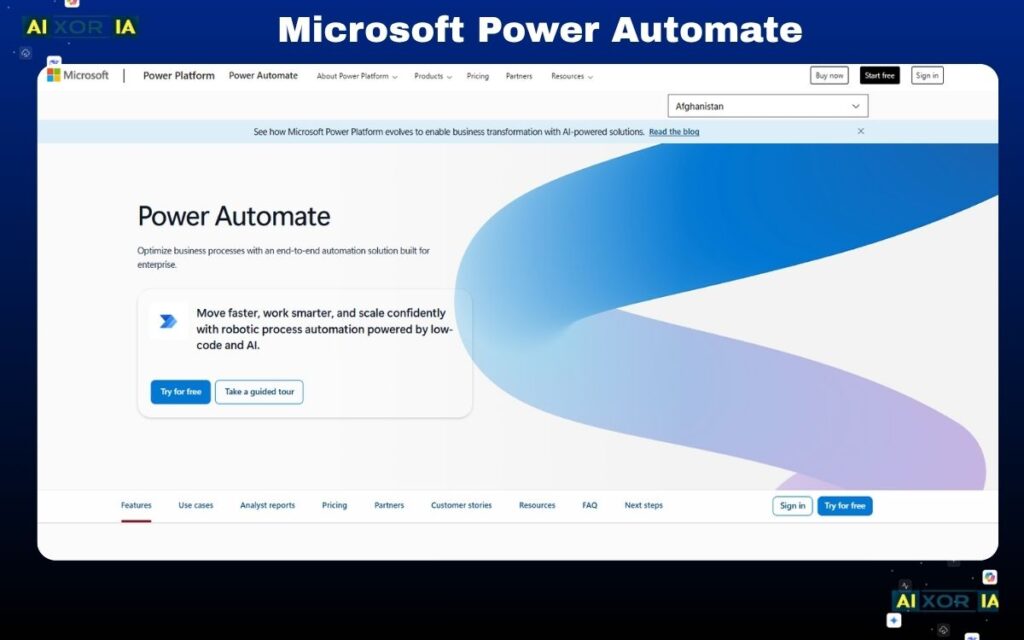
For enterprises using Microsoft 365, Power Automate provides seamless AI-powered workflow automation.
Key Features
- Deep integration with Microsoft tools (Teams, Outlook, SharePoint)
- AI Copilot for workflow creation
- Document processing automation
Why It Works in Germany
Many German enterprises rely on Microsoft ecosystems, making this a natural fit for internal automation.
Use Cases
- Approval workflows
- Document processing
- Internal communication automation
Limitations
- Less flexible outside Microsoft ecosystem
4. UiPath — Best for Robotic Process Automation (RPA)
UiPath is widely used in Germany for automating repetitive, rule-based tasks.
Key Features
- Robotic Process Automation (RPA)
- AI document understanding
- Process mining and analytics
Why It Works in Germany
German industries value efficiency and precision, making RPA a strong fit for structured processes.
Use Cases
- Invoice processing
- Data entry automation
- Compliance reporting
Limitations
- Requires setup and training
- Not ideal for highly dynamic workflows
5. Celonis — Best for Process Mining and Optimization
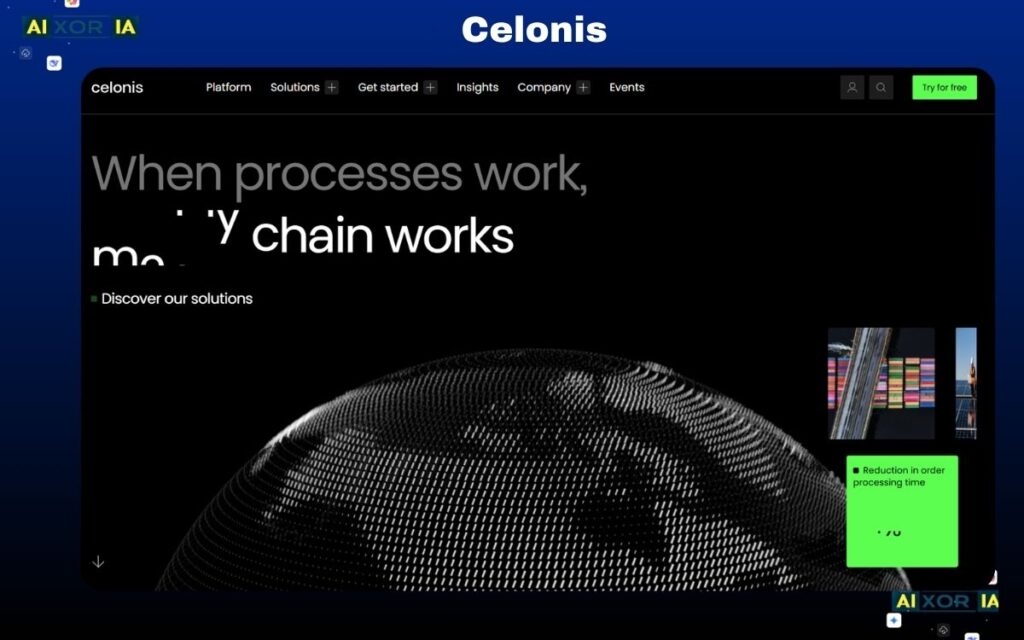
Celonis, a Germany-based company, specializes in process mining and execution management.
Key Features
- Real-time process analysis
- Bottleneck detection
- AI-driven optimization insights
Why It Works in Germany
Enterprises use Celonis to understand how their processes actually run, not just how they are designed.
Use Cases
- Supply chain optimization
- Process inefficiency detection
- Operational performance improvement
Limitations
- Data-heavy implementation
- Requires integration with existing systems
READ MORE – AI Tools for Business in 2026
6. IBM Watson — Best for Advanced AI and Analytics
IBM Watson offers enterprise AI capabilities focused on natural language processing, analytics, and decision-making.
Key Features
- AI chatbots and virtual assistants
- Predictive analytics
- NLP and data analysis
Why It Works in Germany
Strong focus on compliance, enterprise security, and scalable AI solutions.
Use Cases
- Customer support automation
- Data-driven decision making
- Risk analysis
Limitations
- Complex setup
- Higher cost
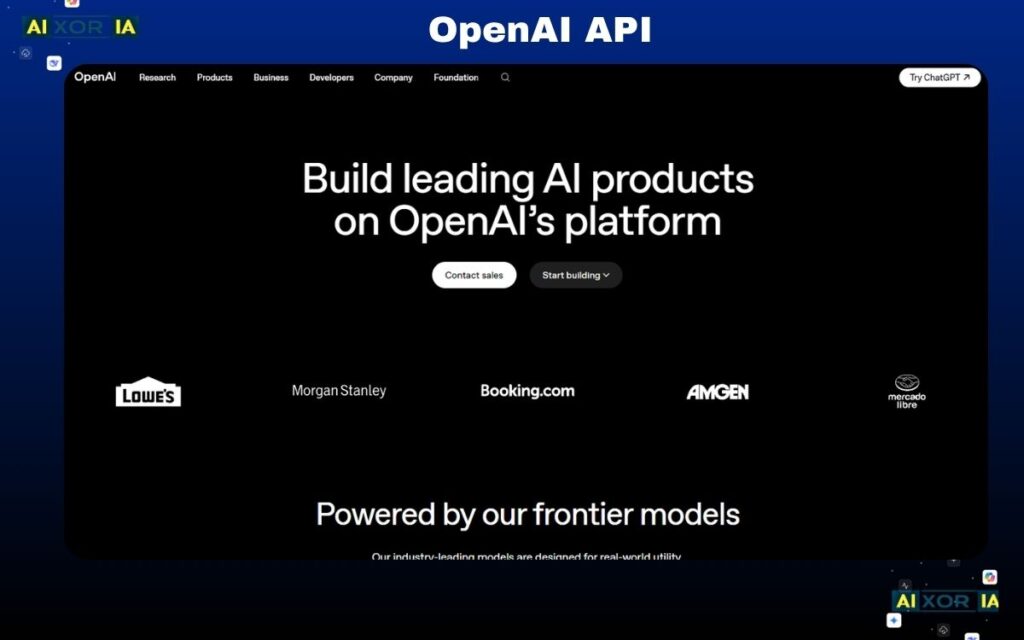
7. OpenAI API (ChatGPT-based Systems) — Best for Generative AI
Generative AI tools are rapidly being adopted across Germany for content, automation, and decision support.
Key Features
- Text generation
- AI assistants and chatbots
- Workflow automation with AI logic
Why It Works in Germany
Enterprises use generative AI for productivity, internal tools, and customer interaction systems.
Use Cases
- Automated email responses
- Knowledge base assistants
- Content generation
Limitations
- Requires careful compliance handling
- Data privacy considerations
READ MORE – What Are the 5 Most Commonly Used Productivity Tools in 2026?
How German Enterprises Use AI in Real Workflows
AI tools in Germany are not used in isolation. They are integrated into full business processes:
Marketing and Sales
- Lead scoring
- Campaign automation
- Customer segmentation
IT and Operations
- Incident management
- System monitoring
- Automated provisioning
Manufacturing
- Predictive maintenance
- Quality control
- Supply chain forecasting
Finance and HR
- Invoice processing
- Payroll automation
- Recruitment workflows
Challenges of Using AI Tools in Germany
Despite strong adoption, enterprises face challenges:
- Strict data protection laws (GDPR compliance)
- Integration with legacy systems
- High implementation costs
- Need for skilled professionals
How to Choose the Right AI Tool
The best AI tool depends on your business needs:
- Use Zapier for cross-app automation
- Use SAP AI for enterprise ERP-based workflows
- Use UiPath for repetitive task automation
- Use Celonis for process optimization
- Use Microsoft Power Automate for Microsoft environments
- Use OpenAI tools for generative AI use cases
Many enterprises combine multiple tools instead of relying on a single platform.
Final Thoughts
AI adoption in Germany is driven by efficiency, scalability, and precision. Enterprises are not just experimenting with AI—they are embedding it into core business processes.
There is no single “best” AI tool. The right solution depends on:
- Your existing systems
- Your process complexity
- Your compliance requirements
- Your internal technical capabilities
In most cases, the most effective strategy is to combine a central automation platform with specialized tools for specific functions.
FAQs
What is the most used AI tool in Germany?
Tools like SAP AI, UiPath, and Microsoft Power Automate are widely used in enterprises, while platforms like Zapier are growing rapidly for automation.
Is AI regulated in Germany?
Yes, Germany follows strict GDPR regulations and is part of the EU AI regulatory framework.
Can small businesses in Germany use AI tools?
Yes, many tools offer scalable pricing and no-code interfaces suitable for small and medium businesses.
Are AI tools secure for enterprise use?
Most enterprise-grade tools offer encryption, audit logs, and compliance features required for secure operations.
1 thought on “The Best AI Tools in Germany for Businesses and Enterprises in 2026”