In 2026, AI writing tools are no longer just about generating paragraphs.
Students don’t just want words.
They want:
- Verified citations
- Logical reasoning
- Research assistance
- Multimodal analysis (PDFs, charts, handwritten notes)
- Academic integrity
If an AI tool cannot support research-level thinking, it’s outdated.
This guide evaluates the most academically valuable AI tools of 2026 using a structured authority framework — not hype.
The 2026 Shift: From “Writing AI” to “Academic Intelligence”
Before 2024, AI tools focused on:
- Fast essay generation
- Grammar correction
- Paraphrasing
In 2026, the focus has shifted to:
- Research comprehension
- Socratic tutoring
- Citation reliability
- Multimodal reasoning
- Authenticity tracking (C2PA watermarking awareness)
Let’s analyze the tools that truly matter.
1. NotebookLM
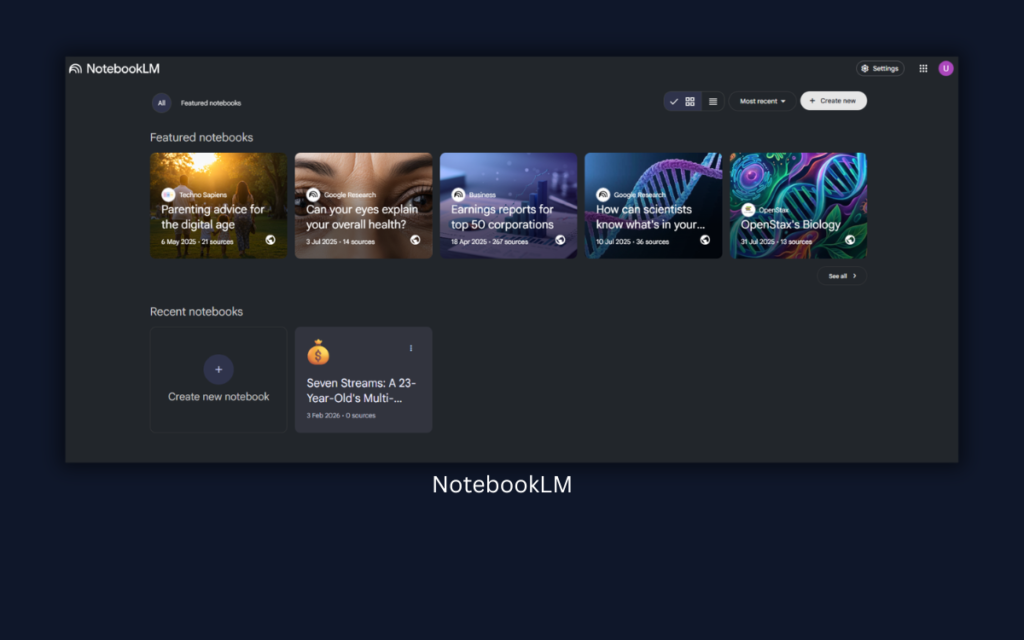
Best for: Research, PDFs, Structured Study
If you’re a student in 2026 and not using NotebookLM, you’re missing the biggest academic upgrade.
NotebookLM allows you to:
- Upload PDFs, research papers, lecture slides
- Generate structured study guides
- Convert notes into AI-generated audio overviews (podcast-style summaries)
- Ask contextual questions directly from your uploaded material
Why It’s Powerful
Unlike traditional AI tools, NotebookLM works only from your provided sources.
That means lower hallucination risk and higher academic control.
2026 Killer Feature:
Audio Overviews – Turn your research material into interactive study podcasts.
For research-heavy students (law, medicine, engineering), this is a game changer.
2. Anthropic – Claude 4 (Opus)
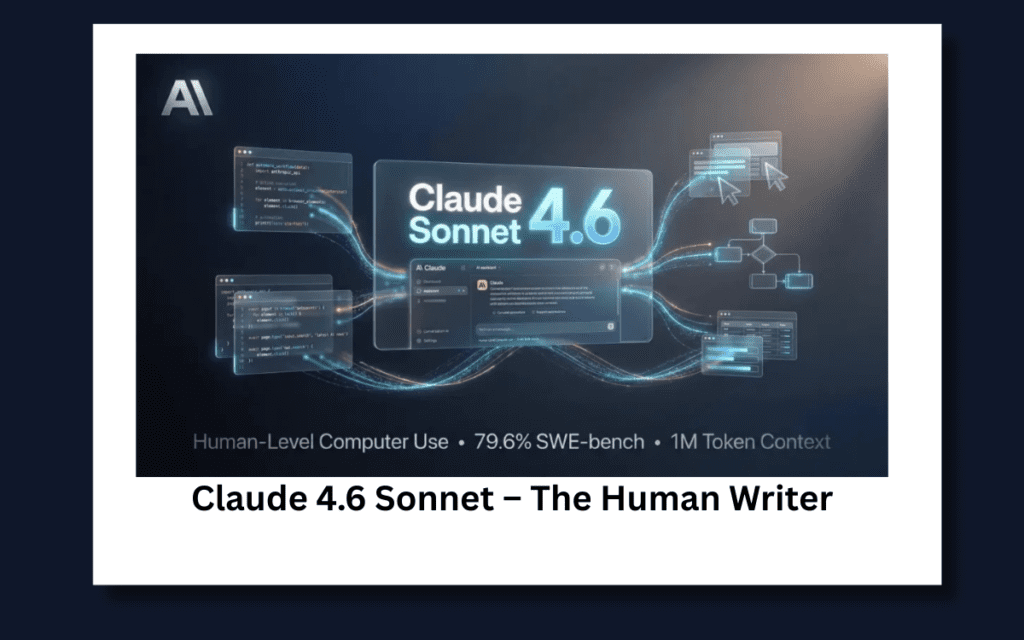
Best for: Academic Reasoning & Socratic Tutoring
Students in 2026 don’t want just answers — they want understanding.
Claude 4, developed by Anthropic, introduced advanced reasoning modes that simulate a Socratic teaching style:
Instead of giving direct answers, it may:
- Ask guiding questions
- Break down logic step-by-step
- Challenge assumptions
Why This Matters
Deep academic work requires logic, not just fluent writing.
Claude 4 excels at:
- Philosophy essays
- Legal reasoning
- Ethical debates
- Argument structuring
2026 Killer Feature:
Socratic Tutoring Mode – Encourages critical thinking instead of passive copying.
This aligns strongly with E-E-A-T principles because it promotes intellectual engagement.
3. OpenAI – ChatGPT-5 / o3 Models
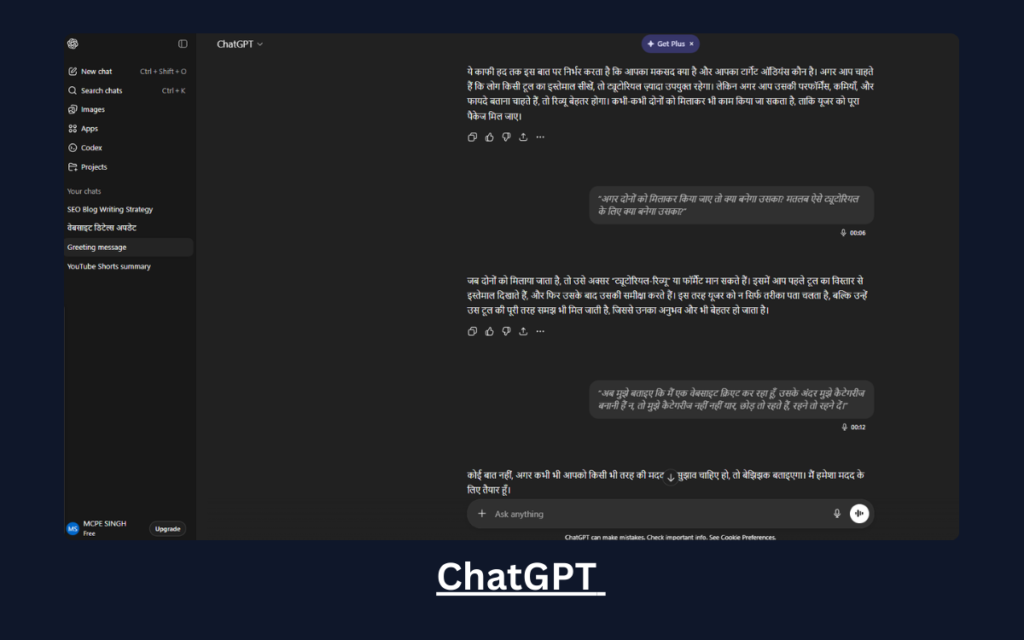
Best for: Multimodal Academic Tasks
Modern AI is multimodal — meaning it understands more than text.
Latest ChatGPT models can:
- Analyze handwritten notes
- Interpret graphs & charts
- Solve equations from images
- Convert whiteboard content into structured essays
2026 Killer Feature:
Visual Reasoning
Students can upload:
- Lab experiment charts
- Survey graphs
- Handwritten assignments
And get structured explanations.
This makes it ideal for STEM students.
4. Perplexity AI
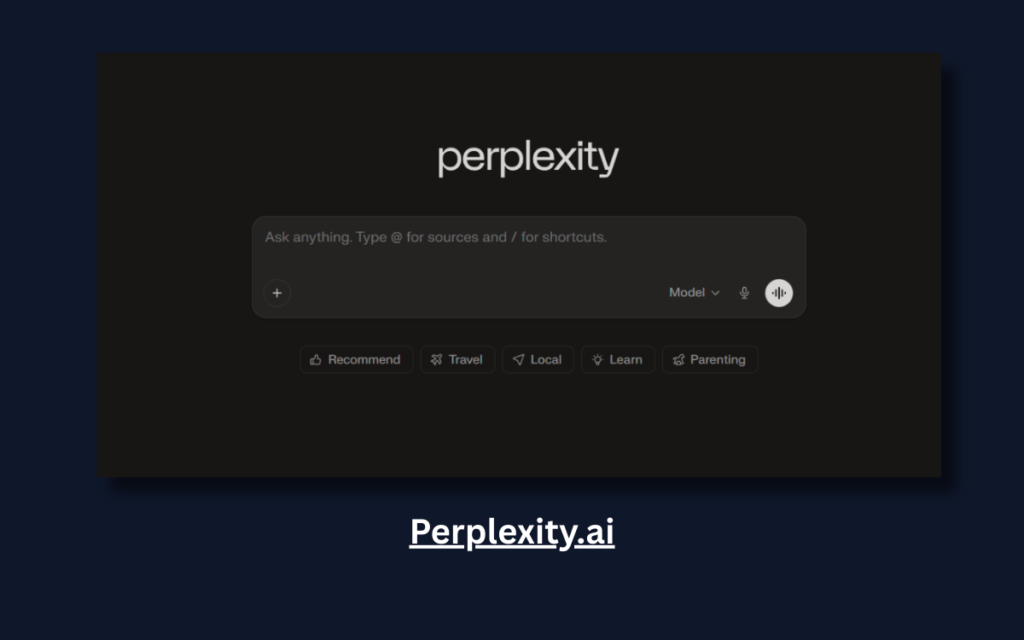
Best for: Verified Research & Citations
Perplexity became popular because it blends AI generation with real-time source citations.
Instead of generating unsupported text, it provides:
- Linked academic sources
- Footnote-style references
- Research summaries
2026 Killer Feature:
Deep Research Mode
For students writing research papers, this reduces citation errors significantly.
Academic Evaluation Framework (Authority Metric)
To objectively compare tools, we evaluate them using an internal academic metric:
AI-Academic Value Score (AVS)
AVS=Hallucination Rate(Citation Accuracy+Reasoning Level)
Where:
- Citation Accuracy = Source reliability
- Reasoning Level = Logical depth
- Hallucination Rate = Incorrect or fabricated data frequency
Higher AVS = Better academic reliability.
Why This Matters
Most websites rank tools based on popularity.
Serious students should evaluate them based on academic integrity.
Updated 2026 Comparison Table
| Tool (2026) | Best For | 2026 Killer Feature |
|---|---|---|
| NotebookLM | Study & Research | Audio Overviews (Notes → Podcasts) |
| Claude 4 | Academic Reasoning | Socratic Tutoring |
| ChatGPT-5 / o3 | Multimodal Tasks | Visual Reasoning |
| Perplexity | Verified Sources | Deep Research Mode |
Multimodal AI & Academic Integrity
In 2026, AI writing is no longer text-only.
Modern tools can:
- Analyze diagrams
- Interpret datasets
- Summarize charts
- Convert research into structured arguments
Additionally, academic discussions now include C2PA watermarking standards, which help track AI-generated media authenticity.
Students must understand:
Using AI is not cheating.
Submitting unedited AI output without understanding is.
How Students Should Use AI Responsibly
Use AI to:
- Understand complex topics
- Improve structure
- Cross-check citations
- Generate study summaries
Avoid:
- Blind copy-paste submissions
- Fabricated references
- Overdependence
AI should increase learning efficiency, not replace intellectual effort.
Final Verdict: What Should Students Use in 2026?
If you’re research-heavy → NotebookLM
If you’re argument-heavy → Claude 4
If you’re STEM-focused → ChatGPT multimodal
If you’re citation-focused → Perplexity
The smartest students combine tools strategically.
3 thoughts on “Best AI Writing Tools for Students in 2026”