Why Doctors Can’t Afford to Ignore Dictation Software in 2026
Scr0ll d0wn to D0VVNL0AD
Finding the best dictation software for doctors in 2026 comes down to a handful of options that actually fit how clinicians work today:
| Tool | Best For | Starting Price |
|---|---|---|
| Dragon Medical One | Large health systems, existing infrastructure | ~$99/mo |
| Nuance DAX Copilot | Ambient AI, enterprise EHR integration | ~$369/mo |
| Freed AI | Solo practitioners, small practices | ~$59/mo |
| DictaFlow | Budget-conscious independent doctors | ~$7/mo |
| VoiceboxMD | Cross-platform dictation + AI scribe combo | ~$49/mo |
| Heidi Health | Free tier, international users | Free–$99/mo |
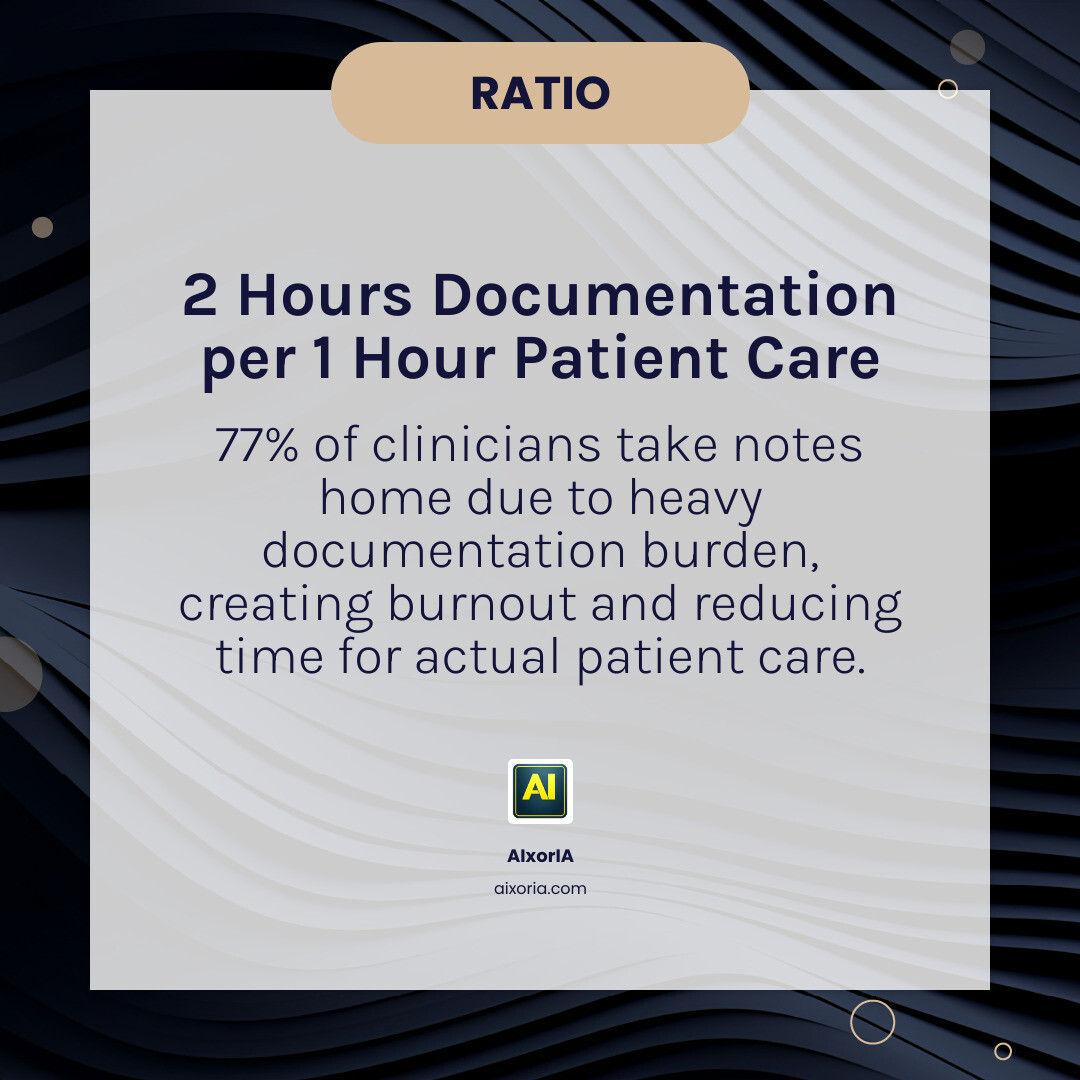
Here’s a number worth sitting with: for every hour a doctor spends with a patient, roughly two more hours go toward documentation. That’s not a small inefficiency — it’s a systemic problem that’s pushing clinicians toward burnout.
A pulse survey found that 77% of clinicians are taking their notes home. Nearly three-quarters of health professionals say documentation actively gets in the way of patient care.
The good news? The tools available in 2026 are dramatically better than what existed just a few years ago. AI has moved medical dictation from simple speech-to-text into something much smarter — tools that listen passively, understand clinical context, and generate structured notes automatically.
The hard part isn’t finding a tool. It’s finding the right tool for your specific workflow, budget, and practice size.
This guide cuts through the noise and compares the top options side by side — so you can make a fast, confident decision.
The Evolution of Clinical Documentation in 2026
We have officially entered the era of the “AI Scribe.” Only a few years ago, medical dictation meant speaking slowly and clearly into a plastic microphone, hoping the software wouldn’t turn “hyperkalemia” into “hyper-calm-area.” Today, the best dictation software for doctors in 2026 uses Large Language Models (LLMs) to understand not just sounds, but medical intent.
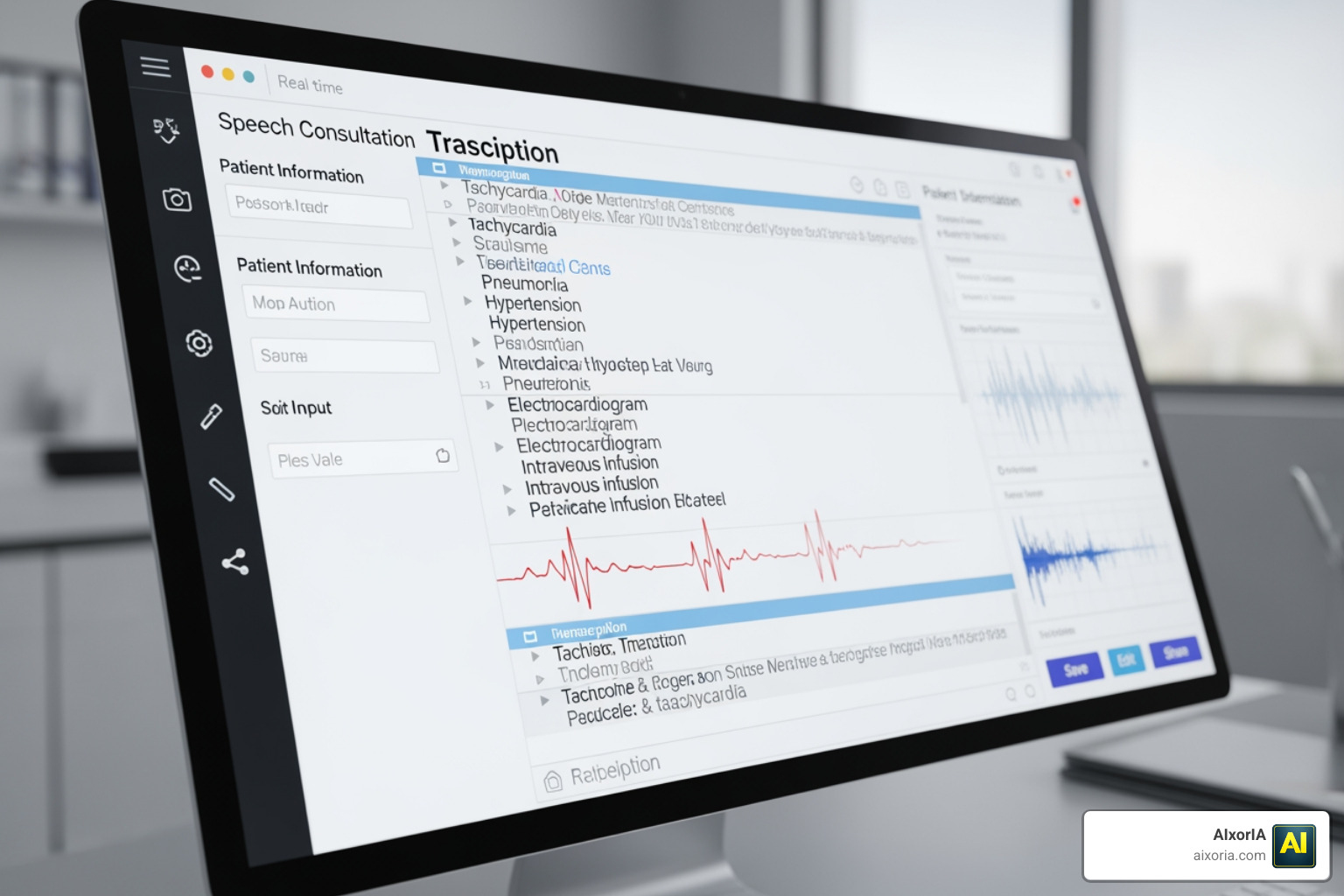
The speed advantage is impossible to ignore. The average physician types at roughly 40 words per minute, but we can dictate at speeds up to 125 words per minute. That is a 3x increase in documentation speed. When you multiply that across 20 patients a day, you’re looking at reclaiming hours of your life.
On platforms like Reddit (specifically r/medicine and r/FamilyMedicine), the sentiment has shifted. Clinicians are no longer just looking for “speech-to-text.” They are looking for “ambient intelligence”—software that sits in the corner of the room, listens to the patient encounter, and writes the SOAP note for them. While traditional tools like Dragon Medical One still have over 550,000 users and are preferred by specialists like radiologists for their precision, the general practitioner is moving toward tools that eliminate the “dictation” step entirely.
At AIxorIA, we help practices bridge this gap through The Future of Physician Dictation and AI Integration (2026), ensuring that the transition from typing to talking actually results in a better bottom line and less stress.
Key Features of the Best Dictation Software for Doctors in 2026
When we evaluate these tools, we look for four critical pillars: accuracy, integration, speed, and cross-platform support. In 2026, 99% accuracy is the baseline. If a tool can’t handle complex drug names, ICD-10 codes, and specialty-specific jargon out of the box, it isn’t worth your time.
Why the Best Dictation Software for Doctors in 2026 Must Be EHR-Agnostic
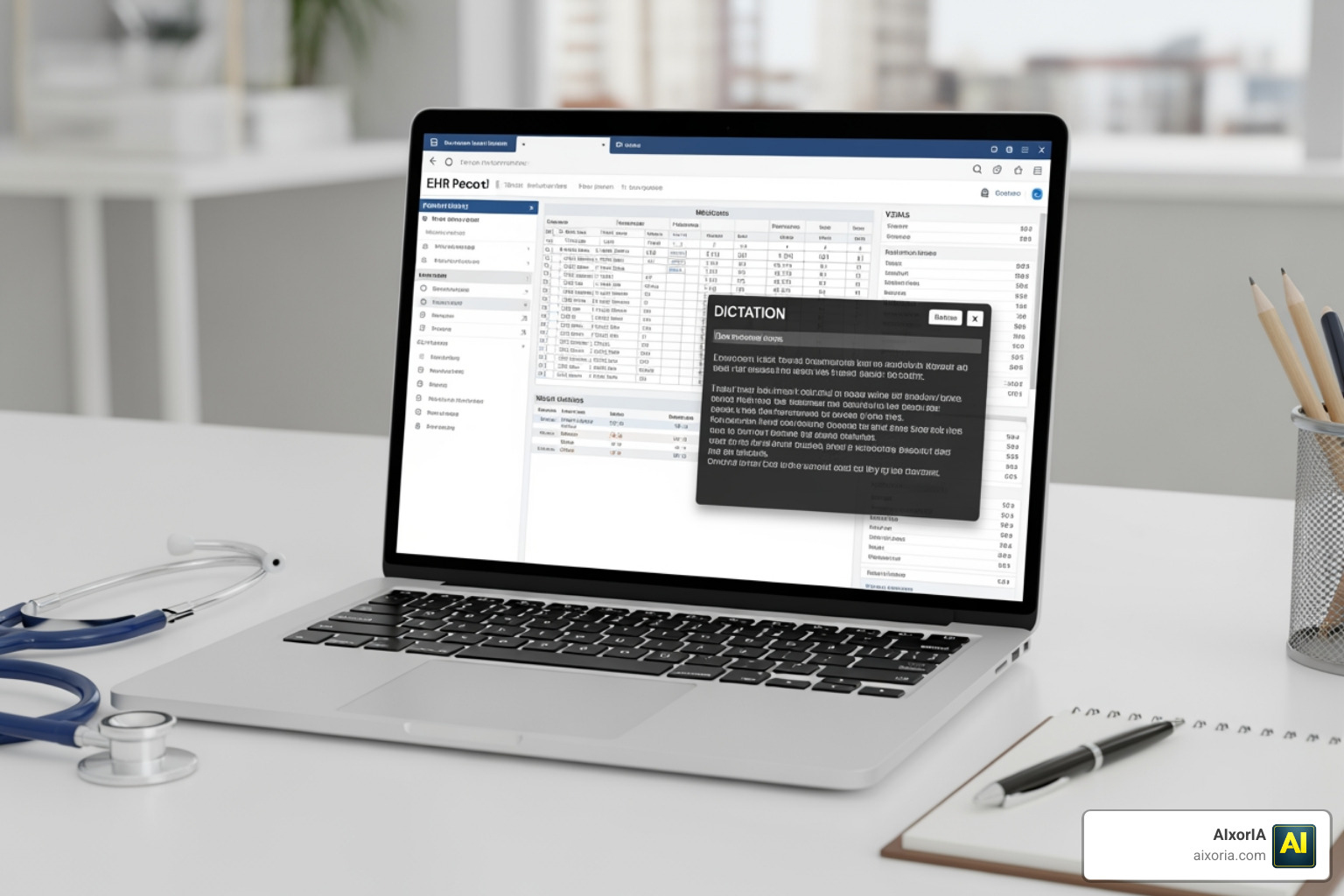
One of the biggest frustrations for clinicians is a tool that only works in a specific “dictation box.” You shouldn’t have to copy and paste your notes. The best dictation software for doctors in 2026 uses “active text injection” or “direct cursor dictation.” This means wherever your cursor is—whether it’s in Epic, Cerner, athenahealth, or a simple Word doc—the text appears there instantly.
This is especially vital for doctors working in Citrix or VDI environments. Legacy tools often struggle with the lag of virtual desktops, but modern AI-driven tools are built to handle these hospital-grade networks without skipping a beat. If you are a Mac user, you also need to ensure the software doesn’t treat your OS as an afterthought. You can find more info about Mac-compatible medical software solutions to see which tools run natively on Apple Silicon.
Choosing the Best Dictation Software for Doctors in 2026 for Solo Practices
For solo practitioners, the “Dragon monopoly” is cracking. While large health systems might be locked into enterprise contracts, independent doctors are finding incredible value in no-contract, utility-based models.
Tools like DictaFlow or Freed AI offer “pay-as-you-go” or low-cost monthly subscriptions that don’t require a $2,000 upfront investment. These tools often include automated SOAP note generators that can turn a messy transcript into a structured clinical record in under 60 seconds. For those in specialized fields, checking out more info about AI tools for clinicians can help you find tools tailored to mental health or other niche specialties.
Comparing Ambient AI Scribes vs. Traditional Dictation
The biggest debate in 2026 is between Ambient AI and Traditional Dictation.
Ambient AI Scribes (like Nuance DAX or Freed) act like a fly on the wall. You press record, talk to your patient, and the AI synthesizes the entire conversation into a note.
- Pros: Better patient eye contact, no “talking to a computer,” saves the most time.
- Cons: Higher cost, requires patient consent, and you still have to proofread the “hallucinations” or omissions.
Traditional Dictation (like Dragon or VoiceboxMD) is “push-to-talk.” You summarize the visit yourself after the patient leaves.
- Pros: Total control over every word, usually cheaper, better for complex surgical or radiology reports.
- Cons: You’re still “writing” the note, just with your voice instead of your fingers.
| Feature | Ambient AI Scribes | Traditional Dictation |
|---|---|---|
| Workflow Disruption | Low (Passive listening) | Medium (Active dictating) |
| Accuracy Control | AI-generated (Review required) | High (Word-for-word) |
| Monthly Cost | $79 – $400+ | $7 – $150 |
| Best For | Family Medicine, Pediatrics | Radiology, Surgery, ER |
Security, Privacy, and HIPAA Compliance in 2026
We cannot talk about medical software without talking about security. In 2026, “HIPAA compliant” is just the start. You should look for vendors that provide a signed Business Associate Agreement (BAA) and use enterprise-grade encryption like TLS 1.3 for data in transit and AES-256 for data at rest.
One emerging trend we’re seeing is local processing. Tools like Superwhisper or Spokenly allow you to process audio directly on your device (especially on powerful Mac M4 or high-end Windows chips). This means the audio never even touches the cloud, offering a “zero-retention” policy that is the gold standard for PHI protection.
Frequently Asked Questions about Best Dictation Software for Doctors in 2026
What is the most affordable dictation tool for independent doctors in 2026?
If you are looking for the absolute lowest entry point, DictaFlow currently leads the market at approximately $7 per month. It offers direct cursor injection and high accuracy without the enterprise “bloat.” For those who want a free option to test the waters, Heidi Health offers a robust free tier that is popular with international users and solo practitioners just starting with AI.
How does ambient AI compare to traditional speech-to-text software?
Think of traditional speech-to-text as a faster keyboard. You are still the author; you’re just using your voice. Ambient AI is more like having a human scribe in the room. It captures the dialogue and turns it into documentation. While ambient AI saves more time, it requires a higher “review burden” to ensure the AI didn’t misinterpret a patient’s vague symptom.
Can I use medical dictation software on a Mac in 2026?
Absolutely. Gone are the days when doctors were forced to use Windows. With the power of Apple Silicon (M1 through M4 chips), Macs are actually some of the best machines for local AI dictation. Most modern tools like VoiceboxMD and Freed run natively on macOS or through high-performance browser extensions that work seamlessly with web-based EHRs.
Conclusion
The best dictation software for doctors in 2026 isn’t just about replacing a keyboard; it’s about reclaiming your time and mental energy. Whether you choose the enterprise-grade power of Dragon, the ambient magic of DAX, or the lean efficiency of DictaFlow, the goal is the same: finishing your charts before you leave the clinic.
At AIxorIA, we specialize in helping medical practices navigate this high-tech landscape. We offer custom AI solutions, tool training workshops, and performance audits to ensure your documentation ROI is as high as possible. We believe that technology should be simple, affordable, and—most importantly—fast.
Ready to stop taking your notes home? Explore more info about AI tools for business in 2026 and let us help you build a workflow that actually works for you.
1 thought on “Best Dictation Software for Doctors in 2026”