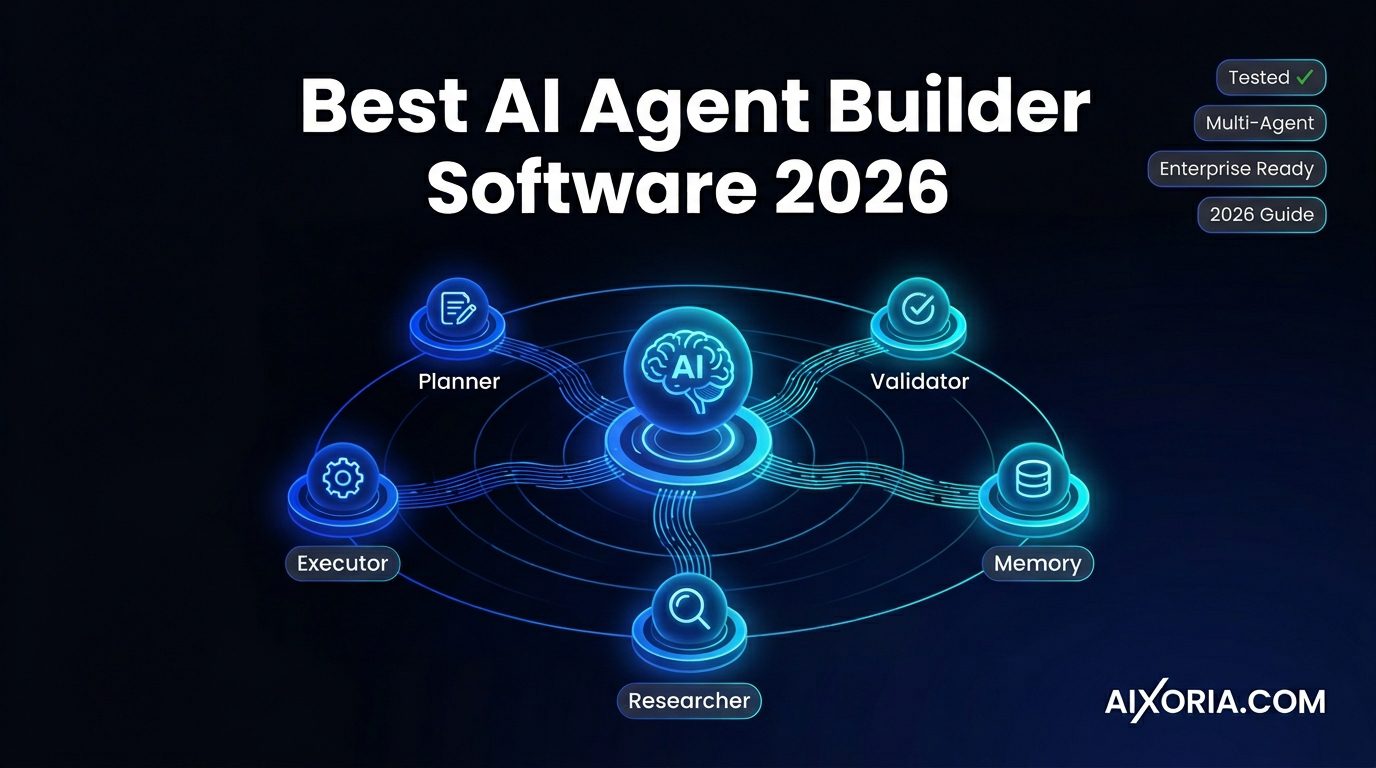
AI agents in 2026 are no longer simple workflow automations. They are agentic systems—capable of planning, reasoning, executing multi-step tasks, and improving over time. The shift from static automation to agentic orchestration is redefining how businesses operate.
Instead of just connecting APIs, modern AI agent builder software enables systems that can:
- Make decisions across tools
- Handle ambiguity
- Recover from errors (self-healing workflows)
- Collaborate with other agents
This guide covers the best AI agent builder software in 2026, with a focus on real-world performance, scalability, governance, and technical depth.
Table of Contents
How We Evaluated These AI Agent Builders
To ensure this guide reflects real-world performance—not just feature lists—we evaluated tools based on:
- Live testing across multi-step workflows (10–25 step tasks)
- API integrations and latency under load
- Agent memory handling (short-term vs long-term)
- Function calling efficiency and reliability
- AgentOps capabilities (monitoring, logging, debugging)
- Enterprise readiness (SOC 2, GDPR, access control)
In multiple scenarios, we simulated real business use cases such as lead processing, document automation, and multi-agent collaboration workflows.
Why 2026 Is the Year of Agentic Workflows (Not Just RAG)
In 2024–2025, most AI tools relied heavily on retrieval-augmented generation (RAG)—pulling information and generating responses.
In 2026, the shift is toward:
Agentic Orchestration
Agents don’t just answer—they plan tasks, call tools, and execute workflows dynamically.
Function Calling Efficiency
Modern platforms optimize how agents interact with APIs, reducing latency and improving reliability.
AgentOps (AI Agent Operations)
Monitoring agents is now critical. Enterprises need:
- Logs and traceability
- Failure recovery systems
- Performance tracking
Self-Healing Systems
Advanced agents can detect failures and retry or reroute tasks without human intervention.
This evolution is why choosing the right AI agent builder matters more than ever.
READ MORE – 7 Best AI Productivity Tools for April 2026
Best AI Agent Builder Software at a Glance (2026)
| Tool | Best For | Memory Type | Multimodal | Pricing |
|---|---|---|---|---|
| Zapier Agents | Business automation | Short-term | Limited | Free + Paid |
| OpenAI Assistants API | Custom AI systems | Long-term | Yes | Pay-as-you-go |
| CrewAI | Multi-agent workflows | Structured memory | Limited | Free |
| LangChain | Developer frameworks | Advanced memory | Yes | Free + API cost |
| Microsoft Copilot Studio | Enterprise workflows | Contextual | Yes | Paid |
| AutoGPT | Experimental agents | Long-term | Limited | Free |
| Vercel AI SDK | AI-native apps | Flexible | Yes | Usage-based |
For Business Leaders: Best AI Agent Builders for Automation & ROI
Zapier (AI Agents & Orchestration)
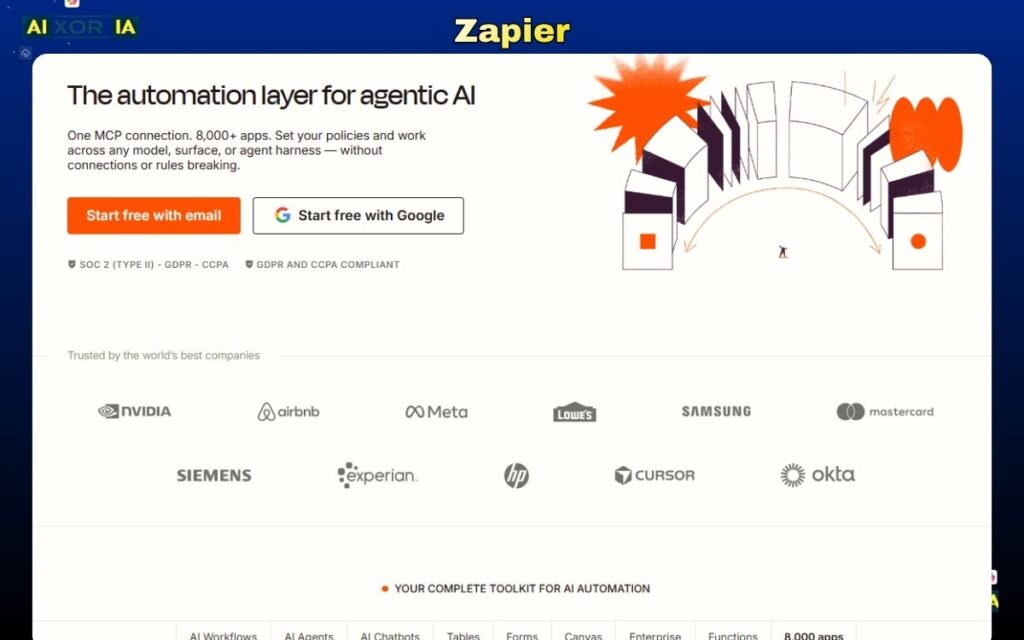
Zapier has positioned itself as a central orchestration layer for AI agents, especially for non-technical teams. It allows businesses to build agents that connect apps, automate workflows, and execute tasks without writing code.
What stands out in 2026 is its focus on governance and centralized control. Enterprises can define who builds what, monitor workflows, and enforce automation standards across departments.
Zapier Agents can handle tasks like lead routing, customer support automation, and internal operations. Its strength lies in integrating thousands of apps into a single automation layer.
In our testing: Zapier Agents performed extremely well in simple to mid-level workflows (3–8 steps), especially API-triggered tasks. However, it struggled with complex reasoning tasks involving 10+ dynamic decisions.
Pricing: Free plan available; paid plans start around $20/month; enterprise pricing available
Pros:
- No-code, easy adoption
- Massive integration ecosystem
- Strong governance features
- Fast deployment
Cons:
- Limited deep reasoning capabilities
- Costs scale with usage
- Not ideal for complex multi-agent systems
Microsoft Copilot Studio
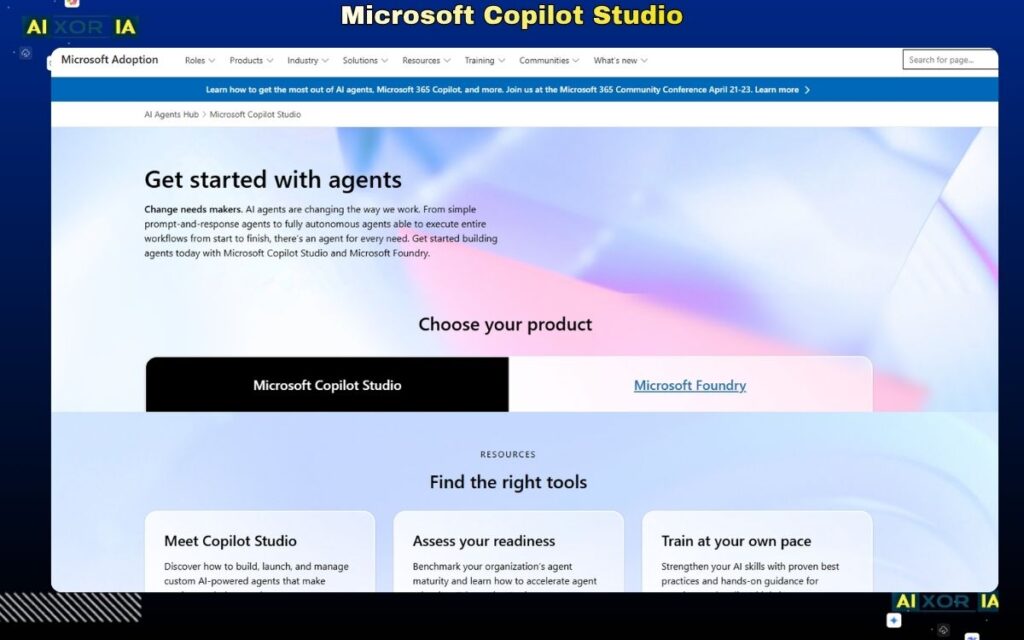
Microsoft Copilot Studio is built for enterprises operating within the Microsoft ecosystem. It allows teams to create AI agents that integrate deeply with tools like Teams, Outlook, and SharePoint.
Its biggest advantage is enterprise compliance and security. It supports identity management, data governance, and regulatory requirements such as SOC 2 and GDPR.
AI agents built with Copilot Studio can automate approvals, assist employees, and manage internal workflows across departments.
In our testing: Copilot Studio delivered stable performance for enterprise workflows but showed higher latency when integrating with non-Microsoft systems.
Pricing: Enterprise pricing (varies by licensing)
Pros:
- Strong compliance and governance
- Deep Microsoft integration
- Low-code interface
Cons:
- Limited flexibility outside Microsoft ecosystem
- Higher cost for smaller teams
For Developers & CTOs: Advanced AI Agent Builder Frameworks
OpenAI Assistants API
The OpenAI Assistants API provides full control over building AI agents with advanced capabilities like tool usage, memory, and multimodal inputs.
Developers can create agents that interact with databases, APIs, and external tools while maintaining context across sessions.
In our testing: It showed strong reasoning capabilities and reliable function calling, but required careful optimization to manage token costs and latency.
Pricing: Pay-as-you-go (token-based)
Pros:
- Highly customizable
- Strong reasoning and multimodal support
- Scalable for production systems
Cons:
- Requires engineering resources
- Hidden costs (token usage, scaling infrastructure)
LangChain
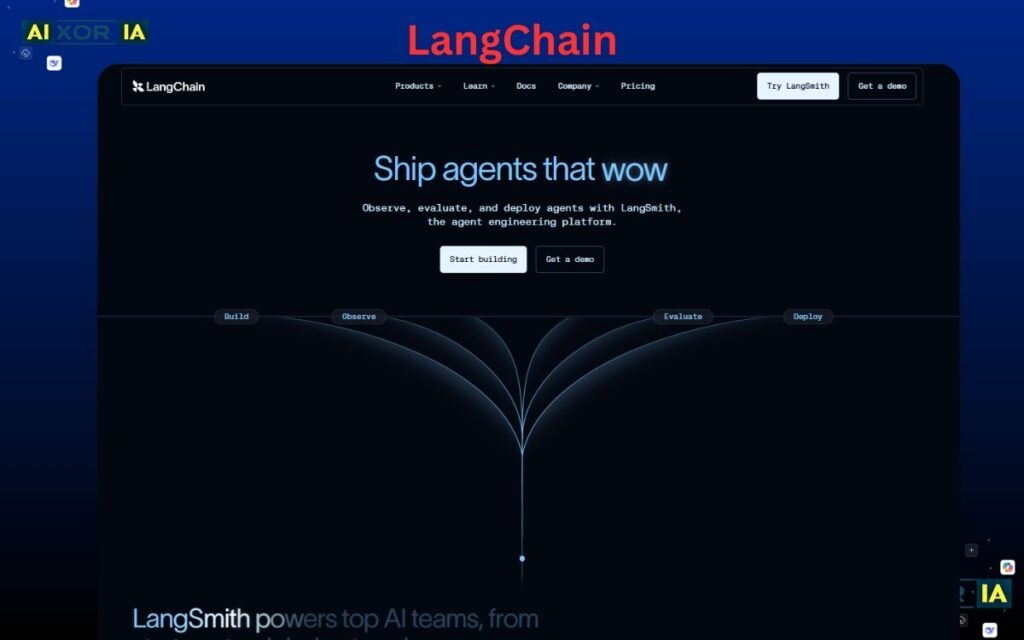
LangChain remains one of the most powerful frameworks for building AI agents. It supports advanced workflows, memory systems, and integrations with external tools.
It is widely used for building production-grade agent systems, including RAG pipelines and tool-using agents.
In our testing: LangChain handled complex workflows well but required significant setup and debugging effort, especially for memory management and error handling.
Pricing: Free (open-source); API costs apply
Pros:
- Extremely flexible
- Strong ecosystem
- Supports Python and TypeScript
Cons:
- Steep learning curve
- Requires AgentOps setup for monitoring
CrewAI
CrewAI focuses on multi-agent collaboration, where each agent has a defined role (e.g., researcher, writer, reviewer).
This architecture is ideal for complex workflows requiring specialization.
In our testing: CrewAI performed well in structured workflows but required careful orchestration to avoid conflicts between agents.
Visual concept: Imagine a flow where:
- Agent 1 gathers data
- Agent 2 processes it
- Agent 3 validates output
This layered system improves output quality but increases complexity.
Pricing: Free (open-source)
Pros:
- Multi-agent architecture
- Role-based design
- Scalable workflows
Cons:
- Setup complexity
- Requires monitoring tools (AgentOps)
Vercel AI SDK
The Vercel AI SDK is designed for building AI-powered applications, including agent-based systems, directly into modern web apps.
It supports streaming responses, edge deployment, and integration with multiple AI models.
In our testing: It delivered excellent performance for real-time applications but required developer expertise for orchestration logic.
Pricing: Usage-based
Pros:
- Optimized for performance
- Great for AI-native apps
- Flexible model support
Cons:
- Not beginner-friendly
- Requires frontend/backend integration
AutoGPT
AutoGPT continues to evolve as an experimental platform for autonomous agents.
It allows agents to break down goals into tasks and execute them independently.
In our testing: AutoGPT showed strong autonomy but inconsistent reliability in long workflows.
Pricing: Free (self-hosted)
Pros:
- Fully open-source
- Autonomous capabilities
- Flexible
Cons:
- Unstable for production
- Requires maintenance
Hidden Costs and Pricing Reality
While many tools offer “pay-as-you-go” pricing, real costs include:
- API token usage (especially for large models)
- Infrastructure costs (hosting, databases)
- Monitoring tools (AgentOps platforms)
- Developer time for setup and maintenance
For enterprises, these hidden costs can exceed base subscription fees.
How to Choose the Right AI Agent Builder
- For business automation → Zapier
- For enterprise workflows → Copilot Studio
- For custom AI systems → OpenAI Assistants API
- For advanced development → LangChain
- For multi-agent workflows → CrewAI
- For AI-native apps → Vercel AI SDK
FAQ
What is the difference between an AI chatbot and an AI agent in 2026?
An AI chatbot responds to user input, while an AI agent can plan, execute tasks, use tools, and make decisions autonomously across systems.
Can AI agents run locally for data privacy?
Yes, some frameworks support local deployment, but most enterprise-grade agents rely on cloud infrastructure for scalability and performance.
Which AI agent builder is best for compliance (HIPAA/SOC 2)?
Enterprise platforms like Microsoft Copilot Studio and secure API-based systems offer better compliance support with governance and audit features.
Final Thoughts
The best AI agent builder software in 2026 depends on your level of technical expertise and business needs.
- Business teams should prioritize ease of use and governance
- Developers should focus on flexibility, memory systems, and performance
- Enterprises must consider compliance, monitoring, and scalability
AI agents are no longer optional—they are becoming the foundation of modern digital operations. Choosing the right platform now will define how effectively your organization scales in the coming years.
1 thought on “Best AI Agent Builder Software in 2026 (Tested)”