Why the Best Invoicing Software for Small Business is Vital for Your Cash Flow
Finding the Best Invoicing Software for Small Business in 2026 is the key to getting paid faster and spending less time on boring paperwork.
| Software | Best For | Top Benefit |
|---|---|---|
| FreshBooks | Service Businesses | Excellent time tracking and professional look |
| Zoho Invoice | Small Teams | Completely free forever for most small users |
| Wave | Solopreneurs | Simple tools with no monthly subscription fees |
| Square | Retail & In-Person | Connects your online bills with card readers |
| Invoice Ninja | Tech-Savvy Owners | High customization and self-hosting options |
For many owners, an invoice is an afterthought. But your billing system is the heartbeat of your business. It is often the last and most important interaction a client has with your brand.
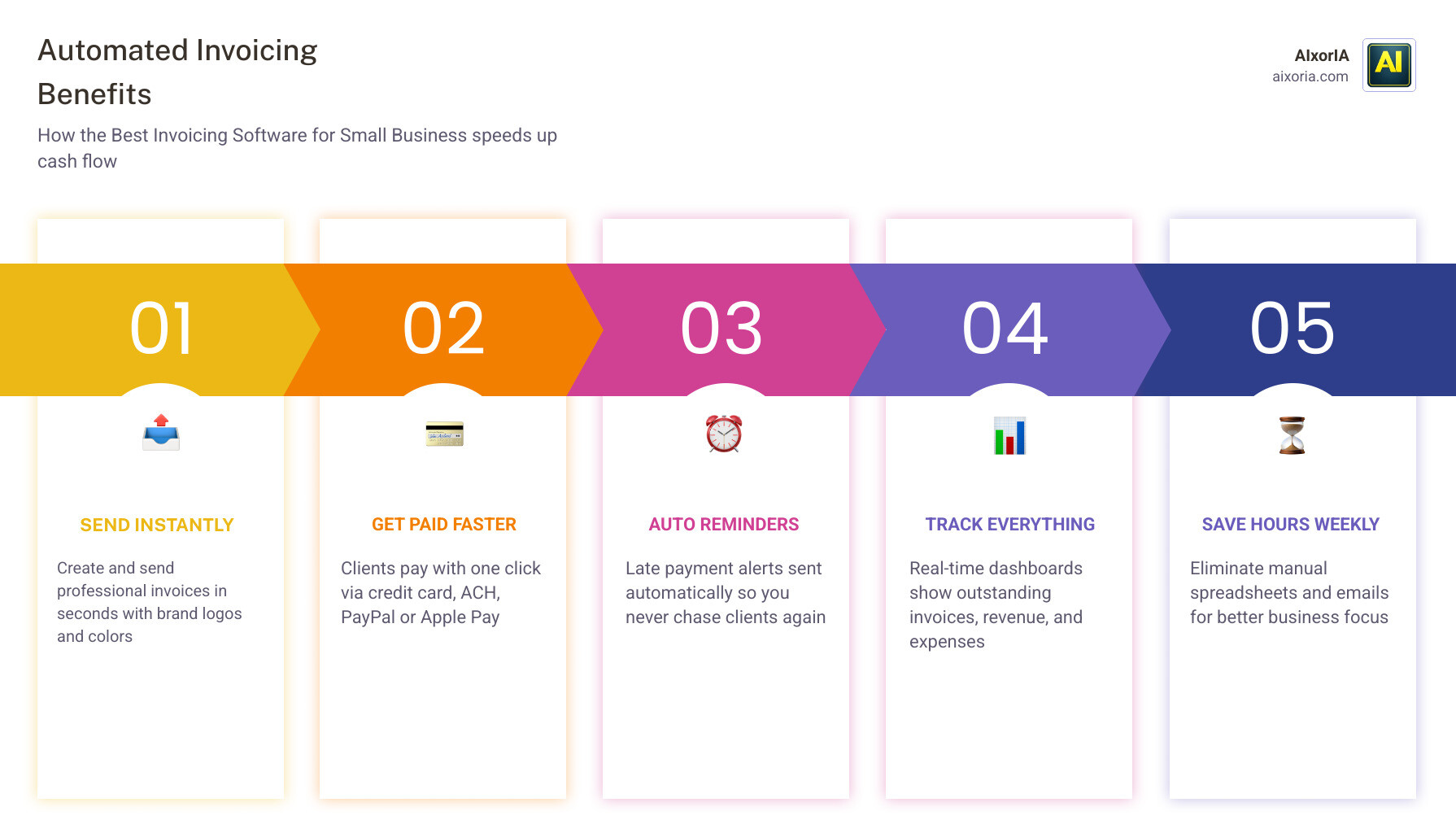
In 2026, you cannot afford to wait weeks for a check in the mail. Modern software automates the “chasing” for you. It sends reminders when a bill is late. It lets clients pay with one click from their phone. Most importantly, it keeps your books tidy for tax season without extra work.
When you use the right tool, you stop being a bill collector and start being a business leader. You gain back hours of your week that were once lost to spreadsheets and manual emails.
Key Features of the Best Invoicing Software for Small Business
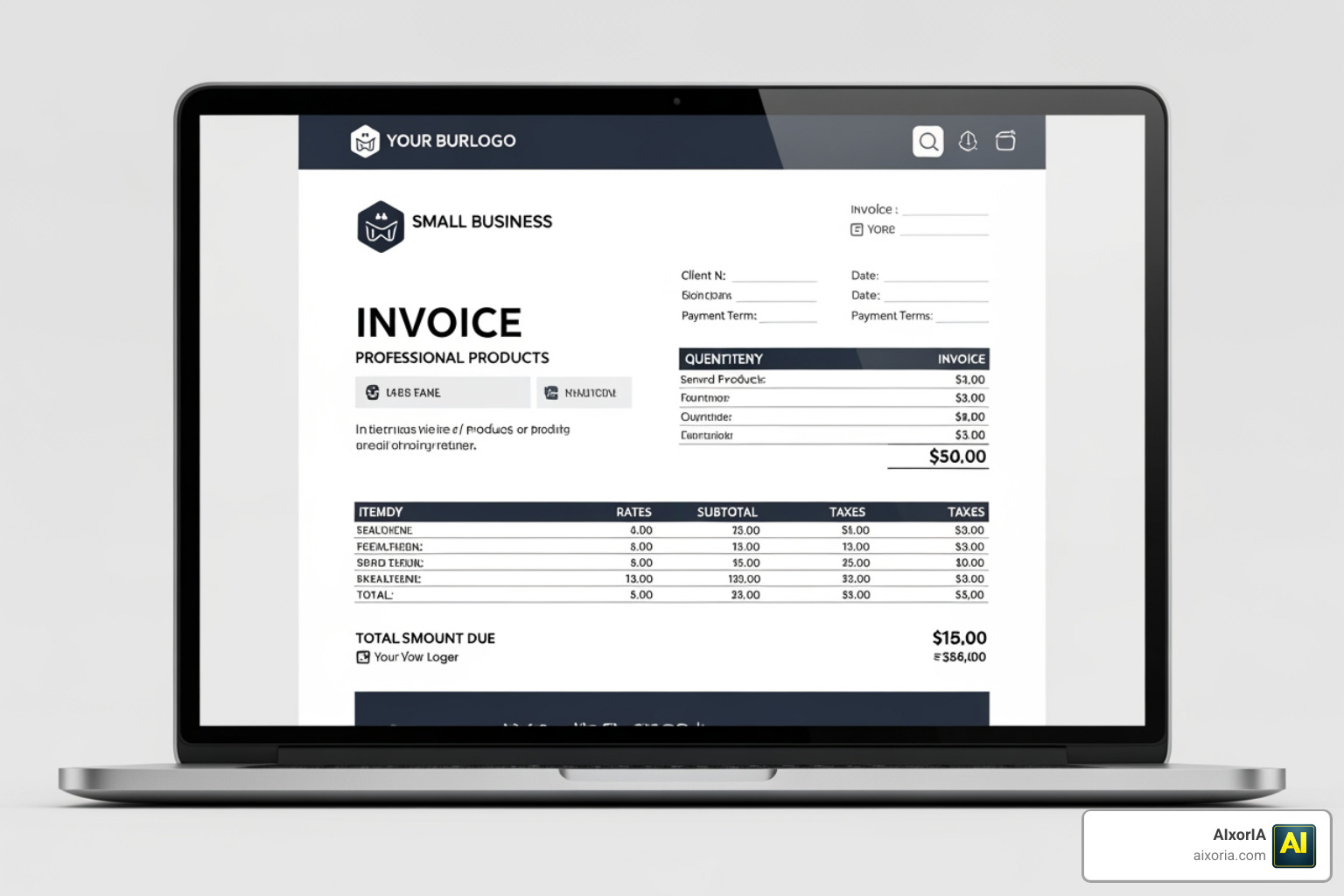
When we look for the Best Invoicing Software for Small Business, we aren’t just looking for a digital piece of paper. We are looking for a comprehensive system that handles the “heavy lifting” of financial management. Professionalism is a major factor; your invoices should reflect your brand’s quality. Using Invoice Software For Small Businesses allows you to add logos, brand colors, and personalized thank-you notes that “wow” your clients.
Beyond looks, functionality is king. You need a system that tracks expenses, manages vendors, and generates purchase orders in one place. If you are wondering what is the best invoicing software for small business, the answer usually lies in how well it integrates with your existing workflow.
Essential Automation for Modern Billing
In 2026, manual data entry is a relic of the past. The top tools now offer robust automation that saves hundreds of hours annually. Recurring invoices are a lifesaver for businesses with retainers or subscription models. Instead of recreating the same bill every month, the software does it for you.
Furthermore, automated late reminders ensure you aren’t the “bad guy” chasing down payments. The software sends polite, scheduled nudges to clients before, on, or after the due date. To dive deeper into these time-saving tools, check out our 7 Best Automated Invoicing Software in 2026 Complete Guide for Businesses.
Integrated Payment Processing Options
Getting an invoice to a client is only half the battle; getting the money into your bank account is the goal. The Best Invoice Software for Small Businesses – Wave Financial and similar platforms offer integrated payment gateways. This means your “Pay Now” button can accept:
- Credit and Debit Cards: For instant payments.
- ACH/EFT Transfers: Lower fees for larger transactions.
- Mobile Wallets: Apple Pay and Google Pay for frictionless checkout.
- Digital Platforms: PayPal and Venmo integrations.
Comparing Cloud-Based vs. Self-Hosted Solutions
Choosing how your software is deployed is a major decision for any small business owner. Most modern tools are cloud-based, meaning they live on the provider’s servers. However, some platforms, like Invoice Ninja, offer a self-hosted version for those who want total control.
Data security is a top priority regardless of the path you choose. Leading providers use 256-bit SSL encryption and maintain PCI-DSS Level 1 compliance to ensure that your financial data and your clients’ payment information remain shielded from prying eyes.
Benefits of Cloud-Based Invoicing Software for Small Business
For the majority of us, cloud-based solutions are the way to go. Platforms like Wave: Small Business Software – Wave Financial provide “anywhere access.” Whether you are at your desk or using a mobile app on a job site, your data stays synced in real-time. You don’t have to worry about manual backups or software updates; the provider handles the technical maintenance so you can focus on your craft. This ease of use is why many prefer Invoicing Software for Small Businesses | Invoice Simple for quick, on-the-go billing.
Why Advanced Users Choose Self-Hosted Tools
Self-hosting is a favorite among tech-savvy entrepreneurs and those in highly regulated industries. By hosting the software on your own server, you own 100% of your data. Invoice Ninja is a leader here, providing an open-source framework that allows for deep customization. It’s a great way to ensure privacy and avoid monthly “per-user” fees if you have the technical know-how to manage the server.
Top-Rated Invoicing Software for Small Business Freelancers and Startups
Different stages of business require different tools. A freelancer needs simplicity and low costs, while a growing startup might need project management features.
| Feature | Zoho Invoice | Square Invoices | Wave Starter |
|---|---|---|---|
| Free Tier Limit | 1,000 Invoices/Year | Unlimited Invoices | Unlimited Invoices |
| Client Limit | Limited | Unlimited | Unlimited |
| Best Feature | Customer Portal | Hardware Integration | Ease of Use |
| Mobile App | iOS & Android | iOS & Android | iOS & Android |
For those just starting, finding the Best Free Project Management Software for Small Business in 2026 can help keep your billable tasks organized before they ever hit the invoice.
Scalable Solutions for Growing Teams
As you add staff or contractors, you need software that grows with you. Invoice and Accounting Software for Small Businesses – FreshBooks is built for this transition. It allows for multi-user support and detailed project tracking, ensuring that every billable hour is captured. It even helps manage “scope creep” by letting you adjust estimates and track project changes in real-time.
Free Tools for Early-Stage Entrepreneurs
If you are watching every penny, there are fantastic “no-cost” options. Zoho Invoice has been a standout for years, offering a free tool as a “give back” to the small business community. Mercury and Wave also offer powerful free tiers that allow you to send professional bills without a monthly subscription. These are often the Best AI Tools for Entrepreneurs in 2026 because they often include smart features like automated categorization without the price tag.
Maximizing Efficiency with AI and Workflow Integrations
The true power of modern invoicing comes from making your apps talk to each other. By using tools like Zapier, Make, or n8n, you can connect your invoicing software to hundreds of other apps. For example, when a client signs a contract in your CRM, your invoicing tool can automatically generate a deposit request.
AI is also changing the game. We are seeing dashboards that predict cash flow trends and AI-driven receipt scanning that categorizes expenses in seconds. Exploring the Best AI Tools for Business Productivity can reveal even more ways to streamline your financial stack.
Improving Cash Flow with Client Portals
A client portal is a dedicated space where your customers can view their history, approve quotes, and pay outstanding bills. This self-service model reduces the “back-and-forth” emails significantly. FreshBooks and Zoho Invoice provide excellent portals that make it easy for clients to manage their own payments, which in turn improves your cash flow.
Frequently Asked Questions about Small Business Invoicing
Is there truly free invoicing software available in 2026?
Yes! Zoho Invoice is completely free for most small business needs, allowing up to 1,000 invoices per year. Wave also offers a robust free starter plan. While most free tiers have limits on the number of users or advanced reporting, they are more than enough for many solopreneurs and startups.
How does automated invoicing improve my business cash flow?
Automation reduces the “Time to Payment.” By offering instant online payment options and setting up automatic reminders, you remove the friction that causes clients to procrastinate. In fact, many businesses report getting paid twice as fast after switching to an automated system.
Can I manage my business billing entirely from a mobile device?
Absolutely. Most of the top-rated tools have dedicated iOS and Android apps. You can create an estimate on-site, convert it to an invoice with one click, and send it via email, SMS, or even WhatsApp before you even leave the client’s location.
Conclusion
Choosing the Best Invoicing Software for Small Business is about more than just numbers; it’s about giving yourself the freedom to grow. Whether you choose the robust features of FreshBooks, the free power of Zoho, or the flexibility of Invoice Ninja, the goal is to spend less time on administration and more time on your passion.
At AIxorIA, we specialize in helping businesses navigate these technical choices. We provide custom AI solutions, tool training workshops, and performance audits to ensure your business is running at peak efficiency. If you need help setting up your financial stack or want to explore how AI can further empower your business, we are here to help with simple language and fast support.
Ready to take the next step? Visit us at https://aixoria.com/ to learn how we can help you thrive in the modern digital economy.
4 thoughts on “Best Invoicing Software for Small Business in 2026 | Top Picks”