Why Choosing the Right Customer Engagement Software Changes Everything

The best customer engagement software helps your business build real relationships with customers — across email, chat, SMS, WhatsApp, and more — all from one place.
Here’s a quick look at the top picks for 2026:
| Platform | Best For | Starting Price |
|---|---|---|
| HubSpot CRM | Inbound marketing | Free tier available |
| Zoho CRM | AI-powered insights | Low-cost plans |
| Freshdesk | Multichannel support | $19/user/month |
| Trengo | Omnichannel + AI automation | Contact for pricing |
| Twilio | Developer-built engagement | Usage-based |
| LiveAgent | Affordable small business | $15/agent/month |
| Braze | Mobile-first campaigns | Enterprise pricing |
| Salesforce Marketing Cloud | Large-scale personalization | Enterprise pricing |
| Kustomer | AI-driven CRM support | Contact for pricing |
Most small business owners feel the same pain: customers reach out on WhatsApp, then email, then Instagram — and your team has no idea what was already said. Conversations fall through the cracks. Customers feel ignored. And you lose sales you should have kept.
The numbers back this up. 88% of customers say good service makes them more likely to buy again. Yet most businesses still manage customer interactions across five or six disconnected tools.
That’s the problem modern customer engagement software is designed to fix.
This guide compares the top platforms available right now, so you can find the right fit — without needing a technical background or a big budget.
What is Customer Engagement Software?
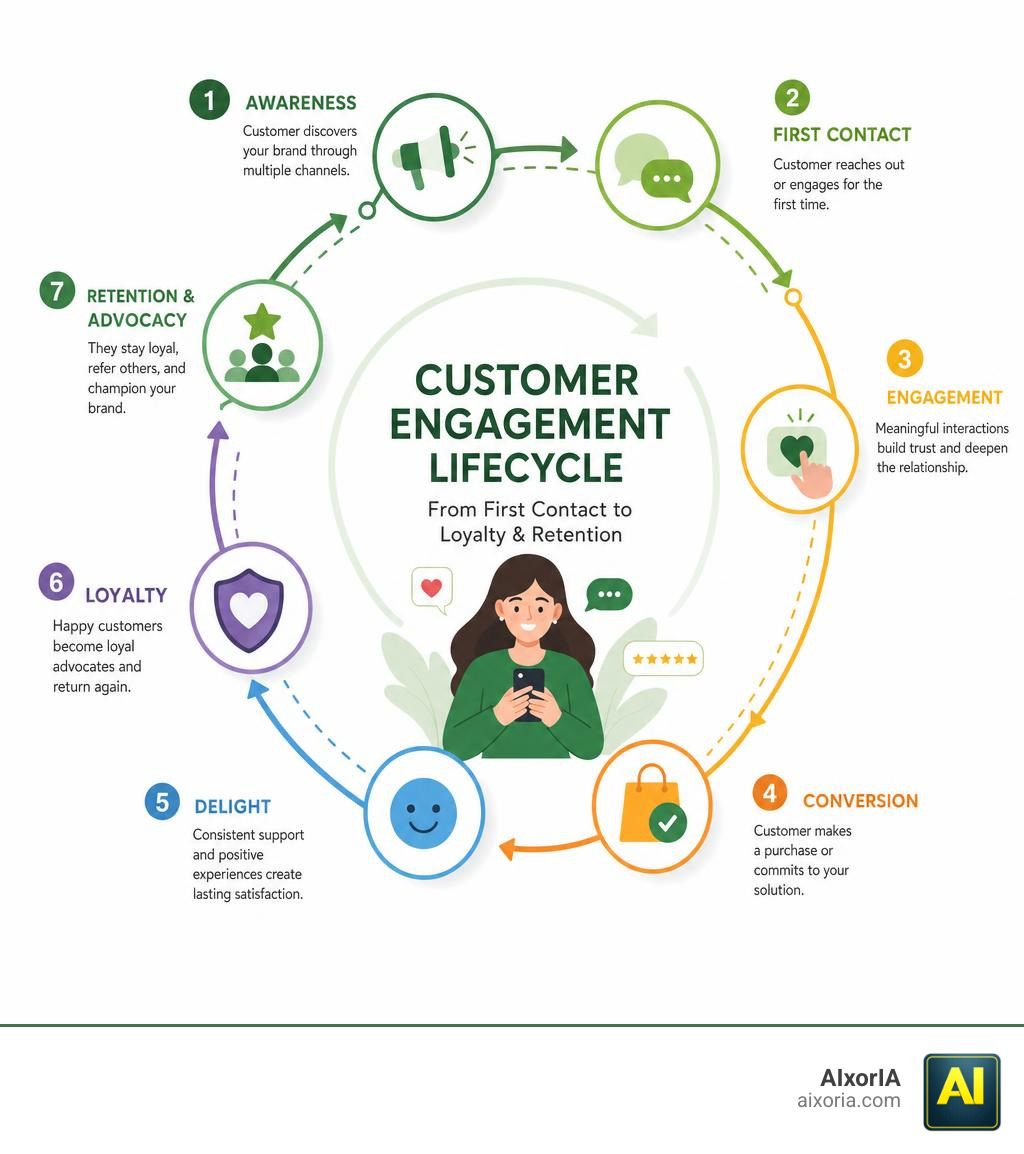
To understand customer engagement software, it helps to look at what it isn’t. Traditional CRMs are great for tracking static data—like a digital rolodex of customer contact information and sales history. Helpdesk tools are reactive, sitting quietly until a customer submits a support ticket.
In contrast, the best customer engagement software actively manages the entire customer lifecycle. It unifies your data sources to help you proactively converse with customers, guide their buying journeys, and resolve issues before they escalate. Modern platforms utilize conversational AI and real-time data unification to turn cold transactions into continuous, two-way dialogues.
If you want to explore the top systems leading this category, check out our review of the 9 Best Customer Engagement Software in 2026.
Why Businesses Need the Best Customer Engagement Software
With 53% of customers preferring to engage digitally, meeting them where they are is no longer optional. When you streamline these interactions, you unlock massive boosts in customer satisfaction and operational efficiency. Instead of forcing your team to spend three hours coordinating for every single hour spent solving customer problems, a unified platform brings structure to your operations.
By building consistent, high-value experiences, you protect your bottom line. To see how top-tier platforms handle these complex demands, explore the 9 Best Customer Engagement Software Vendors in 2026.
Core Categories of Engagement Platforms
Not all engagement tools are built for the same tasks. Generally, they fall into four core categories:
- Omnichannel Marketing Automation: Built to orchestrate outbound campaigns across email, SMS, and push notifications.
- Conversational AI Platforms: Focused on running automated, intelligent two-way dialogues on chat apps and messaging channels.
- Mobile-First Engagement: Tailored specifically for in-app messaging, mobile push, and SMS-heavy customer bases.
- On-Site Personalization: Geared toward changing your website’s content, search results, and pop-ups dynamically based on user behavior.
Key Features of the Best Customer Engagement Software
When shopping around for the perfect tool, look past the flashy marketing pages and focus on core features that drive everyday productivity:
- Real-time Communication: Live chat widgets and instant messaging integrations that don’t lag.
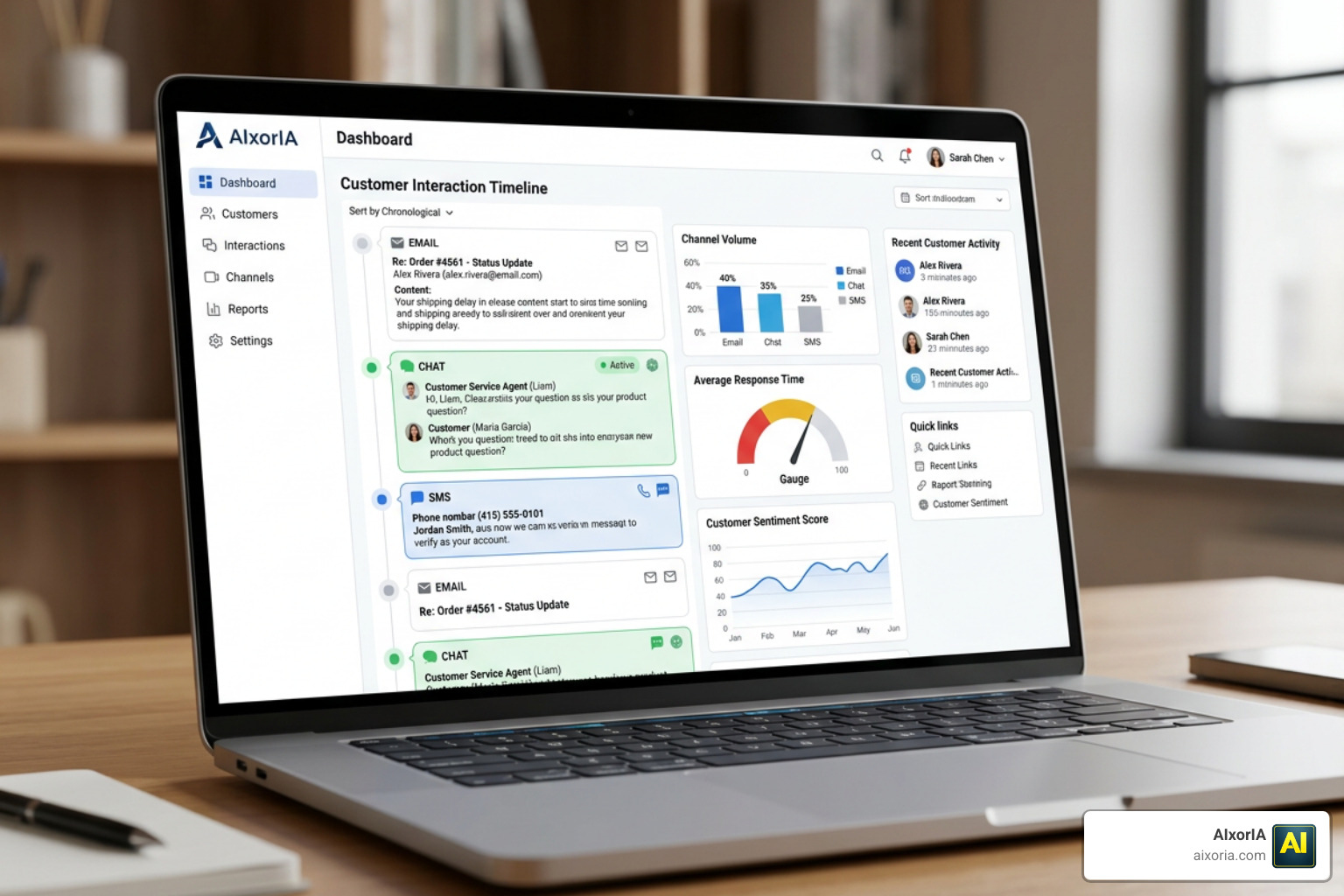
- Data Analytics: Reporting dashboards that track response times, customer sentiment, and channel performance.
- Automation Workflows: Simple visual builders to automate repetitive tasks without writing code.
- Persistent Memory: The platform’s ability to maintain a single continuous thread of a customer’s history, even when they switch channels.
Omnichannel Continuity and Personalization
True omnichannel continuity means a customer can start a conversation on WhatsApp, follow up via email, and finish it on a web chat without ever repeating their issue. This is crucial when you consider that high-engagement messaging channels like WhatsApp boast an incredible 98% open rate.
By gathering conversational signals into a centralized first-party database, your platform can deliver personalized product recommendations and timely support. When an automated bot needs to pass a complex issue to a human, a “contextual hand-off” ensures the human agent receives a complete summary of the interaction so the customer doesn’t have to start over.
AI and Automation Capabilities
AI has evolved far beyond the frustrating, rule-based chatbots of the past. Today’s AI agents can resolve up to 84% of repetitive conversations instantly, driving 5x faster resolution times through automated workflows.
However, automation shouldn’t mean losing the human touch. Our research shows that 80% of customers think it’s important for humans to validate AI’s outputs in critical situations. The best platforms use AI as a co-pilot, drafting responses and organizing workflows while leaving human agents in control of high-value relationships.
To see how these intelligent features are shaking up the industry, read our guide on the 9 Best AI-Powered Customer Engagement Software in 2026.
Top Customer Engagement Platforms Evaluated
To help you compare your options, let’s look at how the leading platforms approach scalability, ease of use, and pricing models.
AI-Driven CRM and Support Platforms
These platforms are designed to make your support team’s life easier by turning high workloads into smooth, automated workflows. They feature intelligent routing, agent co-pilots, and unified inboxes that pull every incoming message into a single screen.
If you are looking for an AI-native workspace that treats the customer history as a continuous timeline rather than fragmented tickets, take a look at the AI Customer Service Platform & CRM | Kustomer.
Omnichannel and Conversational Hubs
If your goal is to move away from boring, one-way broadcast emails and upgrade to interactive, two-way conversations, conversational hubs are your best bet. These platforms make it easy to manage SMS, WhatsApp, and email campaigns that feel personal and adapt in real time to how your customers respond.
For a closer look at how to orchestrate these dynamic conversations at scale, explore the Engagement Hub | Omnichannel Customer Engagement Platform.
Programmable Engagement Infrastructure
For larger companies with dedicated development teams, pre-packaged software can sometimes feel too restrictive. That is where programmable infrastructure shines. It offers global scale, robust API integrations, and complete developer flexibility to build custom communication workflows from scratch.
If you want to build a highly customized, secure communication network, check out the Customer Engagement Platform | Twilio.
Affordable Customer Interaction Software
You don’t need an enterprise-sized budget to deliver great customer experiences. Affordable interaction software provides essential tools like ticketing systems, customizable live chat widgets, and basic social media monitoring for a fraction of the cost.
For a budget-friendly solution that helps small to medium businesses get up and running quickly with no setup fees, explore Customer Interaction Software | LiveAgent | LiveAgent – Help Desk Software & Live Chat.
Implementation Challenges and Best Practices
While the benefits of customer engagement software are clear, getting a new platform up and running comes with its own hurdles. The most common challenges include breaking down existing data silos, managing integration complexity with older systems, and ensuring strict security compliance.
To overcome these, focus heavily on team adoption. Your software is only as good as the people using it. Run hands-on testing sessions, set clear guidelines, and phase your rollout gradually rather than turning everything on at once.

How to Choose the Best Customer Engagement Software for Your Team
To find your perfect match, start by identifying your team’s biggest operational bottleneck. Are you struggling with slow response times, disjointed marketing campaigns, or a lack of mobile options? Choose a platform designed specifically for your industry and team size.
If you are looking for a general overview of top-rated tools, check out Th 9 Best Customer Engagement Software in 2026. If you operate in a highly regulated space like banking or insurance, read our specialized guide on the 9 Best Financial Services Customer Engagement Software in 2026.
Frequently Asked Questions About Customer Engagement
What is the difference between CRM and customer engagement software?
A CRM acts as a database to track customer details, sales pipelines, and history. Customer engagement software is active; it connects directly to communication channels to help you run real-time conversations, automate messaging, and build active relationships.
How does AI improve customer engagement?
AI handles repetitive, high-volume questions instantly, freeing up your human team to focus on complex issues. It also acts as an on-the-job assistant, drafting replies, summarizing long chat threads, and routing conversations to the right agent.
Why is omnichannel communication important?
Customers expect to jump between channels (like website chat, SMS, and WhatsApp) without losing their conversation history. Omnichannel communication keeps the experience consistent and continuous, which builds trust and boosts retention.
Conclusion
Finding the right customer engagement platform is the first step toward transforming your customer experience from a chore into a competitive advantage.
At AIxorIA, we help businesses navigate this digital transformation. We design custom AI solutions, host practical tool training workshops, write easy-to-follow tutorials, and conduct comprehensive performance audits to ensure your technology actually works for you. Our mission is simple: we provide clear, jargon-free support, affordable services, and incredibly fast help to empower your team.
Ready to take your business to the next level? Unlock your business potential with our comprehensive guide to AI tools and find out how autonomous agents and smart automation can drive real ROI for your brand today.
1 thought on “Best Customer Engagement Software in 2026 (Top 9 Platforms Compared)”