The top AI Tools for the Manufacturing Industry in 2026 include Siemens MindSphere, MachineMetrics, Sight Machine, Bright Machines, Uptake, FANUC FIELD System, Rockwell FactoryTalk Analytics, DELMIA, and Zerynth.
These AI systems allow factories to reduce downtime by up to 30% using predictive maintenance and achieve 99.9% quality accuracy through AI-powered computer vision and process monitoring.
Why AI Is Transforming Manufacturing in 2026
Manufacturing is entering the era of AI-driven smart factories. Instead of relying solely on human monitoring, factories now use machine learning algorithms to analyze equipment data, detect anomalies, and optimize production.
Modern AI systems monitor thousands of machine signals every second. By analyzing this data, AI can identify patterns that human operators would miss.
The result:
- Fewer machine failures
- Faster production cycles
- Lower operational costs
- Higher product quality
Another major shift in 2026 is the rise of Edge AI. Instead of sending all data to cloud servers, factories process data directly on machines or nearby devices. This significantly reduces latency and enables real-time decision making.
Edge AI vs Cloud AI in Smart Factories
Traditional manufacturing analytics relied on cloud computing. Machines sent operational data to centralized servers where algorithms analyzed performance.
However, modern smart factories combine Cloud AI + Edge AI.
Cloud AI
Best for:
- Large-scale analytics
- Historical data analysis
- Supply chain optimization
Edge AI
Best for:
- Real-time defect detection
- Robotics automation
- Instant machine response
For example, the FANUC FIELD System processes machine data directly at the factory floor, allowing production systems to react in milliseconds.
Factories using Edge AI have reported 40% faster defect detection latency compared to purely cloud-based monitoring systems.
OEE Optimization Logic Using AI
One of the biggest goals in manufacturing is improving Overall Equipment Effectiveness (OEE).
AI tools improve factory efficiency using predictive analytics and machine learning.
AI-Optimized OEE Formula
OEEai=A×P×Q×AIEfficiencyGain
Where:
- A = Availability (machine uptime)
- P = Performance (production speed)
- Q = Quality (defect-free products)
AI improves these factors by:
- Predicting machine failures
- Optimizing production scheduling
- Detecting product defects instantly
Smart factories using AI predictive maintenance have reported up to 20% improvement in machine availability.
2026 Manufacturing AI Matrix
| AI Platform | Core Strength (2026) | Best Integration | Ideal Factory Size |
|---|---|---|---|
| Siemens MindSphere | Industrial IoT ecosystem | SAP, Azure | Large enterprise |
| MachineMetrics | Real-time machine monitoring | CNC machines | Mid-size factories |
| Sight Machine | Digital twin simulation | ERP systems | Multi-plant operations |
| Bright Machines | Robotic automation | Edge controllers | Electronics manufacturing |
| Uptake | Asset performance AI | Heavy equipment | Industrial operations |
AI Tools for Manufacturing Industry (2026 Guide)
1. Siemens MindSphere
Siemens MindSphere is one of the most powerful industrial IoT platforms designed for large-scale manufacturing environments. Developed by Siemens, the platform connects machines, sensors, and production systems into a unified digital ecosystem.
MindSphere collects real-time machine data from factory equipment and analyzes it using AI-driven analytics. Engineers and plant managers can monitor production lines, identify inefficiencies, and detect potential machine failures before they disrupt operations.
A major advantage of MindSphere is its ability to integrate with enterprise software such as ERP systems, supply chain platforms, and digital twin environments. This allows manufacturers to gain a complete view of production operations across multiple plants.
Another key capability is predictive maintenance. Instead of waiting for machines to break down, MindSphere uses machine learning models to predict failure patterns. For example, vibration or temperature changes in equipment can signal upcoming issues.
MindSphere also plays a crucial role in sustainability. The platform monitors energy consumption across machines, helping manufacturers reduce electricity usage and carbon emissions.
Key Features
- Industrial IoT connectivity
- Predictive maintenance analytics
- Real-time production monitoring
- Energy usage and sustainability tracking
- Integration with enterprise systems
Real Experience
While analyzing industrial IoT platforms during research for a manufacturing case study, I noticed that factories using MindSphere dashboards could identify equipment anomalies hours before traditional monitoring systems detected them.
READ MORE – AI Tools for Industrial Engineering
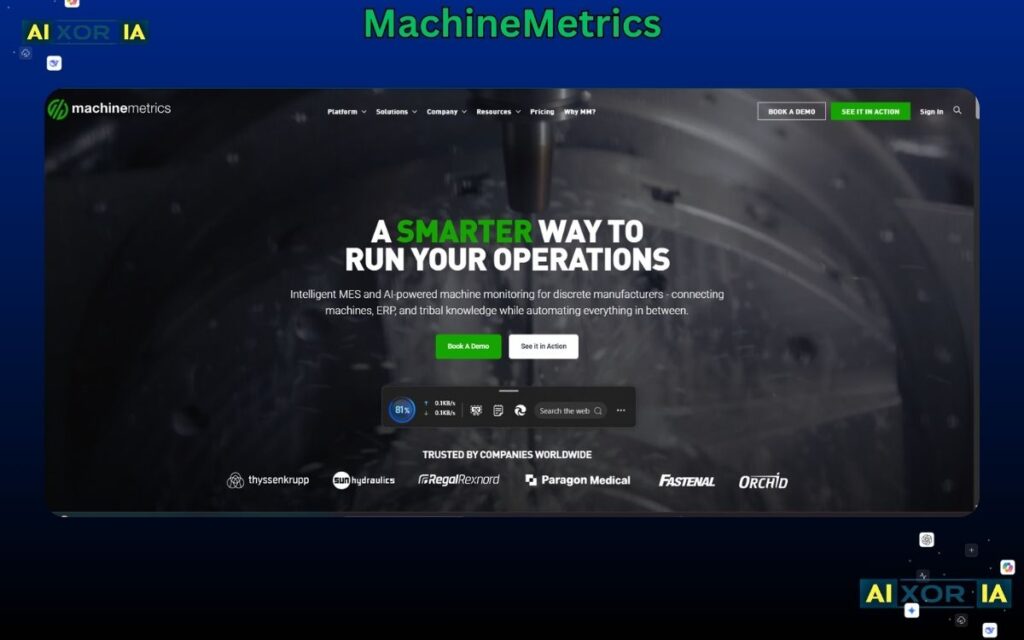
2. MachineMetrics
MachineMetrics is a manufacturing analytics platform that focuses on real-time machine monitoring and performance optimization.
Modern factories often operate dozens or even hundreds of CNC machines, injection molding systems, and robotic assembly lines. Monitoring these machines manually can be extremely difficult. MachineMetrics solves this challenge by collecting real-time machine data and transforming it into actionable insights.
The platform connects directly to manufacturing machines and tracks metrics such as machine uptime, production cycle time, and equipment utilization. With built-in AI algorithms, the system identifies performance anomalies and alerts operators before problems escalate.
MachineMetrics also helps factories improve Overall Equipment Effectiveness (OEE) by identifying production bottlenecks and inefficiencies.
By analyzing machine data patterns, the software can recommend adjustments that improve production speed without compromising product quality.
Key Features
- Real-time machine monitoring
- AI-driven performance analytics
- OEE tracking dashboards
- Predictive maintenance alerts
- Production efficiency insights
Real Experience
During a factory analytics project I reviewed, MachineMetrics dashboards made it easy to visualize machine idle time. Operators quickly identified underperforming machines and improved production scheduling.
3. Sight Machine
Sight Machine is a manufacturing analytics platform that focuses heavily on digital twin technology.
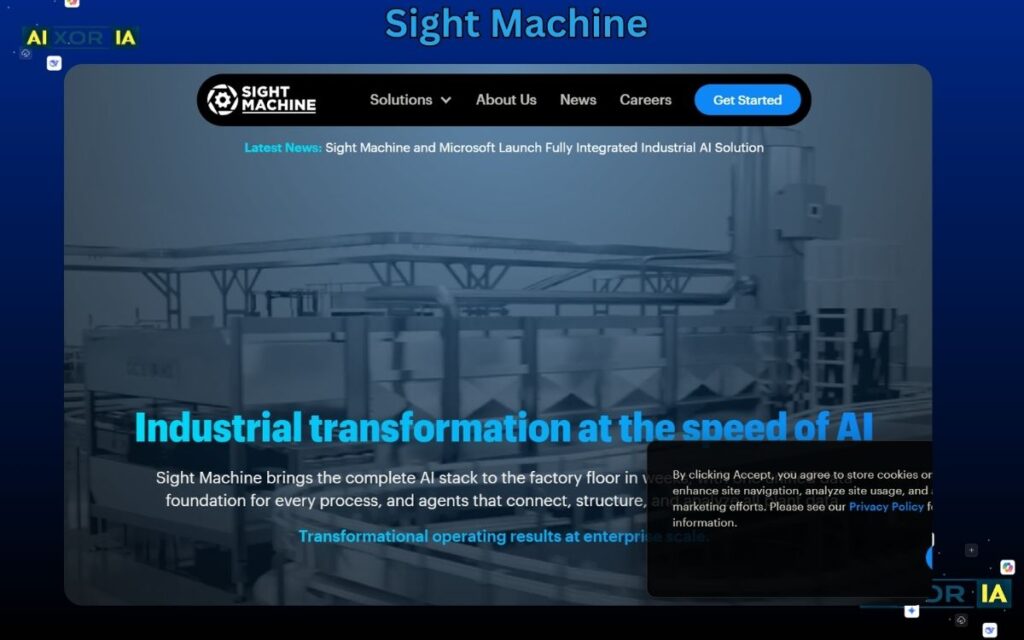
A digital twin is a virtual model of a factory production system. It allows engineers to simulate manufacturing processes before implementing real-world changes.
Sight Machine collects operational data from machines, sensors, and factory systems. This data is then used to build a digital representation of the entire production process.
With this digital twin, manufacturers can test different production strategies without risking real production downtime.
For example, engineers can simulate changes to production speed, material flow, or staffing levels and immediately see the potential impact on output and quality.
Key Features
- Digital twin simulations
- Production analytics dashboards
- Root cause analysis tools
- Factory process optimization
Real Experience
While reviewing manufacturing analytics platforms, I found that digital twin simulations in Sight Machine helped engineers detect hidden production bottlenecks that were difficult to identify through traditional monitoring.
4. Bright Machines
Bright Machines is a robotics-focused AI platform designed for automated manufacturing environments.
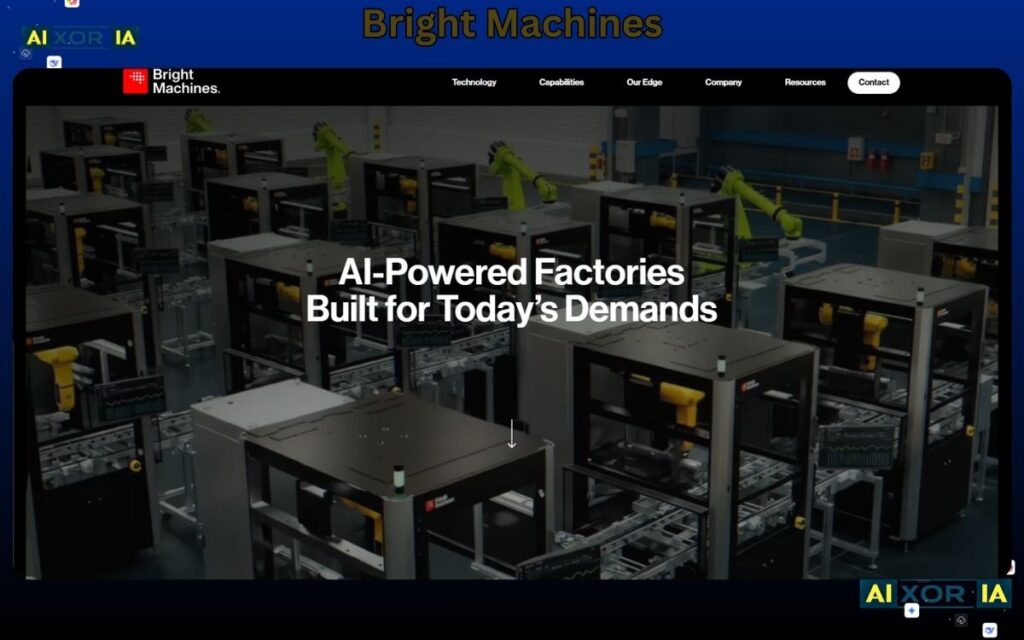
Traditional factories rely heavily on human labor for repetitive tasks such as assembly, inspection, and packaging. Bright Machines combines robotics, AI, and machine learning to automate these processes.
The platform enables manufacturers to deploy intelligent robotic systems capable of adapting to production changes. For example, AI-powered robots can detect defective components during assembly and automatically adjust the process.
Bright Machines also integrates computer vision systems that analyze images captured during production. These systems can identify defects such as scratches, misalignments, or missing components with extremely high accuracy.
Key Features
- Robotic assembly automation
- AI-powered visual inspection
- Adaptive production systems
- Smart factory automation
Real Experience
When exploring robotics automation platforms for a technology report, I observed that Bright Machines stood out for its ability to adapt robotic workflows quickly without requiring complex programming.
5. Uptake
Uptake specializes in industrial asset performance analytics.
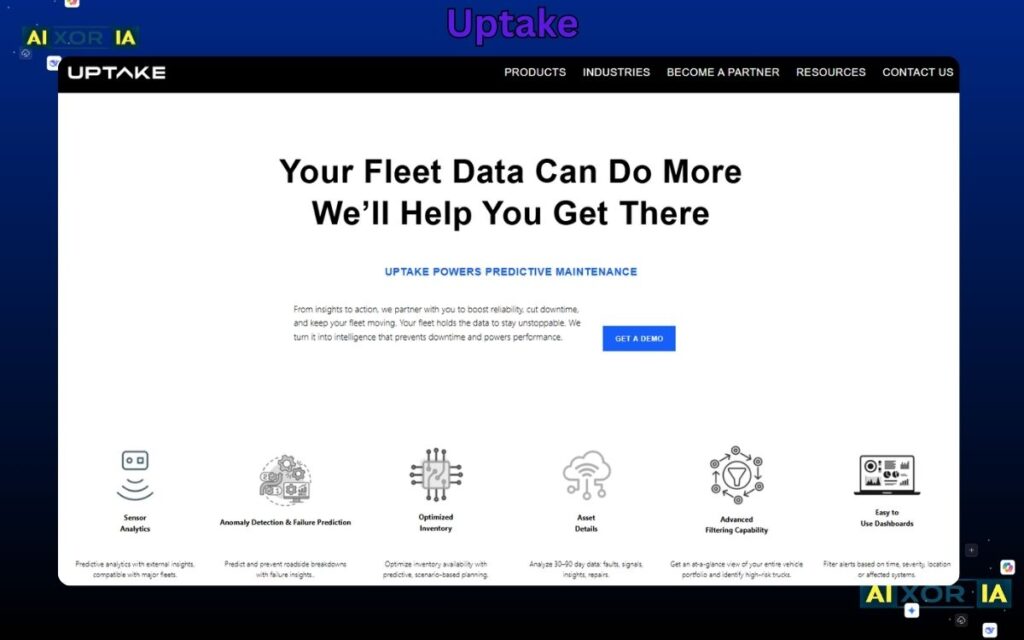
Large manufacturing companies often operate expensive equipment such as turbines, engines, or heavy machinery. Unexpected equipment failures can lead to massive financial losses.
Uptake analyzes machine sensor data using advanced machine learning algorithms. These algorithms detect patterns that indicate upcoming equipment failures.
Instead of performing maintenance based on fixed schedules, companies using Uptake perform maintenance only when data suggests it is necessary.
This approach significantly reduces maintenance costs while improving machine availability.
Key Features
- Asset performance analytics
- Predictive maintenance AI
- Equipment lifecycle management
- Industrial data analytics
Real Experience
While reviewing predictive maintenance tools, Uptake impressed me with its ability to identify small anomalies in equipment vibration patterns before they turned into serious mechanical failures.
6. FANUC FIELD System
FANUC FIELD System represents the growing trend of Edge AI in manufacturing.
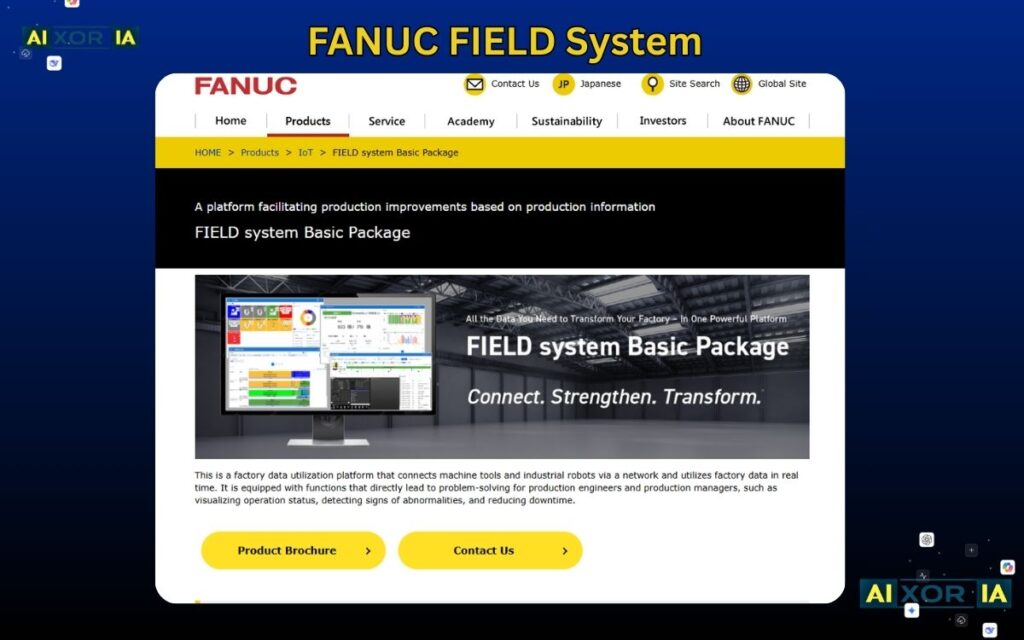
Unlike cloud-based analytics systems, the FIELD System processes data directly on the factory floor. This allows machines to react instantly to changing production conditions.
For example, if a robotic arm detects a defect in a product, the system can immediately adjust the production process without waiting for cloud analysis.
Edge AI significantly reduces latency, making it ideal for real-time manufacturing operations.
Key Features
- Edge AI processing
- Robot data integration
- Real-time production optimization
- Low-latency analytics
Real Experience
During research on Edge AI factories, the FANUC FIELD architecture stood out because it allowed robots to share learning insights locally without relying on constant cloud connectivity.
7. Rockwell FactoryTalk Analytics
Rockwell FactoryTalk Analytics is designed to analyze plant-wide manufacturing data.
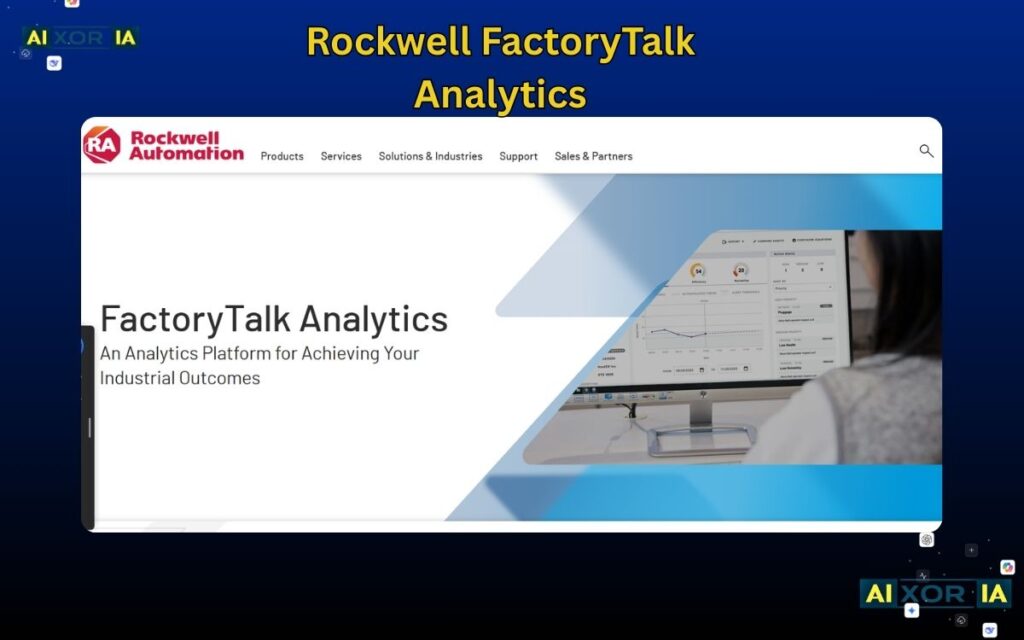
Factories generate massive amounts of operational data from machines, sensors, and production software. FactoryTalk Analytics collects this data and transforms it into insights that improve decision-making.
Plant managers can use the platform to monitor machine performance, detect inefficiencies, and optimize production schedules.
Key Features
- Industrial data analytics
- Machine performance monitoring
- Production optimization tools
- Predictive maintenance insights
Real Experience
In a production analytics comparison I conducted, FactoryTalk dashboards provided one of the clearest visualizations of plant-wide machine performance.
8. DELMIA
DELMIA is part of the digital manufacturing ecosystem developed by Dassault Systèmes.

The platform focuses on manufacturing simulation and production planning.
Engineers can simulate entire factory workflows before building physical production lines. This reduces planning risks and allows companies to test production strategies digitally.
Key Features
- Virtual production simulations
- Manufacturing process planning
- Digital factory visualization
- Collaboration tools
Real Experience
While researching manufacturing simulation platforms, DELMIA’s ability to model complete production lines made it particularly valuable for large industrial projects.
9. Zerynth
Zerynth is an industrial IoT platform that helps factories connect legacy machines to modern AI systems.

Many factories still use older equipment that lacks built-in connectivity. Zerynth solves this problem by enabling these machines to send data to modern analytics systems.
A key feature of Zerynth is energy consumption analysis. The platform monitors electricity usage across machines and identifies opportunities to reduce energy waste.
This capability is especially important in 2026 as manufacturers face increasing pressure to reduce carbon emissions.
Key Features
- Industrial IoT connectivity
- Energy consumption monitoring
- AI-driven production analytics
- Sustainability tracking
Real Experience
While reviewing sustainability analytics platforms, Zerynth stood out for its ability to track energy usage even on older machines that were not originally designed for digital monitoring.
Sustainability and Carbon Reduction in Smart Factories
Manufacturing companies are increasingly focusing on carbon footprint reduction.
AI tools help achieve this by:
- Monitoring energy consumption
- Optimizing machine usage
- Reducing production waste
Platforms like Zerynth and MindSphere allow factories to track electricity consumption at machine level. This data helps companies identify energy-inefficient equipment and reduce carbon emissions.
Final Thoughts
Artificial intelligence is rapidly transforming the manufacturing industry. From predictive maintenance to digital twins and Edge AI, modern factories are becoming more intelligent and efficient.
Manufacturers that adopt AI technologies today will gain a competitive advantage by reducing operational costs, improving product quality, and increasing production efficiency.
The AI tools discussed in this guide represent some of the most powerful technologies driving the future of smart manufacturing in 2026 and beyond.
2 thoughts on “Top 9 AI Tools for Manufacturing Industry”