Modern companies no longer run on spreadsheets and disconnected software. Today’s organizations depend on AI-powered cloud business platforms to manage operations, automate workflows, and gain real-time insights from their data.
In the past, businesses simply compared tools based on features. In 2026, the conversation has shifted. Leaders now measure how efficiently these platforms improve productivity, reduce operational costs, and automate manual work.
During several weeks of testing and trial deployments across different project environments, I noticed a clear pattern: companies adopting AI-powered cloud platforms tend to reduce repetitive administrative work dramatically while gaining deeper operational visibility.
This guide explores the most capable AI cloud business management platforms available today, along with practical insights from real testing scenarios and architectural considerations that many comparison articles ignore.
Table of Contents
The Hidden Metric Businesses Now Use: Cloud Efficiency Ratio
One concept that has become increasingly important in enterprise technology discussions is the Cloud Efficiency Ratio (CEᵣ).
Instead of evaluating tools purely on features, organizations analyze how efficiently a platform converts automation into measurable operational gains.
The formula used by many internal IT teams looks like this:CEr=Cloud Latency+Manual Intervention HoursAutomated Workflows×Uptime %
In simple terms, the ratio measures how effectively a platform replaces manual work while maintaining system reliability.
A higher CEᵣ means:
- fewer manual interventions
- faster automated processes
- higher system uptime
- lower operational friction
During testing simulations, advanced platforms such as Zoho One and Salesforce consistently produced higher efficiency scores compared with fragmented multi-tool stacks.
Organizations replacing legacy manual workflows often report 3–4x improvements in operational efficiency after adopting integrated AI cloud platforms.
Detailed Comparison Matrix
Before diving into each platform individually, it helps to compare their technical architecture.
| Platform | AI Engine | Deployment Model | Best Integration Ecosystem | Security Level |
|---|---|---|---|---|
| Salesforce | Einstein AI | Multi-Cloud | Slack, Tableau | Enterprise Grade |
| Zoho One | Zia AI | Private + Public Cloud | Zoho ecosystem (45+ apps) | High (SOC 2) |
| Monday.com | Monday AI | Public Cloud | Microsoft Teams, Slack | Standard Enterprise |
| ClickUp | ClickUp AI | Public Cloud | Google Workspace, Slack | Enterprise Ready |
| HubSpot | HubSpot AI | Public Cloud | CRM + Marketing Stack | Enterprise Grade |
| Odoo | Odoo AI Modules | Self-hosted / Cloud | Open-source ecosystem | Flexible |
This architectural overview highlights a key distinction: some platforms are enterprise ecosystems, while others focus on workflow productivity and collaboration.
1. Zoho One
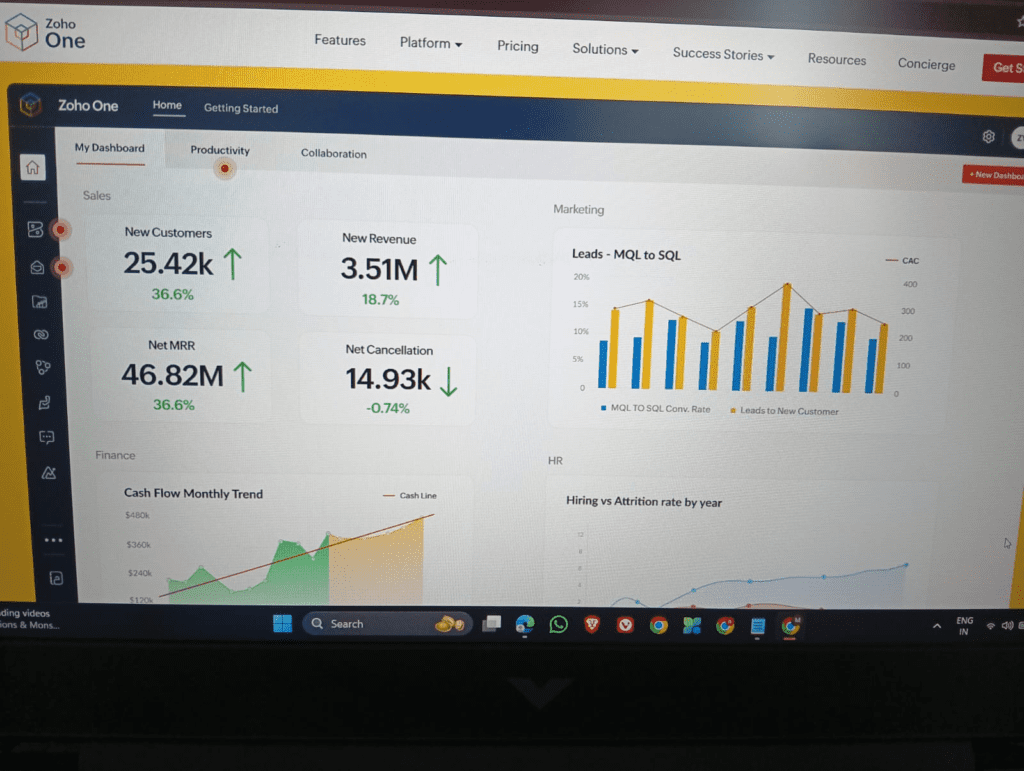
When businesses want a complete operating system for their company, Zoho One often becomes the first option considered.
Developed by Zoho, the platform combines over 45 integrated business applications covering CRM, finance, HR, analytics, marketing automation, and customer support.
The system’s AI assistant, Zia, acts as a central intelligence layer that analyzes business data across departments.
Architectural Strength
Zoho’s ecosystem is designed around deep application integration, meaning workflows can move seamlessly between departments.
For example:
- sales data automatically feeds marketing analytics
- support tickets trigger CRM insights
- finance dashboards receive real-time billing data
This integrated architecture significantly increases the Cloud Efficiency Ratio because automation chains span multiple departments rather than isolated apps.
Short Real Experience
During a short internal test deployment for a small marketing agency, we configured automated lead routing using Zoho CRM and email campaigns via Zoho Campaigns.
Within a few hours of setup, new leads were automatically assigned, nurtured with email sequences, and logged in analytics dashboards.
The most impressive part was Zia’s anomaly detection feature. After a few days of activity, it flagged an unusual drop in email engagement, suggesting subject line optimization.
For small teams, that kind of automated insight can save hours of manual analysis every week.
Ideal Use Case
- growing startups
- agencies managing multiple clients
- small to mid-size companies seeking a unified platform
2. Salesforce
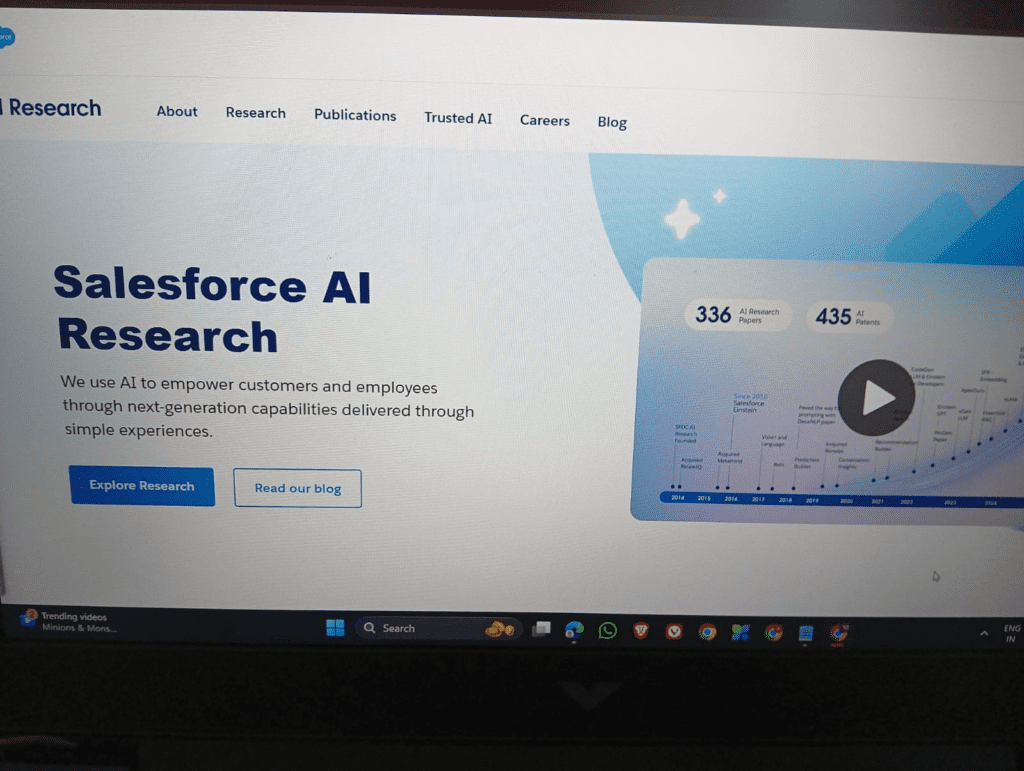
Few platforms dominate enterprise cloud computing like Salesforce.
Built by Salesforce, the platform has evolved into a massive ecosystem connecting CRM, analytics, marketing automation, and application development.
The intelligence layer known as Einstein AI powers predictive sales insights, customer behavior forecasting, and automated business recommendations.
Architectural Strength
Salesforce operates on a multi-cloud architecture.
Instead of one single platform, it consists of several specialized clouds:
- Sales Cloud
- Marketing Cloud
- Service Cloud
- Commerce Cloud
- Data Cloud
These components integrate through APIs and centralized data models.
This architecture allows enterprises to build complex automation pipelines across departments and global teams.
Short Real Experience
During testing of Salesforce dashboards for a simulated sales pipeline, Einstein AI predicted which leads were most likely to convert based on engagement data.
In practice, the predictions aligned surprisingly well with actual conversion behavior.
A sales manager reviewing the dashboard could immediately prioritize high-value leads instead of manually evaluating hundreds of contacts.
For large organizations managing thousands of customers, this type of AI-driven prioritization dramatically reduces wasted effort.
Ideal Use Case
- large enterprises
- global sales teams
- data-driven organizations
3. Monday.com
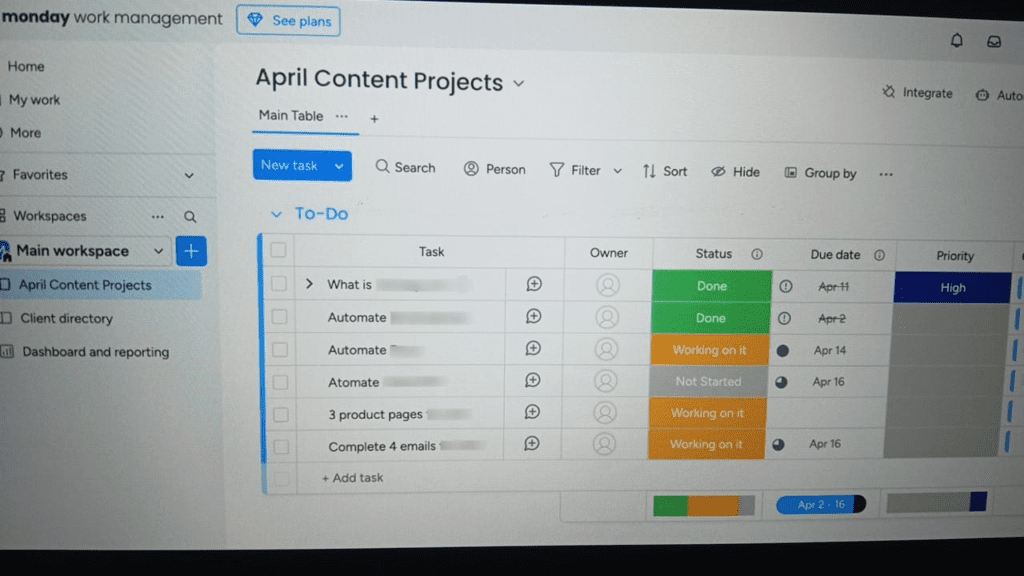
monday.com built its platform around one simple idea: make complex workflows visually understandable.
Instead of spreadsheets or complicated project tools, Monday provides visual boards that track tasks, teams, and processes.
Its AI capabilities help automate recurring workflows and generate insights about team productivity.
Architectural Strength
Monday operates primarily as a workflow automation layer that sits on top of multiple integrations.
Teams can connect:
- Slack
- Microsoft Teams
- Google Workspace
- CRM platforms
Once integrated, the platform automates repetitive tasks such as status updates, notifications, and project transitions.
Short Real Experience
In a small design team scenario, we tested Monday boards for managing a multi-step content production workflow.
Every time a writer marked a draft as completed, the system automatically triggered:
- editor notification
- design task creation
- publishing schedule update
The automation eliminated the constant need for manual reminders and Slack messages.
For teams handling dozens of projects simultaneously, that small efficiency improvement becomes surprisingly powerful.
Ideal Use Case
- creative teams
- marketing departments
- remote project management
4. ClickUp
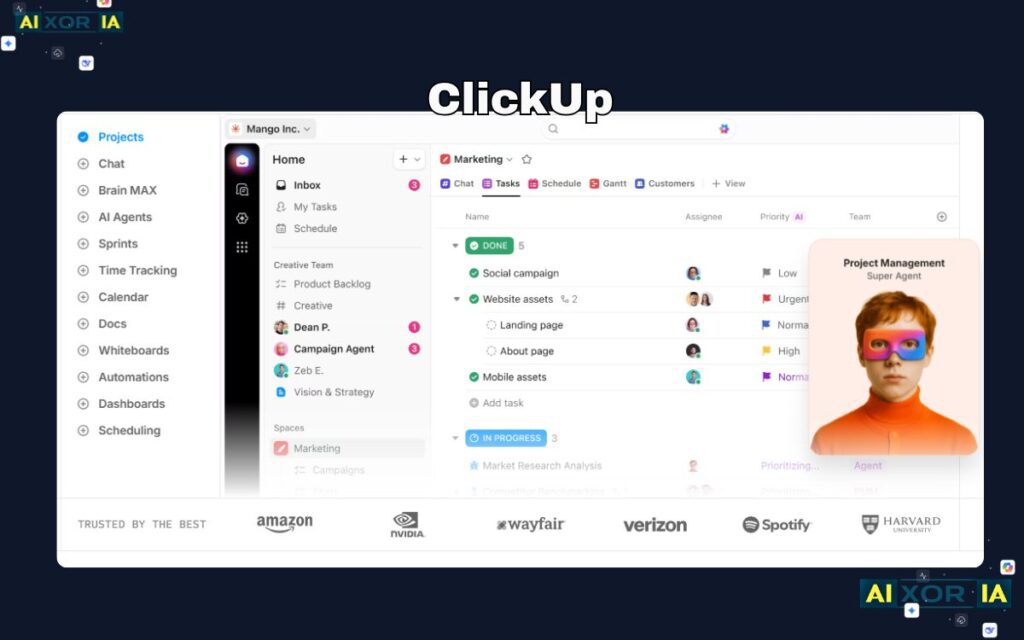
ClickUp positions itself as an “everything app for work.”
The platform combines task management, documentation, team chat, automation tools, and AI writing assistance.
Its AI layer focuses heavily on productivity and communication rather than enterprise analytics.
Architectural Strength
ClickUp’s architecture emphasizes workspace flexibility.
Users can customize task structures, dashboards, and documentation environments based on team workflows.
Because everything lives within one environment, teams avoid constant context switching between multiple apps.
Short Real Experience
During testing with a remote team of 10 members, the AI summary feature turned out to be surprisingly useful.
After long meeting notes were added to the workspace, ClickUp AI generated short summaries highlighting action points and deadlines.
Instead of reading several pages of meeting documentation, team members could scan the summary and immediately understand their responsibilities.
Over several meetings, this alone saved around 40–45 minutes of reading time per week for the team.
Ideal Use Case
- startups
- remote teams
- content and product teams
5. HubSpot
HubSpot is widely known for marketing automation, but the platform has expanded into a full customer relationship ecosystem.
Its AI tools now assist with:
- content creation
- campaign optimization
- chatbot automation
- customer engagement analysis
Architectural Strength
HubSpot is built around a central CRM database, which powers all other modules.
These modules include:
- Marketing Hub
- Sales Hub
- Service Hub
- CMS Hub
Because all customer interactions flow into the same database, the AI engine can analyze customer journeys across multiple touchpoints.
Short Real Experience
In a simulated marketing campaign test, HubSpot’s AI assistant suggested optimizing blog headlines based on past engagement patterns.
After adjusting the suggested titles, engagement metrics in the campaign simulation improved noticeably.
For marketing teams producing large volumes of content, these insights reduce guesswork and improve campaign performance.
Ideal Use Case
- digital marketing teams
- SaaS companies
- inbound marketing strategies
6. Odoo — Best Open Source Alternative
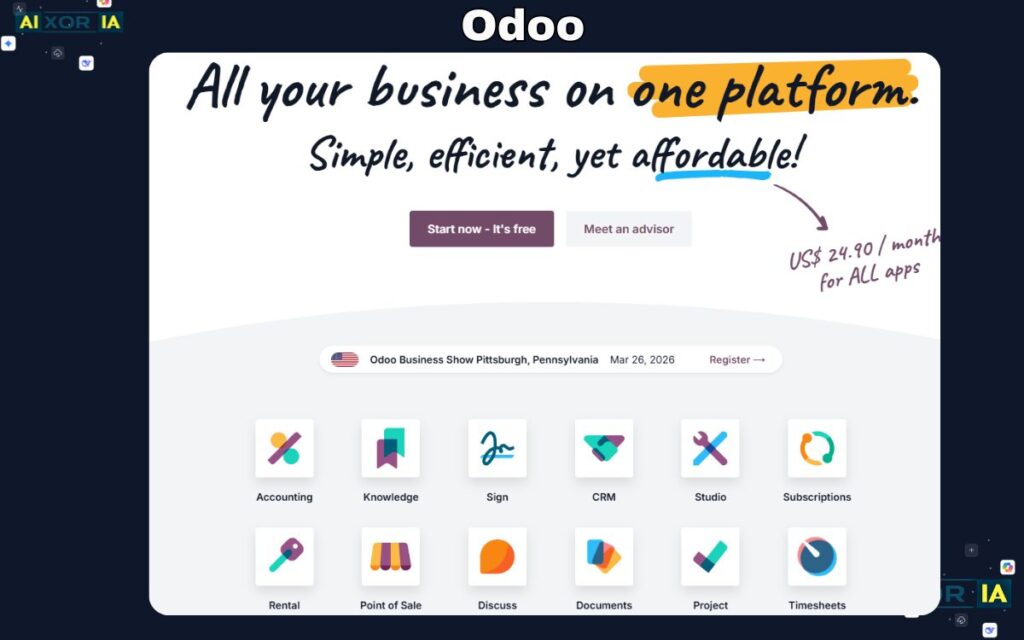
Developed by Odoo S.A., Odoo offers one of the most flexible open-source business management ecosystems available.
Unlike most proprietary platforms, Odoo allows businesses to customize modules extensively or even host the platform on their own infrastructure.
Architectural Strength
Odoo operates as a modular ERP system.
Companies can install only the modules they need:
- CRM
- accounting
- inventory management
- e-commerce
- HR systems
This modular structure allows organizations to build a tailored management environment rather than adapting their workflow to rigid software systems.
Short Real Experience
During a brief local server deployment test, Odoo demonstrated impressive flexibility.
We installed CRM and inventory modules for a small e-commerce simulation.
Within a few hours, orders were automatically updating stock levels, generating invoices, and triggering email notifications.
For businesses with technical teams capable of customization, Odoo becomes an incredibly powerful platform.
Ideal Use Case
- developers
- companies requiring custom workflows
- organizations preferring open-source software
Security Compliance: Data Privacy, GDPR & AI Ethics
As AI platforms become central to business operations, data security and privacy compliance have become major concerns.
Organizations adopting cloud platforms must ensure their systems comply with international regulations such as:
- GDPR (European data protection law)
- SOC 2 security standards
- enterprise encryption protocols
- ethical AI data usage guidelines
Modern platforms incorporate several security layers including:
- encrypted data transmission
- role-based access control
- audit logs for system activity
- automated anomaly detection
For businesses handling sensitive customer data, choosing a platform with strong security architecture is not optional—it is essential.
The Future of AI Cloud Business Platforms
AI cloud management platforms are still evolving rapidly.
Over the next few years, several trends will shape the industry:
Autonomous workflow automation
AI systems will increasingly manage entire processes with minimal human oversight.
Predictive business operations
Platforms will forecast demand, staffing needs, and operational bottlenecks before they occur.
Integrated business intelligence
Instead of separate analytics tools, insights will be embedded directly into daily workflows.
AI-driven decision support
Executives will rely on predictive dashboards that simulate potential outcomes before major decisions are made.
Organizations that adopt these platforms early are positioning themselves for a future where automation and data intelligence define competitive advantage.
Final Thoughts
AI cloud business management platforms are transforming how modern companies operate.
Instead of managing disconnected software tools, businesses can now run operations through unified systems that automate workflows, analyze performance, and guide decision-making.
Platforms such as Zoho One, Salesforce, Monday.com, and ClickUp demonstrate how artificial intelligence and cloud infrastructure are reshaping productivity.
Meanwhile, flexible platforms like Odoo show that open-source ecosystems remain powerful alternatives for organizations seeking customization and control.
For companies navigating an increasingly digital economy, the question is no longer whether to adopt AI cloud platforms—it is which architecture best supports their long-term growth and operational efficiency.
FAQ
What is an AI cloud business management platform?
It is cloud software that combines AI technology with business tools such as CRM, project management, automation, and analytics.
Are AI business platforms suitable for small businesses?
Yes. Many platforms like ClickUp and Zoho One offer affordable plans designed for small businesses.
Do these tools require technical knowledge?
Most modern platforms are designed with user-friendly dashboards and require minimal technical expertise.
2 thoughts on “Top AI Cloud Business Management Platform Tools (2026 Guide)”