Artificial intelligence tools are no longer limited to generating text or answering questions. In 2026, the most powerful platforms operate as autonomous AI assistants capable of reasoning, generating content, and executing complex workflows across apps.
The top 5 AI tools in 2026 for productivity and creativity are ChatGPT, Midjourney, Canva AI, GitHub Copilot, and Notion AI.
These tools have evolved into AI agents that help professionals automate tasks, generate creative work, and manage knowledge workflows, often saving 15–20 hours of work per week.
Instead of replacing humans, these AI systems function as productivity multipliers, helping individuals and teams perform complex tasks faster and with better accuracy.
Table of Contents
The 2026 AI Utility Matrix (Quick Comparison)
| Tool | Primary Use Case | Best AI Feature | Pricing |
|---|---|---|---|
| ChatGPT | General intelligence & automation | Multimodal voice, reasoning, coding | Free / Paid tiers |
| Midjourney | High-fidelity AI art | Personal artistic style training | Subscription |
| Canva AI | Marketing design automation | Magic Media & layout generation | Freemium |
| GitHub Copilot | Software engineering | Context-aware coding assistance | Individual / Business |
| Notion AI | Knowledge management | AI project organization | Workspace add-on |
AI Productivity Multiplier (How AI Improves Efficiency)
Researchers and productivity analysts often measure the effectiveness of AI tools using a simple model.
AI Productivity MultiplierMai=AI Prompt Time + Verification TimeManual Task Time
If a task normally takes 4 hours manually but takes 1 hour with AI plus verification, the multiplier becomes:Mai=4
This means productivity increases four times faster.
Many developers report a multiplier between 3x and 6x when using modern AI tools.
READ MORE – Best AI Tools for Teachers
1. ChatGPT — Best AI Tool for Reasoning, Writing, and Automation
ChatGPT has become one of the most versatile AI platforms in the world. Built by OpenAI, the tool has evolved from a conversational chatbot into a powerful multi-modal AI assistant capable of text generation, coding, reasoning, image analysis, and voice interaction.
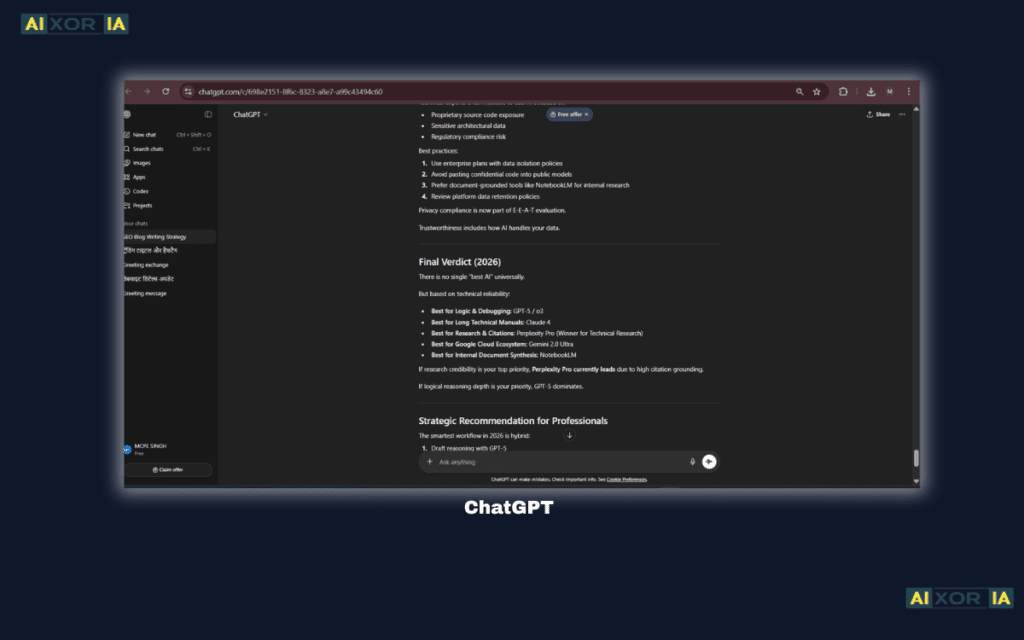
In 2026, ChatGPT functions less like a chatbot and more like a digital operating system for knowledge work. Users can integrate it with productivity apps, databases, and external tools to automate workflows.
For example, marketers use ChatGPT to generate campaign strategies, developers use it to debug code, and students rely on it to explain complex concepts in simplified language.
One of the most important advancements is agentic capability. ChatGPT can now perform tasks across multiple steps, such as:
- researching a topic
- summarizing findings
- drafting an article
- formatting it for publishing
This ability transforms ChatGPT from a simple assistant into a task-executing AI system.
Another advantage is its multi-modal intelligence. Users can combine text, voice commands, and images within a single workflow, making it easier to analyze documents, generate reports, or create creative content.
For professionals managing large amounts of information daily, ChatGPT serves as a central productivity hub.
Real Experience
During content research, I often use ChatGPT to analyze long reports and summarize them into structured outlines. A process that previously took hours now takes less than 15 minutes.
2. Midjourney — Best AI Tool for High-Quality AI Art
Midjourney is widely regarded as one of the most advanced AI image generators available today. It allows users to transform text prompts into detailed, visually stunning images that often rival professional artwork.
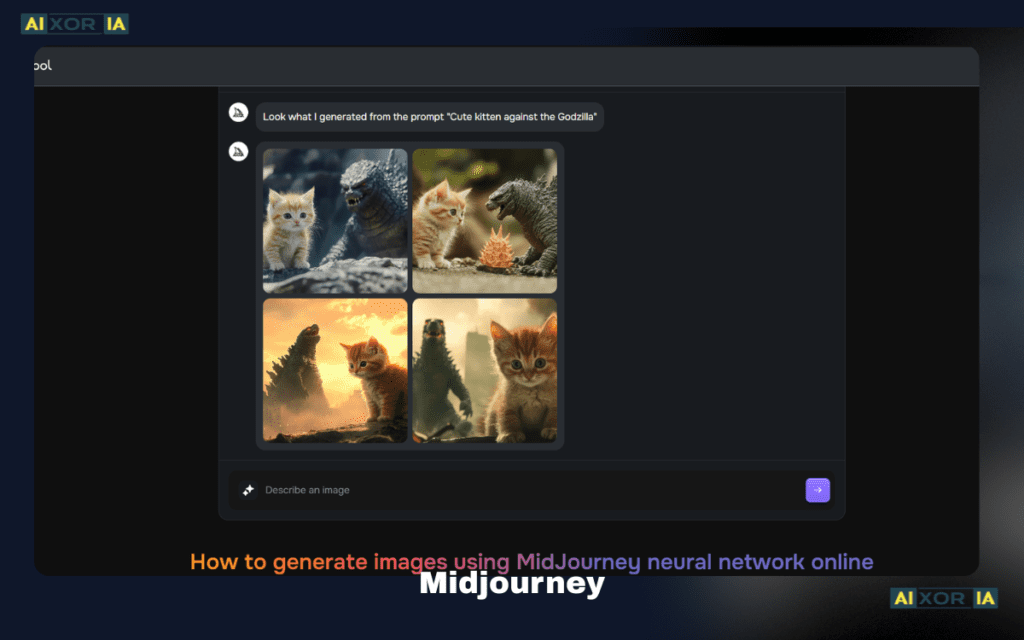
What sets Midjourney apart from many AI image tools is its artistic depth and realism. The system is trained to interpret creative prompts with remarkable nuance, producing images with cinematic lighting, complex textures, and sophisticated composition.
In 2026, Midjourney has evolved beyond simple text-to-image generation. The platform now allows users to train personal artistic styles, enabling designers to maintain a consistent visual identity across projects.
For example, a marketing agency can create an entire campaign using images that share the same artistic tone and brand aesthetics.
Another powerful feature is prompt layering, which allows users to combine multiple instructions to control lighting, camera angles, artistic style, and environmental details.
This level of control makes Midjourney a favorite among:
- digital artists
- filmmakers
- game designers
- creative agencies
As visual content becomes increasingly important in marketing and storytelling, tools like Midjourney are reshaping how visual assets are produced.
Instead of spending hours designing complex illustrations from scratch, creators can generate high-quality visuals within minutes.
Real Experience
When experimenting with blog graphics, I generated multiple unique hero images in Midjourney within minutes. Previously, finding or designing similar visuals could take several hours.
3. Canva AI — Best Tool for Instant Marketing Design
Canva has transformed from a simple design platform into a comprehensive AI-powered marketing toolkit. With the introduction of AI features such as Magic Design and Magic Media, users can create professional graphics almost instantly.
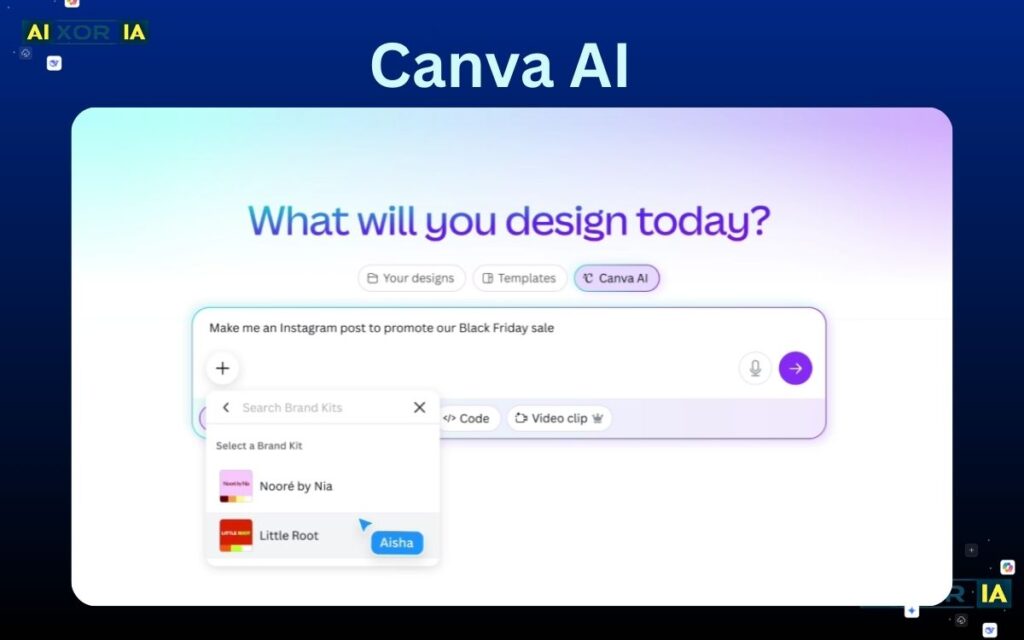
In 2026, Canva AI can automatically generate design layouts based on a short prompt or uploaded content. For example, users can paste a blog article into Canva, and the system will automatically generate:
- social media graphics
- presentation slides
- marketing visuals
This automation makes Canva extremely useful for entrepreneurs, marketers, and content creators who need high-quality visuals without hiring a professional designer.
One of the most powerful capabilities is AI layout intelligence, which analyzes visual hierarchy and adjusts typography, spacing, and color balance automatically.
Canva also integrates with brand kits, ensuring that every generated design maintains consistent colors, fonts, and visual identity.
This combination of automation and accessibility has made Canva one of the most widely used design tools in the world.
Rather than replacing designers, Canva acts as a creative accelerator, enabling teams to produce visual assets much faster.
Real Experience
When creating blog graphics, I tested Canva AI to generate social media banners automatically. The platform produced usable designs in seconds, saving significant editing time.
4. GitHub Copilot — Best AI Tool for Developers
GitHub Copilot has revolutionized the way developers write code. Integrated directly into coding environments, it acts as an intelligent coding partner capable of suggesting lines of code, completing functions, and even generating entire scripts.
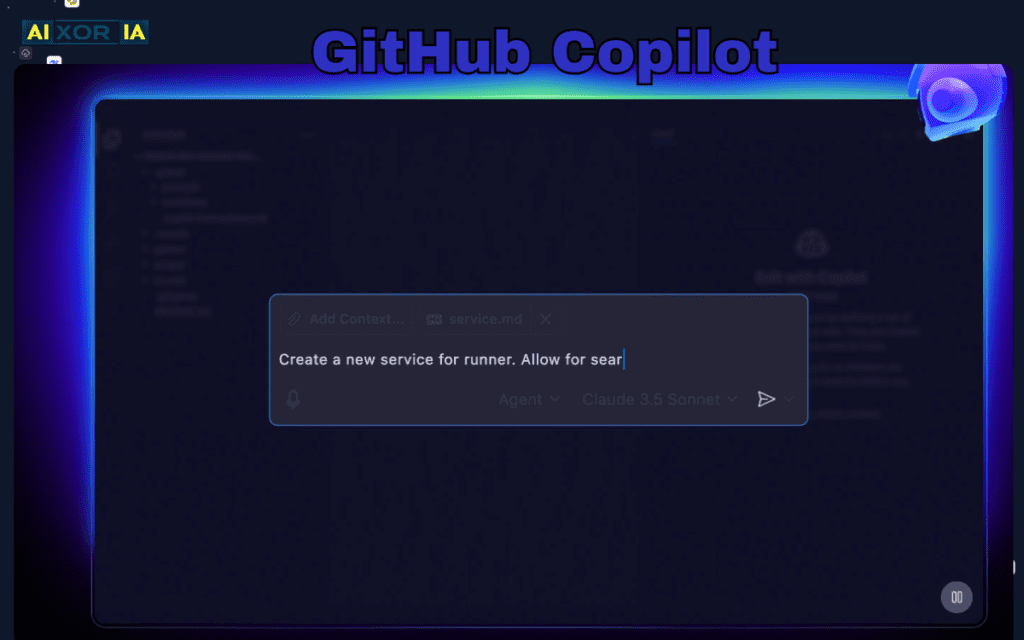
Developed by GitHub with support from Microsoft, Copilot is designed to understand the context of a developer’s project.
Instead of simply predicting the next line of code, it analyzes the surrounding files and suggests solutions that align with the overall structure of the program.
One of the most valuable aspects of GitHub Copilot is its ability to reduce repetitive coding tasks.
For example, developers can describe a function in plain language, and Copilot will generate a working implementation.
This dramatically speeds up development workflows.
Using the AI productivity multiplier model, many programmers report a multiplier between 3x and 5x when using Copilot effectively.
This means developers can build prototypes and applications significantly faster than before.
Real Experience
While experimenting with a small coding project, Copilot generated several function templates automatically. It reduced repetitive typing and helped me focus more on logic rather than syntax.
5. Notion AI — Best AI Tool for Knowledge Management
Notion has become one of the most powerful productivity platforms for individuals and teams. With the addition of AI features, the platform now acts as an intelligent knowledge management system.
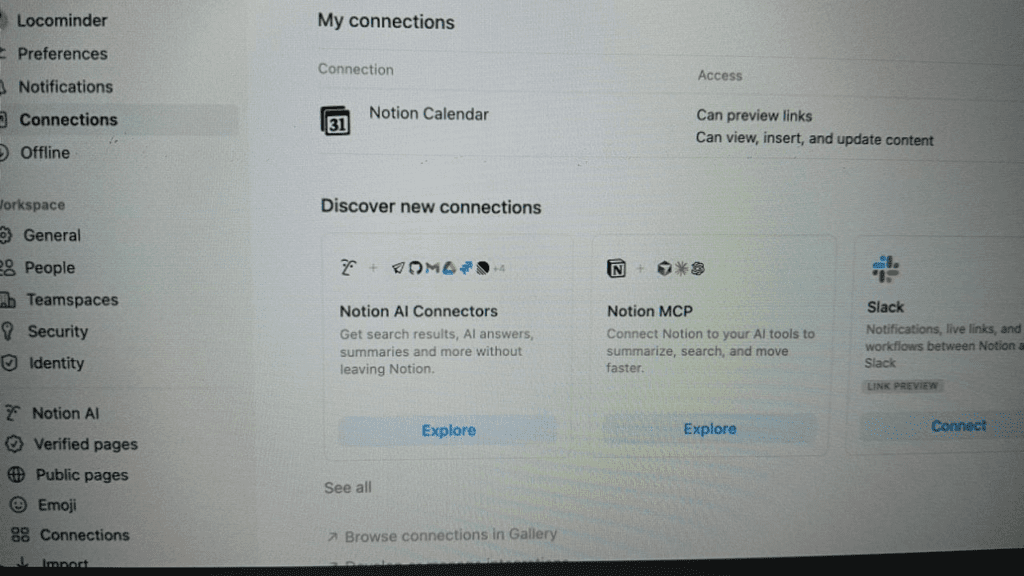
Notion AI helps users organize notes, summarize documents, generate reports, and manage projects more efficiently.
One of its most valuable capabilities is contextual document understanding.
Instead of generating generic content, Notion AI analyzes the structure of an existing workspace and generates responses based on internal documents and project notes.
This makes it especially useful for teams managing large amounts of information.
Another powerful feature is automated workflow generation. For example, after a meeting transcript is added to Notion, the AI can automatically generate:
- meeting summaries
- action items
- project timelines
This turns Notion into more than a note-taking app—it becomes a central hub for team intelligence.
For remote teams and content-driven organizations, tools like Notion AI significantly reduce the time required to manage documentation and planning.
Real Experience
When organizing research notes, I tested Notion AI to summarize several pages of text. The AI generated a clean summary and task list within seconds.
READ MORE – AI Tools for Productivity
How Professionals Combine These AI Tools
Most experts don’t rely on just one AI tool.
Instead, they create AI workflows, for example:
- ChatGPT for research and writing
- Midjourney for visuals
- Canva AI for marketing graphics
- GitHub Copilot for technical development
- Notion AI for documentation and planning
This ecosystem approach can dramatically improve productivity.
Final Thoughts
Artificial intelligence tools are evolving rapidly, and the platforms leading the industry today combine creativity, reasoning, and automation.
Tools like ChatGPT, Midjourney, Canva AI, GitHub Copilot, and Notion AI are shaping how professionals write, design, code, and manage knowledge.
Rather than replacing human creativity, these tools amplify it.
Learning how to integrate AI effectively into daily workflows may become one of the most valuable skills of the modern digital economy.
Frequently Asked Questions (FAQ)
What are the most popular AI tools in 2026?
The most popular AI tools in 2026 include ChatGPT, Midjourney, Canva AI, GitHub Copilot, and Notion AI.
These tools are widely used for tasks such as writing content, generating images, designing marketing materials, coding software, and managing productivity workflows. Many professionals combine multiple AI tools together to automate their daily tasks and improve efficiency.
Which AI tool is best for beginners?
For beginners, ChatGPT and Canva AI are often considered the easiest AI tools to start with.
ChatGPT allows users to ask questions and generate content using simple text prompts, while Canva AI provides drag-and-drop design tools that automatically generate graphics and layouts.
Both platforms require little technical knowledge and are widely used by students, bloggers, and small businesses.
Are AI tools free to use?
Many AI tools offer free versions with limited features, while advanced capabilities are usually available through paid subscriptions.
For example:
ChatGPT offers free access with optional premium upgrades.
Canva AI provides a freemium design platform.
GitHub Copilot typically requires a subscription for full developer features.
Free versions are usually sufficient for beginners, but professionals often upgrade to access more powerful AI capabilities.
How do AI tools improve productivity?
AI tools improve productivity by automating repetitive tasks and accelerating complex workflows.
For example:
GitHub Copilot can automatically suggest code while developers write software.
Notion AI can summarize documents and generate meeting notes.
Midjourney can create detailed images from simple text prompts.
By reducing manual work, AI systems allow professionals to focus more on creativity and strategy.
4 thoughts on “Which Are the Top 5 AI Tools in 2026?”