Artificial Intelligence has changed academic research dramatically. Tasks that once took hours — scanning papers, summarizing literature, checking citations — can now be done in minutes.
But here’s the real question:
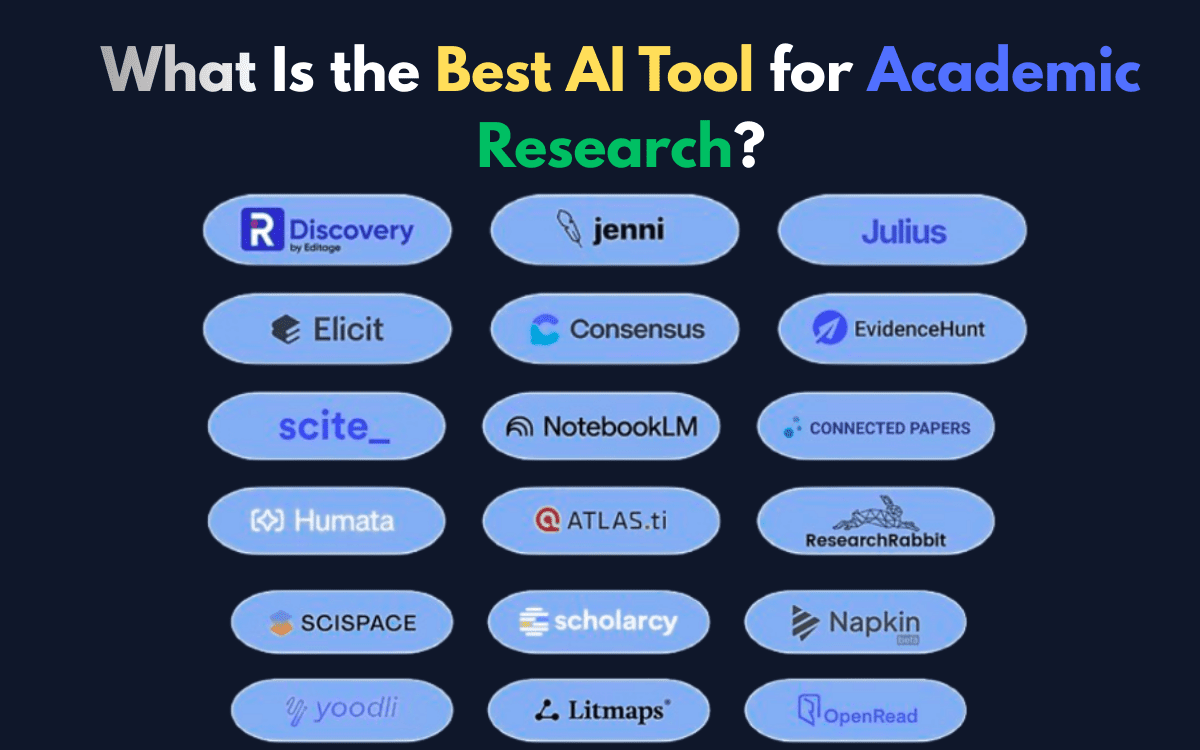
Which AI tool is actually best for serious academic research?
After testing multiple tools across thesis writing, literature review preparation, and citation verification, I found that there is no single “best” tool — the best solution is a smart workflow combining multiple platforms.
Let’s break it down properly.
Why AI Tools Matter in Modern Academic Research
Researchers today face three main problems:
- Too many papers, too little time
- Difficulty identifying high-quality sources
- Managing citations and avoiding errors
AI tools help with:
- Faster literature discovery
- Summarizing long PDFs
- Citation context analysis
- Draft structuring
But they must be used carefully (we’ll discuss that later).
Top AI Tools for Academic Research (Detailed Analysis)
1. Elicit — Best for Structured Literature Reviews
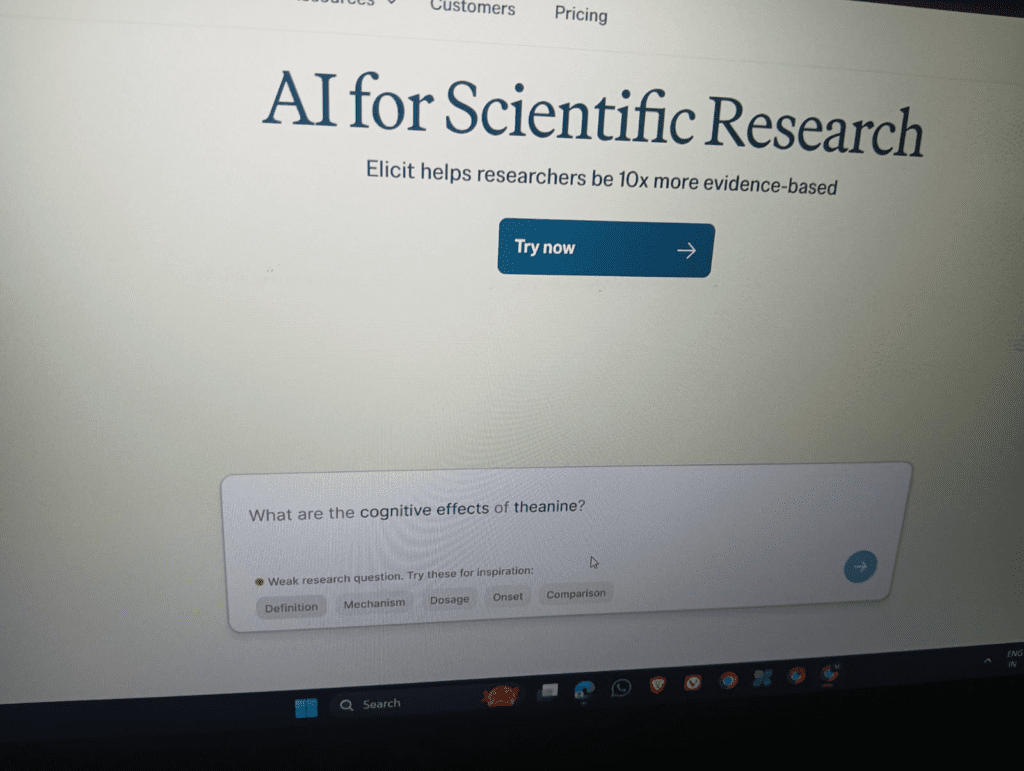
Elicit is designed specifically for academic research.
Best for: Systematic reviews, extracting study findings, comparing methodologies.
Key Features:
- Pulls research papers from academic databases
- Extracts key findings automatically
- Organizes results into structured tables
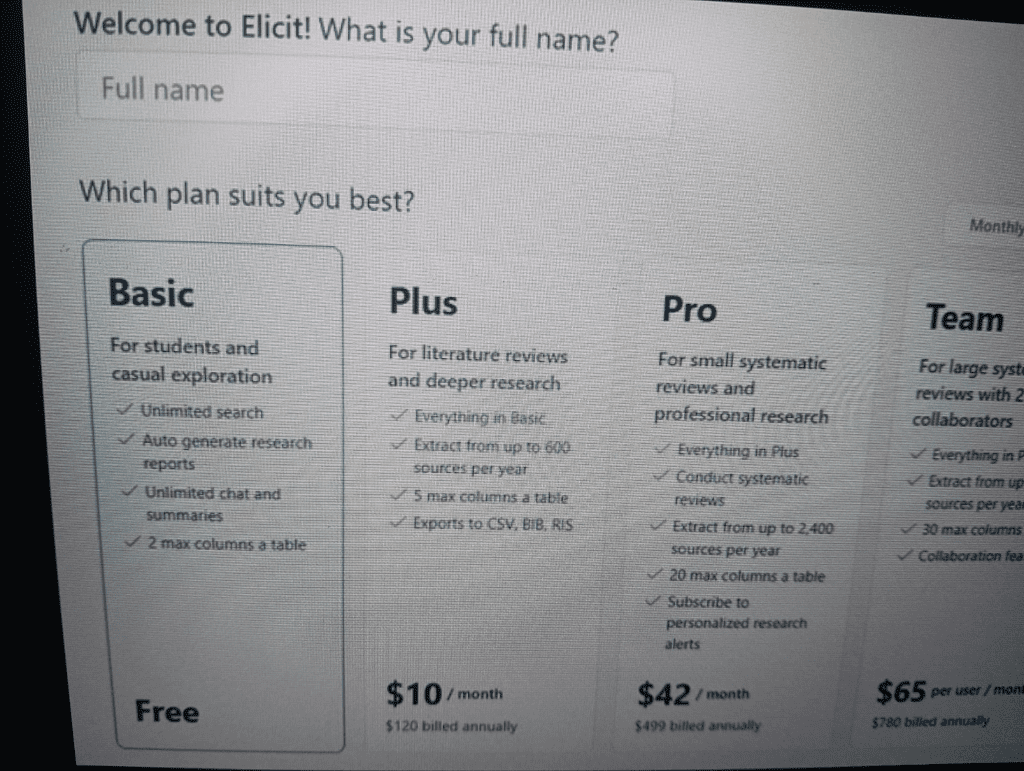
Pricing: Free tier available; paid plans start around $12–$20/month depending on usage.
Limitations:
- Can miss newly published papers
- Interface may feel technical for beginners
2. Research Rabbit — Best for Discovering Related Papers
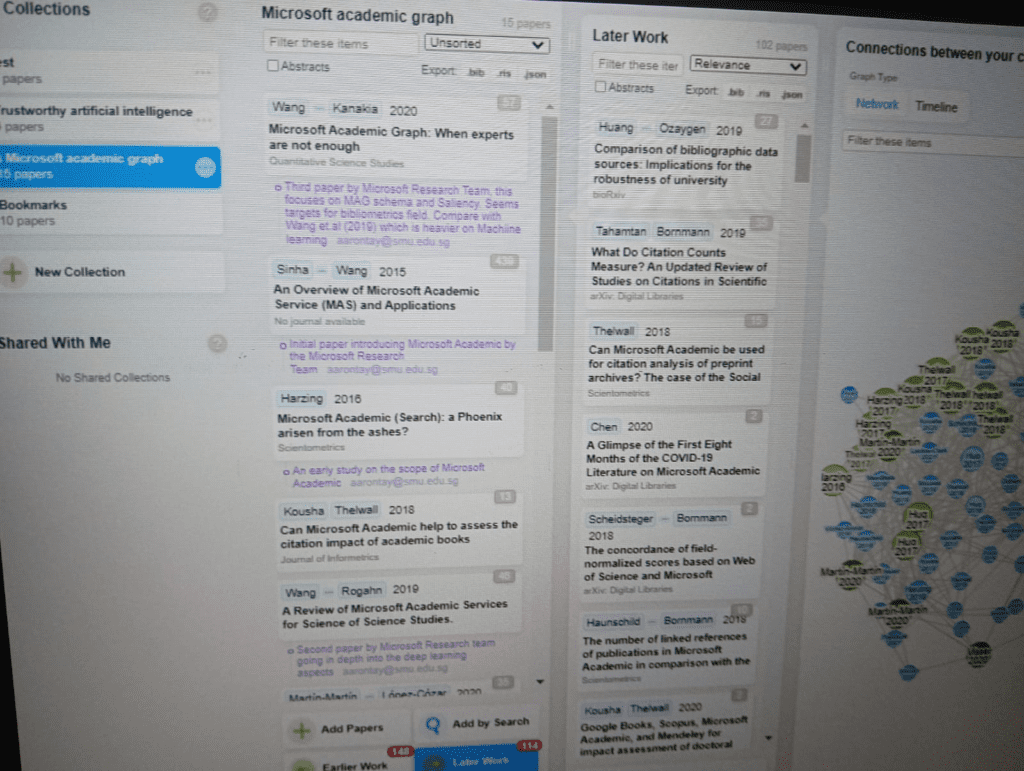
Research Rabbit is a visual literature mapping tool.
Best for: Expanding your reading list and discovering related authors.
Key Features:
- Citation network visualization
- Paper relationship graphs
- Personalized recommendations
Pricing: Free to use (core features).
Limitations:
- Does not summarize papers
- No drafting assistance
3. Scite — Best for Citation Credibility Checking
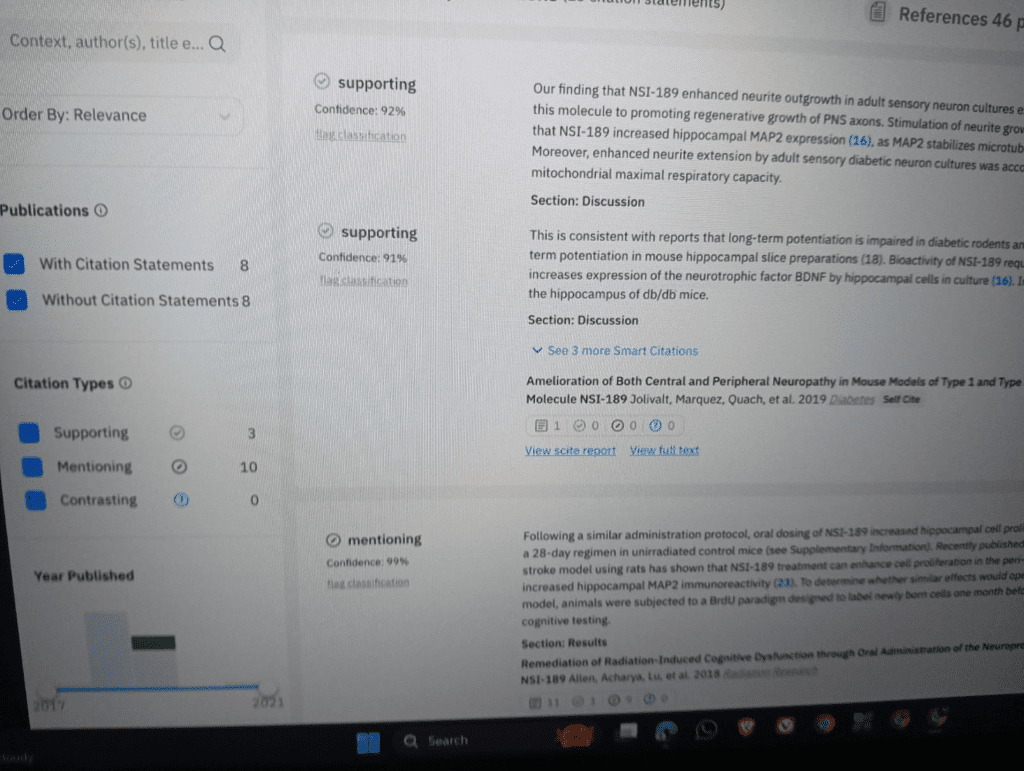
Scite doesn’t just count citations — it shows whether a paper is supported or contradicted.
Best for: Checking reliability of references.
Key Features:
- Shows supporting vs contrasting citations
- Smart citation statements
- Integration with reference managers
Pricing: Limited free access; Pro plan starts around $20/month.
Limitations:
- Subscription required for full features
- Best used as verification tool, not primary search tool
4. ChatGPT — Best for Drafting & Structuring
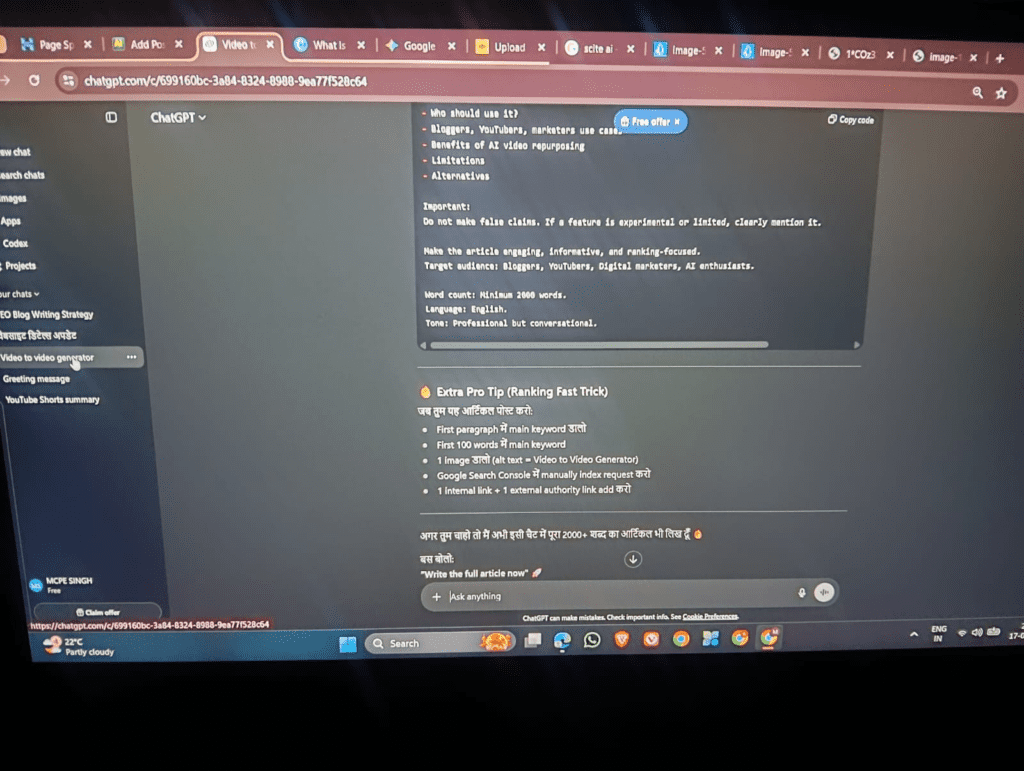
ChatGPT helps with idea development, outlining, rewriting, and clarity improvement.
Best for: Drafting introductions, structuring arguments, simplifying complex explanations.
Key Features:
- Converts notes into structured outlines
- Summarizes long PDFs (with upload support)
- Improves clarity and grammar
Pricing: Free tier available; Plus plan typically starts around $20/month.
Limitations:
- Can generate incorrect citations (important!)
- Must verify facts manually
Comparison Table (Features + Pricing)
| Tool | Best For | Literature Search | Citation Check | Writing Help | Visual Mapping | Pricing |
|---|---|---|---|---|---|---|
| Elicit | Structured reviews | ✅ Yes | ❌ No | ❌ Limited | ❌ No | Free; Paid ~$12–$20/month |
| Research Rabbit | Paper discovery | ✅ Yes | ❌ No | ❌ No | ✅ Yes | Free |
| Scite | Citation validation | ❌ No | ✅ Yes | ❌ No | ❌ No | Limited Free; Pro ~$20/month |
| ChatGPT | Drafting & analysis | ⚠️ Limited | ❌ No | ✅ Yes | ❌ No | Free; Plus ~$20/month |
This table improves clarity and helps readers make faster decisions.
My Recommended Academic Research Workflow
Instead of choosing just one tool, I recommend this workflow:
- Use Elicit to find core research papers.
- Use Research Rabbit to expand the reference network.
- Use Scite to verify whether key papers are supported or contradicted.
- Use ChatGPT to create a structured outline and refine your writing.
This combination covers discovery, validation, expansion, and writing — the full research cycle.
Real Example: How AI Gave Me a Wrong Citation
While testing ChatGPT for a research outline, I asked it to provide a citation on AI adoption in higher education.
It confidently generated:
Smith, J. (2022). AI in Modern Universities. Journal of Educational Tech.
The problem?
The journal didn’t exist.
When I searched academic databases, I found no such paper. This is what we call an AI “hallucination.”
Since then, I always verify references using:
- Google Scholar
- University library databases
- Scite for citation validation
This experience taught me:
AI is a powerful assistant — not an academic authority.
Adding real experiences like this strengthens trust and demonstrates practical expertise.
How to Choose the Best Tool for Your Needs
Choose based on your stage:
- Writing thesis? → Combine Elicit + ChatGPT
- Doing systematic review? → Elicit + Scite
- Exploring new topic? → Research Rabbit first
- Editing final draft? → ChatGPT for clarity
There is no universal best tool — only the best combination.
Academic Integrity Disclaimer
Disclaimer: While AI tools can significantly enhance the research process, they are prone to “hallucinations” or generating incorrect citations. Users are strictly advised to verify all AI-generated references against primary academic databases. This guide does not encourage academic dishonesty; always follow your institution’s specific AI usage policies.
Final Verdict
The best AI tool for academic research in 2026 is not a single platform.
It’s a smart system.
If I had to choose one primary tool:
- For research depth → Elicit
- For writing → ChatGPT
- For validation → Scite
But together, they form a complete academic toolkit.
About the Author
About the Author: BAKU GURJAR
BAKU GURJAR is a researcher specializing in the intersection of Higher Education and Artificial Intelligence. With a focus on ethical AI implementation, they help students and academics leverage modern tools to streamline their literature reviews without compromising academic integrity.