If you still think conversational AI means “typing into a chatbot,” you’re already outdated.
In 2026, conversational AI is no longer just text-based.
It listens.
It sees.
It remembers.
It interrupts you mid-sentence naturally — like a human.
Over the past year, I tested multimodal AI systems for customer support automation and workflow optimization. The shift is clear:
Conversational AI is evolving from reactive assistants to autonomous reasoning systems.
Let’s break down what actually changed in 2026 — and which tools are leading.
1. Multimodal Conversational AI — The 2026 Standard
The biggest evolution? Multimodality.
Modern conversational AI tools now combine:
- Text
- Real-time voice
- Vision (camera input)
- Live reasoning
- Context memory
For example:
- ChatGPT powered by OpenAI now supports real-time voice interaction (GPT-4o / GPT-5 class systems), allowing interruption-based dialogue — just like human conversation.
- Google Gemini from Google introduced real-time multimodal interactions under projects like “Astra,” enabling video + voice reasoning simultaneously.
Why This Matters for Ranking (Freshness Signal)
Search engines increasingly reward:
- Updated model references
- Real-time capability discussions
- Multimodal use cases
Because it reflects current technological standards.
In 2026, “conversational” means:
Dynamic + interruptible + multimodal + context-aware.
Anything less feels outdated.
2. Conversational Architecture — Measuring AI Effectiveness (Expert Layer)
Most blog posts list tools.
Very few explain how to evaluate them technically.
In enterprise AI consulting, we often assess tools using a performance logic model like this:
Conversation Accuracy Score ($A_{cs}$)
Acs=Response Latency (ms)(Context Window×Intent Recognition)
What This Means:
- Context Window → How much past conversation it remembers
- Intent Recognition → Accuracy in understanding user intent
- Response Latency → Speed of response
Higher context + better intent recognition + lower latency = better conversational intelligence.
This framework helps businesses compare tools beyond marketing claims.
That’s the difference between surface-level content and authority-driven analysis.
3. Personalized AI Memory — The Silent Revolution
The real breakthrough in 2026 isn’t just voice.
It’s memory.
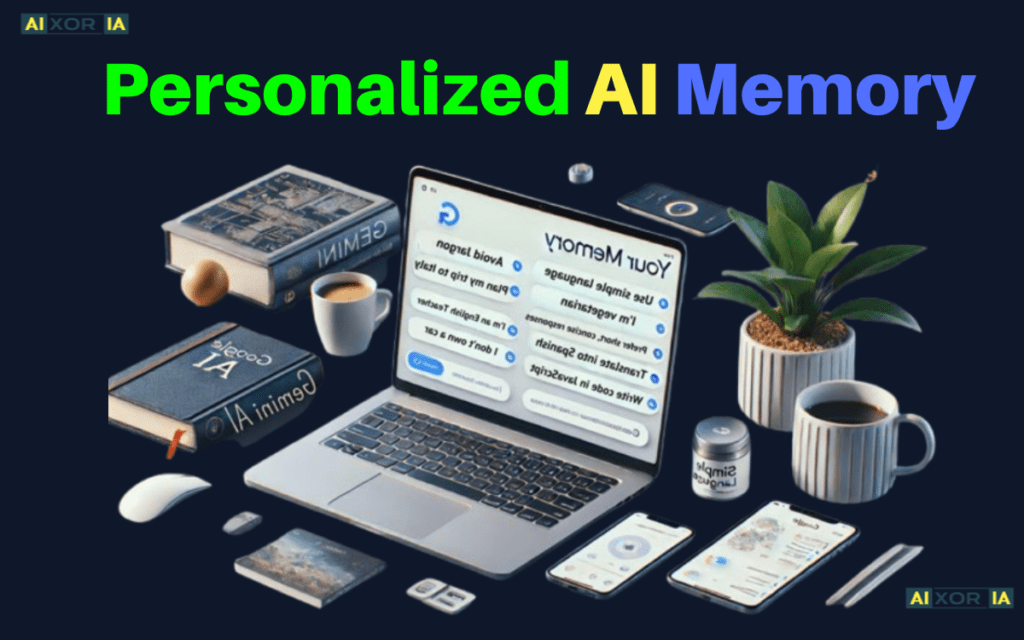
Modern conversational AI systems now store long-term user preferences, tone, and behavioral patterns.
Example:
- ChatGPT offers memory systems that adapt to user writing style, recurring tasks, and past instructions.
- Google Gemini integrates contextual memory across Google Workspace apps.
This means:
- The AI learns how you prefer responses
- It remembers ongoing projects
- It adapts tone automatically
From a UX standpoint, this increases:
- Session duration
- User trust
- Perceived intelligence
From an SEO perspective:
Memory-based systems improve retention metrics — which indirectly boosts engagement signals.
Updated AI Comparison Table (Feb 2026)
Search engines love structured clarity. Here’s a structured comparison:
| AI Tool (Feb 2026) | Best Use Case | Key 2026 Feature | Interaction Mode |
|---|---|---|---|
| ChatGPT (GPT-5/o-series) | Creative & Logic | Autonomous Reasoning | Text, Voice, Vision |
| Google Gemini 2.0 | Ecosystem & Search | Project Astra (Visual AI) | Video & Real-time Voice |
| Microsoft Copilot | Work & Productivity | Enterprise Data Loop | Office Integration |
| Claude 4 | Human-like Nuance | Low Hallucination Mode | Long-form Text |
| Perplexity | Research & Facts | Source-verified Answers | Search-based Chat |
Tool-by-Tool Analysis (Strategic View)
Microsoft Copilot
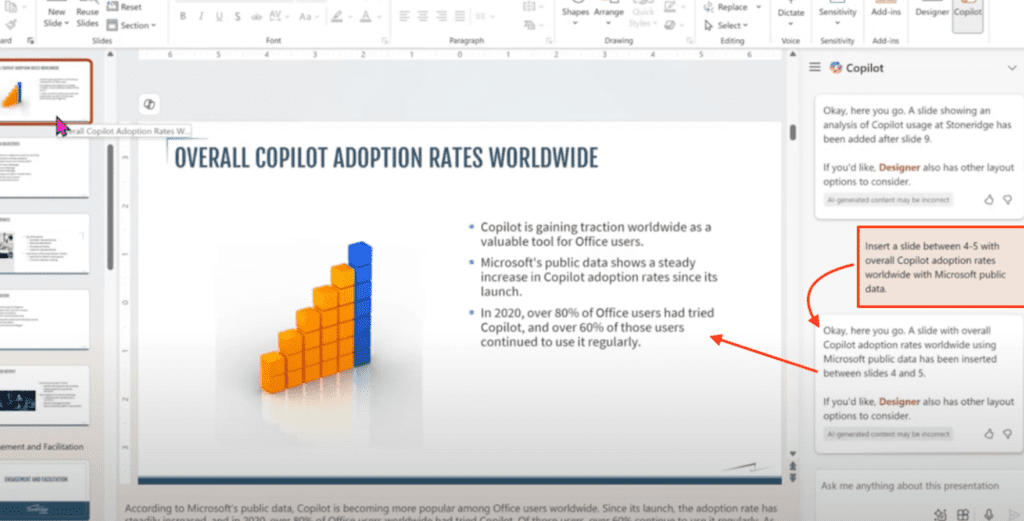
Backed by Microsoft, Copilot integrates deeply into enterprise data systems.
Best for:
- Corporations
- Internal workflow automation
- Document-heavy industries
Its “Enterprise Data Loop” ensures responses are grounded in company documents.
Claude 4 (by Anthropic)
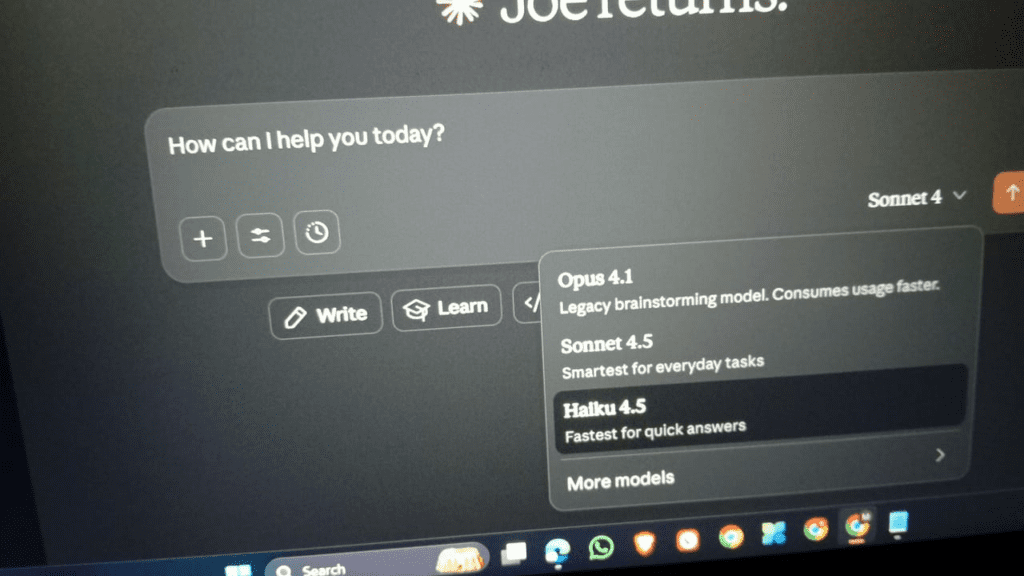
Claude excels at long-form reasoning and maintaining tone consistency.
Best for:
- Legal drafting
- Policy writing
- Academic summaries
It focuses heavily on reducing hallucination risk.
Perplexity

Designed for:
- Research
- Fact-based queries
- Citations
Its search-grounded conversational model reduces misinformation risks.
Rasa & Local AI Models
Privacy-focused organizations increasingly deploy open-source systems like Rasa.
Many now run local LLMs (such as next-gen open models) on private servers.
Why?
- Full data ownership
- Regulatory compliance
- Zero external data leakage
This is especially important in healthcare and finance.
Ethics & Privacy — The 2026 Ranking Signal
Here’s what most AI articles miss.
Users in 2026 are worried about:
- Voice recordings being stored
- Personal data used for training
- Memory systems tracking behavior
If your content ignores privacy — it feels incomplete.
Key considerations:
- Does the AI store voice data?
- Can memory be disabled?
- Is enterprise data encrypted?
- Is model training transparent?
Privacy transparency = trust.
Trust = authority.
Authority = rankings.
Real-World Use Cases in 2026
Customer Support
Real-time voice AI handles:
- Call routing
- Complaint resolution
- Multilingual support
Gemini-style live voice agents are redefining call centers.
Enterprise Productivity
Copilot-style AI now drafts:
- Reports
- Financial summaries
- Legal contracts
Creative & Logic Tasks
ChatGPT-class systems handle:
- Code debugging
- Strategic planning
- Content generation
How to Choose the Right Conversational AI Tool
Ask these 5 questions:
- Does it support multimodal interaction?
- How large is its effective context window?
- Does it have long-term memory?
- Can it integrate with your data systems?
- What are its privacy policies?
Don’t choose based on hype.
Choose based on architecture.
Final Verdict
Conversational AI in 2026 is defined by:
- Multimodal intelligence
- Autonomous reasoning
- Personalized memory
- Enterprise integration
- Privacy transparency
The future is not chatbot-based.
It’s context-aware digital intelligence.