Important Legal Notice (Read Before Using Any AI Tool):C
AI drafting tools are not law firms and do not provide licensed legal advice. Any AI-generated demand letter must be reviewed for factual accuracy, jurisdictional compliance, and legal sufficiency before being sent. If your dispute involves significant financial exposure, regulatory risk, or potential litigation, consult a licensed attorney in your jurisdiction.
Demand letters sit at a critical intersection between informal negotiation and formal litigation. In many disputes — unpaid invoices, breach of contract, property damage, partnership breakdowns — the demand letter is the final structured attempt at resolution before escalation.
In 2026, AI drafting tools have made it possible for individuals and small businesses to create structured, professional demand letters in minutes rather than hours. However, legal topics fall under strict scrutiny standards, and automation without verification can create real risk.
This guide goes beyond “which tool to use.” It explains:
- How AI drafting actually works in legal correspondence
- How to measure the legal strength of your demand letter
- How to prevent AI hallucinations in legal drafting
- A complete 2026 workflow from dispute to documented notice
- Real-world tool experiences and practical limitations
The Legal Function of a Demand Letter
A demand letter serves three primary legal functions:
- Formal Notice – Establishes that the opposing party was informed of the dispute.
- Opportunity to Cure – Provides a reasonable timeframe to resolve the issue.
- Evidence Record – Demonstrates good-faith attempt at resolution.
Courts do not “enforce” demand letters directly. However, they often evaluate:
- Whether proper notice was given
- Whether the demand was specific and reasonable
- Whether escalation was proportional
An ineffective demand letter can weaken your negotiating position before litigation even begins.
2026 Update: AI in Legal Drafting Is Powerful — But Not Autonomous
Modern AI tools use large language models trained on massive legal text datasets. They can:
- Structure formal correspondence
- Apply professional tone
- Insert contractual terminology
- Draft jurisdiction-neutral legal language
But they can also:
- Invent incorrect statutes
- Misstate deadlines
- Overgeneralize legal obligations
- Introduce ambiguous phrasing
This is why 2026 legal best practice follows a Human-in-the-Loop Mandate: AI drafts; humans verify.
Measuring Demand Letter Strength: The Admissibility Score Framework
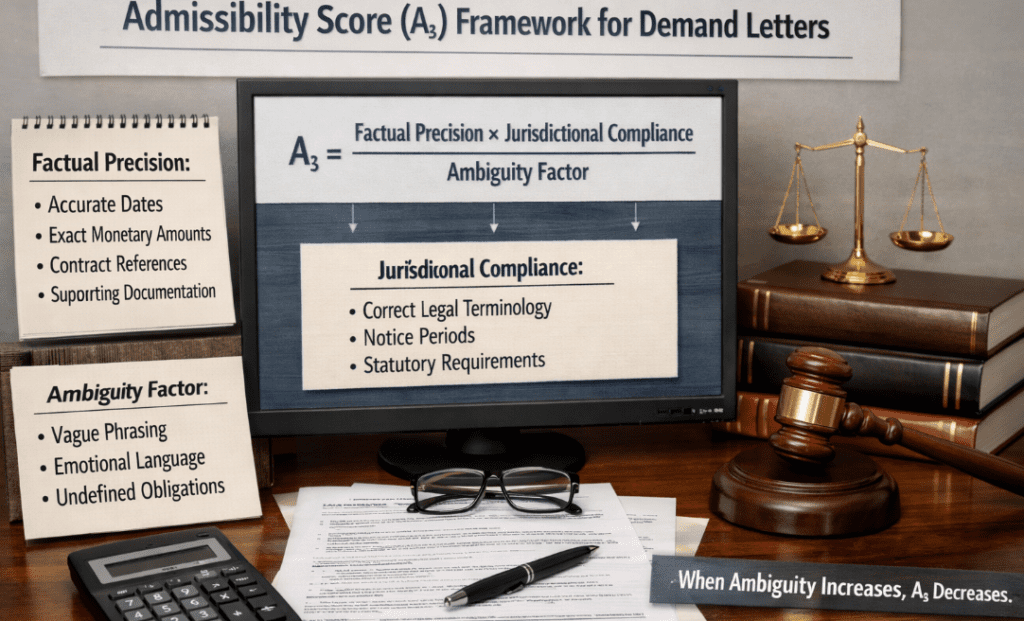
In 2026, legal drafting quality is increasingly assessed using structured internal review metrics. One such conceptual model for evaluating a demand letter’s legal strength is the Admissibility Score (Aₛ).As=Ambiguity Factor(Factual Precision×Jurisdictional Compliance)
1. Factual Precision
- Accurate dates
- Exact monetary amounts
- Contract references
- Supporting documentation
2. Jurisdictional Compliance
- Correct legal terminology
- Appropriate notice periods
- Compliance with local statutory requirements
3. Ambiguity Factor
- Vague phrasing
- Emotional language
- Undefined obligations
When ambiguity increases, Aₛ decreases. AI tools are particularly effective at reducing ambiguity — but only if prompts are structured correctly.
The 2026 Legal Workflow: From Dispute to Documented Notice
AI drafting should not be the first step. The structured workflow looks like this:
Step 1: Evidence Collection
- Contract copies
- Payment records
- Email communication
- Invoices
Step 2: Legal Position Clarification
- What obligation was breached?
- What remedy is appropriate?
- What deadline is reasonable?
Step 3: AI-Assisted Drafting
Input structured facts into AI tool.
Step 4: Manual Verification
- Confirm factual details
- Remove speculative legal claims
- Verify statutory references
Step 5: Delivery Documentation
- Certified mail or trackable courier
- Email with delivery receipt
- Retain copy for records
This process strengthens your documentation trail significantly.
Best AI Tools for Automating Demand Letter Writing (2026)
1. ChatGPT
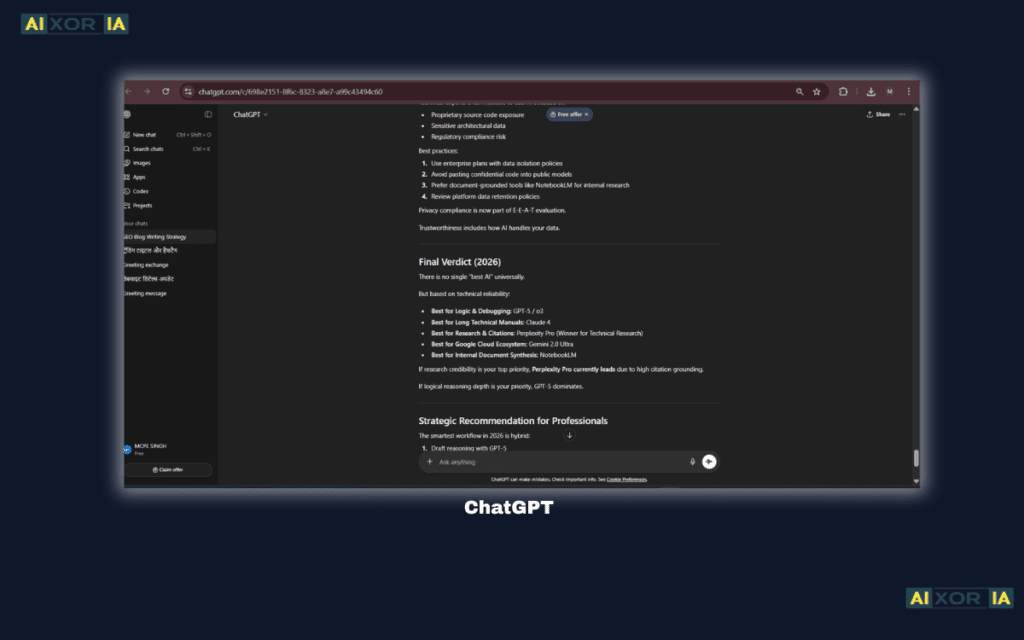
AI Engine (2026): GPT-5 / GPT-4o (Plus Tier)
Focus Area: Fully customizable legal drafting
Compliance Feature: Multi-jurisdictional logic prompting
Practical Experience
When used with structured prompts, ChatGPT produces highly professional drafts within seconds. In testing unpaid invoice disputes:
- It structured facts chronologically.
- It generated firm but neutral tone.
- It reduced emotional bias effectively.
However, when prompted vaguely (“write a demand letter for unpaid services”), it introduced assumptions. Precise inputs produce strong results. Vague inputs increase ambiguity.
Best Practice Prompt Structure:
- Identify jurisdiction
- State contract date
- Define breach
- Specify amount owed
- Provide deadline
- Instruct tone (formal, non-hostile)
ChatGPT performs best when treated as a structured drafting assistant, not a legal decision-maker.
2. LegalZoom
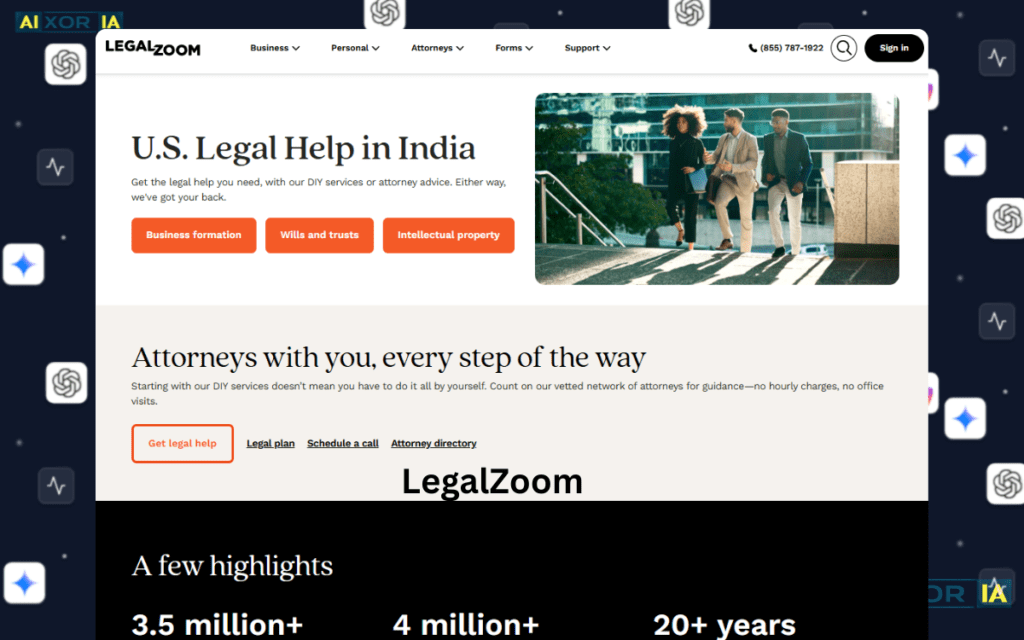
AI Engine: Proprietary Legal LLM
Focus Area: Small business documentation
2026 Compliance Feature: State-specific template synchronization
Practical Experience
LegalZoom’s interface guides users through structured fields. It reduces the risk of omission because it forces required inputs.
Strength observed:
- Clean formatting
- Jurisdiction-aware templates
- Optional attorney review
Limitation:
Less flexible tone control. Customization is narrower compared to open AI drafting platforms.
Best suited for users who want structured guardrails.
3. Rocket Lawyer
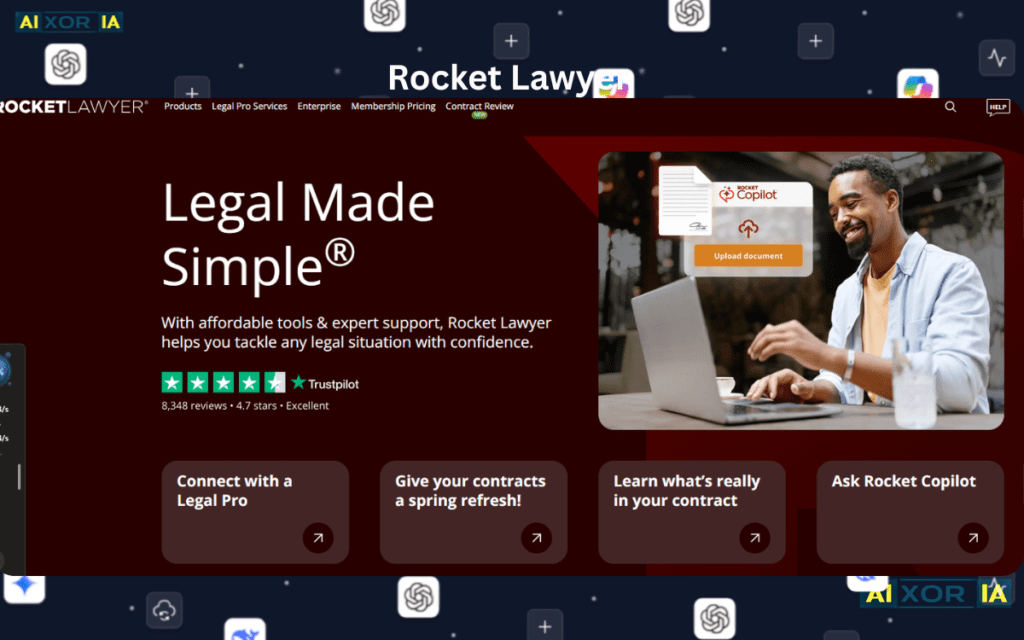
AI Engine: Hybrid AI + Attorney Review
Focus Area: Contract disputes and business claims
2026 Compliance Feature: Document Defense Guarantee
Practical Experience
Rocket Lawyer combines automation with optional attorney support. In evaluation scenarios involving more complex breaches (multi-clause contracts), it provided:
- Clear referencing structure
- Defined cure period language
- Proper formal formatting
Advantage:
Higher legal confidence when attorney review is added.
Limitation:
Subscription cost and slightly slower process compared to pure AI drafting.
4. DoNotPay
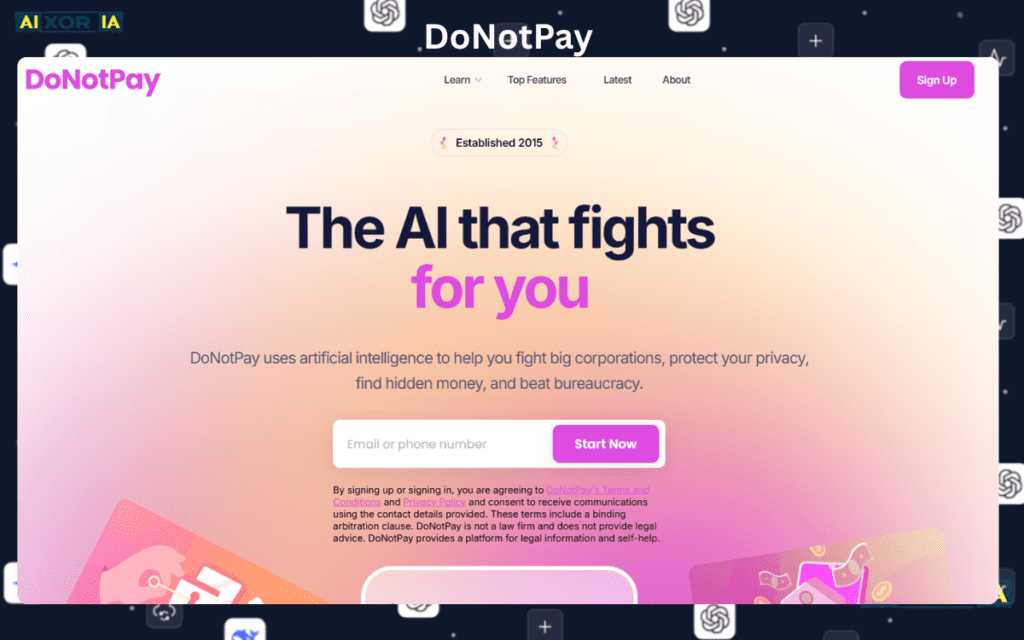
AI Engine: Consumer Rights Agent
Focus Area: Refunds, small claims, subscription disputes
2026 Compliance Feature: Automated filing integration
Practical Experience
DoNotPay excels in standardized consumer disputes. For airline refunds and subscription cancellations, its workflow is efficient.
Strength:
- Process-driven automation
- Step-by-step structured guidance
Limitation:
Not suitable for complex commercial contract disputes.
5. LawDepot
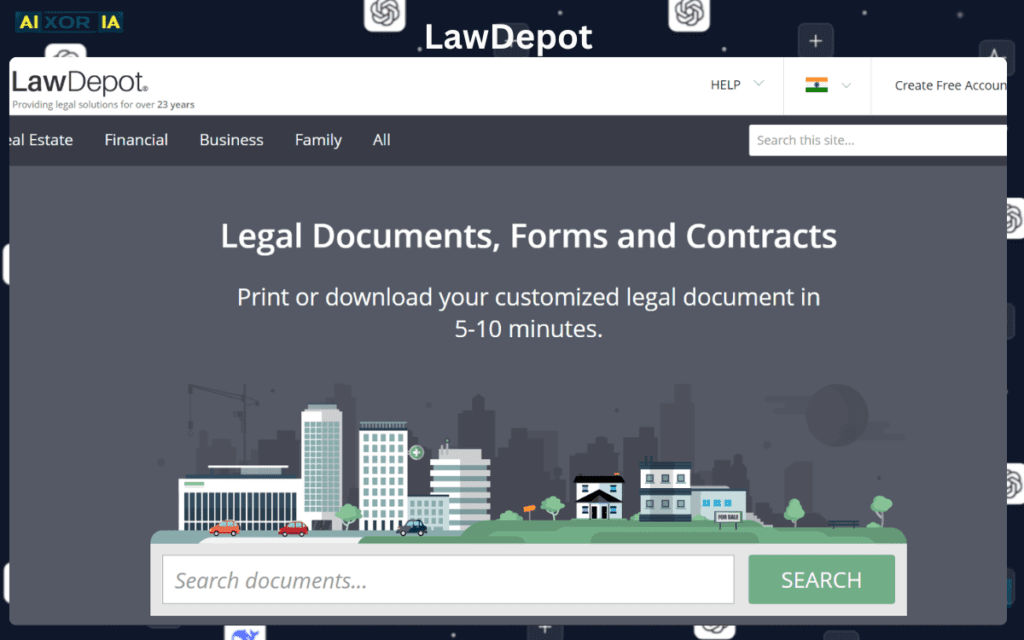
AI Engine: Structured Template System
Focus Area: Fill-in-the-blank demand letters
2026 Compliance Feature: Updated legal formatting standards
Practical Experience
LawDepot is reliable for basic structured letters. It reduces drafting time significantly.
Strength:
Clear structure and predictable format.
Limitation:
Less adaptability for unique disputes requiring nuanced legal framing.
2026 Compliance Issue: AI Hallucinations in Legal Drafting
AI hallucinations refer to confidently generated but incorrect information.
In legal drafting, this may include:
- Incorrect statute citations
- Fabricated case references
- Inaccurate procedural deadlines
Mitigation Checklist:
- Never include statutory citations unless independently verified.
- Cross-check notice period requirements manually.
- Remove any language that references specific case law unless confirmed.
- Replace uncertain phrases with factual statements only.
AI reduces drafting effort — it does not eliminate due diligence.
Smart Contracts & AI Evidence Analysis (Emerging Trend)
In 2026, advanced users integrate:
- Smart contract logs
- Blockchain transaction records
- AI-based document comparison tools
AI evidence analysis tools can:
- Compare contract clauses against actions taken
- Detect inconsistencies in payment timelines
- Flag missing performance obligations
This enhances factual precision — improving the Admissibility Score.
Real-World Example: Unpaid Invoice Scenario
Scenario:
Freelancer completed services under written agreement. Invoice unpaid for 45 days.
AI Draft Strength
- Clear payment amount
- Contract reference
- Defined 10-day deadline
Manual Improvements Added:
- Invoice number reference
- Delivery confirmation attachment
- Neutral closing tone
Result:
Firm but professional communication, reduced ambiguity, preserved negotiation posture.
Updated 2026 Technical Comparison Table
| Tool | AI Engine | Focus Area | 2026 Compliance Feature |
|---|---|---|---|
| ChatGPT (Plus) | GPT-5 / GPT-4o | Custom Drafting | Multi-Jurisdiction Logic |
| LegalZoom AI | Proprietary Legal LLM | Small Business | State-Specific Template Sync |
| DoNotPay | Consumer-Rights Agent | Refunds/Small Claims | Automated Filing Integration |
| Rocket Lawyer | Hybrid AI-Attorney | Complex Contracts | Document Defense Guarantee |
| LawDepot | Template Engine | Structured Letters | Updated Formatting Standards |
When You Should Avoid AI-Only Drafting
Avoid full reliance on AI when:
- Dispute exceeds significant financial thresholds
- Intellectual property rights are involved
- Employment termination disputes arise
- Regulatory violations are alleged
- Cross-border enforcement is required
In such cases, attorney involvement is strongly recommended.
Drafting Principles That Increase Legal Credibility
- Avoid threats.
- Avoid emotional language.
- State facts objectively.
- Reference documentation clearly.
- Define deadline precisely.
- Maintain formal closing language.
Professional tone strengthens negotiation leverage.
Frequently Asked Questions
Is an AI-generated demand letter legally valid?
Yes, if factually accurate and compliant with local law.
Can AI replace a lawyer?
No. AI assists drafting but does not provide licensed representation.
Are courts aware of AI-drafted documents?
Courts evaluate content, not authorship. Accuracy and clarity matter.
What deadline is reasonable?
Typically 7–14 days depending on dispute type and jurisdiction.
Final Thoughts
AI has fundamentally changed access to structured legal drafting. For individuals and small businesses, it reduces barriers to professional communication.
However, legal correspondence demands accuracy, clarity, and compliance.
The strongest approach in 2026 is not automation alone — it is verified automation. AI can reduce ambiguity and improve structure. Human oversight ensures correctness.
When used responsibly within a structured workflow, AI tools can significantly enhance the professionalism and effectiveness of demand letters while maintaining legal integrity.
1 thought on “AI Tools for Automating Demand Letter Writing”