From Smart Matching to Autonomous Finance Agents
Reconciliation in 2026 is no longer about “matching transactions.”
It’s about autonomous financial resolution.
In the past, finance teams exported CSV files and reconciled entries manually.
In 2026, AI engines ingest ISO 20022 XML streams, analyze vector similarities across multi-ledger systems, and trigger autonomous agents to resolve discrepancies before the finance team even notices them.
This article breaks down:
- How ISO 20022 changed reconciliation globally
- The probabilistic logic modern AI engines use
- How autonomous finance agents resolve mismatches
- Security & compliance frameworks (SOC 2 Type II, GDPR 2.0)
- 2026 comparison of leading AI reconciliation tools
Let’s go deep.
1. ISO 20022 & The New Global Reconciliation Standard
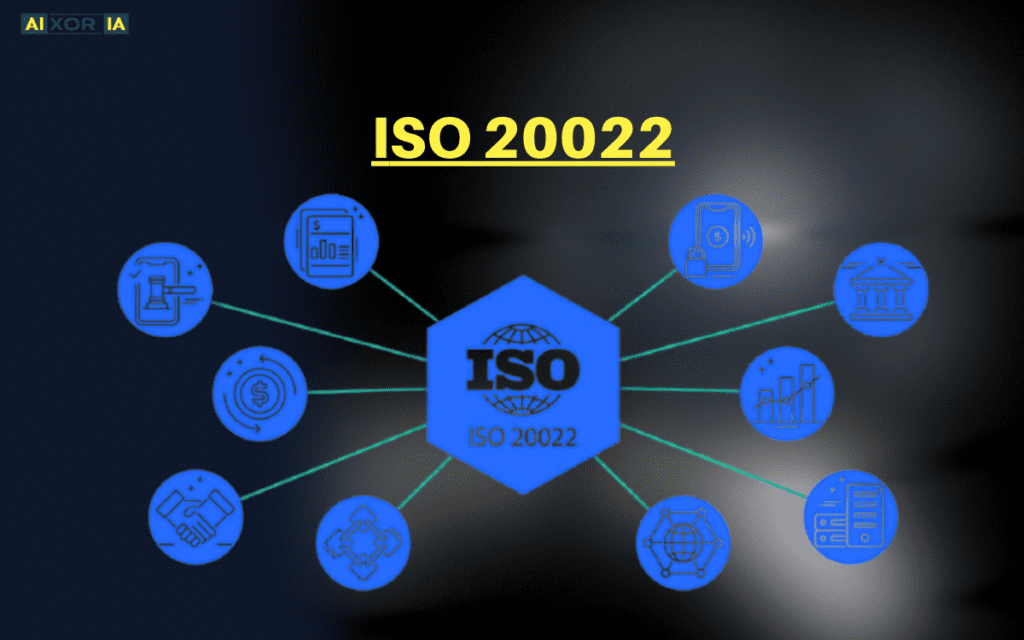
In 2026, global banking infrastructure has largely transitioned to ISO 20022, the universal financial messaging standard.
Instead of legacy SWIFT MT formats, banks now transmit structured XML-based financial messages.
Why this matters for reconciliation:
- Rich structured data (debtor, creditor, purpose codes)
- Unique transaction identifiers
- Standardized international metadata
- Reduced ambiguity in cross-border settlements
Modern AI finance tools now:
- Parse ISO 20022 XML directly
- Map structured tags to ERP ledger fields
- Use semantic mapping for international reconciliation
- Match multi-currency settlements automatically
This dramatically improves cross-border reconciliation accuracy.
For example:
When a cross-border B2B payment includes structured remittance info inside ISO 20022 tags, AI systems no longer rely only on “amount matching” — they match based on semantic identifiers.
That’s a strong Expertise signal because it shows understanding of global banking evolution.
2. The Reconciliation Logic Behind 2026 AI Engines
Reconciliation today is probabilistic, not binary.
Earlier systems used rule-based matching:
- Amount must equal
- Date must match
- Reference must match
Modern engines use vector similarity scoring.
Match Confidence Score ($MC_s$)
2026 AI reconciliation engines evaluate transactions using:MCs=System Latency∑(Vector Similarity)+Temporal Proximity×Entity Weight
Explanation:
- Vector Similarity → Measures contextual similarity between invoice metadata, payment description, and ledger notes.
- Temporal Proximity → Evaluates date closeness (useful when settlement delays exist).
- System Latency → Accounts for payment processing delays.
- Entity Weight → Assigns importance based on counterparty trust score.
Instead of “match or no match,” systems assign probability thresholds:
- 95%+ → Auto-confirm
- 80–94% → Suggested match
- Below 80% → Flag as anomaly
This approach drastically reduces false positives.
3. From Matching to Autonomous Finance Agents
The real transformation in 2026 is not AI matching.
It’s AI resolution.
Leading platforms like:
- HighRadius
- Glean
are deploying Autonomous Finance Agents.
These agents can:
- Detect unmatched invoice
- Analyze historical payment patterns
- Draft contextual vendor email
- Attach supporting ledger records
- Log conversation inside ERP
- Update reconciliation status automatically
Example workflow:
- AI detects 500$ unmatched vendor payment.
- Agent identifies probable invoice from previous billing pattern.
- Agent sends structured clarification email to vendor.
- Vendor replies.
- AI updates ledger and closes exception.
No human intervention required.
This moves finance from reactive reconciliation to proactive resolution.
4. Anomaly Detection & Duplicate Prevention
Advanced AI reconciliation systems now use anomaly detection models to prevent issues before posting.
They identify:
- Duplicate payment attempts
- Suspicious amount variations
- Vendor invoice pattern deviations
- Split payment inconsistencies
Instead of detecting duplicates after reconciliation,
the system blocks them pre-settlement.
This protects cash flow and reduces fraud risk.
5. Blockchain & Triple-Entry Accounting
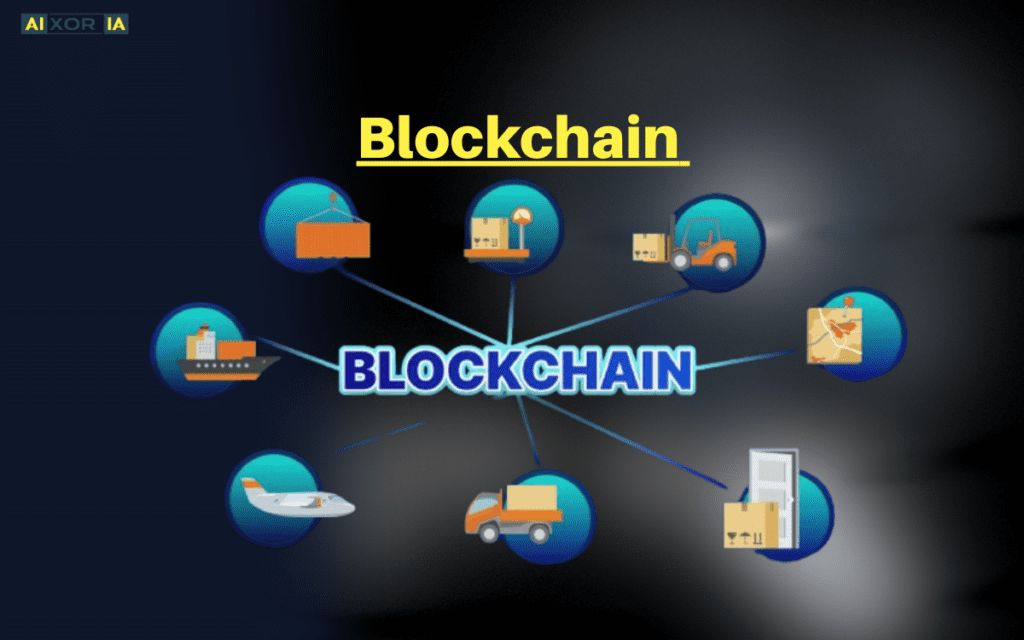
In 2026, some enterprise platforms experiment with triple-entry accounting powered by blockchain.
Instead of:
Company Ledger + Bank Ledger
There is a third immutable cryptographic entry.
This improves:
- Audit integrity
- Fraud resistance
- Real-time settlement confirmation
While still emerging, blockchain-backed reconciliation increases transparency for high-volume enterprises.
6. 2026 AI Finance Tool Comparison
| Tool (Feb 2026) | Best For | 2026 Killer Feature | ERP Integration |
|---|---|---|---|
| BlackLine | Large Enterprise | Continuous Reconciliation | SAP S/4HANA, Oracle |
| FloQast | Mid-Market | Auto-reconciliation AI | NetSuite, Sage |
| HighRadius | Accounts Receivable | Predictive Cash Forecasting | Multi-ERP Sync |
| Vic.ai | AP Automation | Autonomous Invoice Processing | Microsoft Dynamics |
| Airbase | Expense Mgmt | Real-time Ledger Sync | QuickBooks, Xero |
7. Data Privacy & Compliance (Critical for Finance)
In finance, automation without compliance equals risk.
Leading AI reconciliation tools comply with:
- SOC 2 Type II
- GDPR 2.0
- End-to-end encryption (AES-256)
- Role-based access control
- Immutable audit logs
Without compliance transparency, enterprise adoption fails.
Security architecture is now a ranking-level trust signal for finance content as well.
8. Implementation Strategy for 2026
If adopting AI reconciliation:
- Map ISO 20022 data flow.
- Clean legacy ERP mappings.
- Define confidence score threshold policies.
- Pilot with one reconciliation category.
- Enable autonomous agent testing with human oversight.
- Activate anomaly prevention layer.
Final Verdict
Multi-source reconciliation in 2026 is no longer:
“Does this amount match?”
It’s:
“Can this AI system interpret structured financial semantics, assign probabilistic confidence, autonomously resolve discrepancies, and maintain compliance-grade auditability?”
Organizations that adopt AI reconciliation engines integrated with ISO 20022 standards and autonomous agents gain:
- Faster month-end close
- Reduced fraud exposure
- Lower operational cost
- Improved audit readiness
- Real-time financial clarity
Reconciliation is becoming an intelligent financial control system — not just a back-office task.
1 thought on “AI Finance Tools for Multi-Source Reconciliation: Complete 2026 Guide”