Important Disclaimer
This article does NOT promote impersonation, deception, or misuse of AI-generated media. The purpose of this guide is educational — to explain the evolution of synthetic media, current regulations, and detection mechanisms in 2026.
Artificial intelligence–generated video has evolved dramatically.
In 2020–2023, most hyper-realistic manipulations relied on GANs (Generative Adversarial Networks).
In 2026, the landscape is completely different.
Today’s high-end synthetic media systems rely primarily on:
- Diffusion models
- Large Video Models (LVMs)
- Multimodal transformers
Understanding this shift is critical — especially if you run a content site monetized with platforms like Google AdSense, where compliance and trust are non-negotiable.
Let’s break this down properly.
1. GANs vs Diffusion Models
The Old Era: GAN-Based Deepfakes
Earlier tools such as DeepFaceLab relied heavily on GANs.
GAN structure:
- Generator network creates synthetic frames
- Discriminator tries to detect fake frames
- Both compete until output looks realistic
Problem:
- Frame-by-frame generation
- Temporal flickering
- Inconsistent lighting
- Weak biological signal modeling
The 2026 Shift: Diffusion + LVMs
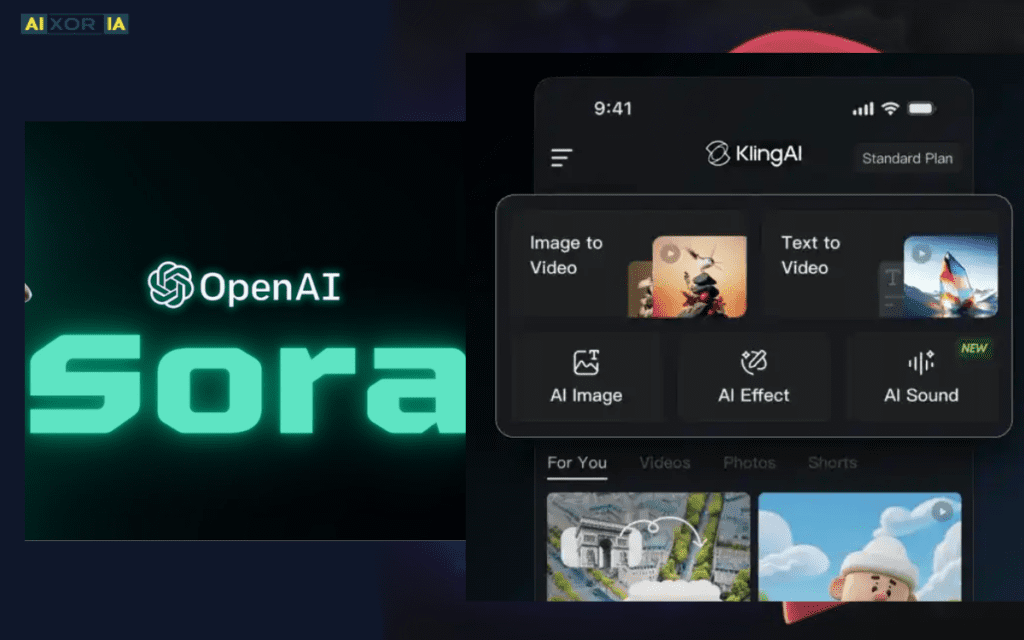
Modern systems like:
Use Video Diffusion Models + Large Video Models (LVMs).
Key advancement:
Temporal Consistency Modeling
Instead of generating independent frames, LVMs model:
- Motion continuity
- Object permanence
- Physics coherence
- Biological micro-signals (blink rhythm, pulse variation)
This reduces classic “deepfake artifacts.”
In simple terms:
GANs generated convincing images.
Diffusion + LVMs generate convincing timelines.
This is why 2026 synthetic media looks far more realistic than 2022 content.
2. The Importance of C2PA Metadata & Digital Watermarking
The regulatory landscape changed dramatically in 2026.
Under the EU AI Act and related global frameworks, synthetic media transparency is mandatory in many jurisdictions.
Core requirements include:
- Clear disclosure of AI-generated media
- Embedded provenance metadata
- Detectable watermarking systems
What is C2PA?
C2PA (Coalition for Content Provenance and Authenticity) is a metadata standard that:
- Tracks origin of media
- Records edits
- Cryptographically signs content authenticity
Platforms integrating C2PA help reduce misinformation risks.
Modern tools now include built-in watermarking systems, including:
This shift matters for publishers.
If you run a blog:
- Transparent labeling builds trust
- Hidden manipulation risks penalties
- Compliance improves long-term monetization safety
AdSense increasingly values transparency and non-deceptive practices.
3. Deepfake Detection Science
One major misconception is that detection is impossible.
In reality, detection models have advanced alongside generation systems.
For example:
- FakeCatcher
- Microsoft Video Authenticator
These tools analyze:
- Blood flow signals
- Micro facial color shifts
- Spectral frequency anomalies
- Compression inconsistencies
- Temporal irregularities
Detection Accuracy Modeling (Technical Insight)
Modern detection frameworks estimate probability of manipulation using multi-signal aggregation models.
Conceptually represented as:Pdetection=Resolution Density∑(Biological Signals)+Spectral Inconsistencies
Where:
- Biological Signals = pulse patterns, blink rhythm, micro-expressions
- Spectral Inconsistencies = pixel-frequency anomalies
- Resolution Density = clarity & compression level
Higher biological coherence + low spectral distortion → lower detection probability.
This is why modern systems analyze physiology, not just pixels.
4. Updated 2026 Synthetic Media Landscape
| Tool | Primary Use | Core Technology | Ethical Guardrails |
|---|---|---|---|
| Synthesia 3.0 | Corporate Training | Neural Avatars | High (No real-person cloning) |
| Kling AI | Cinematic Video | Video Diffusion | Built-in Watermarking |
| DeepFaceLab 2.0 | Professional VFX | Hybrid GAN/Diffusion | Open-source |
| ElevenLabs | Voice Generation | Generative Speech | Voice CAPTCHA + Consent |
Notice the pattern:
The safest tools avoid real-person replication.
Enterprise tools prioritize avatar-based systems.
That distinction matters for compliance.
5. Why Detection & Disclosure Matter for Publishers
If you’re building a long-term site:
Search engines evaluate:
- Transparency
- Author credibility
- Risk signals
- Misleading intent
Articles that:
- Educate about detection
- Discuss regulations
- Promote responsible use
Are far safer than articles focused only on “how to create.”
From an E-E-A-T standpoint:
✔ Demonstrating awareness of regulation = Expertise
✔ Including detection science = Authority
✔ Adding disclaimers = Trustworthiness
6. Synthetic Media vs Deepfakes — The Key Difference
Deepfake (historical term):
- Face replacement focus
- GAN-heavy systems
- High misuse risk
Synthetic Media (2026 term):
- Broader AI-generated content
- Diffusion + LVM based
- Regulated & traceable
- Often transparent
The industry is shifting terminology intentionally toward “synthetic media” to reflect governance and compliance.
Final Verdict:
If you are publishing about AI-generated video:
Follow these Golden Rules:
- Start with a strong disclaimer.
- Include detection mechanisms.
- Mention regulatory compliance.
- Avoid high-risk sensational phrasing.
- Emphasize transparency & watermarking.
- Do not provide misuse instructions.
Educational + analytical framing > Tutorial framing.