Productivity in 2026 is no longer about managing tasks manually.
It’s about delegating cognitive load to AI agents.
We’ve moved from “to-do lists” to autonomous workflow systems that draft documents, optimize schedules, summarize meetings, predict workloads, and even rearrange priorities — without constant human input.
After testing and implementing modern AI productivity stacks across content teams and remote workflows, one thing is clear:
The most commonly used productivity tools today are not just tools — they are semi-autonomous collaborators.
Let’s break down the 5 most widely adopted productivity platforms in 2026 and how they power hyper-productivity systems.
1. Notion – The Agentic Knowledge Operating System
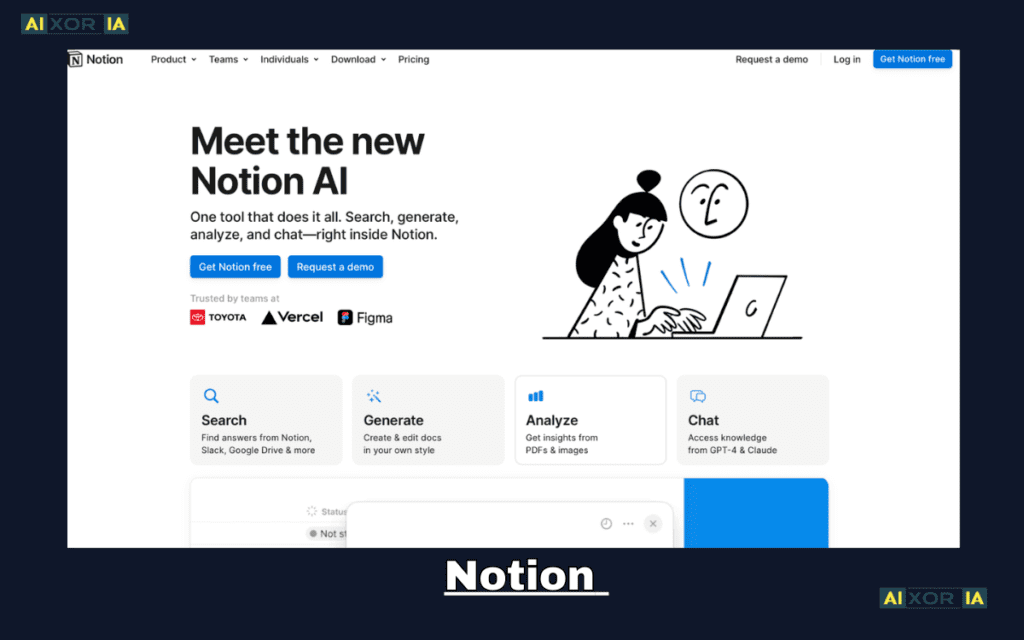
Notion is no longer just a note-taking tool.
In 2026, it functions as a Knowledge OS powered by AI agents.
🚀 What Changed?
Notion’s “Autopilot Agents” can now:
- Autonomously draft project documents
- Generate structured SOPs
- Convert meeting notes into task boards
- Sync summaries directly into Slack channels
- Answer contextual queries via Notion Q&A (AI semantic search)
Instead of manually organizing information, users now build self-maintaining knowledge systems.
Best 2026 Feature:
Agentic Wiki Management – The AI keeps documentation updated based on project changes.
Who Uses It Most:
- Startup teams
- Remote content teams
- Product managers
- Founders building lean AI workflows
Why It Dominates:
It reduces “organizational entropy” — the gradual chaos that builds in digital workspaces.
2. Slack – AI Communication Layer
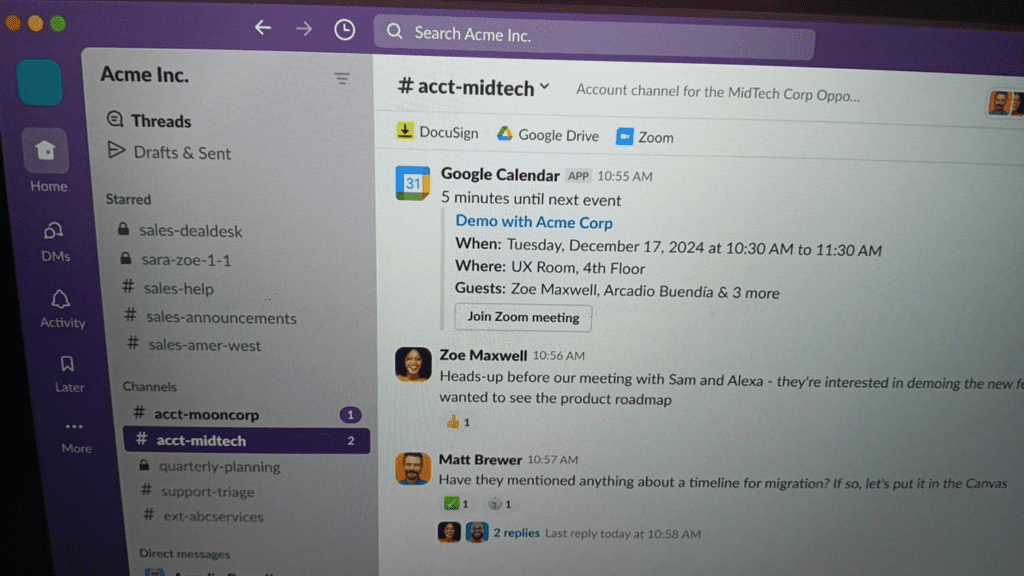
Slack is no longer just messaging.
It’s now an AI-powered communication filter.
🟡 2026 Upgrade:
- AI Huddle Summaries
- Thread compression (summarizes 200+ messages instantly)
- Context-aware reply suggestions
- Auto-task extraction from conversations
Slack now acts as the central nervous system of remote teams.
Instead of reading everything, professionals review AI summaries and only dive deep when required.
3. Motion – Autonomous Scheduling Intelligence
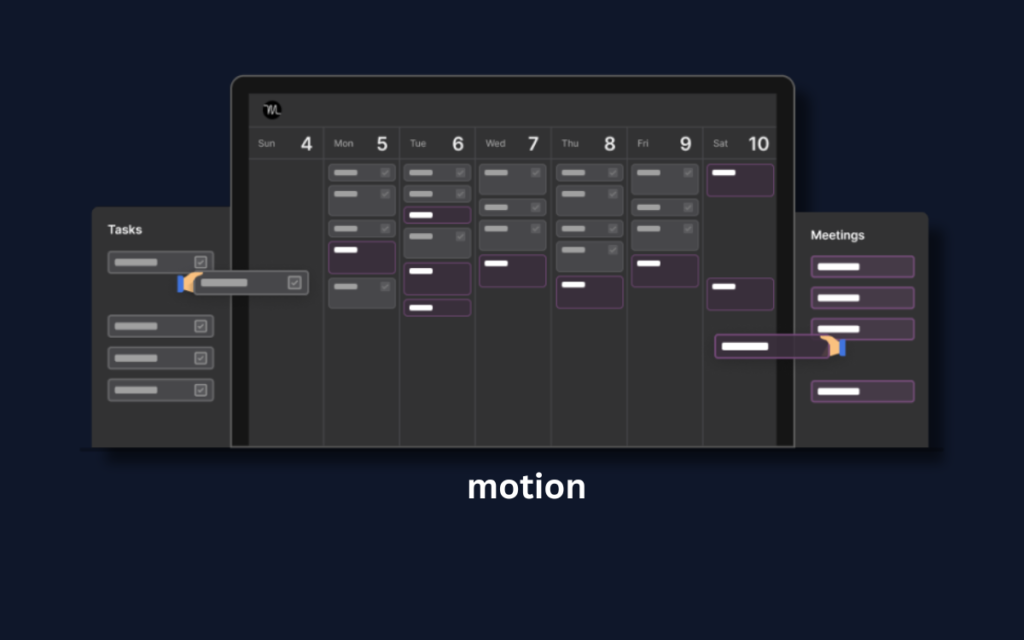
Traditional calendar management is dead.
Motion is one of the fastest-growing productivity tools because it removes the most painful productivity bottleneck: time allocation.
🚀 Core Strength:
Auto-Calendar Optimization
Motion:
- Analyzes deadlines
- Calculates effort time
- Rearranges your calendar automatically
- Reschedules when priorities shift
It doesn’t just schedule tasks —
It optimizes your week dynamically.
Who Uses It:
- High-performance founders
- Consultants
- Deep work professionals
4. Asana – Predictive Team Execution Platform
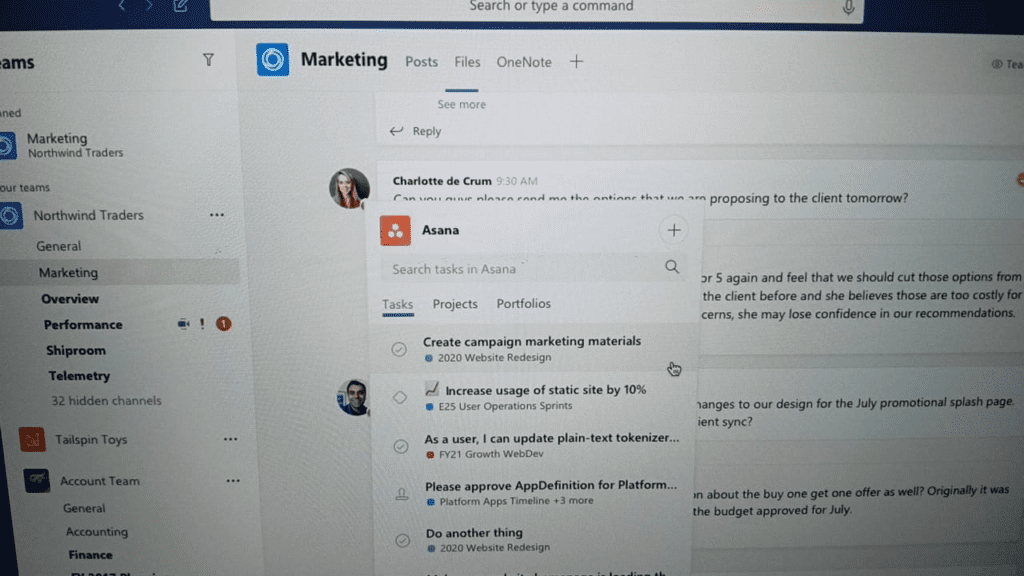
Asana has evolved into a workload forecasting system.
🟢 2026 AI Features:
- Workload Predicting AI
- Risk flagging for delayed milestones
- Automation of recurring workflows
- Smart task dependency adjustments
It’s heavily used by structured organizations that need execution clarity across departments.
Instead of reacting to delays, teams now anticipate them.
5. Google Vids – AI-Powered Collaboration Recaps

Part of the modern collaboration stack, Google Vids transforms productivity in communication-heavy teams.
🟢 Core Use:
Text-to-Video Meeting Recaps
It:
- Converts meeting transcripts into short recap videos
- Highlights action points automatically
- Creates shareable async updates
This reduces meeting fatigue dramatically.
The 2026 Productivity Formula (Quantifying Efficiency)
Using tools is not enough.
You must measure output.
Here is a modern efficiency metric used in performance-driven teams:Work Efficiency Index (WEI)=Manual Time Spent−AI Automation TimeTask Completion Rate×Quality Score
Why This Matters
If AI reduces manual effort by 40% but maintains output quality, your WEI increases significantly.
This is how high-performing teams justify AI adoption — with measurable gains.
2026 Productivity Stack Comparison
| Tool | Primary Role | AI Power Level | Best 2026 Feature |
|---|---|---|---|
| Notion | Knowledge OS | 🚀 High | Agentic Wiki Management |
| Slack | Communication | 🟡 Medium | AI Huddle Summaries |
| Motion | Scheduling | 🚀 High | Auto-Calendar Optimization |
| Asana | Team Execution | 🟢 Strong | Workload Predicting AI |
| Google Vids | Collaboration | 🟢 Strong | Text-to-Video Recaps |
Structured comparisons like this help teams build an integrated AI stack rather than randomly adopting tools.
Why 2026 Productivity Is About AI Workflows — Not Tools
Earlier productivity revolved around:
- Task lists
- Manual tracking
- Status meetings
Now it revolves around:
- Autonomous AI agents
- Predictive scheduling
- Cognitive load reduction
- Async intelligent communication
The shift is philosophical:
From managing tasks → to managing systems that manage tasks.
Can AI Productivity Tools Work Offline in 2026?
Short answer: Limited.
Most advanced AI productivity systems rely on cloud-based LLM processing.
However:
- Local AI assistants are emerging
- Edge-based AI summarization is improving
- Offline fallback modes allow basic task access
But full agentic functionality still depends on cloud synchronization.
Final Verdict: The Real 2026 Productivity Edge
If you only install tools, you remain average.
If you build AI-integrated workflows, you gain leverage.
The professionals winning in 2026 are not working longer hours.
They are:
- Designing agentic systems
- Measuring efficiency
- Automating low-value cognition
- Protecting deep work
Productivity today is about intelligent orchestration.