Why the Right Email Newsletter Software Can Make or Break Your Small Business
Scr0ll d0wn to D0VVNL0AD
The best email newsletter software for small business can be the difference between a marketing channel that pays for itself many times over — and one that quietly wastes your time.
Here’s a quick answer if you’re in a hurry:
| Tool | Best For | Free Plan |
|---|---|---|
| MailerLite | Overall ease of use | 1,000 subscribers, 12,000 emails/mo |
| Brevo | Large contact lists | 100,000 contacts, 9,000 emails/mo |
| Kit | Content creators | 10,000 subscribers, unlimited emails |
| Beehiiv | Newsletter growth | 2,500 subscribers, unlimited emails |
| Omnisend | Ecommerce | 250 contacts, 500 emails/mo |
| Campaign Monitor | Design-led teams | Paid from $12/mo |
| ActiveCampaign | Advanced automation | Paid from $15/mo |
Most small business owners start the same way — sending emails to a list of 50 to 200 people straight from Outlook or Gmail. It works, until it doesn’t.
Emails land in spam. Unsubscribes get missed. There’s no way to track who actually opened anything.
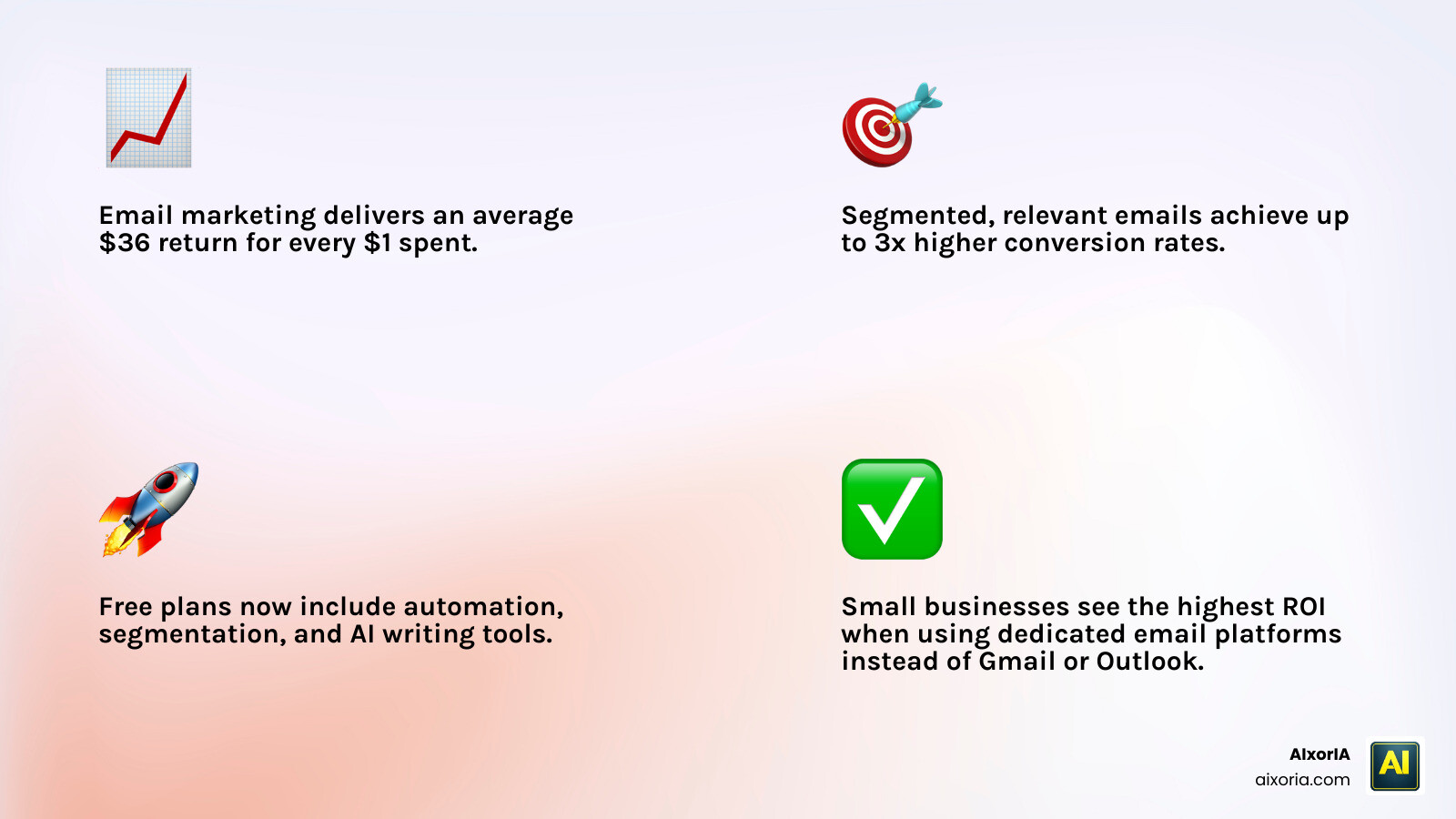
The good news? Email marketing still delivers one of the highest returns of any marketing channel — around $36 back for every $1 spent, according to industry data. That’s a 3,500% ROI. No other channel comes close.
But only if the emails actually reach people. And only if the right message goes to the right person at the right time.
That’s exactly what a good email newsletter platform handles for you — without requiring a marketing degree or a big budget.
In May 2026, the options for small businesses have never been better. Several tools now offer automation, segmentation, landing pages, and even AI writing assistance on free or near-free plans.
This guide breaks down the top platforms so you can find the right fit fast.
Key Features of the Best Email Newsletter Software for Small Business
Choosing a platform isn’t just about the price tag; it’s about the functionality that saves you hours of manual work. When we look at the best email newsletter software for small business, certain “must-haves” stand out.
First, segmentation is critical. Gone are the days of the “generic blast.” Statistics show that high-relevance emails see up to 3x the conversion rate of generic newsletters. You need a tool that lets you group subscribers by their interests or past purchases.
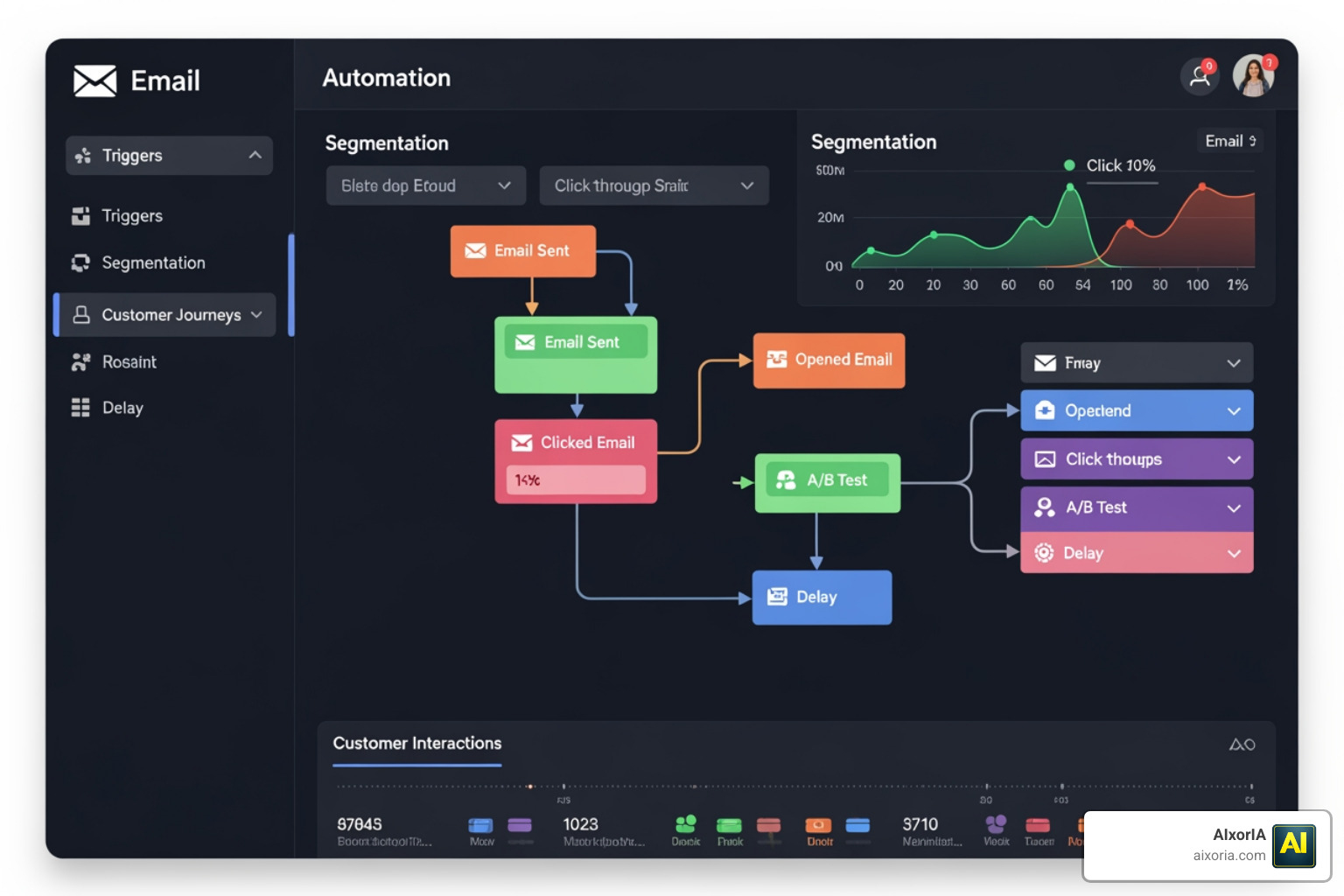
Second, automation workflows allow you to “set it and forget it.” Whether it’s a welcome sequence for new signups or an abandoned cart reminder, automation ensures you’re engaging customers while you sleep. Some platforms, like Hostinger Reach AI platform, even use AI to generate these campaigns from a simple prompt, which is perfect for busy owners who aren’t natural copywriters.
Finally, don’t overlook CRM integration. Your email list shouldn’t live on an island. It needs to talk to your sales data and customer records. For more on this, check out our guide on the 7 best email marketing tools for CRM software in 2026.
Evaluating Free Plans and Budget-Friendly Tools
For many of us, the budget is the biggest hurdle. The good news is that the “Free Plan” landscape in 2026 is incredibly generous. However, you have to read the fine print. Some platforms limit your total subscribers, while others limit how many emails you can send per day.
For example, Brevo allows you to have unlimited contacts but caps your daily sending at 300 emails. On the other hand, Kit (formerly ConvertKit) allows up to 10,000 subscribers on its free plan with unlimited sends, but it gates many of its advanced automation features behind a paywall.
If simplicity is your goal, Selzy offers a beginner-friendly approach with 24/7 support even on free tiers, helping you launch your first campaign in as little as 15 minutes.
Common Free Plan Limitations:
- Daily Caps: Limits like 300 emails/day can be frustrating if you have a list of 1,000 people and want to send a single weekly update.
- Branding: Most free plans include the software’s logo in your footer.
- Basic Analytics: You might see who opened the email, but not “click maps” or advanced conversion tracking.
Maximizing ROI with the Best Email Newsletter Software for Small Business Free Plans
To get the most out of a free plan, look for tools that don’t skimp on template quality. A professional-looking email builds trust. Platforms like Mailaura leverage AI to help you create high-converting subject lines and content, which is a huge boost for ROI when you’re working with a small list.
We have compiled a list of the 9 best free email newsletter platforms in 2026 to help you compare these sending limits side-by-side.
Specialized Solutions for Ecommerce and Content Creators
Not all small businesses are the same. A local coffee shop has different needs than a Shopify store or a professional blogger.
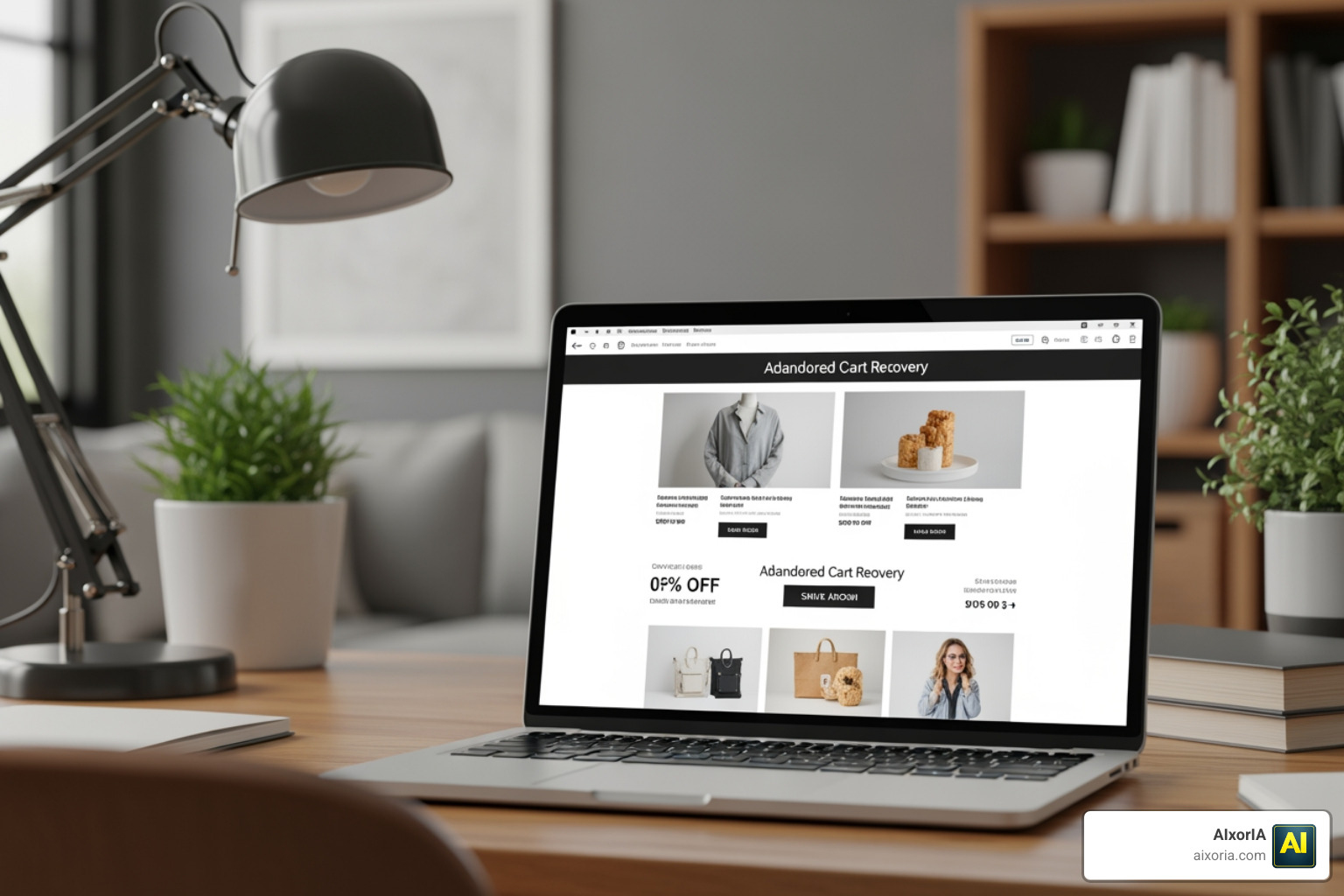
For Ecommerce, features like “product blocks” and “web tracking” are essential. Omnisend is a standout here, offering built-in SMS marketing and automation specifically designed to recover lost sales. In fact, some retail brands attribute up to 20% of their total revenue to these automated campaigns. You can find deeper insights in our review of the 7 best email marketing tools for e-commerce in 2026.
For Content Creators, the focus is often on design and monetization. Flodesk is famous for its stunning, design-forward templates that don’t look like “marketing emails.” They also offer flat-rate pricing, so your bill doesn’t go up just because your list grew.
Choosing the Best Email Newsletter Software for Small Business in Niche Markets
If you are running a community-focused business or a B2B service, you might need a tool that focuses on lead generation. Breaker is built specifically for growth, using AI to help match you with the “perfect” subscribers for your niche.
If your goal is purely to send automated updates from your blog or news site, you’ll want to look at the 9 best automated email newsletter software in 2026 to see which tools handle RSS-to-email most reliably.
Pricing Models and Scaling Your Email Strategy
As your business grows, you will eventually outgrow the free plans. Understanding how you’ll be charged later is just as important as the free features today.
There are three main pricing models:
- Subscriber-Based: You pay more as your list grows (e.g., Mailchimp, MailerLite).
- Volume-Based: You pay based on how many emails you send, regardless of list size (e.g., Brevo).
- Flat Rate: One price for everything (e.g., Flodesk).
For businesses with massive lists but low budgets, there is a fourth option: Self-Hosting. With a tool like AcelleMail, you pay a one-time fee for the software and send through low-cost services like Amazon SES. This can save you thousands of dollars a year once you hit the 50,000+ subscriber mark.
To keep users engaged during this growth, many businesses implement “drip campaigns”—a series of pre-written emails sent over time. If this sounds like your next step, explore the best email drip campaign software in 2026 to find a tool that makes this logic easy to build.
Frequently Asked Questions about Small Business Newsletters
What are the main limitations of free email plans?
Most free plans limit your total subscribers (often between 500 and 2,500) or your monthly sends. You will almost always have to keep the provider’s branding in your email footer. Advanced features like A/B testing, multi-step automations, and phone support are usually reserved for paid tiers.
How do I ensure high deliverability for my newsletters?
Deliverability is the art of staying out of the “Promotions” tab or spam folder. To ensure your emails get seen:
- Use a professional domain (not @gmail.com).
- Set up SPF, DKIM, and DMARC records (most modern tools guide you through this).
- Regularly “clean” your list by removing people who haven’t opened an email in 6 months.
When should a small business upgrade to a paid plan?
You should upgrade when:
- You hit the subscriber limit of your free plan.
- You need to remove the “Powered by” branding to look more professional.
- You want to use “if/then” automation logic to send more personalized content.
- You require 24/7 live support to troubleshoot issues quickly.
Conclusion
Finding the best email newsletter software for small business doesn’t have to be a headache. Whether you choose the design-heavy approach of Flodesk, the ecommerce power of Omnisend, or the budget-friendly flexibility of MailerLite, the key is to start today. Every day you aren’t building an email list is a day you’re leaving money on the table.
At AIxorIA, we specialize in helping businesses navigate these technical waters. We provide custom AI solutions, tool training workshops, and performance audits to ensure your marketing stack is actually working for you, not against you. We pride ourselves on offering affordable services and fast customer support in simple language that makes sense.
Ready to take your digital strategy to the next level? Learn more about how we can help your business grow.