The best AI tools for digital banking in 2026 are IBM Watson Assistant (agentic customer support), Feedzai (real-time fraud mitigation), and Zest AI (automated credit risk analysis).

These platforms combine Generative AI, real-time machine learning, and behavioral analytics to help financial institutions reduce operational costs while dramatically improving fraud detection and lending decisions.
2026 Banking AI Matrix (Best AI Tools for Enhancing Digital Banking)
| Tool | Core AI Technology (2026) | Best For | Security Standard |
|---|---|---|---|
| IBM Watson Assistant | Generative AI Agents | Customer Support & Automation | AES-256 / Quantum-Resistant |
| Feedzai | Real-time Stream Analytics | Fraud Prevention | Zero-Day Threat Protection |
| Zest AI | Explainable AI (XAI) | Credit Risk Analysis | Fair Lending Compliance |
| Personetics | Predictive Behavioral AI | Personal Finance Insights | GDPR / CCPA 2.0 |
This matrix highlights how modern banking AI tools combine security, predictive analytics, and automation to deliver safer digital banking services.
READ MORE – Best AI Tools to Create a Resume in 2026
Why AI Is Reshaping Digital Banking in 2026
Digital banking has entered a new era driven by agentic AI systems and predictive financial intelligence.
Modern customers expect:
- Instant financial insights
- Secure digital transactions
- Personalized financial advice
- Real-time fraud protection
To meet these expectations, banks are integrating AI models capable of analyzing millions of data points per second.
Technologies powering this shift include:
- Generative AI financial assistants
- Behavioral analytics engines
- Explainable AI lending models
- Quantum-resistant encryption protocols
These innovations enable banks to deliver smarter, safer, and more adaptive financial services.
1. AI Customer Support with Generative Banking Agents
Customer experience is one of the biggest competitive advantages in digital banking. AI-powered virtual agents can now handle complex banking requests, guide users through transactions, and even provide financial insights.
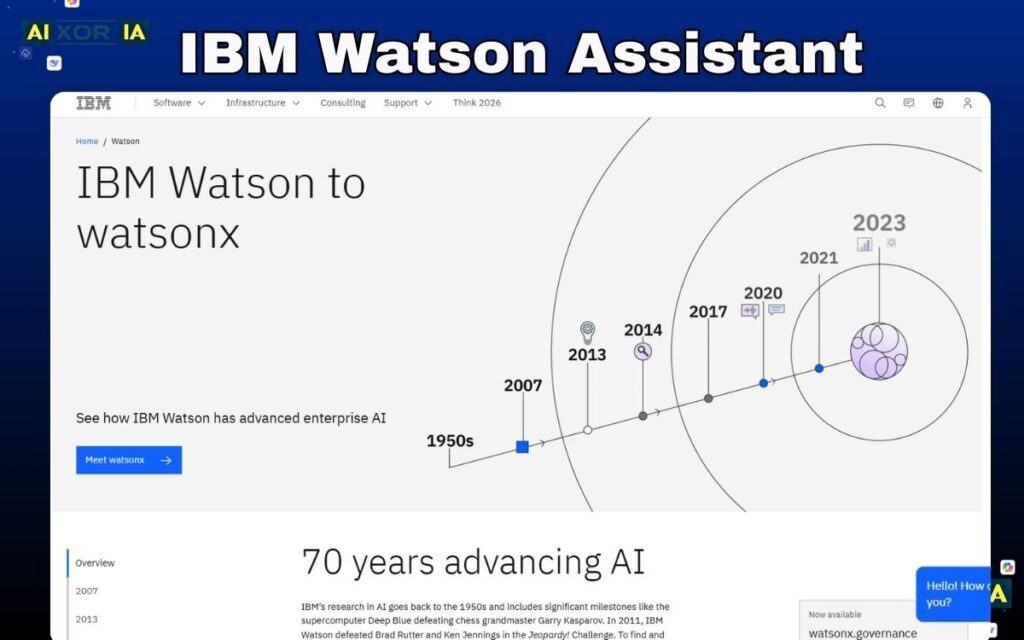
One widely used platform is IBM Watson Assistant, which uses advanced natural language processing to power conversational banking systems.
Key Capabilities
- Intelligent financial chatbots
- Automated account assistance
- Voice-enabled banking services
- Multilingual customer support
In 2026, these systems are evolving into Agentic Banking Workflows, where AI agents coordinate multiple banking processes automatically.
Example workflow:
- Customer requests loan eligibility
- AI gathers financial data
- Risk model evaluates credit profile
- Loan offer generated instantly
This reduces manual processing while improving response time for customers.
2. Real-Time Fraud Detection with AI
Financial fraud is becoming increasingly sophisticated. Traditional rule-based systems cannot keep up with modern cybercrime patterns.
AI-powered fraud detection tools analyze behavioral anomalies, transaction velocity, and spending patterns in real time.
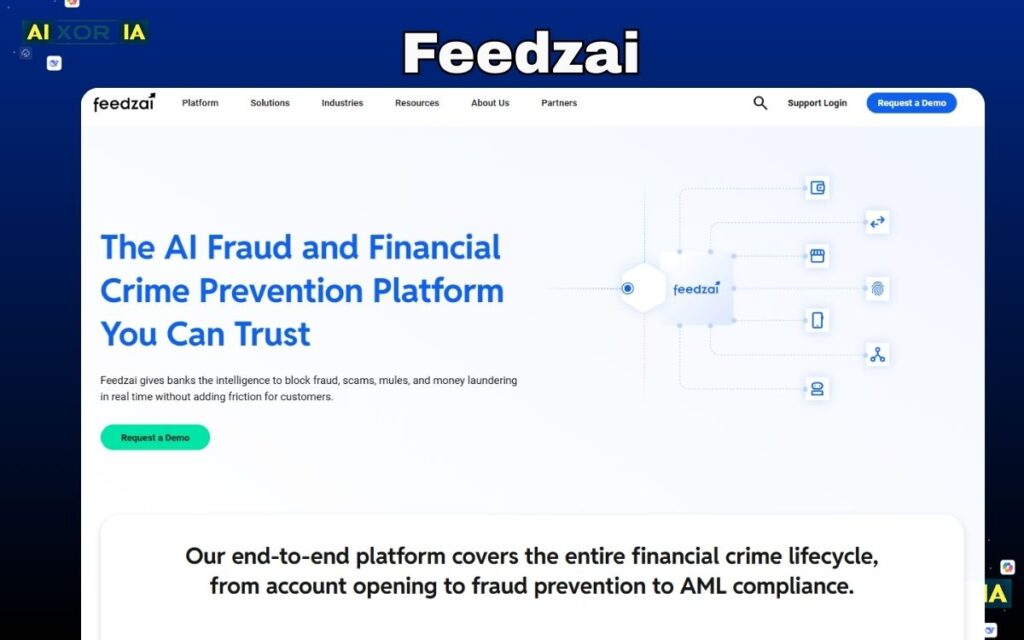
A leading platform in this field is Feedzai, which monitors digital transactions across banking channels.
Fraud Detection Probability Model
Modern AI systems calculate a Fraud Probability Score to determine whether a transaction should be blocked.
Fraud Probability Score:Fs=Transaction Velocity∑(Anomaly Weight×User History Variance)
Where:
- Anomaly Weight represents unusual behavioral signals
- User History Variance measures deviation from past spending patterns
- Transaction Velocity evaluates transaction frequency
If:Fs>0.85
the AI system flags the transaction as high-risk and automatically blocks it or requests verification.
This approach enables banks to achieve near real-time fraud prevention while minimizing false positives.
3. AI Credit Risk Assessment and Lending
Traditional credit scoring systems rely heavily on historical financial data, which can exclude many potential borrowers.
Modern AI lending platforms evaluate alternative financial signals, improving accuracy and fairness.
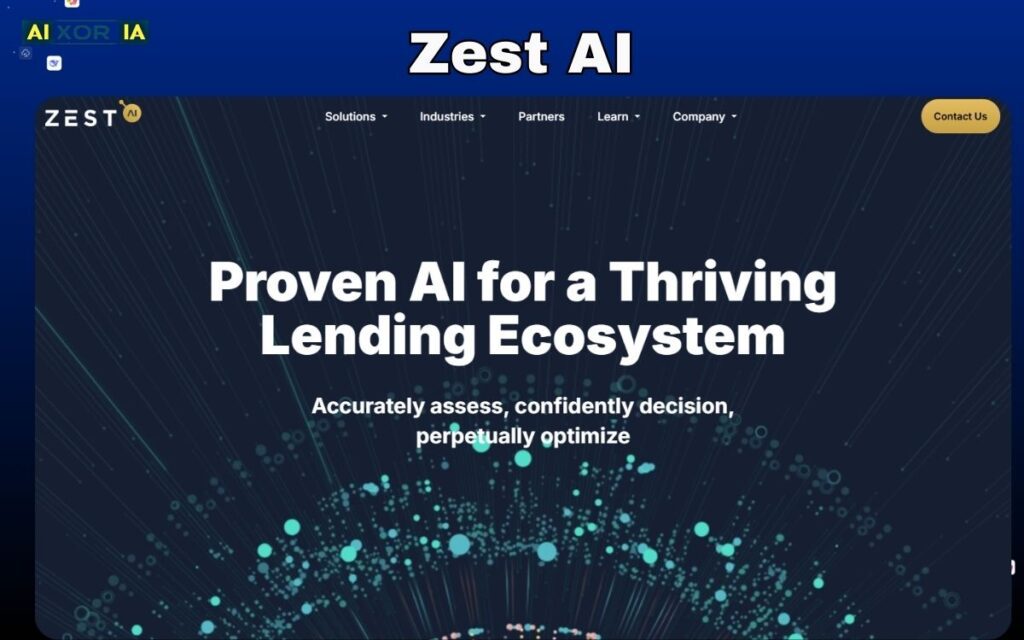
One leading solution is Zest AI, which uses machine learning models designed to comply with financial regulations.
Benefits of AI Credit Analysis
- Faster loan approvals
- Improved risk prediction
- Reduced lending bias
- Expanded financial inclusion
A key innovation here is Explainable AI (XAI), which ensures that lending decisions remain transparent and compliant with financial regulations.
4. Hyper-Personalized Financial Insights
Digital banking is evolving from basic account management to AI-driven financial guidance.
Platforms like Personetics analyze customer behavior and deliver predictive insights.
Examples include:
- Cash-flow forecasting
- Automated budgeting suggestions
- Spending alerts
- Personalized savings strategies
These insights help customers make better financial decisions and improve financial literacy.
Regulatory Compliance and Banking AI Standards
Financial institutions must follow strict regulatory frameworks when deploying AI technologies.
Key standards shaping AI banking systems include:
DORA (Digital Operational Resilience Act)
The Digital Operational Resilience Act requires financial institutions to maintain resilient digital infrastructure capable of withstanding cyber threats.
ISO 20022
The ISO 20022 standard enables structured financial messaging, improving interoperability between banking systems worldwide.
Data Privacy Regulations
Modern AI banking tools must comply with:
- GDPR
- CCPA 2.0
- regional financial privacy laws
Compliance ensures that AI-powered financial systems remain secure, transparent, and legally compliant.
Future Trends in AI-Powered Banking
Over the next decade, several emerging technologies will further transform digital banking.
Generative Wealth Managers
AI-driven wealth advisors will analyze customer portfolios and automatically recommend investment strategies.
Autonomous Banking Agents
AI systems will soon be capable of managing routine financial activities such as:
- bill payments
- savings optimization
- investment rebalancing
Quantum-Resistant Financial Security
With the rise of quantum computing, banks are preparing for quantum-resistant encryption systems to protect financial data from future cyber threats.
Conclusion
Artificial intelligence is becoming the foundation of modern digital banking.
Platforms such as IBM Watson Assistant, Feedzai, Zest AI, and Personetics are enabling banks to deliver faster, safer, and more intelligent financial services.
As financial technology continues to evolve, institutions that integrate advanced AI tools will gain a significant advantage in delivering secure, personalized, and efficient digital banking experiences.
What are AI tools in digital banking?
AI tools in digital banking are software systems that use machine learning, predictive analytics, and automation to improve banking services. These tools help banks detect fraud, automate customer service, analyze financial risks, and provide personalized financial insights.
Platforms like IBM Watson Assistant and Feedzai allow banks to process large amounts of financial data and make intelligent decisions in real time.
How does AI improve fraud detection in digital banking?
AI improves fraud detection by analyzing transaction patterns, user behavior, and unusual financial activity. Machine learning models can identify suspicious behavior much faster than traditional rule-based systems.
For example, platforms such as Feedzai monitor millions of transactions and use behavioral analytics to detect anomalies that may indicate fraudulent activity.
Which AI tools are most widely used in banking?
Some of the most widely used AI tools in modern banking include:
IBM Watson Assistant – AI customer support
Feedzai – fraud detection and risk monitoring
Zest AI – AI credit risk assessment
Personetics – personalized financial insights
These tools help banks automate operations while improving security and customer experience.
Are AI banking systems secure?
Yes, most AI banking platforms are built with advanced security protocols such as encryption, behavioral authentication, and anomaly detection. Many systems also follow global standards like ISO 20022 to ensure secure financial data exchange.
However, banks must continuously update their systems to protect against evolving cyber threats.
What is the future of AI in digital banking?
The future of AI in banking includes technologies such as:
Generative AI financial advisors
Autonomous banking agents
Hyper-personalized financial planning
Quantum-resistant cybersecurity
These innovations will enable banks to deliver more intelligent and personalized financial services while improving operational efficiency.
3 thoughts on “Best AI Tools for Enhancing Digital Banking (2026 Expert Guide)”