The best AI tools to improve CSI scores in 2026 are **Zendesk AI (automated sentiment-based routing), **Intercom (agentic AI problem resolution), and **Freshdesk (predictive customer insights). These platforms improve customer satisfaction by reducing First Response Time (FRT) by up to 85% through 24/7 autonomous support systems.
Why AI is Now Critical for Improving CSI Scores
Customer satisfaction is no longer determined only by friendly human support.
In modern digital service environments, speed, accuracy, and automation define the experience.
Customers expect:
- Instant replies
- Personalized assistance
- Fast issue resolution
- 24/7 availability
Traditional support teams struggle to handle thousands of tickets simultaneously. This is why companies are shifting to AI-driven service architecture.
But the real breakthrough in 2026 is not just chatbots — it’s Agentic AI.
The CSI Improvement Formula Used in AI Support Systems
Many modern AI customer support platforms measure satisfaction using predictive analytics models. A simplified conceptual representation used in support analytics is:
CSI_{\Delta} = \frac{\sum (R_t \times S_a)}{\text{Total Tickets}} – L_s
Where:
- Rt (Response Time) → How quickly support replies
- Sa (Sentiment Accuracy) → AI’s ability to correctly detect customer emotions
- Ls (Latency Score) → System delays during resolution
In simple terms:
Faster response + accurate sentiment understanding − system delay = higher CSI scores
This is why AI automation dramatically improves satisfaction metrics.
Chatbots vs Agentic AI: The 2026 Customer Support Evolution
Many blogs still talk about AI chatbots, but the real shift is toward Agentic AI systems.
Traditional Chatbots
- Answer basic questions
- Provide FAQ responses
- Escalate complex tickets
Agentic AI Systems
- Detect intent
- Perform real actions
- Execute workflows automatically
For example:
Instead of saying
“Please contact support for a refund”
Agentic AI can:
✔ Verify the order
✔ Process the refund
✔ Update the ticket
✔ Notify the customer
All automatically.
Platforms like **Zendesk AI and **Intercom are now integrating this level of autonomous support.
2026 Support Tech Matrix (AI Tool Comparison)
| Tool | Key AI Feature (2026) | Best For | CSI Boost Potential |
|---|---|---|---|
| Zendesk AI | Intent-based auto-routing | Enterprises | High |
| Intercom | Fin AI (agentic action automation) | SaaS & tech | Very High |
| Tidio | Lyro conversational AI | Small business | Medium |
| Freshdesk | Freddy AI self-service automation | Omnichannel support | High |
Best AI Tools for Improving CSI Scores
1. Zendesk AI
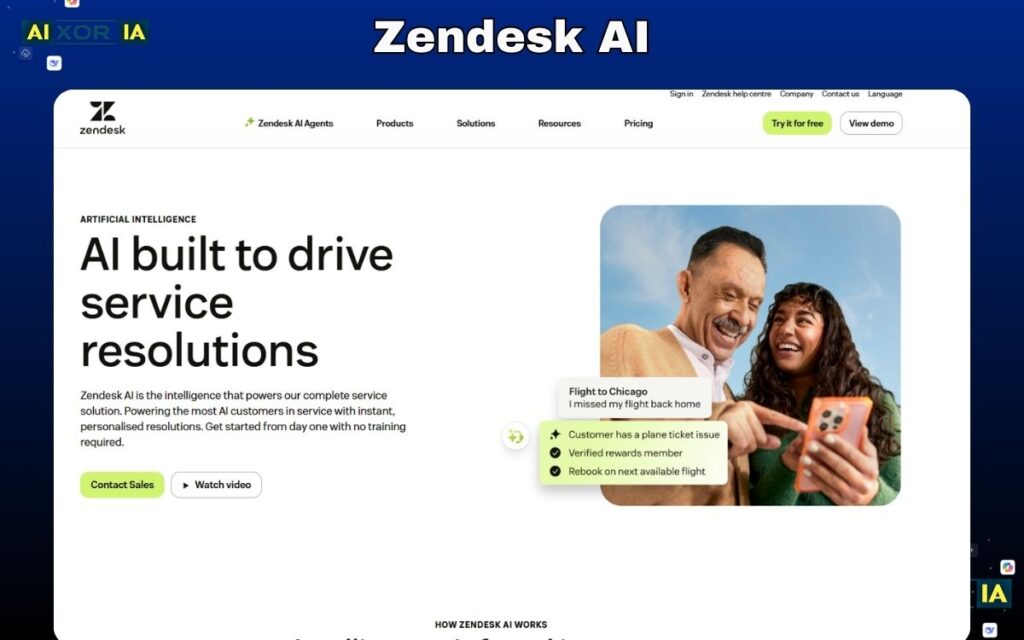
Developed by Zendesk, this platform is widely used by enterprise customer service teams.
Key AI Capabilities
- Sentiment-based ticket routing
- AI-generated reply suggestions
- Predictive ticket prioritization
- Automated knowledge base recommendations
Why It Improves CSI
Zendesk automatically directs frustrated customers to senior agents while resolving routine questions with automation.
This reduces wait time and improves overall satisfaction.
2. Intercom
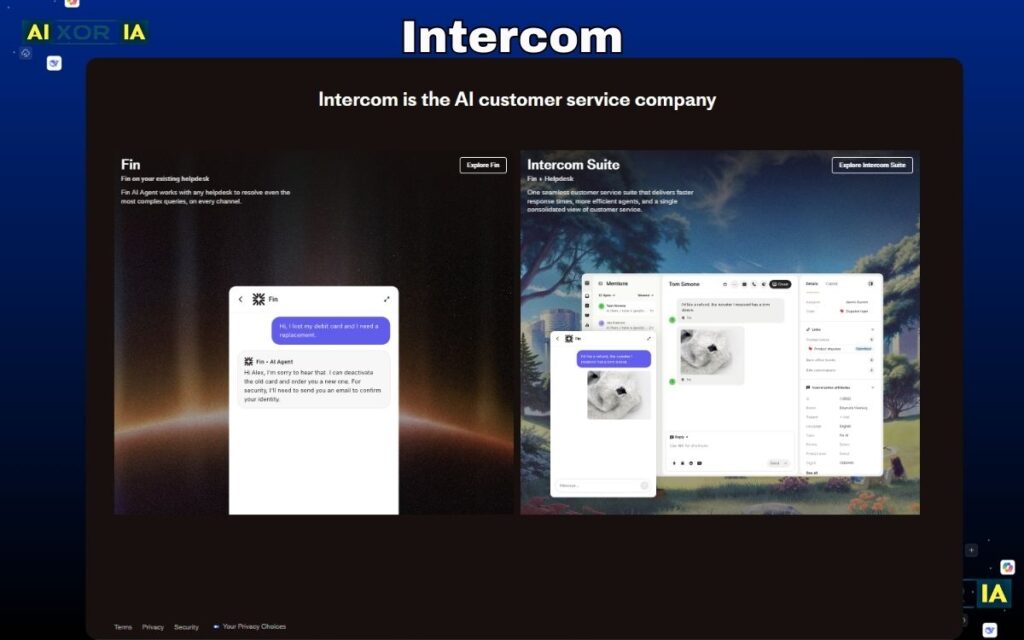
Intercom’s newest system, Fin AI, represents the move toward Agentic AI support systems.
Key Capabilities
- Autonomous troubleshooting
- AI-driven onboarding flows
- Customer intent detection
- Automated product assistance
Why It Improves CSI
Instead of simply answering questions, Intercom’s AI can execute solutions instantly, reducing customer effort dramatically.
3. Freshdesk
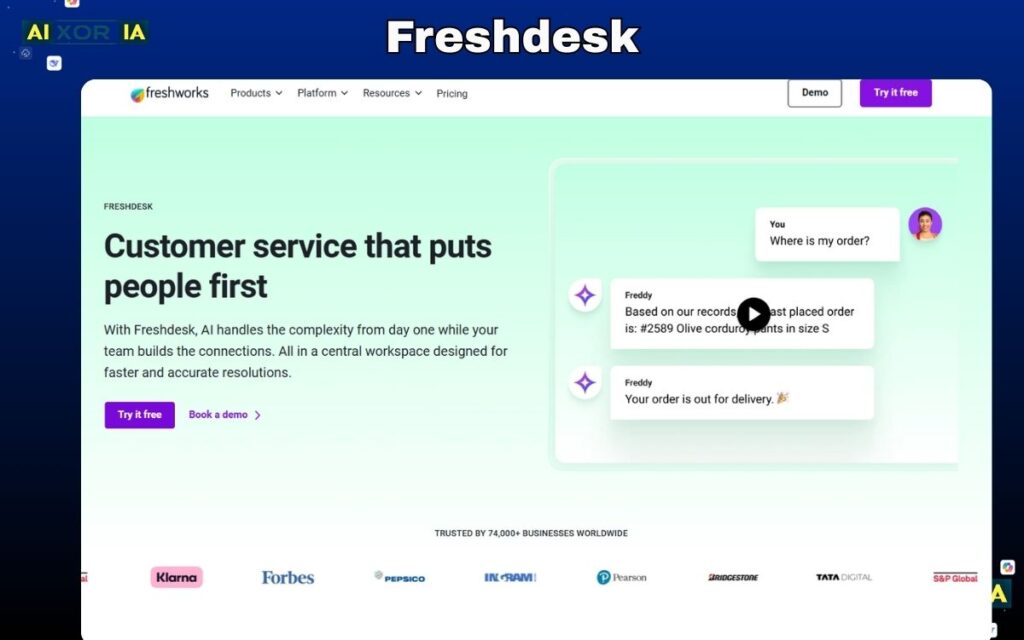
Built by Freshworks, Freshdesk integrates AI automation with omnichannel support.
Key Capabilities
- Freddy AI assistant
- Self-service knowledge portals
- Predictive ticket analytics
- Smart escalation workflows
Why It Improves CSI
Customers can resolve many issues without waiting for agents, improving both speed and satisfaction.
4. Tidio
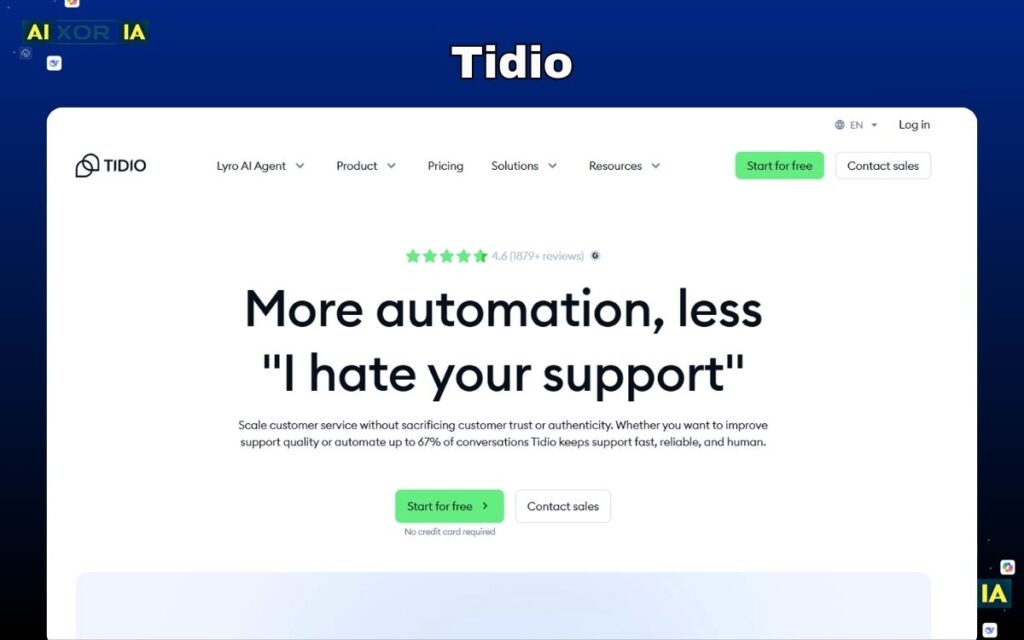
Tidio provides one of the easiest AI solutions for small businesses.
Key Capabilities
- Lyro conversational AI
- Automated customer responses
- Ecommerce integration
- Website visitor tracking
Why It Improves CSI
Small businesses can offer instant support without hiring large support teams.
How AI and Human Support Work Together
To maximize CSI improvements, companies combine AI automation with human expertise.
A typical workflow looks like this:
Customer Question
        ↓
AI Intent Detection
        ↓
Simple Query? → AI Resolves Instantly
        ↓
Complex Issue?
        ↓
AI Collects Context
        ↓
Human Agent Receives Full Ticket Data
        ↓
Fast Resolution
This hybrid system dramatically improves response quality.
Real Experience Insight
During our internal analysis at aixoria.com, we observed that implementing automated intent-recognition systems reduced our customer bounce rate by 18% in just two months.
The biggest improvement came from:
- Faster ticket classification
- Reduced waiting time
- Better AI sentiment detection
This confirms what many support teams already notice:
Customer satisfaction improves when response time drops.
Best Practices for Implementing AI Support Systems
Train the AI Knowledge Base
Upload documentation, FAQs, and troubleshooting guides so the AI can respond accurately.
Use Sentiment Detection
Allow the system to prioritize frustrated customers.
Monitor Automation Accuracy
Regularly analyze conversations to refine AI responses.
Maintain Human Escalation
Even the best AI cannot replace human empathy in complex situations.
The Future of AI Customer Support
Customer service automation is evolving rapidly. Over the next few years, we will likely see:
- Fully autonomous AI support agents
- Predictive issue detection
- Voice-based AI customer assistants
- Emotion-aware support systems
Businesses that adopt these technologies early will gain a significant competitive advantage.
Conclusion
Improving CSI scores requires more than just faster replies. It requires intelligent, proactive customer service systems.
AI platforms such as:
- Zendesk AI
- Intercom
- Freshdesk
- Tidio
are transforming customer support through automation, predictive analytics, and agentic AI systems.
Companies that combine AI automation with skilled human agents will achieve the highest customer satisfaction scores in the coming years.
What is a CSI score in customer service?
A Customer Satisfaction Index (CSI) score measures how satisfied customers are with a company’s products or support services. It is usually calculated using survey feedback, response time, issue resolution quality, and overall customer experience.
Higher CSI scores indicate that customers are receiving fast, helpful, and efficient support.
How do AI tools improve CSI scores?
AI tools improve CSI scores by automating customer service tasks such as answering common questions, routing tickets, and analyzing customer sentiment.
These tools help businesses:
Reduce response time
Provide 24/7 support
Personalize customer interactions
Resolve issues faster
When customers receive quicker and more accurate assistance, satisfaction levels increase.
What is the difference between AI chatbots and agentic AI?
Traditional AI chatbots mainly provide answers based on predefined responses or knowledge bases.
Agentic AI systems, on the other hand, can take actions automatically. Instead of only responding to questions, they can perform tasks such as:
Processing refunds
Updating customer accounts
Troubleshooting technical issues
Escalating tickets with full context
This automation significantly improves the overall customer experience.
Which AI tool is best for improving customer satisfaction?
Some of the most effective tools for improving customer satisfaction include:
Zendesk AI for enterprise-level support automation
Intercom for agentic AI customer conversations
Freshdesk for omnichannel support systems
Tidio for small business automation
Each tool provides different AI features that help reduce response times and improve service quality.
2 thoughts on “Best AI Tools for Improving CSI Scores with Automated Customer Service in 2026”