Email newsletters remain one of the highest ROI marketing channels, but most platforms lock key features behind subscriptions, limit customization, or restrict data ownership. That’s why many businesses, developers, and creators in the US are shifting toward open source email newsletter software—tools that offer full control, flexibility, and long-term scalability.
Open source solutions allow you to host your own data, customize workflows, and avoid recurring SaaS costs. In 2026, these platforms have evolved significantly, with many now integrating automation, advanced analytics, and even AI-assisted features.
This guide covers the best open source email newsletter software in 2026, with detailed breakdowns, use cases, pricing models, and AI capabilities where available.
Table of Contents
What Makes the Best Open Source Email Newsletter Software?
Open source email tools are not just about sending emails—they need to support complete lifecycle management.
Full ownership and control
You host your data, manage your infrastructure, and control how campaigns run.
Automation and workflow capabilities
Modern tools should support triggers, segmentation, and drip campaigns.
Scalability
From small newsletters to enterprise-level email systems.
Customization and extensibility
APIs, plugins, and developer flexibility are critical.
AI and smart features
Some tools now support AI-driven personalization, subject line optimization, or workflow automation.
READ MORE – 9 Best Automated Email Newsletter Software in 2026
The Best Open Source Email Newsletter Software at a Glance
| Tool | Best For | Key Strength |
|---|---|---|
| Listmonk | High-performance bulk sending | Speed + self-hosting |
| Mautic | Marketing automation | Advanced campaigns |
| Mailtrain | Self-hosted newsletters | Simplicity + control |
| Sendy | Amazon SES users | Cost efficiency |
| phpList | Beginners | Stability + community |
| Keila | Modern UI | Lightweight + privacy-focused |
| Postal | Developers | Email infrastructure |
| Listserv alternatives (Sympa) | Academic/org use | Mailing lists |
| MoonMail OSS | AWS-based sending | Scalability |
Best Open Source Email Tool for High-Performance Sending
Listmonk
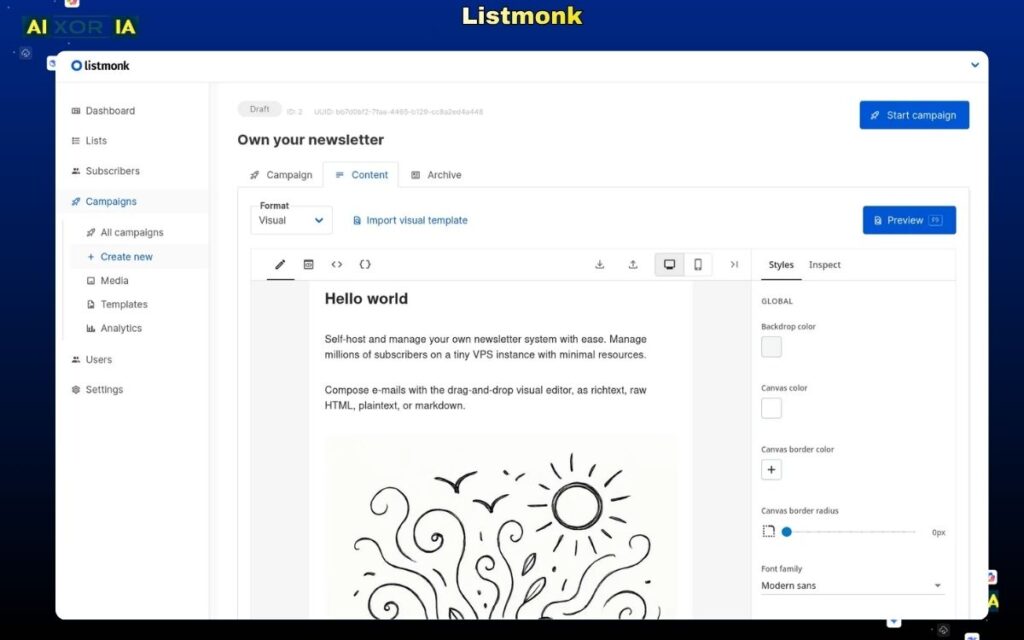
Listmonk is a high-performance, self-hosted newsletter and mailing list manager built for speed and simplicity. It’s designed to handle large-scale email campaigns with minimal resource usage, making it a strong choice for developers and startups.
It supports subscriber management, segmentation, campaign tracking, and REST APIs for integrations. The interface is clean and functional, focusing on performance rather than visual complexity.
AI capabilities:
Listmonk does not include built-in AI features, but it integrates easily with external AI tools via APIs. Many teams connect it with AI services to generate subject lines, personalize email content, or automate segmentation logic. This flexibility allows developers to build custom AI-powered workflows on top of Listmonk’s fast infrastructure.
Pricing: Free (open source); hosting costs apply
Pros:
- Extremely fast and lightweight
- Self-hosted with full control
- Strong API support
Cons:
- No native AI features
- Limited built-in templates
Best Open Source Marketing Automation Platform
Mautic

Mautic is one of the most powerful open source marketing automation platforms available. It goes beyond newsletters, offering full campaign automation, lead scoring, landing pages, and CRM-like capabilities.
You can build complex workflows with triggers, conditions, and actions—making it suitable for businesses that need advanced segmentation and personalization.
AI capabilities:
Mautic can be extended with AI integrations for predictive segmentation, automated content generation, and behavioral targeting. While not native, its ecosystem allows integration with AI tools that analyze user behavior and optimize campaigns over time, making it competitive with paid platforms.
Pricing: Free (open source); enterprise hosting/services vary
Pros:
- Full marketing automation suite
- Highly customizable
- Large community support
Cons:
- Steep learning curve
- Requires technical setup
Best Simple Self-Hosted Newsletter Tool
Mailtrain
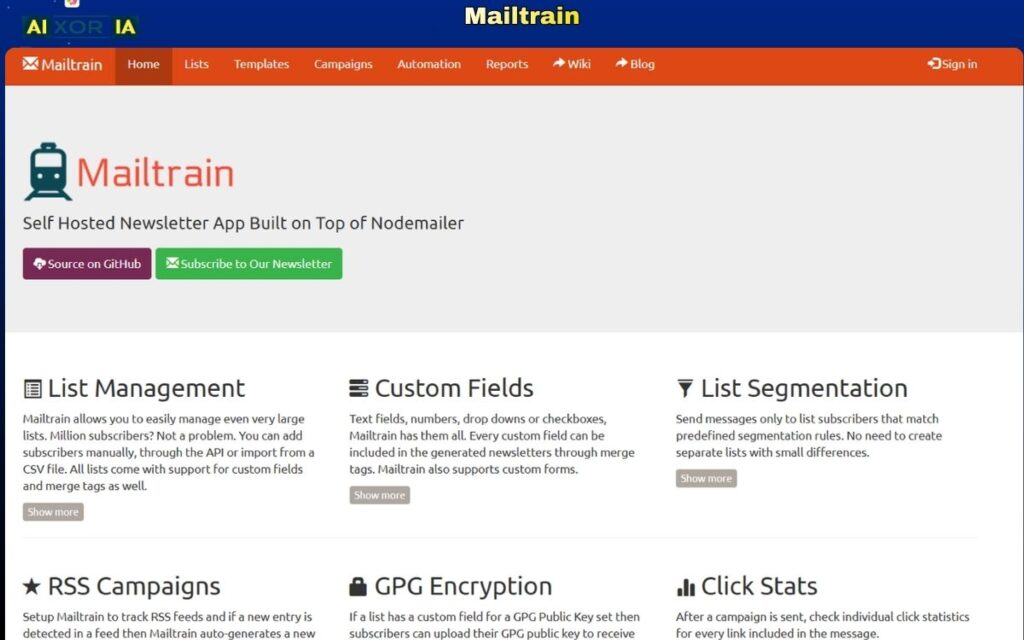
Mailtrain is built for users who want a simple, reliable way to send newsletters without unnecessary complexity. It supports list management, templates, and campaign tracking.
It integrates with services like Amazon SES, SendGrid, and others, allowing cost-effective email delivery.
AI capabilities:
Mailtrain itself does not include AI features, but it can be paired with external AI tools for content creation and campaign optimization. For example, users often integrate AI-generated copy or subject lines before sending campaigns.
Pricing: Free; infrastructure costs apply
Pros:
- Easy to use
- Flexible sending options
- Fully self-hosted
Cons:
- Limited automation
- Basic interface
Best Budget-Friendly Email Solution for AWS Users
Sendy
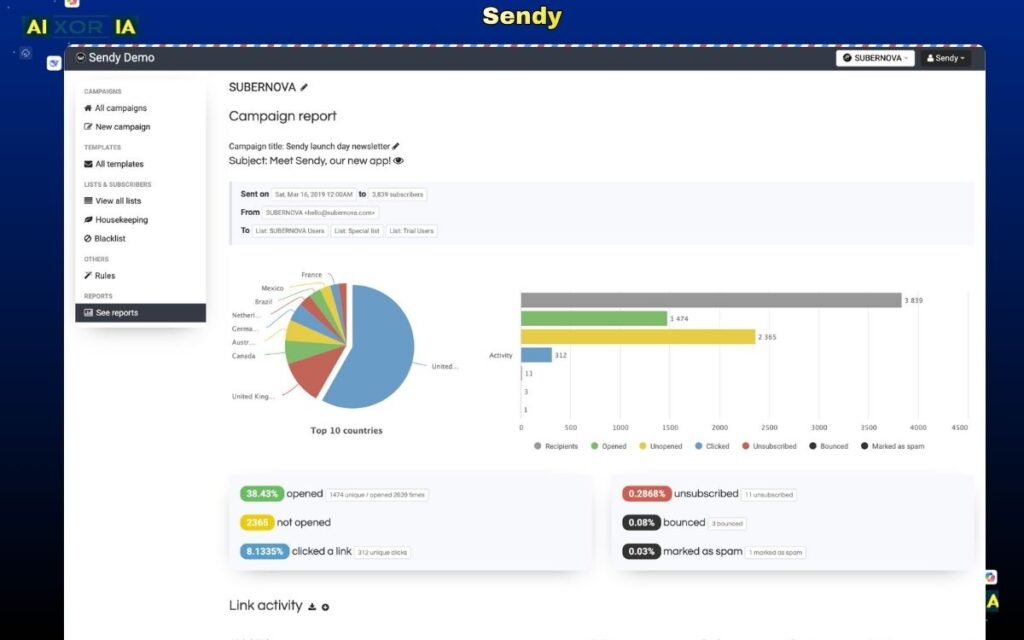
Sendy is a self-hosted email newsletter application that works with Amazon SES to deliver emails at extremely low cost. While not fully open source, it’s often included in this category due to its self-hosted nature and flexibility.
It’s ideal for businesses that send large volumes of emails and want to reduce costs significantly.
AI capabilities:
Sendy relies on external tools for AI functionality. Many users integrate AI for subject line testing, personalization, and segmentation strategies, especially when combined with AWS-based analytics.
Pricing: One-time fee + Amazon SES costs
Pros:
- Very low sending cost
- Scalable with AWS
- Reliable delivery
Cons:
- Not fully open source
- Limited built-in automation
Best Open Source Tool for Beginners
phpList

phpList is one of the oldest and most stable open source email marketing tools. It’s widely used and supported by a large community.
It offers list management, scheduling, and tracking features, making it suitable for beginners who want a reliable starting point.
AI capabilities:
phpList does not offer native AI features, but it can be enhanced with external integrations. Users often combine it with AI writing tools to improve campaign performance.
Pricing: Free; hosted version available
Pros:
- Mature and stable
- Beginner-friendly
- Large community
Cons:
- Outdated UI
- Limited modern features
Best Modern Lightweight Newsletter Tool
Keila
Keila is a newer open source newsletter tool focused on privacy, simplicity, and modern design. It offers a clean interface and supports segmentation, campaigns, and analytics.
It’s designed for users who want a modern alternative to older tools.
AI capabilities:
Keila is evolving toward AI integration, with potential for automated workflows and personalization features through APIs. Its modern architecture makes it easier to integrate AI tools compared to legacy platforms.
Pricing: Free (self-hosted); cloud version available
Pros:
- Clean UI
- Privacy-focused
- Easy to deploy
Cons:
- Smaller ecosystem
- Fewer advanced features
Best Open Source Email Infrastructure Tool
Postal
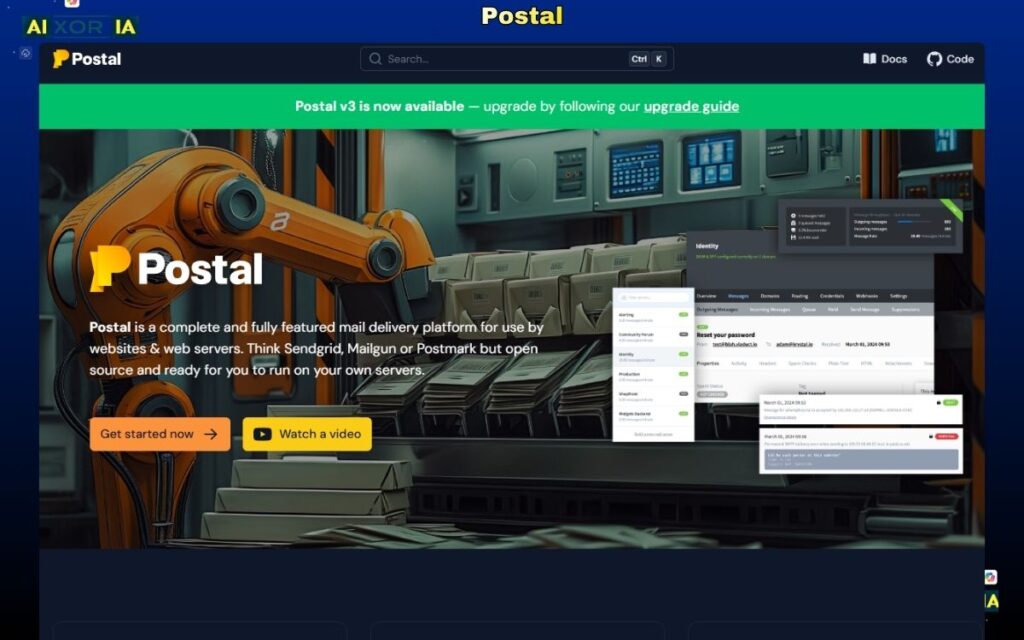
Postal is not a traditional newsletter tool—it’s an open source mail server designed for sending large volumes of emails.
It’s best suited for developers who want full control over email infrastructure.
AI capabilities:
Postal can be combined with AI systems for intelligent routing, spam filtering, and performance optimization. However, all AI functionality must be implemented externally.
Pricing: Free; server costs apply
Pros:
- Full infrastructure control
- High scalability
- Developer-friendly
Cons:
- Not beginner-friendly
- Requires technical expertise
Best Open Source Mailing List Manager
Sympa
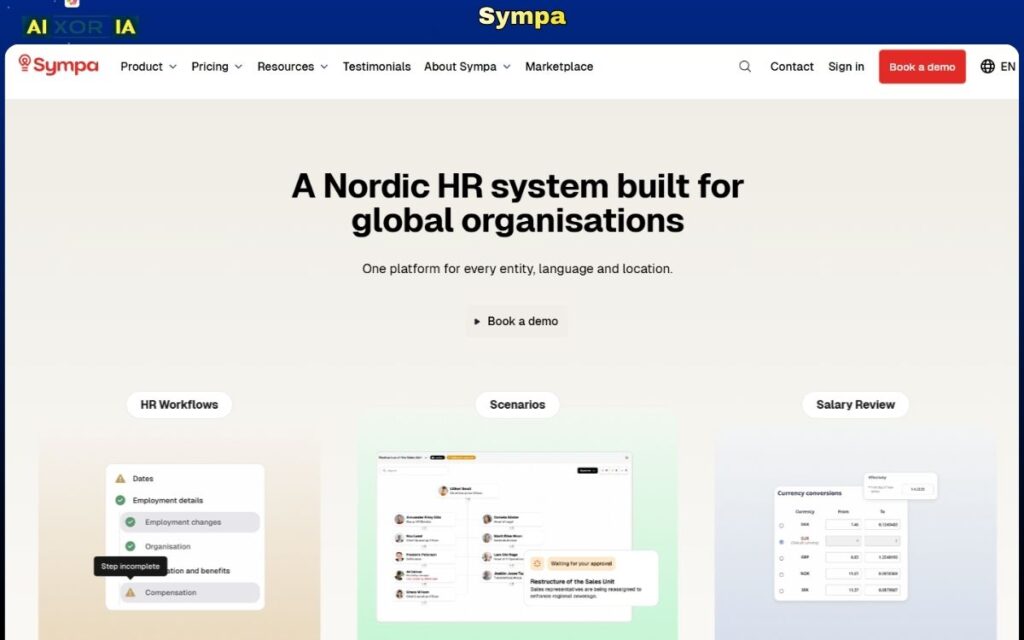
Sympa is widely used in academic and enterprise environments for managing large mailing lists. It supports advanced list management, moderation, and automation.
AI capabilities:
AI integration is limited but possible through external tools for moderation, content filtering, and analytics.
Pricing: Free
Pros:
- Strong for large organizations
- Advanced list control
- Reliable
Cons:
- Complex setup
- Not marketing-focused
Best AWS-Based Open Source Email Platform
MoonMail
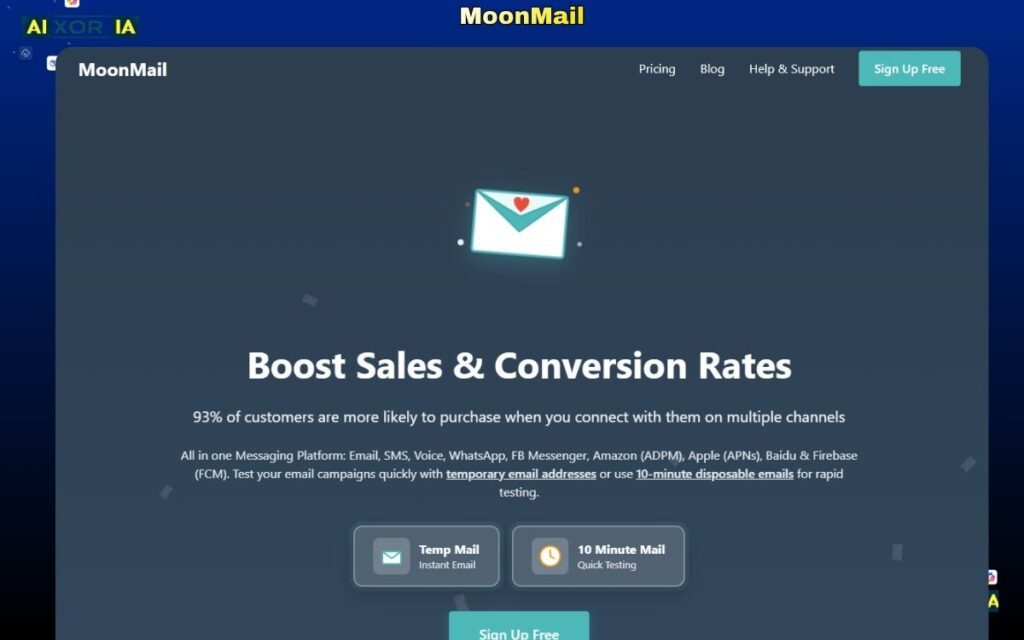
MoonMail offers an open-source-like structure built on AWS infrastructure, allowing scalable email campaigns.
AI capabilities:
MoonMail integrates AI for campaign optimization, analytics, and segmentation. It helps improve open rates and engagement through data-driven insights.
Pricing: Free tier + usage-based pricing
Pros:
- Scalable
- AWS-powered
- AI-driven insights
Cons:
- AWS dependency
- Setup complexity
How to Choose the Right Open Source Email Newsletter Software
Your choice depends on your needs:
- For automation-heavy campaigns → Mautic
- For performance and speed → Listmonk
- For simplicity → Mailtrain or Keila
- For low-cost sending → Sendy
- For infrastructure control → Postal
Many organizations combine tools—for example, using Mautic for automation and Postal for delivery.
The Role of AI in Open Source Email Tools (2026)
AI is becoming a key differentiator in email marketing.
Modern workflows now include:
- AI-generated email copy
- Subject line optimization
- Predictive segmentation
- Behavior-based automation
While most open source tools don’t include native AI, their flexibility allows integration with external AI systems—giving businesses full control over how intelligence is applied.
Final Thoughts
Open source email newsletter software in 2026 offers a powerful alternative to traditional SaaS platforms. You gain control, flexibility, and cost efficiency, but you also take on responsibility for setup and maintenance.
The best choice depends on your technical capability and campaign needs. For many US-based businesses, combining open source tools with AI integrations provides the ideal balance between performance and scalability.