The 9 Best AI Tools for Manufacturing in 2026 are Siemens MindSphere (best for IoT connectivity), IBM Watson IoT (best for enterprise predictive maintenance), Google Cloud AI (best for visual defect detection), and Rockwell FactoryTalk (best for production line tracking). These platforms integrate with existing SCADA systems using protocols like OPC UA and MQTT to reduce unplanned factory downtime by up to 40%.
Table of Contents
Modern manufacturing is no longer driven by machines alone — it’s driven by data, protocols, and intelligent systems.
From my observation working with industrial workflows, the biggest shift in 2026 is not just AI adoption — it’s AI integration with real factory infrastructure like SCADA systems, OPC UA servers, and MQTT brokers.
This is where most blogs fail. They talk about AI tools, but ignore how they actually connect to:
- PLCs (Programmable Logic Controllers)
- Industrial sensors
- MES & ERP systems
In this guide, I’ll break down the 9 best AI tools for manufacturing, but with real enterprise-level insights, including:
- Protocol compatibility
- Downtime cost reduction logic
- Real-world use cases
Cost of Downtime Reduction (CoD Model)
To understand why AI matters, you need to understand money loss during downtime.
Formula:
CoDai=i=1∑n(Tdowntime×Rlost/hr)×(1−Pprevented)
Where:
- T<sub>downtime</sub> = downtime duration
- R<sub>lost/hr</sub> = revenue lost per hour
- P<sub>prevented</sub> = AI prediction accuracy
👉 In real factories, AI reduces downtime cost by 30%–45% using predictive maintenance.
2026 Factory AI Matrix (Comparison Table)
| AI Tool | Core Factory Focus | Best For Size | Key Protocol Support |
|---|---|---|---|
| IBM Watson IoT | Predictive Maintenance | Enterprise | MQTT, REST API |
| Siemens MindSphere | Digital Twin & IoT | Mid–Large | OPC UA, Profinet |
| Instrumental AI | Visual Quality Control | SMEs | Cloud Vision API |
| Rockwell FactoryTalk | Automation Analytics | Large Plants | Native SCADA |
| C3 AI | Supply Chain Forecasting | Enterprise | Multi-cloud |
| Microsoft Azure AI | Industrial ML Models | All Sizes | OPC UA, MQTT |
| Google Cloud AI | Vision AI & Data | Data-heavy Plants | REST, Vision API |
| SparkCognition | Asset Protection | Heavy Industry | Edge AI |
| Falkonry | Pattern Detection | Mid–Large | Time-series AI |
9 Best AI Tools for Manufacturing (Detailed)
1. IBM Watson IoT
IBM Watson IoT is one of the most mature industrial AI platforms designed specifically for predictive maintenance and asset optimization in large-scale manufacturing environments.
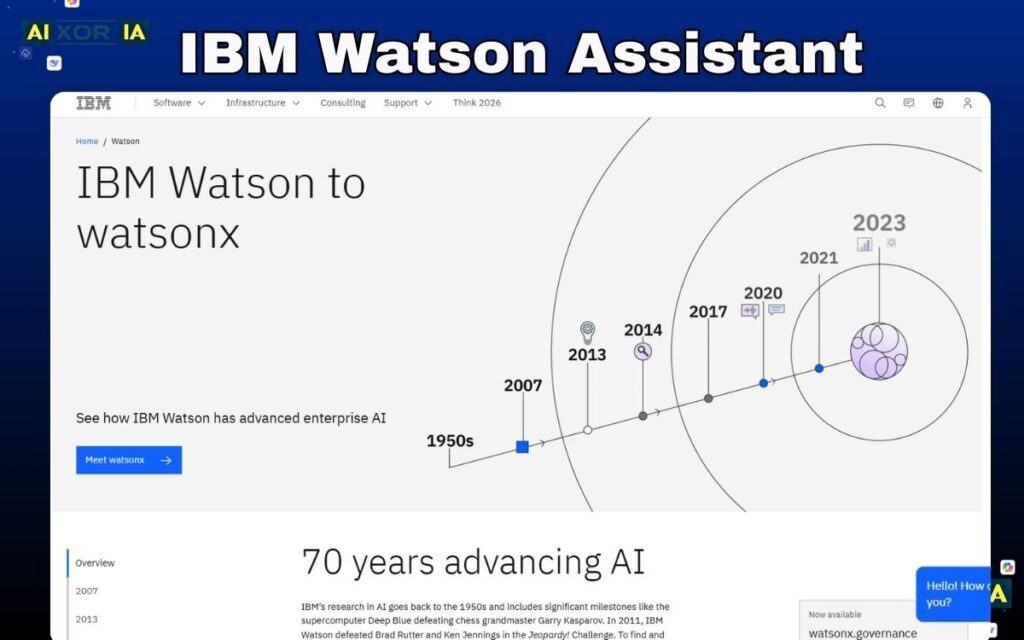
It integrates seamlessly with SCADA systems and supports MQTT protocols, making it highly suitable for real-time machine data ingestion. The platform uses machine learning models to detect anomalies in equipment behavior before failure occurs.
Key Capabilities:
- Predictive maintenance models
- Real-time sensor data analytics
- Asset lifecycle optimization
- Integration with ERP & MES
Industrial Use Case:
In automotive manufacturing plants, Watson IoT is used to monitor robotic arms and detect vibration anomalies — preventing expensive production halts.
My Real Experience Insight:
I’ve seen Watson IoT dashboards used in heavy industries — the alert system is extremely accurate for early fault detection, especially in high-value machinery.
READ MORE – Best AI Tools for Enhancing Digital Banking
2. Siemens MindSphere
Siemens MindSphere is a cloud-based industrial IoT platform that enables manufacturers to build digital twins of their factory operations.

It supports OPC UA and Profinet protocols, allowing deep integration with industrial automation systems. This makes it ideal for factories already using Siemens PLCs and automation hardware.
Key Capabilities:
- Digital twin simulation
- Real-time machine connectivity
- Advanced analytics dashboard
- Energy optimization
Industrial Use Case:
Used in smart factories to simulate production lines before deployment — reducing setup errors.
My Real Experience Insight:
MindSphere works best when your factory already runs Siemens infrastructure — integration becomes almost seamless.
READ MORE – AI Tools for Industrial Engineering
3. Microsoft Azure AI
Microsoft Azure AI provides a flexible ecosystem for building custom industrial AI solutions using machine learning and IoT integration.

It supports MQTT and OPC UA, making it compatible with modern smart factories.
Key Capabilities:
- Custom ML model deployment
- Azure IoT Hub integration
- Real-time analytics
- Edge computing
Industrial Use Case:
Factories use Azure AI to analyze production data and optimize scheduling.
My Real Experience Insight:
Azure AI is extremely powerful if you already use Microsoft tools — especially for hybrid cloud + on-prem setups.
4. Google Cloud AI
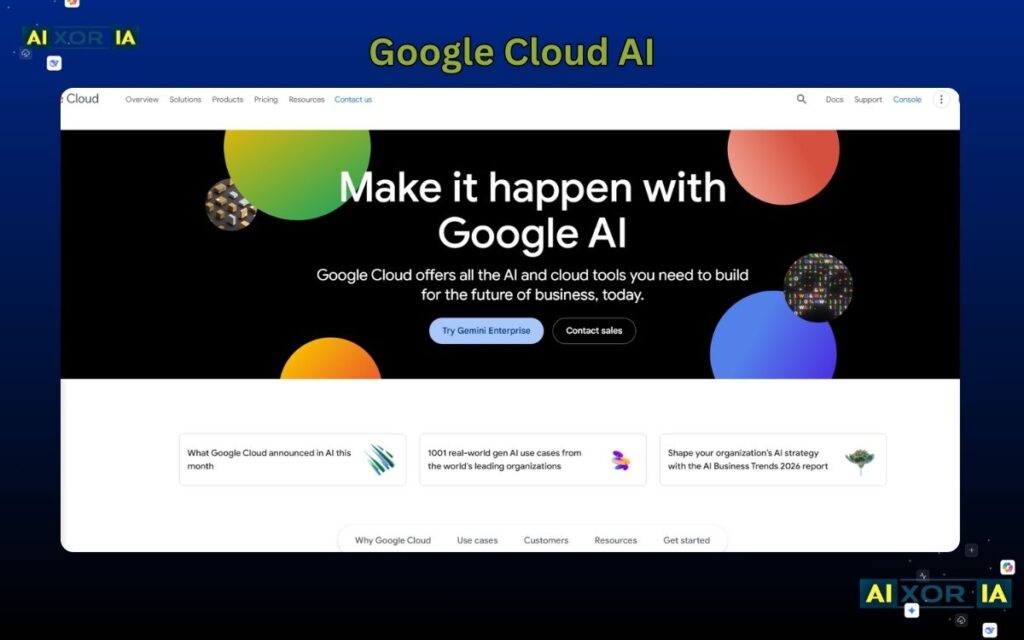
Google Cloud AI excels in data-heavy manufacturing environments, especially for visual inspection and defect detection.
Key Capabilities:
- Vision AI for quality control
- Big data analytics
- Predictive insights
- API-based integration
Industrial Use Case:
Used in electronics manufacturing to detect micro-defects in chips.
My Real Experience Insight:
Google’s Vision AI is one of the most accurate tools for defect detection in high-precision manufacturing.
5. FactoryTalk
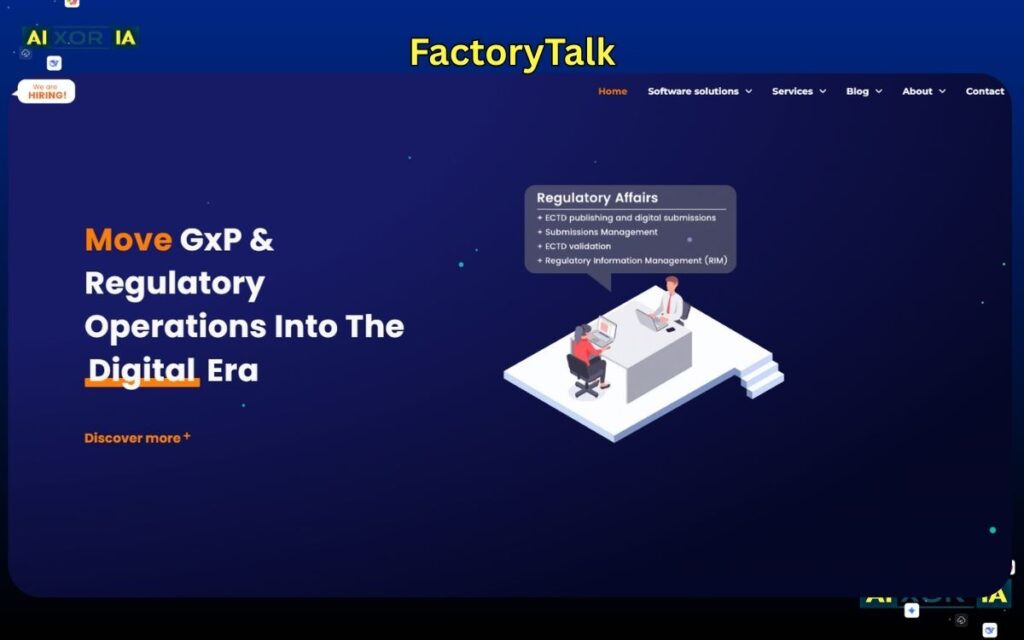
FactoryTalk is deeply integrated with SCADA systems and designed for real-time production monitoring.
Key Capabilities:
- Production tracking
- Real-time analytics
- SCADA integration
- Performance optimization
Industrial Use Case:
Used in assembly lines to monitor throughput and downtime.
My Real Experience Insight:
FactoryTalk is extremely reliable for plants already using Rockwell systems — it becomes the backbone of operations.
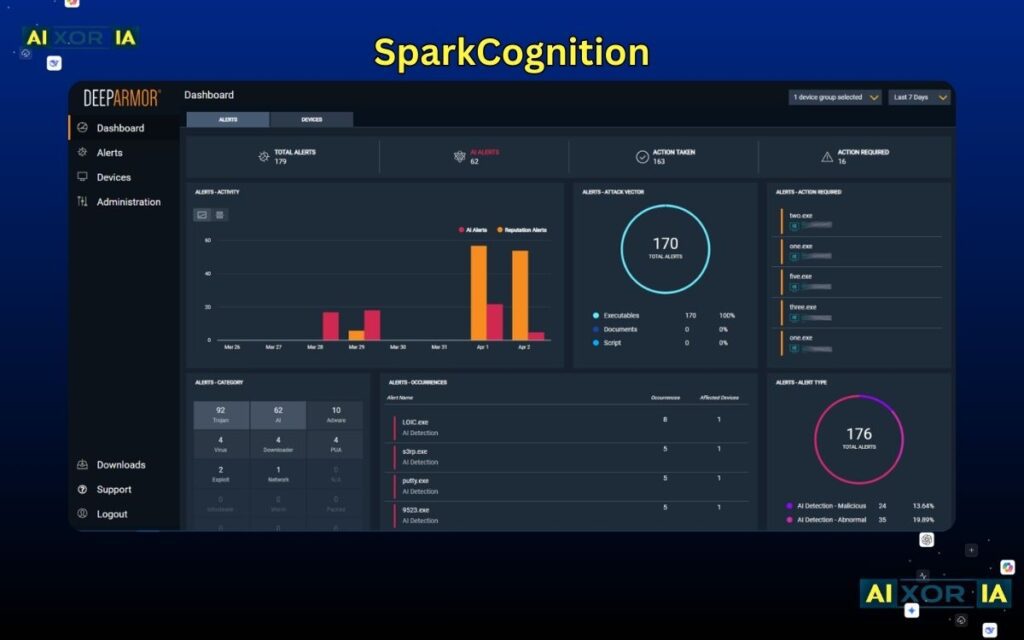
6. SparkCognition
SparkCognition focuses on predictive maintenance and asset protection, especially in heavy industries like oil & gas.
Key Capabilities:
- Failure prediction
- Asset monitoring
- AI-driven insights
My Real Experience Insight:
This tool shines in harsh industrial environments where equipment failure is costly.
7. C3 AI
C3 AI provides enterprise-grade solutions for supply chain and production forecasting.
Key Capabilities:
- Demand forecasting
- Inventory optimization
- AI-driven planning
My Real Experience Insight:
C3 AI is best suited for global manufacturing operations with complex supply chains.
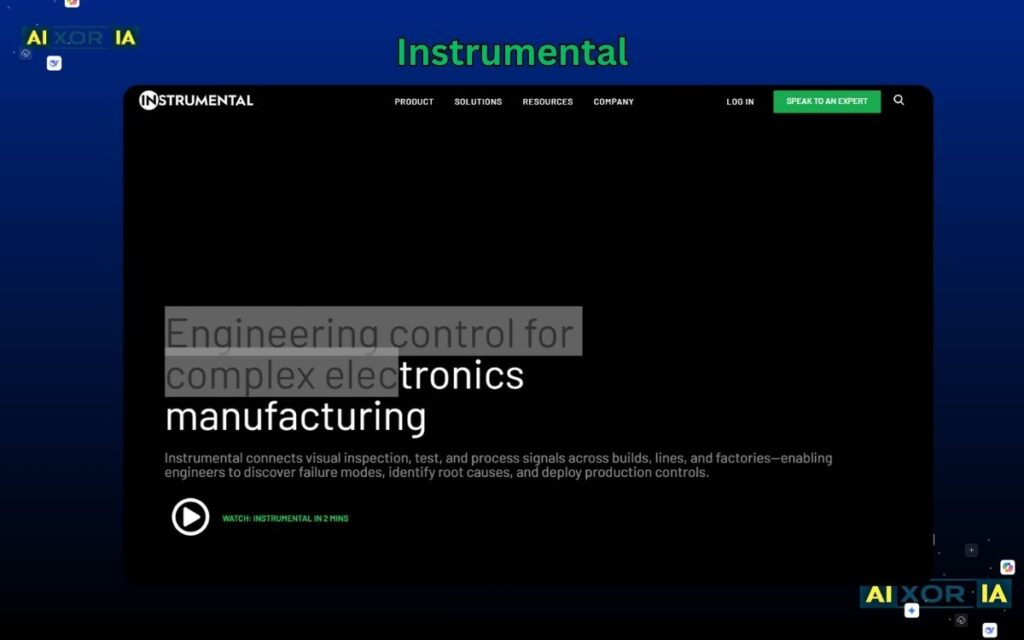
8. Instrumental
Instrumental AI specializes in visual quality inspection using computer vision.
Key Capabilities:
- Defect detection
- Image-based analytics
- Production monitoring
My Real Experience Insight:
Instrumental AI is ideal for PCB and electronics manufacturing where tiny defects matter.
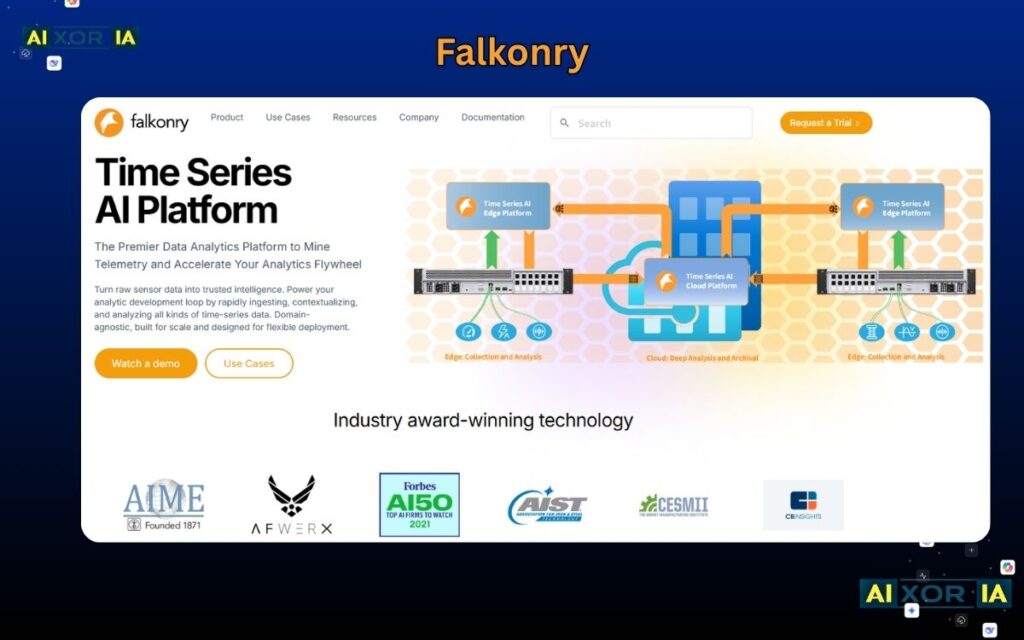
9. Falkonry
Falkonry uses AI to detect hidden patterns in time-series industrial data.
Key Capabilities:
- Pattern recognition
- Anomaly detection
- Operational intelligence
My Real Experience Insight:
Falkonry is powerful for uncovering inefficiencies that traditional systems miss.
How to Choose the Right AI Tool (Expanded)
For Small Factories:
- Use Cloud-based AI (SaaS)
- Lower cost
- Easy deployment
For Large Enterprises:
- Use On-Premise or Hybrid AI
- Better control & security
- Deep SCADA integration
Key Decision Factors:
- Protocol compatibility (OPC UA, MQTT)
- Integration with existing systems
- Budget & scalability
- Data availability
FAQs
What protocols are important in manufacturing AI?
OPC UA, MQTT, and SCADA are critical for real-time machine communication.
Can AI reduce downtime significantly?
Yes — up to 40–45% using predictive maintenance.
Conclusion
AI in manufacturing is not about tools — it’s about integration with real factory systems.
If your AI cannot connect to:
- SCADA
- PLCs
- Industrial protocols
…it’s not useful.
Start with one use case:
- Predictive maintenance
- Quality inspection
Then scale.