Investor presentations are no longer just about slides—they are about clarity, storytelling, and data-driven persuasion. Whether you’re pitching a startup, presenting quarterly results, or preparing for a funding round, the tool you choose directly impacts how your message is delivered and perceived.
The question is not simply what tool works best for investor presentations, but which tool fits your workflow, audience expectations, and level of complexity.
In this guide, we’ll break down the best tools for investor presentations in 2026, including AI-powered platforms, and explain when and why each one works.
Table of Contents
What Makes a Tool Ideal for Investor Presentations?
Before choosing a tool, it’s important to understand what actually matters in an investor context.
1. Clarity and Storytelling
Investors care about:
- Problem clarity
- Market opportunity
- Financials
- Growth potential
Your tool should help you structure narrative flow, not just design slides.
2. Data Visualization
Investor decks require:
- Financial charts
- Growth metrics
- Forecast models
A good tool must support clean, credible data representation, not flashy but confusing visuals.
3. Collaboration and Version Control
In most cases:
- Founders
- Finance teams
- Advisors
…all contribute to the deck.
So the tool must allow:
- Real-time collaboration
- Commenting
- Version tracking
4. AI Assistance (2026 Standard)
Modern tools now offer:
- Auto-generated slides
- Content suggestions
- Design optimization
AI is no longer optional—it’s a productivity multiplier.
READ MORE – What are the Best AI Tools for Work?
The Best Tools for Investor Presentations
Below are the most effective tools used by founders, startups, and enterprises, each suited for different needs.
1. Microsoft PowerPoint — Best for Traditional and Financial Presentations
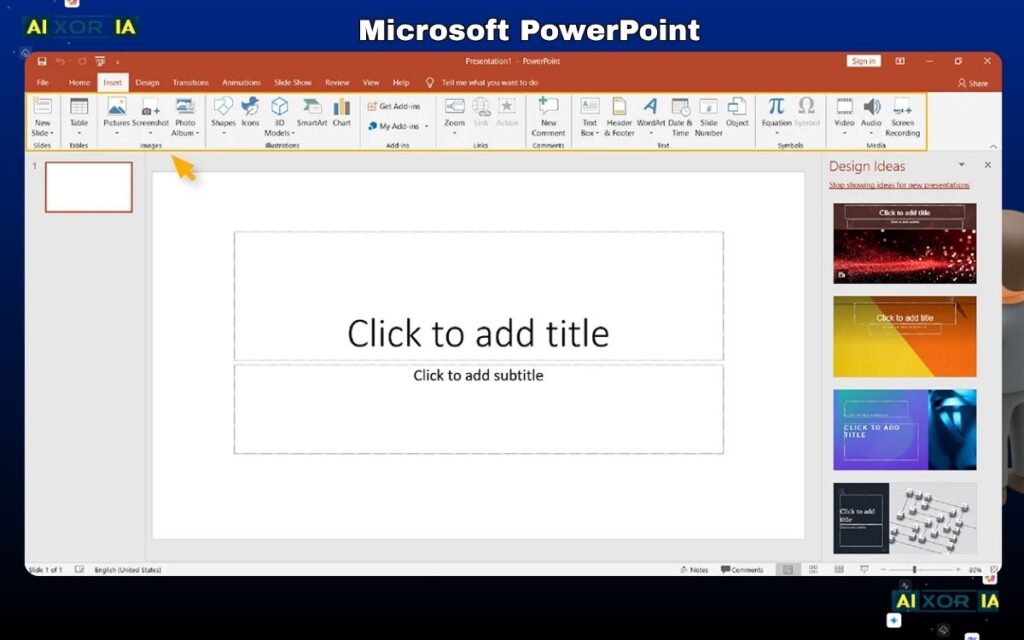
Microsoft PowerPoint remains the industry standard, especially in the US.
Why it works:
- Full control over slide design
- Advanced charting and financial modeling support
- Widely accepted by investors and VCs
Strengths:
- Precise formatting
- Strong offline capabilities
- Integration with Excel for financial data
Limitations:
- Time-consuming to design
- No native AI-first workflow (though improving with Copilot)
Best for:
- Financial-heavy decks
- Enterprise presentations
- Formal investor meetings
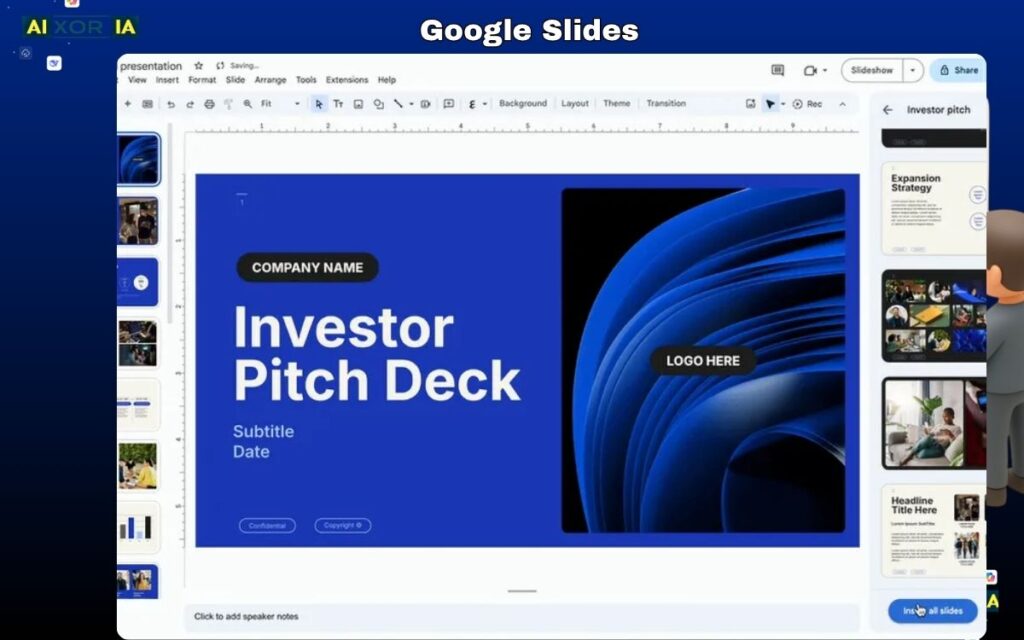
2. Google Slides — Best for Collaboration and Speed
Google Slides is ideal when multiple stakeholders need to work together quickly.
Why it works:
- Real-time collaboration
- Cloud-based access
- Simple and fast to use
Strengths:
- Easy sharing with investors
- Clean interface
- Strong integration with Google Workspace
Limitations:
- Limited advanced design capabilities
- Basic animations and visuals
Best for:
- Early-stage startups
- Remote teams
- Quick iteration decks
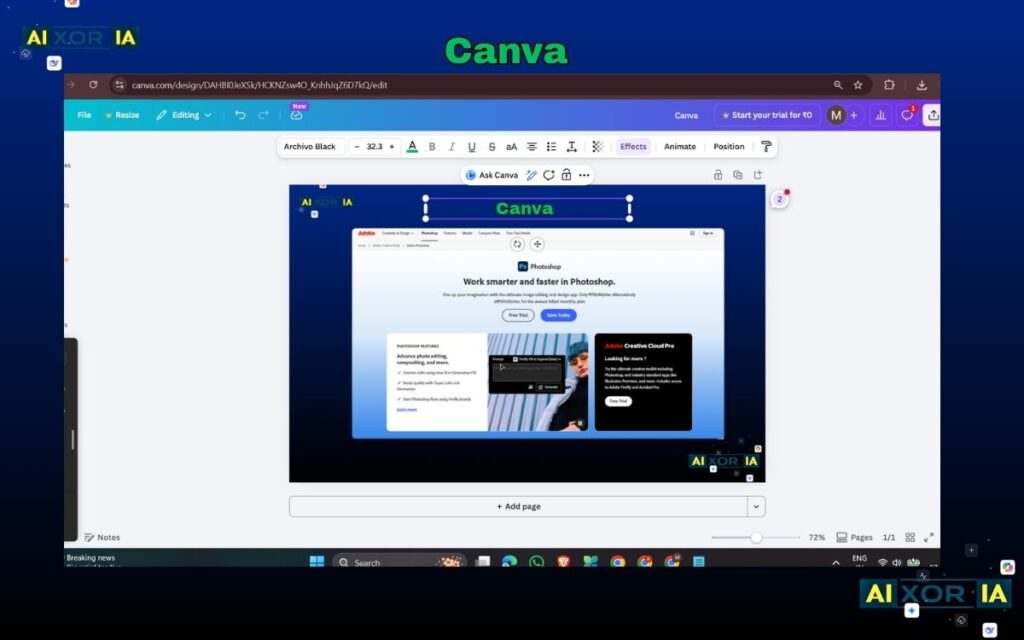
3. Canva — Best for Visually Engaging Investor Decks
Canva has become a strong contender due to its ease of use and design capabilities.
Why it works:
- Drag-and-drop interface
- Pre-built pitch deck templates
- AI-powered design suggestions
Strengths:
- Fast design creation
- Professional-looking visuals without designers
- Built-in graphics and icons
Limitations:
- Limited deep customization for complex data
- Not ideal for heavy financial modeling
Best for:
- Startup pitch decks
- Founder-led presentations
- Visually driven storytelling
4. Pitch — Best for Modern Startup Pitching
Pitch is designed specifically for presentations, with a focus on startups and teams.
Why it works:
- Built for pitch decks
- Strong collaboration features
- Modern design system
Strengths:
- Clean UI
- Fast workflow
- Good template ecosystem
Limitations:
- Smaller ecosystem compared to PowerPoint
- Less flexibility for complex enterprise use
Best for:
- VC pitches
- Product-focused startups
- Team collaboration
READ MORE – What are the best AI tools for creating presentations?
5. Prezi — Best for Non-Linear Storytelling
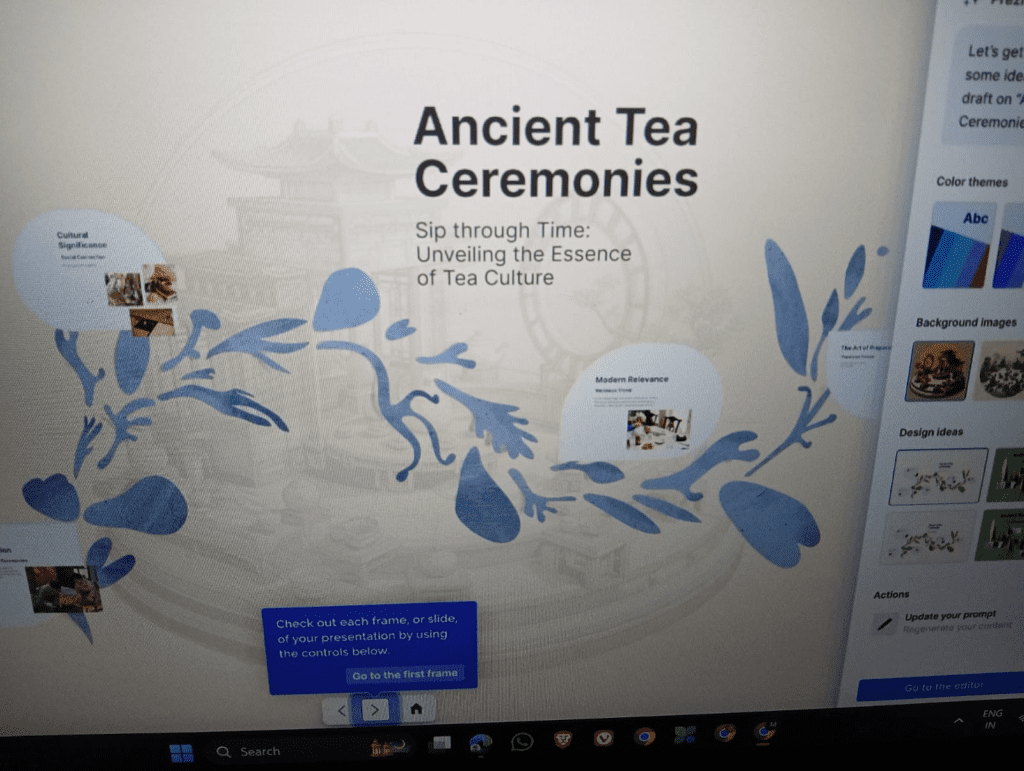
Prezi offers a different approach with zoom-based presentations.
Why it works:
- Dynamic storytelling
- Engaging visual flow
Strengths:
- Memorable presentations
- Good for narrative-driven pitches
Limitations:
- Can feel distracting if overused
- Not ideal for financial-heavy decks
Best for:
- Story-driven pitches
- Creative industries
6. Beautiful.ai — Best AI Tool for Automated Slide Design
Beautiful.ai focuses on automation and design consistency.
Why it works:
- AI-powered slide formatting
- Smart templates
- Automatic alignment and spacing
Strengths:
- Saves time
- Ensures professional design
- Reduces manual formatting
Limitations:
- Less design freedom
- Template dependency
Best for:
- Founders with no design background
- Fast, clean investor decks
7. Tome — Best AI Tool for AI-Generated Investor Narratives
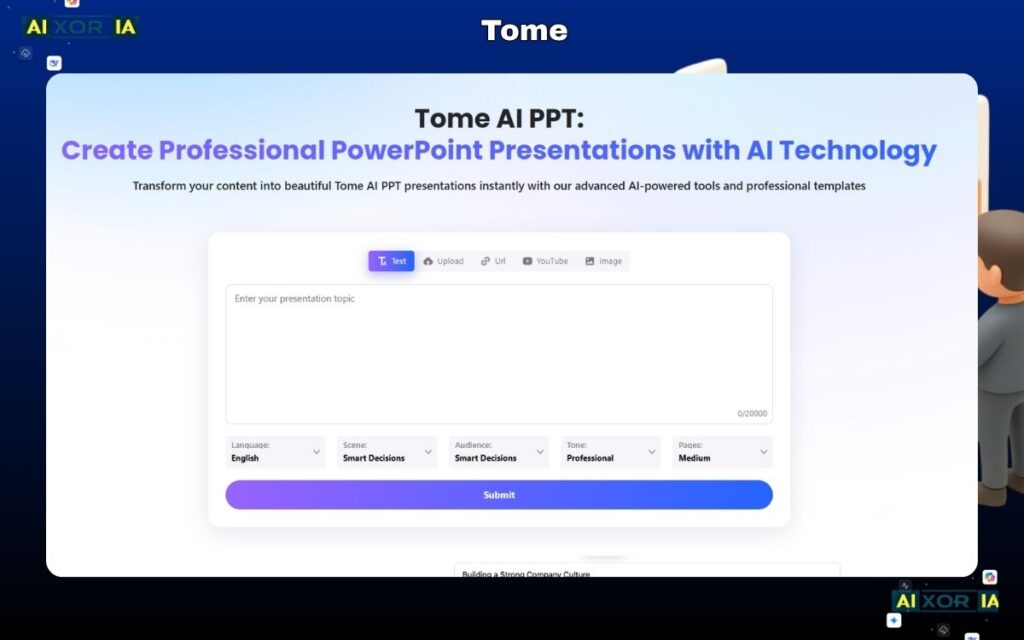
Tome represents the next generation of AI-native presentation tools.
Why it works:
- Generates full presentations from prompts
- Combines storytelling with visuals
- Integrates AI-generated content
Strengths:
- Rapid content creation
- Strong narrative structure
- Good for early-stage ideation
Limitations:
- Requires editing for accuracy
- Not always investor-ready out of the box
Best for:
- Drafting pitch decks
- Idea exploration
- Quick storytelling frameworks
8. Gamma — Best AI Tool for Interactive Presentations
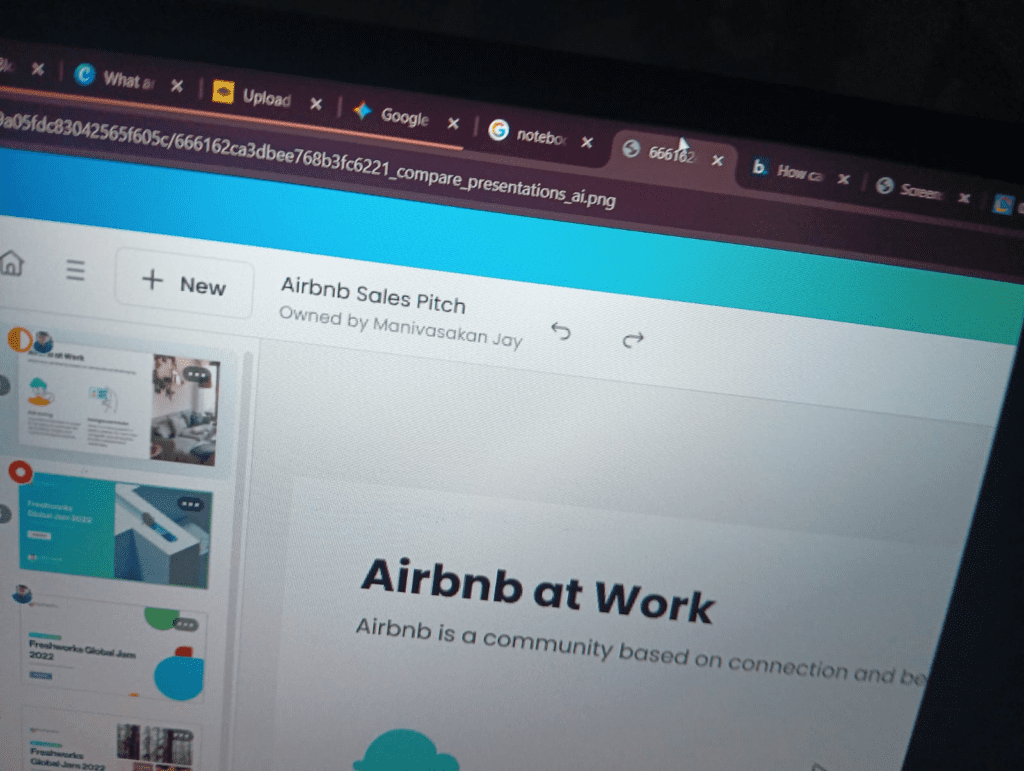
Gamma is designed for modern, interactive presentations.
Why it works:
- AI-generated slides
- Web-based presentation format
- Interactive elements
Strengths:
- Engaging experience
- Fast creation
- Clean design
Limitations:
- Less control over detailed formatting
- Learning curve for traditional users
Best for:
- Product demos
- Interactive investor updates
READ MORE – Can I Use AI to Create PowerPoint Presentations?
How to Choose the Right Tool
The best tool depends on your specific use case.
Choose Microsoft PowerPoint if:
- You need full control
- Your deck includes complex financials
- You are presenting to institutional investors
Choose Google Slides if:
- Your team collaborates remotely
- You need fast edits and sharing
- Simplicity matters more than design
Choose Canva or Beautiful.ai if:
- You want strong design with minimal effort
- You are not a designer
- You need quick turnaround
Choose AI tools (Tome, Gamma) if:
- You want to generate drafts quickly
- You are experimenting with structure
- You need speed over perfection
A Practical Approach (What Actually Works in 2026)
Most successful founders don’t rely on just one tool.
A common workflow looks like:
- Draft content using AI tools
- Structure and refine slides
- Finalize in PowerPoint or Google Slides
This hybrid approach gives you:
- Speed
- Control
- Professional output
Common Mistakes to Avoid
- Overdesigning slides instead of focusing on clarity
- Using too many animations
- Ignoring financial clarity
- Relying entirely on AI without editing
- Creating long decks instead of focused ones
Final Answer: What Tool Works Best for Investor Presentations?
There is no single universal answer.
- For control and professionalism: Microsoft PowerPoint
- For collaboration: Google Slides
- For design simplicity: Canva or Beautiful.ai
- For speed and AI generation: Tome and Gamma
The best tool is the one that helps you communicate your business clearly, confidently, and convincingly.
Conclusion
Investor presentations are ultimately about trust and clarity. Tools can enhance delivery, but they cannot replace a strong business narrative.
Choose a tool that aligns with your workflow, supports your data, and allows you to present your story without friction. In 2026, the most effective approach is not choosing one perfect tool—but combining the strengths of multiple platforms to create a compelling, investor-ready presentation.