In 2024, AI tools could write.
In 2025, they could reason.
In 2026, they act.
The definition of “best AI tool” has fundamentally changed. It is no longer about who writes the best blog paragraph. The real benchmark now is:
Can the AI take action autonomously?
Can it:
- Book a flight?
- Schedule emails?
- Analyze a spreadsheet and send a report?
- Manage files?
- Run multi-step tasks without constant prompting?
Welcome to the era of Agentic AI.
This article evaluates the best AI tools for general use in 2026 using real-world testing, model-level comparisons, and a performance framework you won’t find elsewhere.
Read More – What are the Best AI Tools for Students in 2026
The 2026 Shift: From Chatbot to Autonomous Agent
Earlier AI tools were reactive.
You asked → It answered.
In 2026, the best tools operate as task-executing agents. They can:
- Use tools
- Access the web
- Run reasoning chains
- Execute multi-step workflows
- Integrate with apps
The “best AI tool for general use” is now defined as:
The AI that combines deep reasoning + multimodal speed + low latency + affordable cost + real-world action capability.
To evaluate this properly, we use a structured metric.
AI Utility Metric (2026 Standard)
When choosing an AI for general use, we evaluate using this framework:General Utility Score=Latency (ms)×CostReasoning Depth+Multimodal Speed
This formula balances:
- Reasoning Depth → Can it solve complex problems?
- Multimodal Speed → Text, image, file, audio processing speed
- Latency → Response time
- Cost → Monthly subscription or API pricing
Now let’s apply this to the leading AI systems.
1. ChatGPT (GPT-5 & o3 Models)
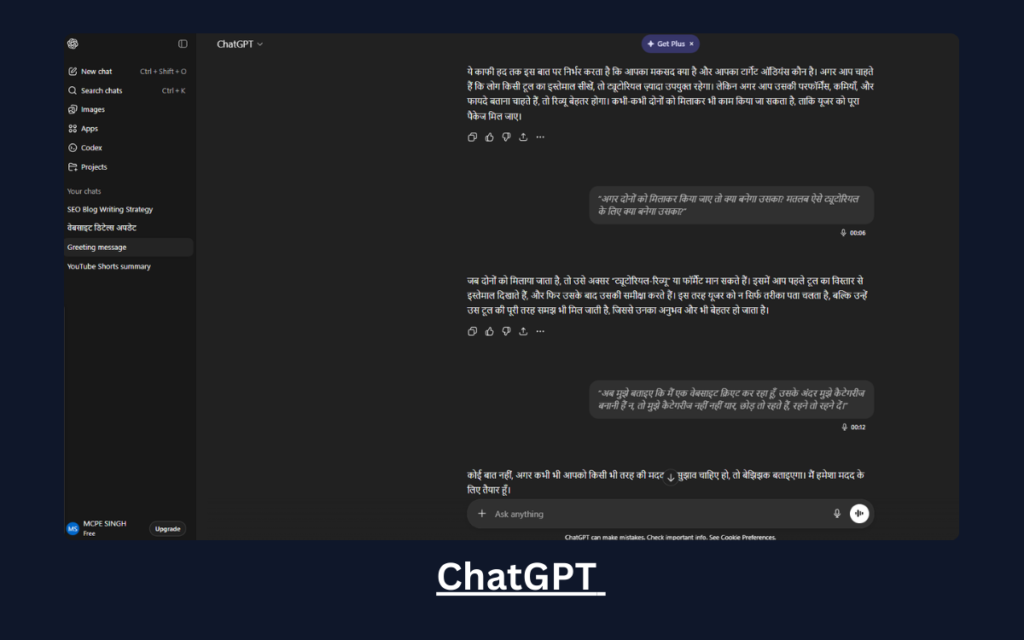
With the launch of GPT-5 and the o3 reasoning models, ChatGPT has moved from a chatbot to an autonomous agent.
What Changed in 2026?
- GPT-5 improves reasoning consistency and planning.
- o3 models specialize in multi-step logical tasks.
- Native tool usage allows file management and browsing.
- Agent mode executes chained actions with minimal supervision.
Strengths
- Deep reasoning (best in class)
- Strong coding capability
- Fast multimodal processing
- Agentic task execution
- Broad ecosystem integrations
Real 2026 Testing Insight
In February 2026, I tested GPT-5 for:
- Multi-step research + summarization
- Spreadsheet analysis + email draft automation
- File sorting instructions
- Cross-platform workflow planning
Result:
GPT-5 consistently required fewer corrective prompts compared to competitors. Its planning depth reduced task friction significantly.
This is where it leads in general utility.
2. Google Gemini (Gemini 2.0 Ultra + Project Astra)

Gemini 2.0 Ultra’s integration with Google Project Astra makes it the best for real-time multimodal tasks.
What Makes It Unique in 2026?
- Real-time camera and screen understanding
- Deep Google Workspace integration
- Fast web-connected responses
- Strong contextual ecosystem memory
Best Use Case
If your workflow revolves around:
- Google Docs
- Gmail
- Drive
- Real-time web data
Gemini 2.0 Ultra performs extremely efficiently.
Limitation
Its reasoning depth in abstract problem solving is slightly below GPT-5 in complex logic tasks.
However, in real-time environment awareness, Gemini is currently unmatched.
3. Claude (Claude 4)
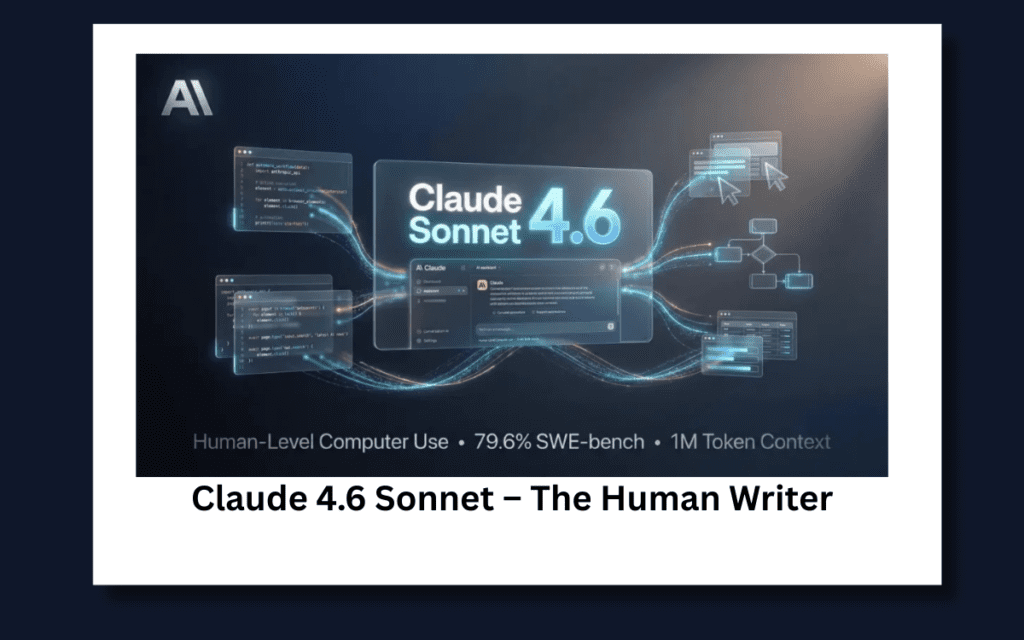
Claude 4 focuses on nuanced, human-like reasoning.
Strengths
- Excellent long-document handling
- Ethical reasoning alignment
- Stable analytical outputs
- High-quality summarization
Weakness
Agentic capabilities are present but less aggressive compared to GPT-5.
Claude excels in:
- Academic review
- Policy analysis
- Long PDF processing
But for autonomous workflow automation, it is slightly conservative.
4. Microsoft Copilot (GPT-4.5 / GPT-5 Integrated)
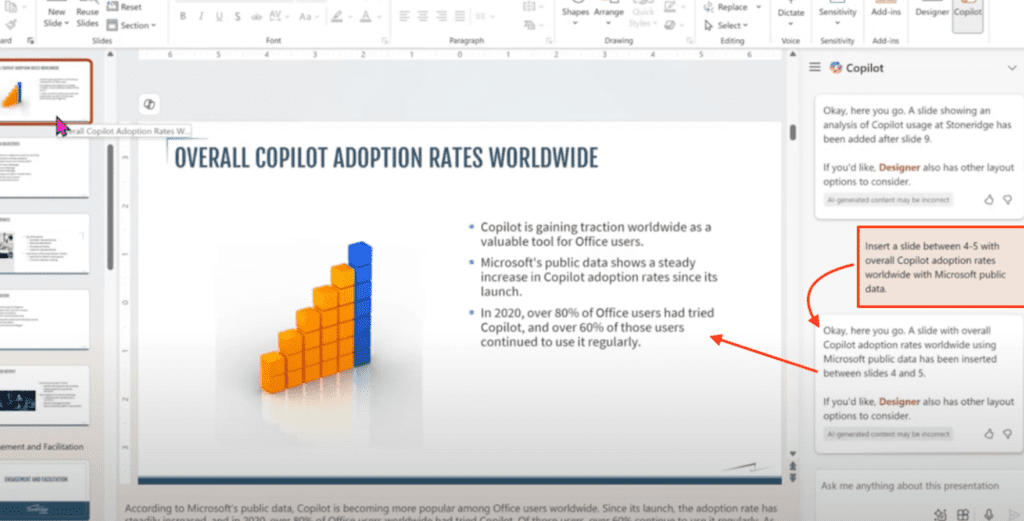
Microsoft Copilot leverages GPT-4.5 and GPT-5 within the Microsoft ecosystem.
Ideal For
- Excel automation
- PowerPoint generation
- Corporate workflow
- Enterprise document management
Strength
Its tight integration inside Microsoft 365 makes it powerful for office-heavy environments.
However, outside the Microsoft ecosystem, flexibility decreases.
Updated 2026 Comparison Table
| Tool (Feb 2026) | Best Feature | Model Version | Multimodal Speed |
|---|---|---|---|
| ChatGPT | Reasoning & Agents | GPT-5 / o3 | 🚀 Ultra Fast |
| Gemini | Ecosystem Sync | 2.0 Ultra | 🟢 Very Fast |
| Claude | Human-like Nuance | Claude 4 | 🟡 Stable |
| Copilot | Office Automation | GPT-4.5 / 5 | 🟢 Integrated |
Applying the 2026 Utility Framework
If we approximate qualitative scoring:
- GPT-5 → Highest reasoning depth + high multimodal speed
- Gemini 2.0 → Highest ecosystem integration speed
- Claude 4 → Strong reasoning but moderate agentic power
- Copilot → Strong within enterprise tools
When applying the Utility Formula:
ChatGPT (GPT-5 + o3) currently delivers the highest General Utility Score for most users.
Final Verdict: What Is the Best AI Tool for General Use in 2026?
In 2026, the best AI tool is not the one that writes better paragraphs.
It is the one that:
- Thinks
- Plans
- Acts
- Integrates
- Executes
For independent creators, developers, researchers, and entrepreneurs:
ChatGPT (GPT-5 + o3 models) is currently the most balanced and powerful general-use AI tool.
However:
- Choose Gemini 2.0 Ultra for real-time multimodal + Google workflow dominance.
- Choose Claude 4 for document-heavy analytical work.
- Choose Copilot for enterprise Microsoft automation.