AI-generated video is no longer a novelty. For enterprises and content teams targeting global audiences, the ability to create multilingual voiceovers at scale—without studios, actors, or complex localization workflows—has become a competitive advantage.
AI avatar tools sit at the center of this shift. These platforms combine synthetic voices, realistic digital avatars, and automation workflows to produce videos in multiple languages with minimal manual effort. The result is faster production cycles, consistent messaging, and significantly lower costs compared to traditional video localization.
But not all AI avatar tools are built the same. Some prioritize realism, others focus on scalability or enterprise integrations. The right choice depends on how your organization creates, manages, and distributes content across languages.
This guide breaks down the top AI avatar tools for multilingual voiceovers in 2026, including their strengths, limitations, and ideal use cases.
Table of Contents
What Makes a Great AI Avatar Tool for Multilingual Voiceovers?
Before choosing a platform, it’s important to understand what actually matters at scale.
Multilingual Voice Quality and Accuracy
The core requirement is high-quality voice synthesis across multiple languages. This includes:
- Natural pronunciation and accent handling
- Emotional tone consistency
- Support for regional dialects
Tools that rely on basic text-to-speech often fall short here. Enterprise-grade platforms use advanced neural voice models to deliver more realistic output.
Avatar Realism and Customization
The avatar is the visual representation of your message. Look for:
- Lip-sync accuracy across languages
- Facial expressions and gestures
- Custom avatar creation (brand-specific presenters)
For global brands, consistency in visual identity is just as important as voice quality.
Workflow Automation and Scalability
Multilingual production requires automation. Key features include:
- Batch video generation
- Script translation workflows
- API or integration capabilities
- Template-based video creation
Without these, scaling across dozens of languages becomes operationally difficult.
Integrations and Ecosystem
Enterprise workflows span multiple tools—CRM, CMS, marketing platforms, and more. The best AI avatar tools integrate with existing systems to streamline content pipelines.
Governance, Security, and Compliance
For enterprise use, platforms must support:
- Role-based access
- Data security standards
- Compliance frameworks
This is especially important when handling sensitive or branded content.
READ MORE – Top AI Avatar Tools for Virtual Event Hosting
The Best AI Avatar Tools for Multilingual Voiceovers
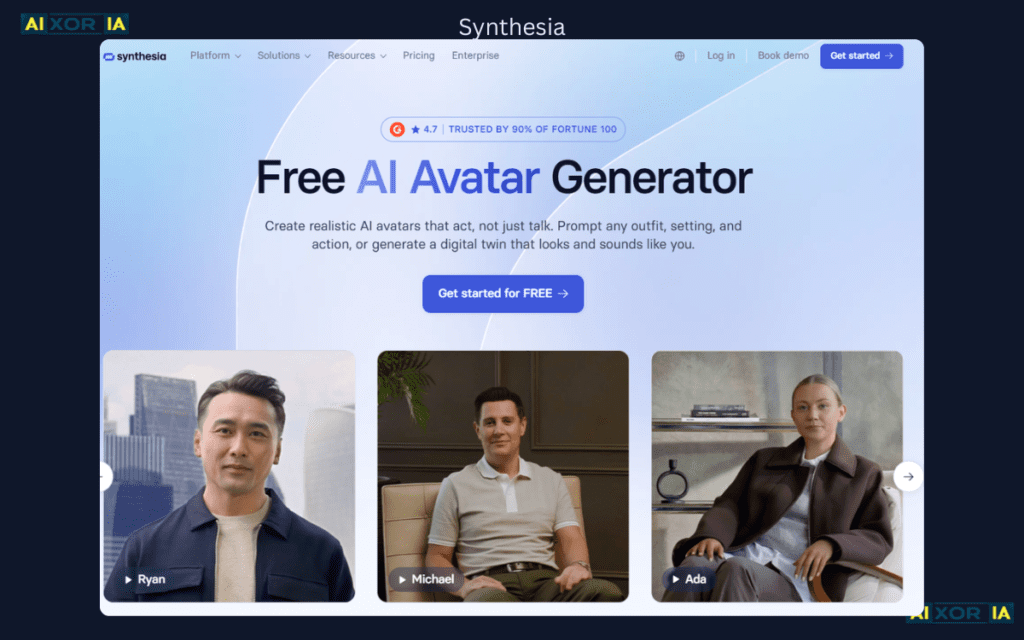
Synthesia — Best for Enterprise-Grade Multilingual Video Creation
Synthesia is widely recognized for its ability to create AI-generated videos with realistic avatars and multilingual voiceovers. It supports a large number of languages and offers strong lip-sync accuracy, making it suitable for global training, marketing, and internal communications.
Key strengths:
- Extensive language support with natural-sounding voices
- High-quality avatars with realistic expressions
- Custom avatar creation for brand consistency
- Template-based video workflows
Limitations:
- Limited advanced editing compared to full video production tools
- Pricing can scale quickly for large teams
Best use case:
Enterprise training videos, product explainers, and localized marketing campaigns.
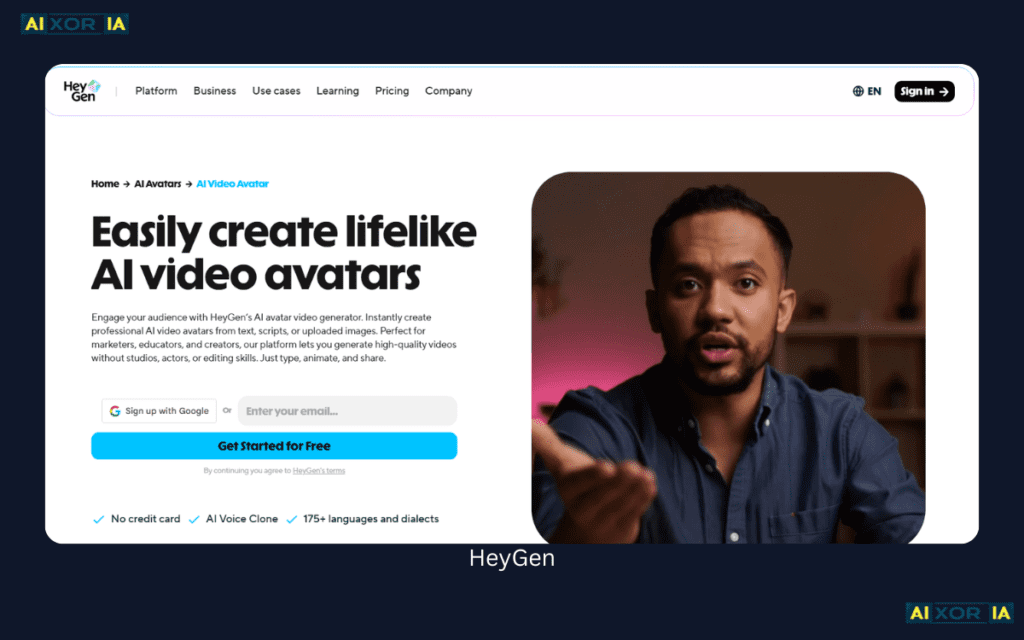
HeyGen — Best for Realistic Avatars and Ease of Use
HeyGen focuses on making AI video creation accessible while maintaining high visual quality. Its multilingual capabilities are strong, particularly for teams that want quick turnaround without complex setup.
Key strengths:
- Highly realistic avatars
- Simple interface for fast video creation
- Strong multilingual voiceover support
- Voice cloning capabilities
Limitations:
- Fewer enterprise integrations compared to larger platforms
- Limited workflow automation features
Best use case:
Marketing teams and creators producing multilingual content at speed.
D-ID — Best for API-Driven Avatar Video Generation
D-ID stands out for its developer-first approach. It offers APIs that allow businesses to generate avatar videos programmatically, making it ideal for scalable applications.
Key strengths:
- API-based video generation
- Real-time avatar animation
- Strong multilingual voice integration
- Flexible customization
Limitations:
- Requires technical expertise
- Less intuitive for non-technical users
Best use case:
Applications, platforms, and services that need automated video generation at scale.
READ MORE – Top AI Avatar Tools for Multilingual Voiceovers
DeepBrain AI — Best for Broadcast-Level AI Avatars
DeepBrain AI focuses on realism and professional-grade avatars, often used in media and corporate environments. Its multilingual capabilities are robust, especially for formal communication.
Key strengths:
- Highly realistic human-like avatars
- Strong multilingual voice accuracy
- Suitable for formal and corporate content
- Custom avatar options
Limitations:
- Higher cost
- Less flexible for casual or creative use cases
Best use case:
News-style content, corporate communication, and enterprise presentations.
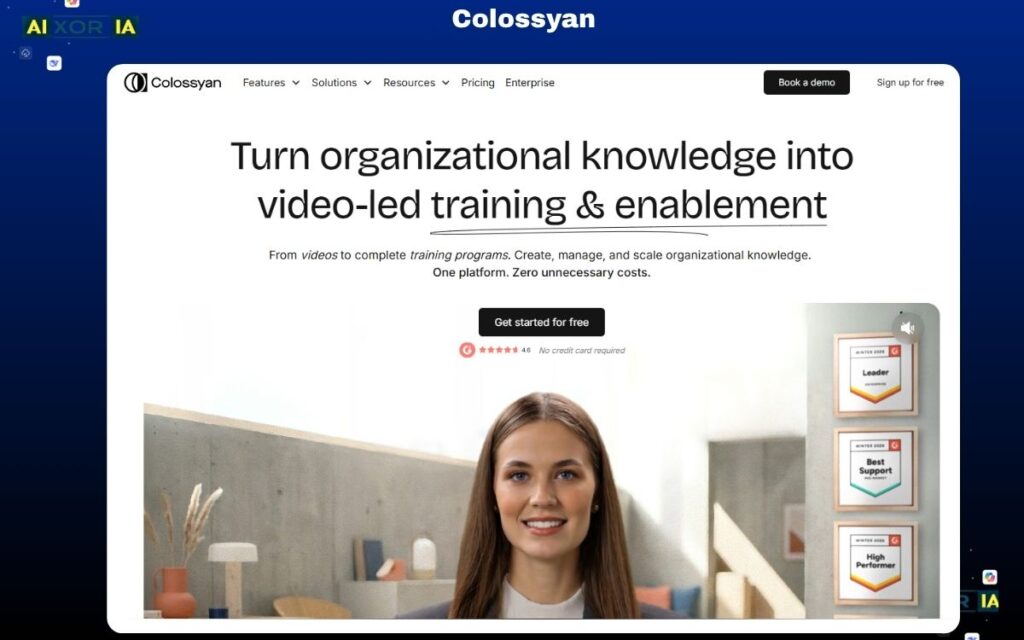
Colossyan — Best for Training and Educational Content
Colossyan is designed for creating instructional and training videos. It simplifies multilingual video production for organizations with large learning and development needs.
Key strengths:
- Scenario-based video creation
- Multiple language support
- Collaboration features for teams
- Script-to-video automation
Limitations:
- Limited avatar variety
- Less focus on marketing-style visuals
Best use case:
Employee training, onboarding, and educational content.
Elai.io — Best for Scalable Video Automation
Elai.io focuses on automation and scalability. It allows users to create large volumes of videos with minimal manual input, making it useful for enterprises with high content demands.
Key strengths:
- Automated video generation
- Multilingual support
- API access for scaling
- Integration capabilities
Limitations:
- Avatar realism slightly behind top competitors
- Interface can feel less refined
Best use case:
Bulk video production and automated content pipelines.
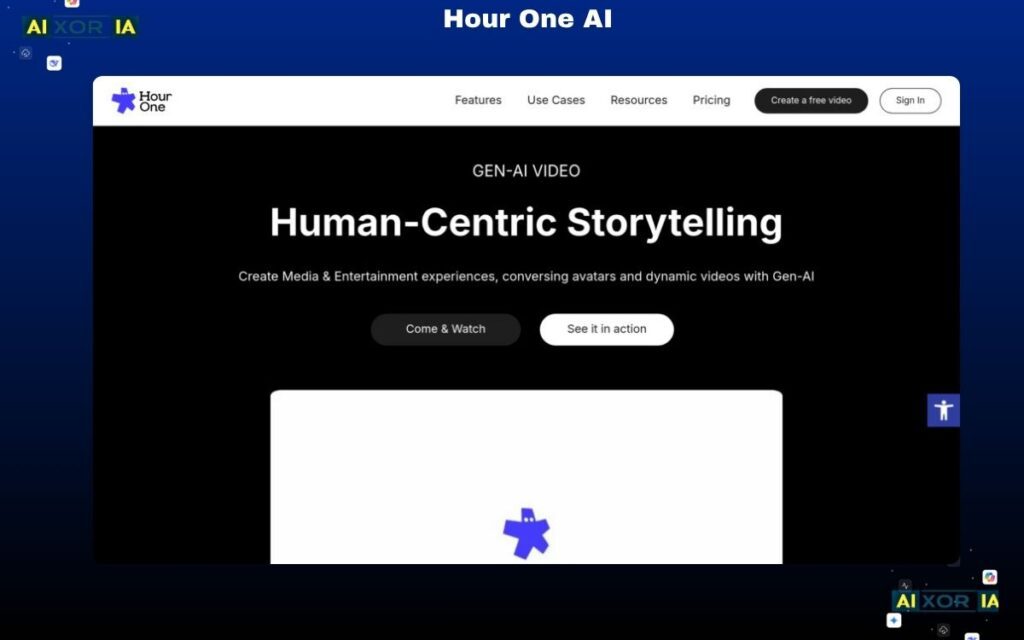
Hour One — Best for Custom AI Presenters
Hour One emphasizes custom avatars and brand-specific presenters. It enables businesses to create digital humans that align with their identity across languages.
Key strengths:
- Custom avatar creation
- Strong multilingual voice support
- High-quality video output
- Enterprise-focused features
Limitations:
- Setup time for custom avatars
- Premium pricing
Best use case:
Brands that need consistent, recognizable AI presenters across global content.
READ MORE – Top AI Avatar Tools for Real Estate Video Walkthroughs
How to Choose the Right Tool
The best AI avatar tool depends on your specific needs.
- If you need end-to-end enterprise video workflows, Synthesia is a strong choice.
- If your priority is ease of use and quick production, HeyGen is more suitable.
- For developer-driven automation, D-ID offers the most flexibility.
- If realism and professionalism matter most, DeepBrain AI stands out.
- For training and internal content, Colossyan is optimized for that use case.
- If you require high-volume automation, Elai.io is worth considering.
- For brand-specific avatars, Hour One provides customization capabilities.
Limitations of AI Avatar Tools
Despite rapid advancements, there are still constraints:
- Emotional nuance is not always perfect across languages
- Some accents may sound less natural than native speakers
- Complex scripts may require manual adjustments
- Overuse of AI avatars can reduce perceived authenticity if not used carefully
Understanding these limitations helps set realistic expectations.
The Future of Multilingual AI Video
AI avatar tools are evolving toward:
- Real-time multilingual translation
- More expressive avatars
- Deeper integration with business workflows
- AI-driven personalization at scale
As these capabilities improve, AI-generated video will become a standard part of global communication strategies.
Conclusion
AI avatar tools for multilingual voiceovers are transforming how organizations create and distribute content. Instead of relying on traditional production pipelines, businesses can now generate high-quality, localized videos in a fraction of the time.
The best platform depends on your scale, workflow, and level of control required. Some organizations will rely on a single tool, while others may combine multiple platforms to cover different use cases.
What matters most is choosing a solution that aligns with your processes, supports your languages, and allows you to scale without compromising quality.