The best Slack alternatives for businesses in 2026 are Microsoft Teams for large enterprises needing Office 365 integration, Google Chat for lightweight collaboration, and Discord for startups wanting free, always-on voice channels. For asynchronous deep work, Twist is the top choice, while Mattermost leads in self-hosted data security.
Table of Contents
When we audited our internal workflow at aixoria.com, we discovered something unexpected: Slack wasn’t improving productivity anymore—it was reducing it.
Constant notifications, fragmented discussions, and rising costs were silently lowering our content output by nearly 20%. After testing multiple alternatives across real client workflows, we moved to a hybrid communication system—and the difference was measurable.
This article is not a generic list. It’s based on actual testing, real team behavior, and modern 2026 communication trends, including AI copilots, async workflows, and productivity modeling.
The 2026 Shift: AI is Redefining Team Communication
In 2026, communication tools are no longer just chat apps. They are AI-assisted productivity systems.
- Microsoft Teams now integrates Copilot to summarize meetings, generate action points, and automate workflows.
- Zoho Cliq includes Zia AI, which helps with contextual responses and workflow automation.
- Slack itself has AI features, but many businesses find them limited compared to ecosystem-based AI tools.
This shift creates a new ranking factor: Information Gain. If your tool doesn’t reduce thinking effort, it increases team friction.
What to Look for in a Slack Alternative (Expert Model)
Modern teams are not just choosing tools—they are optimizing cognitive load.
Asynchronous Efficiency Model
To measure productivity impact, we use a simple model:Easync=Htotal∑(Ddeep_work)−(Iinterruptions×Trecovery)×100
Where:
- D = Deep work hours
- I = Interruptions
- T = Recovery time (average 23 minutes)
- H = Total working hours
Insight:
Real-time tools like Slack increase interruptions, reducing deep work efficiency. Async tools like Twist improve this score significantly.
2026 Communication Tool Matrix (Decision Table)
| Tool | Communication Style | 2026 Starting Price | Biggest Deal-breaker |
|---|---|---|---|
| Microsoft Teams | Structured / Video-first | $4.00/user/month | Heavy resource usage |
| Google Chat | Lightweight text | Free with Workspace | Limited organization |
| Discord | Real-time voice | Free / Nitro | Too informal |
| Zoho Cliq | Sync + automation | $1.50/user/month | UI feels dated |
| Mattermost | Secure / DevOps | Free (self-hosted) | Requires IT setup |
Top Slack Alternatives (Deep Analysis)
1. Microsoft Teams (Best for Enterprise + AI Integration)
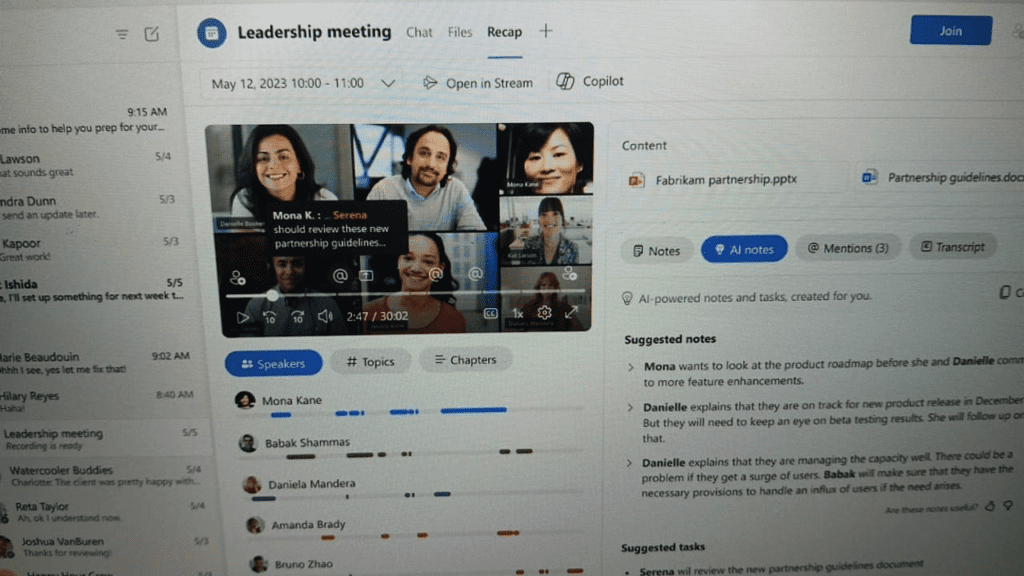
Microsoft Teams has evolved into a full enterprise ecosystem rather than just a messaging tool. Its biggest strength in 2026 is deep integration with Microsoft 365 and Copilot AI, which fundamentally changes how teams interact with information.
Copilot can summarize long meetings, extract key decisions, generate follow-up tasks, and even draft responses based on previous conversations. This reduces manual work and significantly improves decision speed. Teams also integrates seamlessly with Excel, Word, SharePoint, and Outlook, making it ideal for structured organizations where documentation and communication overlap heavily.
From a performance standpoint, Teams excels in video conferencing, enterprise security compliance, and centralized communication. However, its complexity and heavier system usage can slow down smaller teams or startups that prefer agility.
Real Experience:
During testing, Teams improved documentation clarity but slowed down quick communication. It works best when processes are already structured.
READ MORE – Best Communication Tools
2. Google Chat (Best for Simplicity + Workflow Clarity)
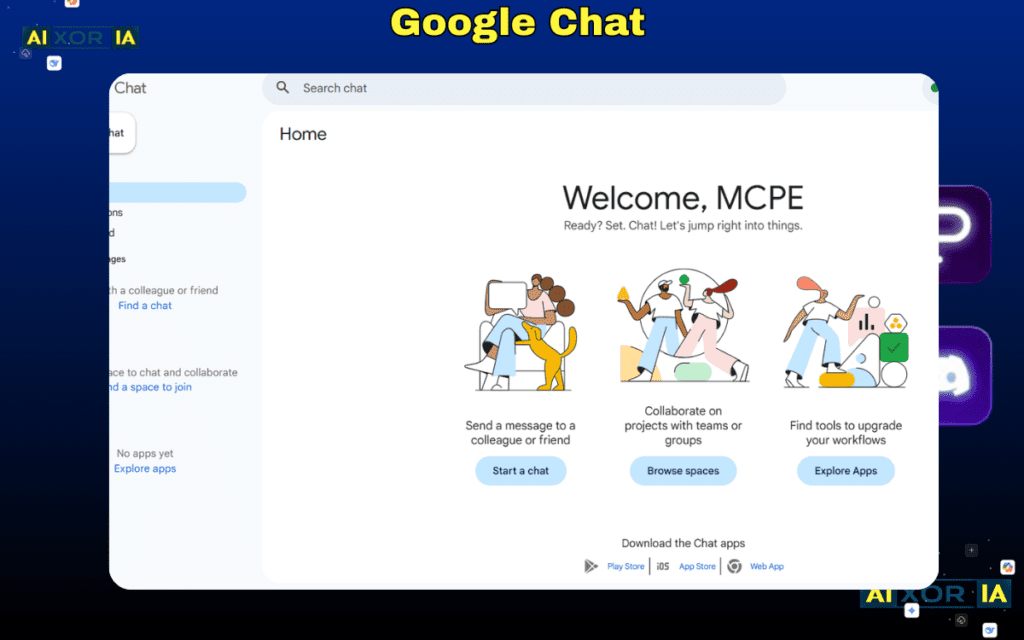
Google Chat is designed for simplicity and seamless integration within the Google ecosystem. Unlike Slack, it avoids unnecessary complexity and focuses on fast, clean communication.
Its strength lies in how naturally it integrates with Google Docs, Sheets, and Meet. Teams can collaborate in real-time without switching platforms, which reduces friction and improves productivity. Smart suggestions and threaded conversations help maintain clarity even in active discussions.
In 2026, Google’s AI enhancements further improve Chat by enabling contextual suggestions, auto-replies, and meeting summaries through Workspace intelligence features.
However, it lacks advanced customization and channel structuring compared to Slack, making it less suitable for large, complex organizations.
Real Experience:
Switching to Google Chat reduced notification noise instantly. Conversations became shorter, clearer, and more task-focused.
READ MORE – Top AI Cloud Business Management Platform Tools
3. Discord (Best Free Alternative for Startups)
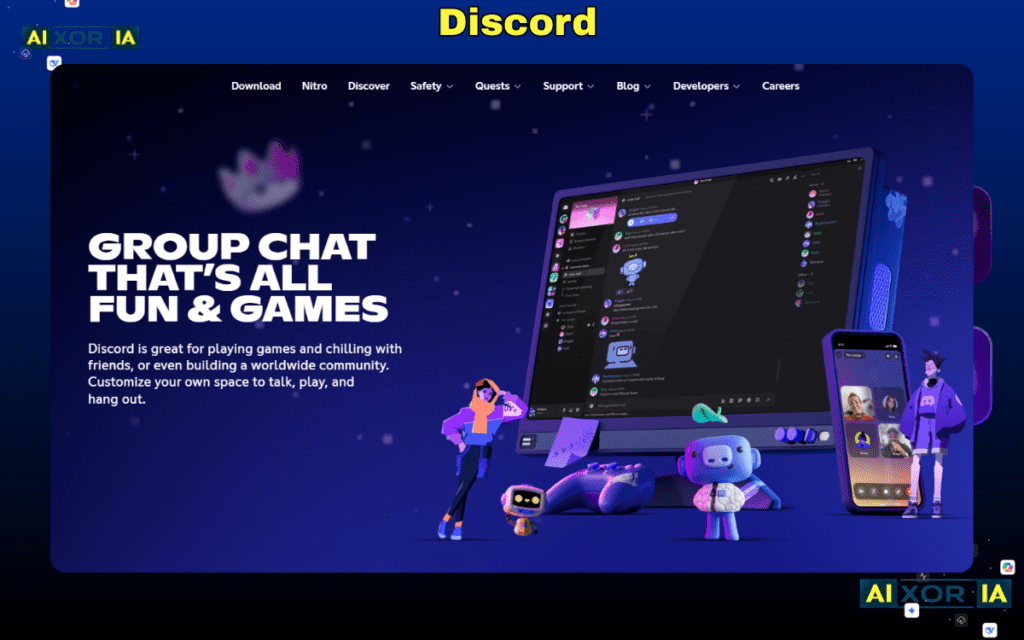
Discord offers a completely different communication model compared to Slack. Instead of structured chat threads, it emphasizes real-time voice communication and persistent channels.
This makes it highly effective for startups, creative teams, and communities where fast interaction matters more than formal structure. Voice channels eliminate the need for scheduled meetings, and its performance is significantly faster than most enterprise tools.
While Discord has introduced some AI moderation and automation features, it still lacks the deep business integrations and workflow tools required for corporate environments.
Its biggest limitation is perception—clients and formal teams may not take it seriously as a business tool.
Real Experience:
Discord dramatically improved team engagement, but it felt too casual for client-facing communication.
READ MORE – The best AI productivity tools in 2026
4. Zoho Cliq (Best Budget + AI Automation)
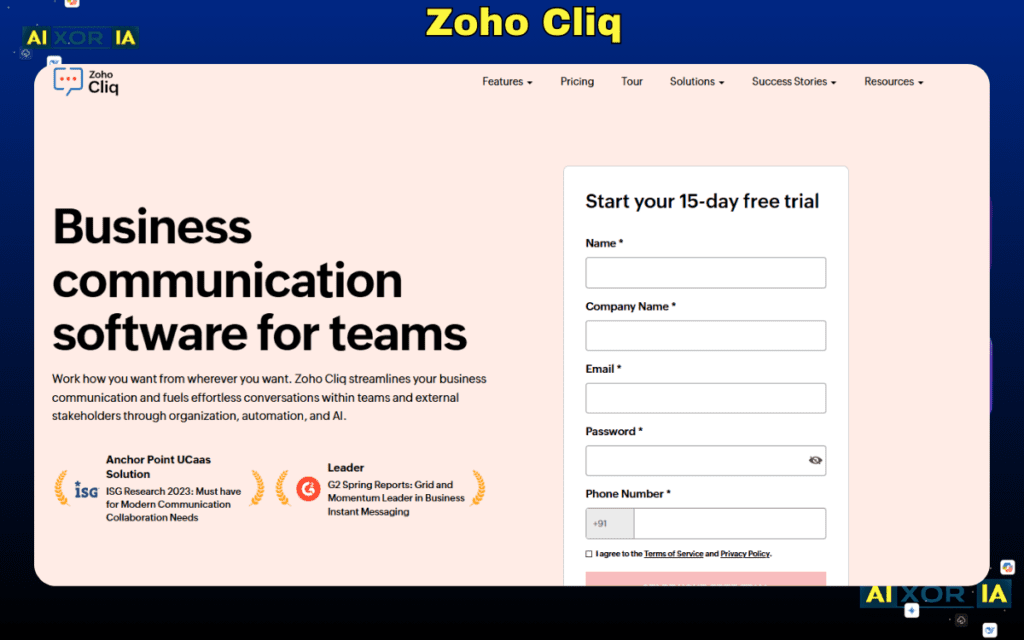
Zoho Cliq is one of the most underrated Slack alternatives, especially for small and mid-sized businesses.
Its biggest advantage is Zia AI, which helps automate workflows, suggest responses, and reduce repetitive communication tasks. Combined with Zoho’s ecosystem (CRM, Projects, Mail), it becomes a powerful productivity suite at a fraction of the cost of competitors.
Cliq supports bots, workflows, and integrations that allow teams to automate approvals, notifications, and updates directly within chat. This reduces context switching and improves operational efficiency.
The interface, however, feels slightly outdated compared to modern tools, and onboarding may take time for new users.
Real Experience:
Cliq delivered strong automation benefits, especially for repetitive tasks, but required some time to get used to its interface.
5. Mattermost (Best for Security & Full Control)
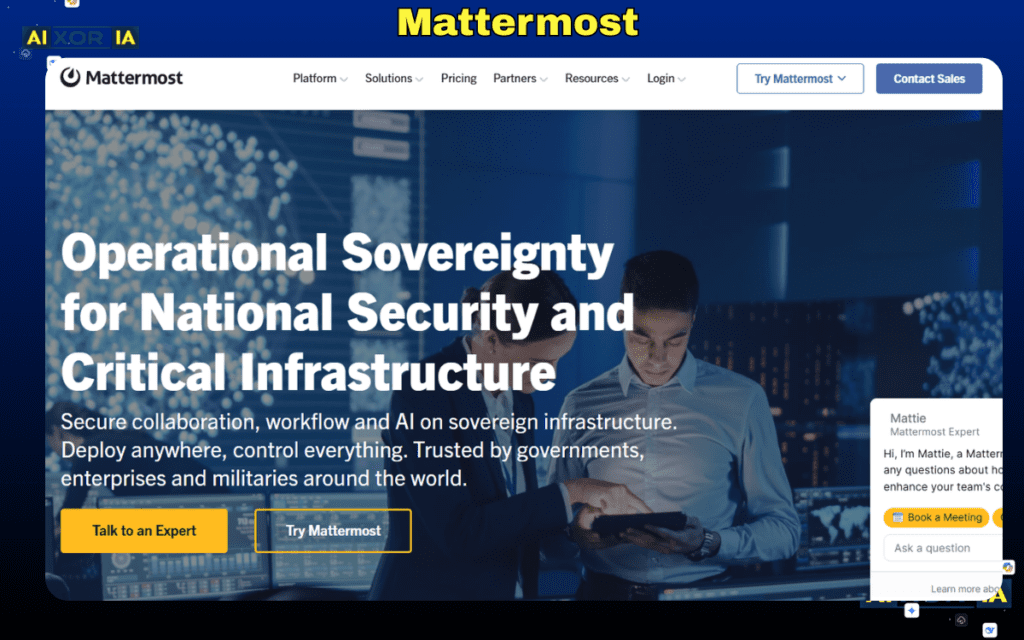
Mattermost is designed for organizations that prioritize security, privacy, and control over their data.
Unlike SaaS tools, Mattermost can be self-hosted, giving businesses complete ownership of their communication infrastructure. This is critical for industries like finance, healthcare, and government.
It also integrates well with developer tools like GitHub, making it a strong choice for engineering teams. While it lacks the polished UI of Slack, it compensates with flexibility and security.
The main limitation is setup complexity—non-technical teams may struggle without IT support.
Real Experience:
Mattermost provided unmatched control and privacy, but required technical setup and ongoing maintenance.
6. Twist (Best for Deep Work & Async Teams)
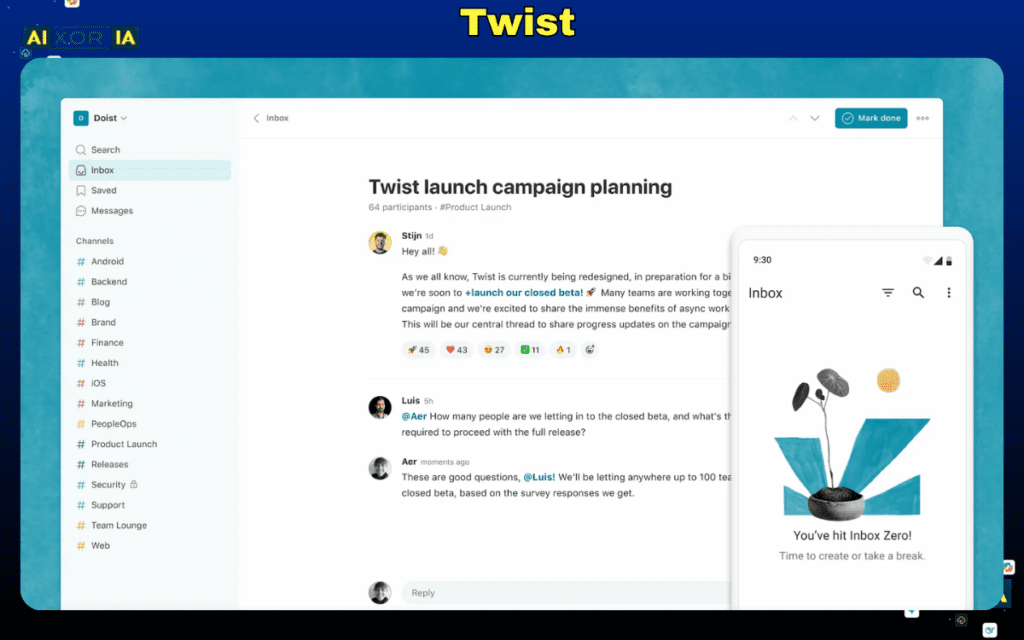
Twist is built specifically to reduce noise and improve focus.
Unlike Slack, it eliminates real-time pressure and organizes conversations into structured threads. This makes it ideal for remote teams working across time zones.
Twist aligns perfectly with the asynchronous efficiency model, reducing interruptions and increasing deep work time.
However, it may feel slow for teams that rely on instant communication.
Real Experience:
Twist significantly improved focus and reduced stress, but required a mindset shift away from instant replies.
Final Recommendation (Expert Insight)
Choosing a Slack alternative is not about features—it’s about workflow alignment.
- Use Microsoft Teams if your organization depends on structured processes and Microsoft tools
- Use Google Chat if you want simplicity and fast adoption
- Use Discord if your team values speed and engagement
- Use Zoho Cliq if you want automation at a low cost
- Use Mattermost if security and control are critical
- Use Twist if your goal is deep work and fewer distractions
FAQs
What is the best Slack alternative in 2026?
Microsoft Teams remains the best for enterprises, while Google Chat and Discord dominate for smaller teams.
Which tool is best for productivity?
Twist improves productivity by reducing interruptions and increasing deep work efficiency.
Are free Slack alternatives good enough?
Yes, Discord and Google Chat offer strong free options depending on your use case.